.webp)


Feeling numbness in your hand or leg can be worrying. It may start as a mild tingling sensation, pins and needles, or partial loss of feeling. Sometimes it goes away on its own, but in many cases, numbness can be a sign of an underlying neurological problem that needs medical attention. Understanding the causes, warning signs, and treatment options can help you take timely action and protect your nerve health.
What Does Numbness Mean?
Numbness refers to reduced or absent sensation in a part of the body. It often feels like:
- Tingling or pins and needles
- Burning or crawling sensation
- Loss of touch, pain, or temperature sensation
- Weakness along with numbness
Nerves carry signals between the brain, spinal cord, and body. When these signals are disrupted, numbness can occur.
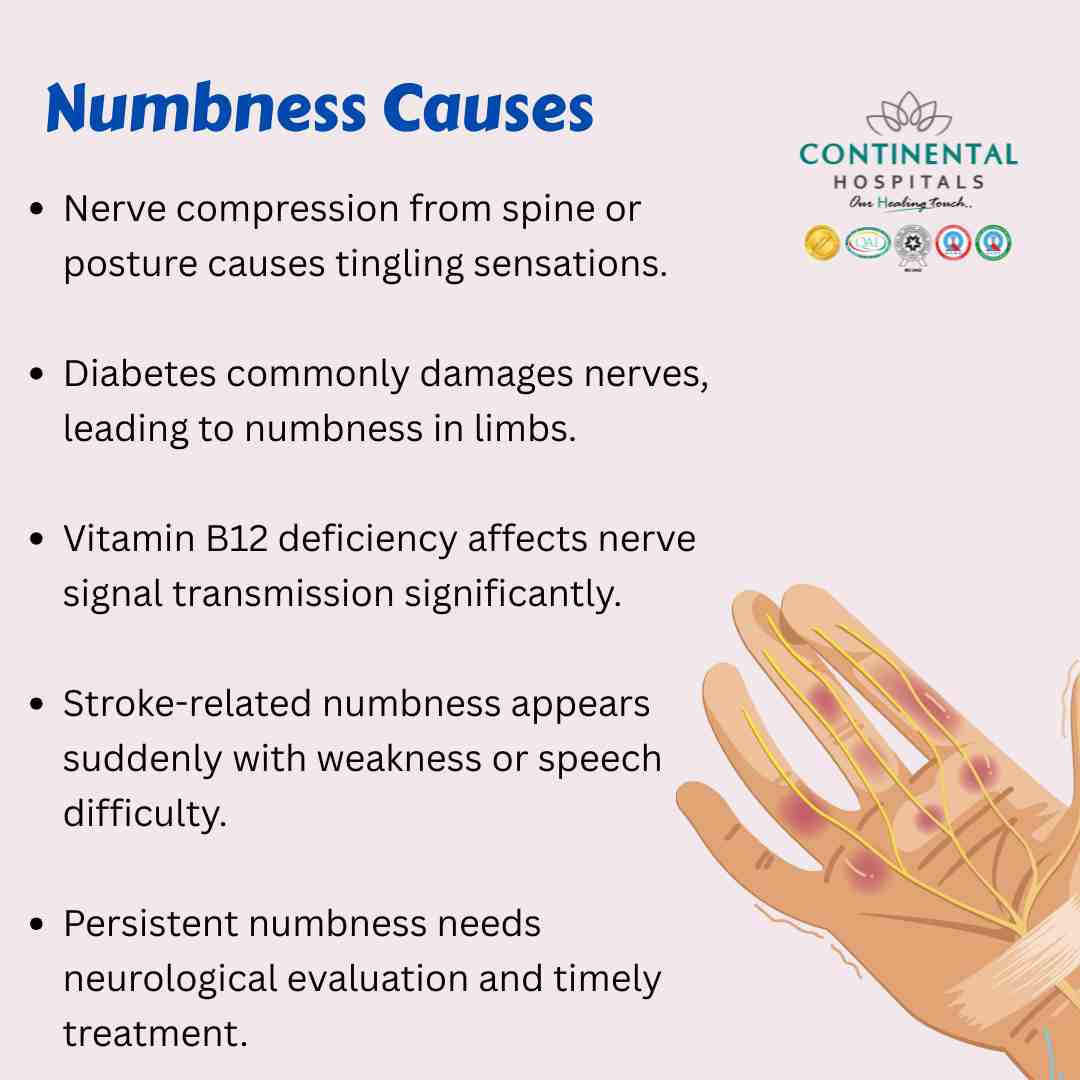
Common Neurological Causes of Hand or Leg Numbness
Peripheral Neuropathy
Peripheral neuropathy occurs when nerves outside the brain and spinal cord are damaged. It is one of the most common neurological causes of numbness.
Common reasons include:
- Diabetes
- Vitamin deficiencies, especially vitamin B12
- Alcohol-related nerve damage
- Certain medications
- Infections
Symptoms often start in the toes or fingers and gradually spread upward. Many patients describe a glove or stocking pattern of numbness.
Nerve Compression or Entrapment
When a nerve is compressed by surrounding tissues, it can lead to numbness and tingling.

Examples include:
- Carpal tunnel syndrome affecting the hand and fingers
- Ulnar nerve compression causing numbness in the ring and little finger
- Sciatic nerve compression leading to leg numbness
This type of numbness may worsen with certain positions or repetitive movements.
Cervical or Lumbar Spine Problems
Problems in the neck or lower back can press on nerves that supply the arms or legs.
Common spine-related causes:
- Slip disc
- Degenerative disc disease
- Spinal stenosis
- Cervical spondylosis
Neck issues often cause hand numbness, while lower back problems commonly affect the legs.
Stroke or Transient Ischemic Attack
Sudden numbness on one side of the body may be a sign of a stroke or a mini-stroke.
Warning signs include:
- Sudden numbness or weakness of face, arm, or leg
- Difficulty speaking or understanding speech
- Sudden vision problems
- Loss of balance or coordination
This is a medical emergency. Immediate hospital care is essential.
Multiple Sclerosis
Multiple sclerosis is a condition where the immune system attacks the protective covering of nerves.
Symptoms may include:
- Numbness or tingling in limbs
- Weakness
- Vision problems
- Difficulty walking
Symptoms may come and go and vary in severity.
Brain or Spinal Cord Disorders
Tumors, infections, or inflammation affecting the brain or spinal cord can interrupt nerve signals.
Possible signs:
- Progressive numbness
- Weakness
- Difficulty with bladder or bowel control
- Changes in coordination
Early diagnosis improves treatment outcomes.
Migraines with Sensory Aura
Some people experience numbness or tingling before or during a migraine headache.
This numbness usually:
- Affects one side
- Develops gradually
- Resolves within a short time
Although not dangerous, recurrent episodes should be evaluated by a neurologist.
When Is Numbness a Warning Sign?
Seek immediate medical attention if numbness:
- Appears suddenly
- Affects one side of the body
- Is associated with weakness or speech difficulty
- Follows head or spine injury
- Worsens over time
Persistent or recurrent numbness should never be ignored.
How Is the Cause Diagnosed?
Doctors use a step-by-step approach to identify the exact cause.
Diagnostic methods may include:
- Detailed neurological examination
- Blood tests to check vitamin levels and metabolic issues
- Nerve conduction studies and EMG
- MRI or CT scans of brain or spine
- Additional tests based on symptoms
Accurate diagnosis helps plan the right treatment.
Treatment Options for Neurological Numbness
Treatment depends on the underlying cause and severity.
Common approaches include:
- Medications to control nerve pain and inflammation
- Vitamin supplementation for deficiencies
- Physical therapy to improve strength and mobility
- Lifestyle changes for diabetes and metabolic conditions
- Advanced neurological or spine interventions when required
Early treatment can prevent permanent nerve damage.
How to Reduce the Risk of Nerve Problems
Simple preventive steps can help protect nerve health:
- Maintain good blood sugar control
- Follow a balanced diet rich in vitamins
- Avoid prolonged pressure on nerves
- Maintain good posture
- Seek medical advice for persistent symptoms
Why Choose Continental Hospitals?
Continental Hospitals is recognized as one of the best hospital in Hyderabad, offering comprehensive neurological care under one roof.
Key reasons patients trust Continental Hospitals:
- Experienced neurologists and neurospecialists
- Advanced neuroimaging and diagnostic facilities
- Multidisciplinary approach involving neurology, neurosurgery, spine care, and rehabilitation
- International standards of patient safety and care
- Globally recognized accreditations reflecting quality and clinical excellence
- Patient-focused care with transparent communication and personalized treatment plans
From diagnosis to recovery, patients receive expert-guided, evidence-based neurological care.
Conclusion
Hand or leg numbness is not always harmless. While temporary tingling may resolve on its own, neurological causes require careful evaluation and timely treatment. Recognizing the warning signs, understanding the possible causes, and seeking expert care are crucial steps toward recovery.
If you or your loved one experiences unexplained numbness, consult a specialist at Continental Hospitals, one of the best hospital in Hyderabad, for accurate diagnosis and advanced neurological care.Book an appointment with our best Neurologist at Continental Hospitals to evaluate the cause of numbness and receive expert-guided treatment for long-term nerve health.