post-title

Causes of Sudden Heart Fluttering Explained

Written by - Editorial Team
Medically Reviewed by - Dr Abhisekh Mohanty

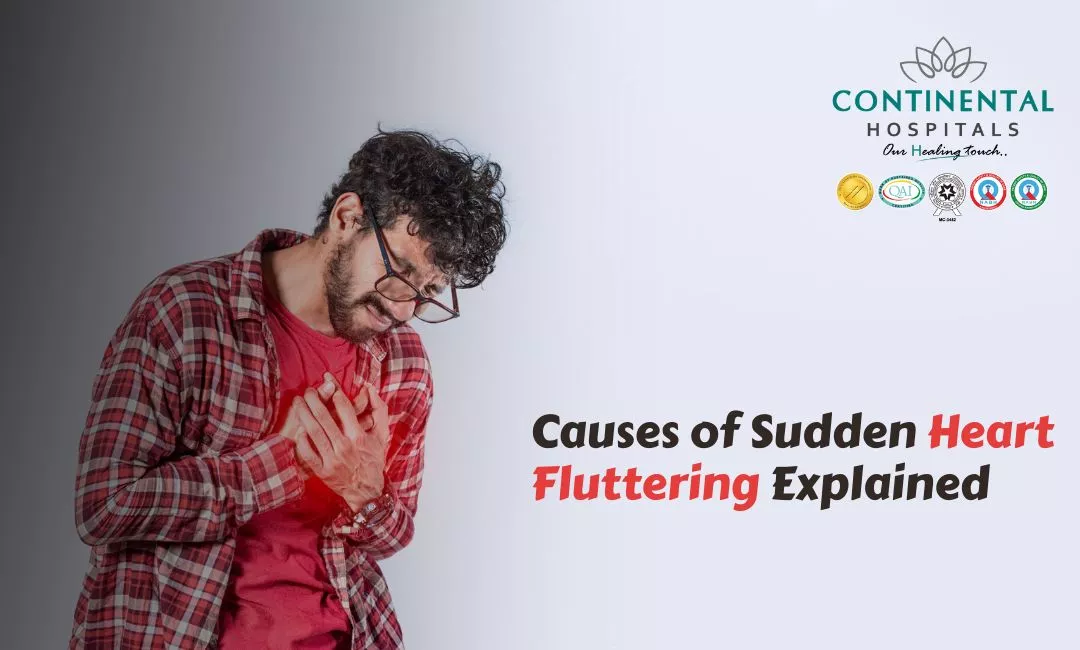
Sudden heart fluttering—often described as a sensation of your heart skipping a beat, pounding, or racing—can be an unsettling experience. For some, it feels like a fluttering in the chest, while others may describe it as a flip-flop or rapid pulse. This feeling may last just a few seconds or continue for minutes. While it can be harmless in some situations, heart fluttering can sometimes signal an underlying health issue that needs medical attention.

In this blog, we’ll break down what causes sudden heart fluttering, when to seek help, and how Continental Hospitals can support your heart health.

What Is Heart Fluttering?

Heart fluttering, medically known as palpitations, occurs when the heart beats irregularly, too quickly, or too strongly. This can be felt in your chest, throat, or neck. While occasional palpitations are common and usually not dangerous, frequent or intense fluttering may point to a more serious issue.
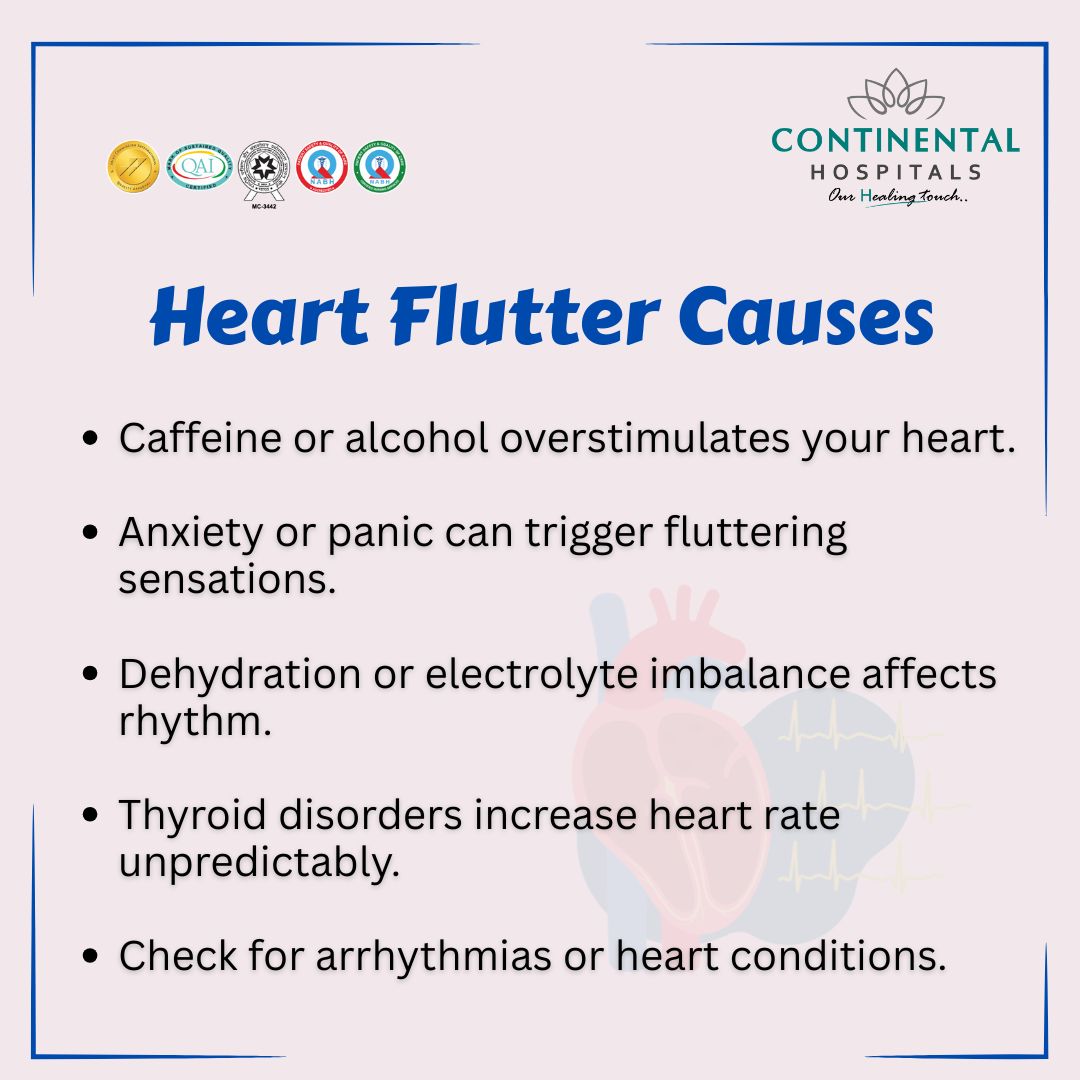
Don't ignore sudden heart flutters. Visit the Best Cardiology Doctors in Hyderabad at Continental Hospitals for expert heart evaluation and the right care from our experienced cardiac specialists.

What are the common causes of sudden heart fluttering?

1. Stress and Anxiety
Emotional stress or anxiety can trigger the release of stress hormones like adrenaline, which affects your heart’s rhythm. This is a common cause of palpitations, especially when paired with rapid breathing or panic symptoms.

2. Caffeine and Stimulants
Too much caffeine from coffee, energy drinks, or tea can overstimulate the heart. Similarly, over-the-counter medications such as decongestants or weight-loss pills may contain ingredients that increase heart rate and cause fluttering.

3. Electrolyte Imbalances
Electrolytes like magnesium, potassium, calcium, and sodium play a vital role in maintaining your heart's rhythm. Low magnesium levels, in particular, can disrupt electrical signals in the heart, leading to irregular heartbeats. Magnesium also supports mood stability and sleep quality, so a deficiency may worsen stress-related fluttering.

4. Hormonal Changes
Hormonal fluctuations during menstruation, pregnancy, or menopause can affect your heart rhythm. Many women report increased palpitations during these periods due to changes in estrogen levels.

Second Opinion

5. Exercise or Physical Strain
During or after intense physical activity, your heart rate increases naturally. In some people, this might lead to brief fluttering episodes. If you notice abnormal fluttering during rest or long after exercise, it’s worth evaluating further.

6. Heart-Related Conditions
Sudden heart fluttering may also be related to:

  • Arrhythmias (irregular heartbeats)
  • Atrial fibrillation
  • Heart valve disorders
  • Previous heart attacks
  • Congenital heart abnormalities

These conditions can interrupt normal electrical signals and require prompt diagnosis and treatment.

7. Thyroid Problems
An overactive thyroid (hyperthyroidism) speeds up the body’s metabolism, which includes your heart rate. This can cause your heart to flutter or race unexpectedly.

8. Dehydration
Even mild dehydration can affect the balance of electrolytes and put pressure on the cardiovascular system. This may lead to fluttering, especially when paired with fatigue or dizziness.

9. Alcohol and Smoking
Excessive alcohol intake or smoking can irritate the heart and nervous system, making palpitations more likely. Binge drinking, in particular, is a well-known cause of atrial fibrillation.

10. Medications
Some prescription medications, such as asthma inhalers, antidepressants, or thyroid treatments, may trigger palpitations as a side effect. Always check with your doctor before stopping or adjusting medication.

Need an Appointment?

What symptoms can occur along with heart fluttering?

Most palpitations are harmless, but you should seek immediate care if you also experience:

  • Chest pain or pressure
  • Shortness of breath
  • Dizziness or fainting
  • Weakness or fatigue
  • Rapid or irregular pulse lasting more than a few minutes

These could be signs of a more serious issue, such as a heart attack or arrhythmia.

How Is Heart Fluttering Diagnosed?

If you experience heart fluttering regularly, a doctor may recommend the following:

  • Electrocardiogram (ECG) to record your heart’s electrical activity
  • Holter monitor for continuous monitoring over 24–48 hours
  • Echocardiogram to visualize heart function
  • Blood tests to check thyroid function and electrolyte levels
  • Stress testing if fluttering occurs during physical activity

How to Reduce and Prevent Heart Fluttering?

While treatment depends on the cause, these lifestyle changes can help manage or prevent fluttering episodes:

  • Cut down on caffeine, alcohol, and tobacco
  • Practice stress-relieving techniques like deep breathing, yoga, or walking
  • Maintain healthy sleep patterns
  • Stay hydrated and eat a balanced diet
  • Ensure adequate magnesium intake through food or supplements (if advised by a doctor)
  • Avoid medications or supplements that trigger symptoms
  • Monitor thyroid and heart health regularly

Why Choose Continental Hospitals for Heart Care?

At Continental Hospitals, we combine advanced cardiac diagnostics with expert medical care to identify the root cause of your symptoms. Our team of cardiologists, endocrinologists, and internal medicine specialists collaborate to deliver personalized heart care.

Whether your symptoms are due to anxiety, hormonal changes, or an underlying heart condition, we provide comprehensive evaluation and management—all in one place. Our state-of-the-art facilities and compassionate approach make us a trusted choice for patients seeking heart health support.

From preventive screenings to emergency care and advanced treatment options, you’ll find everything you need to keep your heart in good hands.

Conclusion

Sudden heart fluttering can be alarming, but not every episode points to a serious problem. Still, persistent or severe palpitations should never be ignored. Understanding the common causes—ranging from stress to electrolyte imbalance—can help you manage symptoms and seek care when needed.

Feeling sudden heart flutters? Visit Continental Hospitals to consult our top cardiologists in Hyderabad for expert evaluation and care.

Related Blog Topics:

  1. Heart Attack vs Gas Trouble: How to Tell the Difference
  2. Is Chest Pain Always a Heart Problem?

Frequently Asked Questions

Sudden heart fluttering, also known as heart palpitations, can occur due to several reasons. Common causes include stress, anxiety, excessive caffeine intake, nicotine, alcohol, dehydration, lack of sleep, and intense physical activity. Certain medications, thyroid disorders, anemia, and electrolyte imbalances may also trigger palpitations. In some cases, heart fluttering is caused by an irregular heart rhythm known as an arrhythmia. While occasional episodes are often harmless, frequent, prolonged, or severe palpitations should not be ignored. They may indicate an underlying heart condition requiring medical evaluation. Keeping track of when symptoms occur and any associated triggers can help doctors determine the cause. Early diagnosis ensures appropriate treatment and reduces the risk of complications.
No, sudden heart fluttering is not always a sign of heart disease. Many healthy individuals experience occasional palpitations due to temporary factors such as stress, anxiety, caffeine, or lack of sleep. However, persistent or recurrent fluttering accompanied by chest pain, dizziness, fainting, or shortness of breath may indicate an underlying heart condition. Arrhythmias, valve disorders, or structural heart diseases can cause abnormal heart rhythms that require medical attention. A thorough evaluation, including an ECG and other diagnostic tests, helps determine whether the fluttering is harmless or related to heart disease. Consulting a cardiologist is recommended if symptoms become frequent or severe.
Yes, anxiety and emotional stress are among the most common causes of sudden heart fluttering. During periods of stress, the body releases hormones such as adrenaline that increase heart rate and make the heartbeat more noticeable. Panic attacks can also produce rapid or irregular heartbeats along with sweating, trembling, and shortness of breath. Although stress-related palpitations are usually temporary, chronic stress can negatively affect cardiovascular health over time. Managing stress through relaxation techniques, regular exercise, adequate sleep, and mindfulness may reduce episodes. If heart fluttering continues despite stress management or occurs without emotional triggers, medical evaluation is important to rule out other conditions.
You should seek medical attention if heart fluttering occurs frequently, lasts for several minutes, or is associated with symptoms such as chest pain, fainting, severe dizziness, difficulty breathing, or loss of consciousness. Individuals with a history of heart disease, high blood pressure, diabetes, or previous stroke should also consult a doctor promptly. A cardiologist may recommend tests such as an ECG, Holter monitor, echocardiogram, or blood tests to identify the cause. Early diagnosis can help detect arrhythmias or other heart conditions before complications develop. Timely treatment significantly improves outcomes and helps prevent serious cardiovascular events.
Yes, dehydration can contribute to sudden heart fluttering by reducing blood volume and disturbing the body's electrolyte balance. Electrolytes such as potassium, magnesium, calcium, and sodium play a vital role in maintaining normal heart rhythm. When these minerals become imbalanced, the heart may beat irregularly or feel like it is fluttering. Dehydration can occur due to excessive sweating, vomiting, diarrhea, fever, or inadequate fluid intake. Drinking enough water and replacing lost electrolytes can help prevent dehydration-related palpitations. However, persistent symptoms should be evaluated by a healthcare professional to rule out more serious causes.
Yes, consuming large amounts of caffeine or energy drinks can trigger heart fluttering in some people. Caffeine is a stimulant that increases heart rate and may cause palpitations, especially in individuals who are sensitive to it. Energy drinks often contain additional stimulants such as taurine and guarana, which may further increase the risk of irregular heartbeats. Excessive intake can also contribute to anxiety, elevated blood pressure, and sleep disturbances. Limiting caffeinated beverages and avoiding high-stimulant drinks may reduce symptoms. If fluttering continues despite reducing caffeine intake, medical assessment is recommended.
Doctors diagnose sudden heart fluttering by reviewing your medical history, symptoms, lifestyle habits, and family history of heart disease. A physical examination is followed by tests such as an electrocardiogram (ECG) to assess heart rhythm. If symptoms occur intermittently, a Holter monitor or event recorder may be used to capture abnormal rhythms over several days. Blood tests can identify thyroid disorders, anemia, or electrolyte imbalances. An echocardiogram evaluates the heart's structure and function. Additional stress testing or advanced cardiac imaging may be recommended when necessary. These investigations help determine the exact cause and guide appropriate treatment.
Preventing sudden heart fluttering often involves adopting heart-healthy lifestyle habits. Drink adequate water, maintain a balanced diet, limit caffeine and alcohol, avoid smoking, and get sufficient sleep every night. Managing stress through yoga, meditation, deep breathing exercises, and regular physical activity can significantly reduce palpitations. Individuals with underlying conditions such as high blood pressure, thyroid disease, or diabetes should keep them well controlled. Taking medications exactly as prescribed and attending regular health check-ups are also important. If fluttering becomes frequent or worsens despite lifestyle changes, consult a cardiologist for a comprehensive evaluation and personalized treatment plan.
Disclaimer: The information provided in this blog is intended for general knowledge and informational purposes only, and does not constitute medical advice. Always consult with a qualified healthcare professional for any medical concerns or before making any decisions about your health.

Get in Touch With Us

Whether you are from India or abroad, we are here to help you with your medical queries. Please fill out the form below and our team will connect with you shortly.

  • ✔ Quick response from our medical experts
  • ✔ Secure data handling & privacy
  • ✔ Easy upload for reports & documents
banner_image

Chat with our medical experts on WhatsApp for quick assistance and hassle-free appointment booking

Recent Posts