.webp)

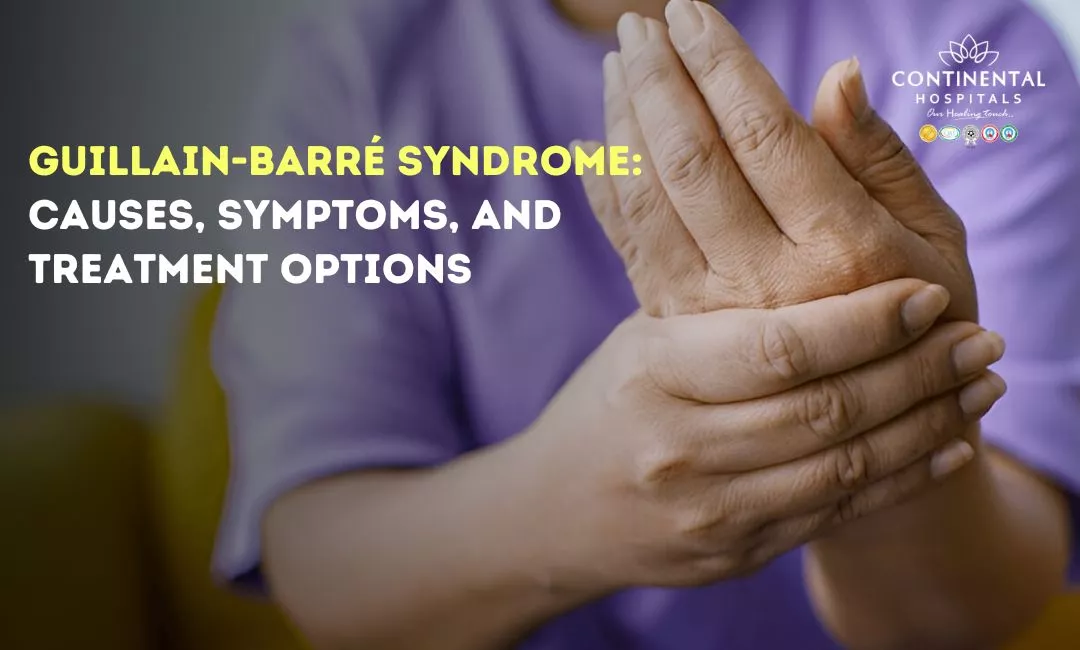
Imagine waking up one morning feeling a strange tingling sensation in your toes. At first, you think it’s nothing—maybe just fatigue or a minor muscle cramp. But over the next few days, the tingling spreads to your legs, arms, and even your face. Suddenly, simple tasks like walking or holding a cup become difficult. This could be Guillain-Barré Syndrome (GBS), a rare but serious condition that affects the nervous system. In this blog, we’ll explore what GBS is, its causes, symptoms, treatment options, and how Continental Hospitals can help you manage this challenging condition.
What Is Guillain-Barré Syndrome?
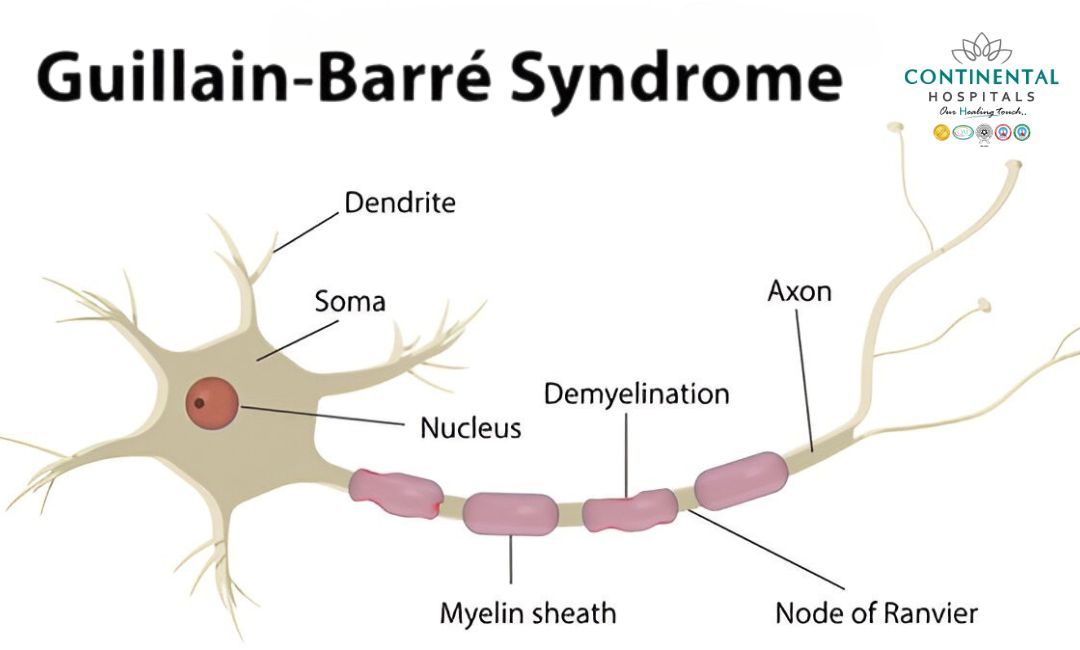
Guillain-Barré Syndrome is an autoimmune disorder where the body’s immune system mistakenly attacks the peripheral nervous system—the network of nerves outside the brain and spinal cord. These nerves are responsible for transmitting signals between your brain and the rest of your body. When they’re damaged, it disrupts communication, leading to muscle weakness and other complications.
GBS is relatively rare, affecting about 1 in 100,000 people worldwide each year. While anyone can develop GBS, it’s more common in adults and older individuals. The good news? With early diagnosis and proper care, most people recover fully, though recovery may take weeks, months, or even years.
Visit our best neuro doctor hyderabad for expert diagnosis and advanced treatment tailored to your needs. Take the first step toward better brain, spine, and nerve health by booking your appointment today.
What causes Guillain-Barré Syndrome?
The exact cause of GBS remains unknown, but researchers believe it often occurs after certain infections or triggers. Here are some potential causes:
Infections: Many cases of GBS follow viral or bacterial infections. Common culprits include:
- Respiratory infections (like the flu)
- Gastrointestinal infections (such as Campylobacter jejuni, a type of bacteria found in undercooked poultry)
- Viral illnesses like Zika virus, Epstein-Barr virus, or COVID-19
Vaccinations: In very rare cases, GBS has been linked to vaccinations. However, the risk is extremely low compared to the benefits of vaccines.
Surgery or Trauma: Some patients develop GBS after surgery or physical trauma, although this is less common.
Autoimmune Response: After an infection, the immune system sometimes gets confused and starts attacking healthy nerve cells instead of the invading germs. This “friendly fire” leads to inflammation and damage to the nerves.

While these factors increase the likelihood of developing GBS, not everyone who experiences them will get the syndrome. It’s still unclear why some people are affected while others aren’t.
What are the symptoms of Guillain-Barré syndrome?
GBS symptoms usually appear suddenly and worsen rapidly over hours, days, or weeks. Early signs might seem mild, but they can escalate quickly. Here’s what to watch out for:
Tingling Sensations: Most people notice unusual tingling or numbness in their fingers, toes, or face. This is often the first sign of GBS.
Muscle Weakness: As the condition progresses, muscles become weak and unresponsive. You might find it hard to walk, climb stairs, or lift objects.
Difficulty Moving: Severe cases can lead to paralysis, starting from the lower limbs and moving upward toward the upper body and face.
Pain: Some patients experience sharp or aching pain, especially in their back or legs.
Coordination Problems: Balance issues and difficulty coordinating movements are common.
Breathing Difficulties: In severe cases, GBS can affect the muscles used for breathing, making it life-threatening.
Heart Rate and Blood Pressure Fluctuations: Autonomic nerves, which control involuntary functions like heart rate and blood pressure, can also be affected.
If you or a loved one experiences any of these symptoms, seek medical attention immediately. Early intervention can make a significant difference in outcomes.
How Is Guillain-Barré Syndrome Diagnosed?
Diagnosing GBS requires a thorough evaluation by a healthcare professional. Since its symptoms mimic other neurological disorders, doctors use several methods to confirm the diagnosis:
Medical History and Physical Exam: Your doctor will ask about recent infections, surgeries, or other possible triggers. They’ll also check your reflexes, muscle strength, and coordination.
Lumbar Puncture (Spinal Tap): A small sample of cerebrospinal fluid is taken from the spine. High protein levels with normal cell counts are typical in GBS.
Electromyography (EMG): This test measures the electrical activity in your muscles and nerves to assess nerve damage.
Nerve Conduction Studies: These tests evaluate how well your nerves transmit signals.
At Continental Hospitals, our team of neurologists uses state-of-the-art diagnostic tools to ensure accurate and timely diagnoses. Early detection is key to managing GBS effectively.
What are the treatment options for Guillain-Barré Syndrome?
While there’s no cure for GBS, treatments aim to reduce symptoms, speed up recovery, and prevent complications. Here’s what you need to know:
1. Plasma Exchange (Plasmapheresis)
This procedure removes harmful antibodies from the blood that attack the nerves. During plasmapheresis, blood is drawn, filtered to remove plasma (the liquid part containing antibodies), and returned to the body.
2. Intravenous Immunoglobulin (IVIG) Therapy
IVIG involves infusing high doses of immunoglobulins (antibodies) into the bloodstream. These healthy antibodies block the damaging ones, reducing inflammation and speeding up recovery.
3. Supportive Care
Managing symptoms and preventing complications are crucial during treatment. Depending on the severity of GBS, supportive care may include:
- Breathing assistance using a ventilator if respiratory muscles are affected.
- Pain management through medications.
- Physical therapy to maintain mobility and prevent muscle stiffness.
- Nutritional support if swallowing becomes difficult.
4. Rehabilitation
Recovery from GBS can be slow, but rehabilitation plays a vital role. Physical therapists, occupational therapists, and speech therapists work together to help patients regain strength, coordination, and independence.
At Continental Hospitals, we offer comprehensive rehabilitation programs tailored to each patient’s needs. Our multidisciplinary approach ensures you receive personalized care throughout your journey to recovery.
How Do You Live with Guillain-Barré Syndrome?
Recovering from GBS takes time, patience, and resilience. While many people regain full function, some may have lingering effects such as fatigue, muscle weakness, or balance issues. Emotional support is equally important—dealing with a chronic illness can be overwhelming. Counselling, support groups, and connecting with others who’ve experienced GBS can provide comfort and encouragement.
Conclusion
Guillain-Barré Syndrome is a complex and unpredictable condition, but understanding its causes, recognizing its symptoms, and seeking prompt treatment can significantly improve outcomes. If you suspect you or someone you know may have GBS, don’t delay—reach out to a trusted healthcare provider immediately.
Are you experiencing symptoms of Guillain-Barré Syndrome or concerned about your health? Don’t wait—contact Continental Hospitals today! Our Best Neurologist in Hyderabad are here to guide you every step of the way. Schedule an appointment now and take the first step toward healing and recovery.