post-title

How does Calcium Deficiency affect Bone Health?

Written by - Editorial Team
Medically Reviewed by - Dr Uday Prakash Reddy

Calcium is a crucial mineral for maintaining strong and healthy bones. It plays a fundamental role in various bodily functions, but its primary function lies in providing structural support to bones and teeth. When the body lacks an adequate amount of calcium, it can lead to various health issues, particularly affecting bone health. Let's delve deeper into the impact of calcium deficiency on bone health and understand its implications.

Why is calcium important for bones?

Bone Structure and Strength: Calcium is a key component of bone tissue. It contributes to the structural integrity and density of bones, making them strong and less prone to fractures and breaks.

Bone Development: During childhood, adolescence, and early adulthood, the body builds bone mass, and calcium is essential during these stages for proper bone development. Adequate calcium intake during youth can help maximize bone density and reduce the risk of osteoporosis later in life.

Bone Maintenance and Repair: Throughout life, bones undergo a continuous process of remodeling, where old bone is replaced by new bone tissue. Calcium is required for this remodeling process, helping in the repair of micro-damage and maintaining bone health.

Muscle Function: Calcium also plays a role in muscle contraction, including the muscles that surround and support the bones. Proper muscle function is necessary to support and protect the skeletal system.

Nerve Transmission: Calcium ions are involved in nerve impulse transmission, allowing for communication between the brain and various parts of the body. This includes signals related to bone health and maintenance.
How does Calcium Deficiency affect Bone Health?

If you are experiencing persistent joint pain, stiffness, or any of the symptoms mentioned above, it's important to consult an Orthopedic Doctor.

What are the effects of calcium deficiency on bone health?

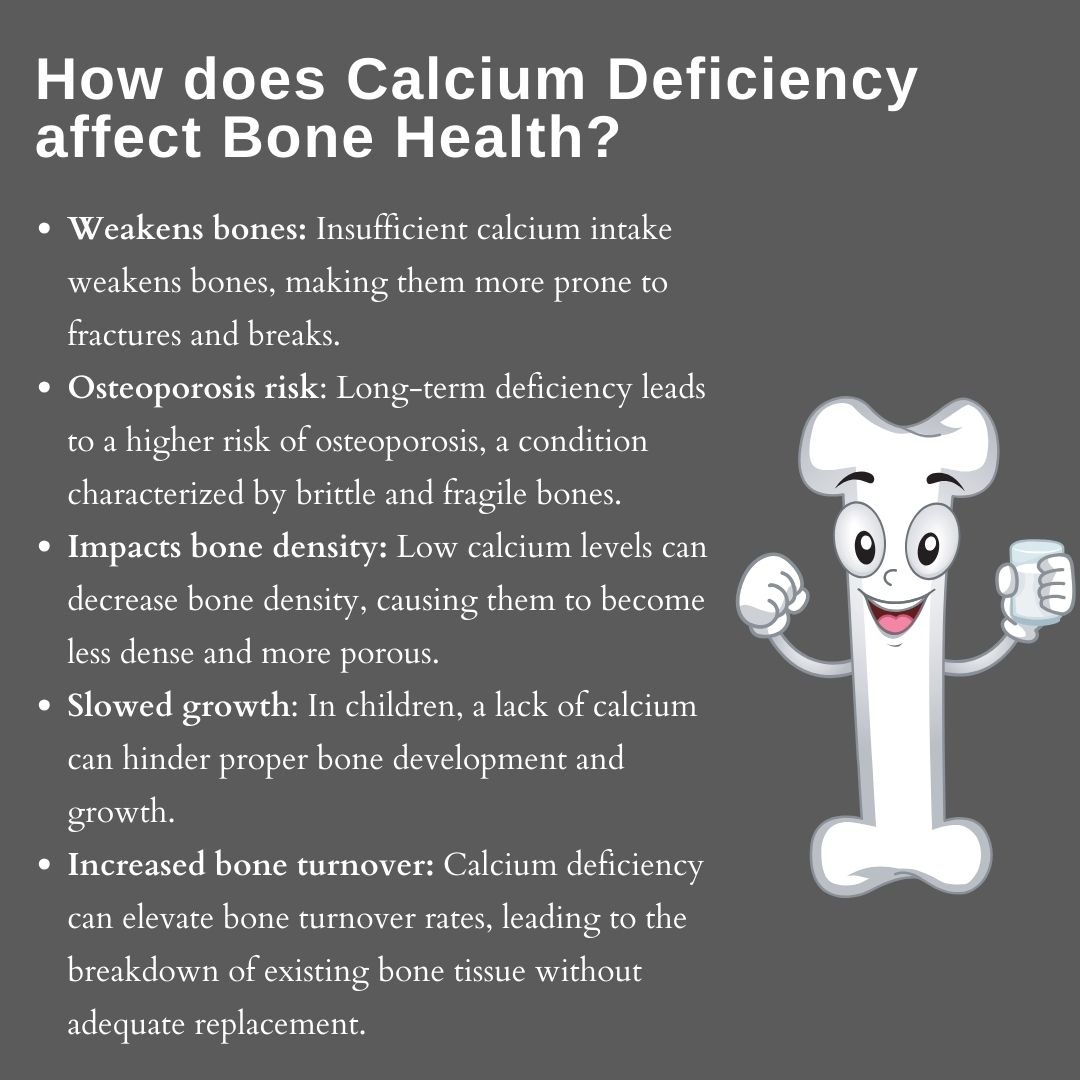
Osteoporosis: Calcium deficiency is one of the primary causes of osteoporosis, a condition characterized by weak and brittle bones. When the body lacks calcium, it can't maintain normal bone density, leading to an increased risk of fractures and bone breakage.

Second Opinion

Bone Loss: Inadequate calcium intake can result in the body pulling calcium from the bones to meet its other essential functions. This can gradually weaken bones over time, making them more susceptible to fractures.

Stunted Growth in Children: Calcium is vital for the growth and development of bones in children. A deficiency during childhood and adolescence can impair bone development, potentially leading to shorter stature and increased susceptibility to fractures.

Osteopenia: This is a condition where bone mineral density is lower than normal but not low enough to be classified as osteoporosis. It can be a precursor to osteoporosis and may increase the risk of fractures.

Increased Risk of Dental Problems: Calcium is essential for maintaining strong teeth. A deficiency can contribute to dental issues such as weakened tooth enamel, increased cavities, and gum disease.

Muscle Function Impairment: Calcium plays a role in muscle contraction, and a deficiency can lead to muscle cramps, spasms, and weakness

How to prevent calcium deficiency?

Balanced Diet: Consume a diet rich in calcium-containing foods such as dairy products (milk, cheese, yogurt), leafy green vegetables (kale, spinach, broccoli), nuts (almonds), seeds (chia, sesame), and fish (sardines, salmon).

Calcium Supplements: If your diet lacks sufficient calcium, consider supplements. Consult with a healthcare professional to determine the right dosage as excessive calcium intake can have adverse effects.

Need an Appointment?

Vitamin D Intake: Vitamin D helps the body absorb calcium. Spend time outdoors to get sunlight exposure and include vitamin D-rich foods like fortified cereals, fatty fish, and egg yolks in your diet.

Limit Caffeine and Soda: High consumption of caffeine and carbonated beverages can interfere with calcium absorption. Moderation is key.

Regular Exercise: Weight-bearing exercises (walking, jogging, dancing, etc.) and resistance training can help strengthen bones and maintain bone density.

What is the best treatment for calcium deficiency and weak bones?

Calcium Supplementation: In cases of diagnosed calcium deficiency, doctors might recommend calcium supplements to fulfill the body's requirements. These supplements could be in the form of calcium carbonate or calcium citrate.

Vitamin D Supplements: Alongside calcium, vitamin D supplementation may be advised to enhance calcium absorption.

Adjusting Diet: Work with a nutritionist or healthcare provider to ensure your diet includes sufficient calcium-rich foods to meet your body's needs.

Medication: In severe cases, doctors may prescribe medications to treat underlying conditions causing calcium deficiency or to prevent bone loss, such as bisphosphonates or hormone-related therapies.

Regular Monitoring: Regular check-ups and bone density scans can help monitor progress and adjust treatments as needed.

What are the best calcium-rich foods to improve bone health?

Dairy Products: Milk, cheese, and yogurt are excellent sources of calcium.
Leafy Greens: Spinach, kale, collard greens, and broccoli are high in calcium.
Soy Products: Tofu, tempeh, and fortified soy milk often contain added calcium.
Nuts and Seeds: Almonds, chia seeds, and sesame seeds are calcium-rich.
Fortified Foods: Some cereals, bread, and fruit juices are fortified with calcium.
Beans and Lentils: Certain legumes like chickpeas and lentils contain calcium.

Calcium deficiency significantly impacts bone health, leading to weakened bones, increased fracture risk, and potential long-term skeletal issues. Prioritizing a balanced diet rich in calcium and engaging in regular physical activity are crucial steps in maintaining optimal bone health throughout life. By understanding the importance of calcium and taking proactive measures, individuals can significantly reduce the risk of bone-related complications associated with calcium deficiency.

If you are experiencing persistent joint pain, stiffness, or any of the symptoms mentioned above, it's important to consult an Orthopedic Doctor.

Related Blog Articles:

1. Chronic Joint Pain and Cartilage Regeneration

Frequently Asked Questions

Calcium is the primary mineral that gives bones their strength and structure. When your body does not get enough calcium, it begins taking calcium from your bones to maintain essential functions such as muscle movement, nerve signaling, and heart function. Over time, this weakens the bones and reduces their density. Bones become more fragile and are more likely to crack or break from minor injuries. Calcium deficiency also slows normal bone repair and remodeling. Children may experience poor bone growth, while adults face gradual bone loss. Long term calcium deficiency increases the risk of osteopenia and osteoporosis. Maintaining adequate calcium intake through diet and supplements, when recommended by a doctor, is essential for preserving strong and healthy bones throughout life.
Calcium deficiency often develops gradually, and symptoms may not appear until levels become significantly low. Common signs include muscle cramps, frequent muscle aches, numbness or tingling in the fingers and toes, fatigue, weakness, brittle nails, and dry skin. Some people experience frequent bone pain or joint discomfort. Severe deficiency may cause muscle spasms, irregular heartbeat, confusion, or seizures in rare cases. Because these symptoms can also occur with other health conditions, proper medical evaluation is important. Blood tests and additional investigations help identify the underlying cause. Early diagnosis and treatment can prevent complications affecting bones and overall health.
Yes, long term calcium deficiency is one of the major risk factors for osteoporosis. When dietary calcium is insufficient, the body removes calcium from bones to maintain normal blood calcium levels. This gradual loss reduces bone mineral density and weakens the internal bone structure. As bones become thinner and more porous, the risk of fractures increases significantly. Osteoporosis often develops silently without symptoms until a fracture occurs. Older adults, especially postmenopausal women, are at greater risk. Adequate calcium intake, sufficient vitamin D, regular weight bearing exercise, and healthy lifestyle habits play an important role in preventing osteoporosis and maintaining lifelong bone strength.
Many everyday foods are excellent sources of calcium. Dairy products such as milk, yogurt, and cheese provide high amounts of easily absorbed calcium. Green leafy vegetables including spinach, kale, and broccoli also contribute to calcium intake. Fortified cereals, plant based milk, tofu made with calcium, almonds, sesame seeds, and ragi are beneficial choices. Fish with edible bones, such as sardines, are another rich source. Including a variety of calcium rich foods in your daily meals supports healthy bone development and maintenance. A balanced diet combined with adequate vitamin D helps the body absorb calcium more effectively and promotes stronger bones.
Several groups have a higher risk of calcium deficiency. Older adults often absorb less calcium as they age. Postmenopausal women experience increased bone loss due to hormonal changes. Children and teenagers need higher calcium intake during periods of rapid growth. Pregnant and breastfeeding women also have increased calcium requirements. People with lactose intolerance, strict vegan diets, digestive disorders, kidney disease, or vitamin D deficiency may not absorb enough calcium. Certain medications can also interfere with calcium absorption. Regular health checkups and appropriate dietary planning help reduce the risk of calcium deficiency and related bone problems.
Doctors diagnose calcium deficiency by reviewing symptoms, medical history, dietary habits, and performing a physical examination. Blood tests measure calcium levels and may also assess vitamin D, phosphorus, magnesium, and parathyroid hormone levels. In some cases, kidney function tests are recommended to identify contributing factors. If bone loss is suspected, a bone mineral density scan may be advised to evaluate bone strength. Additional investigations depend on the patient's age, symptoms, and overall health. Early diagnosis allows timely treatment, reducing the risk of fractures and long term complications while improving bone health and overall wellbeing.
Yes, calcium deficiency can usually be corrected with appropriate treatment. Increasing calcium rich foods in the diet is the first step for many people. Doctors may recommend calcium supplements along with vitamin D to improve calcium absorption when dietary intake is insufficient. Treatment also focuses on managing underlying conditions that reduce calcium absorption or increase calcium loss. Regular exercise, especially weight bearing activities, supports stronger bones. Follow up blood tests may be required to monitor calcium levels and treatment response. Early intervention helps restore healthy calcium levels, reduce symptoms, and prevent long term bone damage.
You should consult a doctor if you experience persistent muscle cramps, bone pain, frequent fractures, numbness, tingling sensations, unexplained fatigue, or muscle weakness. Individuals with osteoporosis, kidney disease, digestive disorders, or vitamin D deficiency should also seek medical advice if they suspect calcium deficiency. Children with delayed growth or bone development should be evaluated promptly. Early medical assessment helps identify the exact cause and ensures appropriate treatment. Timely management can prevent serious complications, improve bone strength, and support overall health. Regular checkups are especially important for people at higher risk of calcium deficiency.
Disclaimer: The information provided in this blog is intended for general knowledge and informational purposes only, and does not constitute medical advice. Always consult with a qualified healthcare professional for any medical concerns or before making any decisions about your health.

Get in Touch With Us

Whether you are from India or abroad, we are here to help you with your medical queries. Please fill out the form below and our team will connect with you shortly.

  • ✔ Quick response from our medical experts
  • ✔ Secure data handling & privacy
  • ✔ Easy upload for reports & documents
banner_image

Chat with our medical experts on WhatsApp for quick assistance and hassle-free appointment booking

Recent Posts