post-title

Importance of Hydration for Brain Function

Written by - Editorial Team
Medically Reviewed by - Dr M K Singh

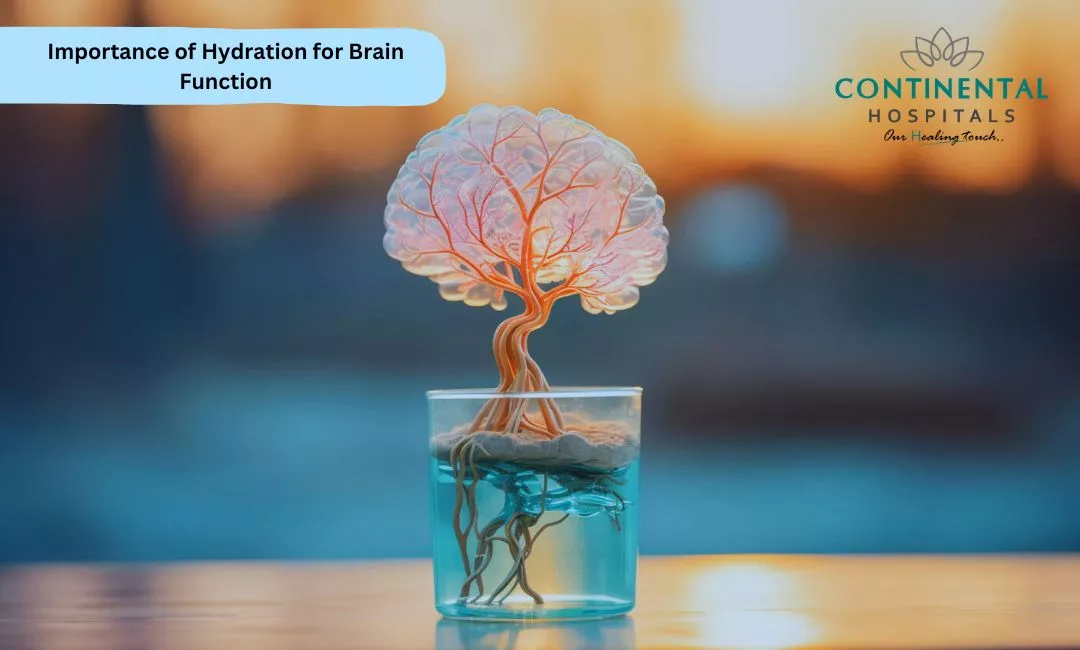
Hydration is often associated with physical performance and general well-being, but its impact on brain function is equally significant. The human brain, composed of about 75% water, relies heavily on adequate hydration to maintain cognitive performance, mood, and overall neurological health. In this blog, we'll explore the various ways hydration affects the brain, the consequences of dehydration, and practical tips to maintain optimal hydration for cognitive health.

Water makes up about 73% of our brain weight, making it the single most abundant component. This isn't a coincidence. Every single function your brain performs relies on proper hydration. So, when you're dehydrated, even mildly, your cognitive performance takes a hit.

Why does the brain depend on water?

The brain is a highly active organ, requiring a constant supply of oxygen and nutrients, many of which are delivered through water. Water facilitates the delivery of these essential elements, supporting the brain's ability to process information, maintain attention, and regulate mood. Here’s how:

Neurotransmitter Function and Synaptic Plasticity

Neurotransmitters, the brain's chemical messengers, depend on water for their production and function. Adequate hydration ensures that neurotransmitter levels are balanced, which is crucial for maintaining mood stability, focus, and cognitive clarity. Moreover, water plays a role in synaptic plasticity—the brain's ability to adapt and form new neural connections, which is fundamental for learning and memory.

Energy Production and Waste Removal

The brain's high metabolic rate generates significant amounts of waste, which need to be efficiently removed to prevent cognitive decline and neurodegenerative diseases. Water is essential for the cerebrospinal fluid that bathes the brain and spinal cord, aiding in the removal of metabolic waste products. Additionally, water is crucial for the production of energy within brain cells, ensuring they function optimally.

If you're experiencing frequent headaches, confusion, poor concentration, or other neurological symptoms, don't wait. Visit our best neuro doctor hyderabad for advanced diagnosis and comprehensive brain and nerve care.

What are the consequences of dehydration?

Dehydration, even at mild levels, can significantly impair brain function. The consequences of inadequate hydration are wide-ranging, affecting both short-term cognitive abilities and long-term brain health.

Second Opinion

Cognitive Impairments

Mild dehydration (1-3% loss of body weight) can lead to noticeable cognitive impairments. Studies have shown that dehydration affects concentration, alertness, and short-term memory. Tasks that require sustained attention, complex problem-solving, and coordination are particularly susceptible to the effects of dehydration.

Mood and Mental Health

Dehydration is linked to negative mood states such as increased feelings of anxiety, tension, and fatigue. This occurs because water is essential for maintaining the balance of neurotransmitters and hormones that regulate mood. Chronic dehydration can contribute to long-term mental health issues, exacerbating conditions like anxiety and depression.

Long-Term Brain Health

Prolonged periods of dehydration can have detrimental effects on long-term brain health. Chronic dehydration may contribute to the development of neurodegenerative diseases such as Alzheimer's and Parkinson's. This is partly due to the accumulation of metabolic waste products in the brain, which water helps to remove.

How does hydration affect brain function?

Different aspects of cognitive function are influenced by hydration levels. Understanding these can highlight the importance of staying well-hydrated for optimal mental performance.

Need an Appointment?

Memory

Water intake has a direct impact on both short-term and long-term memory. Dehydration can lead to difficulties in recalling information and performing memory-based tasks. Staying hydrated helps maintain the brain's structural integrity and supports the neural processes involved in memory formation and retrieval.

Attention and Concentration

Sustained attention and concentration require significant mental effort and are among the first cognitive functions to decline with dehydration. Proper hydration keeps the brain's electrical activity stable, supporting focus and reducing the likelihood of mental fatigue.

Executive Function

Executive functions, such as problem-solving, planning, and decision-making, are highly sensitive to hydration levels. These higher-order cognitive processes require efficient communication between different brain regions, which water helps facilitate by maintaining cellular health and supporting neurotransmission.

What Are the Best Tips for Staying Properly Hydrated?

Maintaining proper hydration is crucial for brain function, and integrating simple habits into your daily routine can help ensure you stay hydrated.

Drink Adequate Water Daily

The amount of water needed can vary based on factors such as age, gender, activity level, and climate. A general guideline is to aim for about 8 cups (2 liters) of water per day, but individual needs may vary. Listening to your body’s signals, such as thirst, and adjusting your intake accordingly is essential.

Eat Water-Rich Foods

Incorporate foods with high water content into your diet, such as fruits and vegetables. Cucumbers, watermelons, oranges, and strawberries are excellent choices that contribute to your overall hydration levels while providing essential vitamins and minerals.

Monitor Hydration Status

Pay attention to signs of dehydration, such as dark-colored urine, dry mouth, and fatigue. Using a hydration tracker or mobile app can also help you stay on top of your water intake throughout the day.

Adjust for Activity Level and Climate

Increased physical activity and hot weather can lead to higher water loss through sweat. Ensure you drink more water during and after exercise, and be mindful of your hydration needs during hot and humid conditions.

Conclusion

Hydration is a cornerstone of optimal brain function, influencing everything from cognitive performance and mood to long-term neurological health. By understanding the critical role water plays in the brain, you can make informed choices to support your mental well-being. Prioritize hydration by drinking adequate water, eating water-rich foods, and being mindful of your body’s needs to ensure your brain functions at its best. Consult our best neurologist in gachibowli

Related Blog Articles:

  1. Impact of Omega-3 Fatty Acids on Brain Function
  2. Superfoods for the Brain: Boosting Cognitive Health Naturally


Frequently Asked Questions

Hydration is essential for maintaining healthy brain function because the brain is composed of nearly 75% water. Adequate fluid intake helps transport oxygen and nutrients to brain cells while removing metabolic waste. Even mild dehydration can reduce concentration, memory, attention span, and mental alertness. Water supports neurotransmitter production and efficient communication between brain cells. Proper hydration also maintains blood flow to the brain, ensuring a steady supply of oxygen and glucose. When fluid levels drop, the brain has to work harder to perform routine tasks, leading to fatigue and slower thinking. Staying hydrated also helps regulate mood, reduces irritability, and supports better decision-making. Regular water intake throughout the day contributes to optimal cognitive performance, learning, productivity, and overall brain health.
Dehydration can significantly affect memory, concentration, and mental performance. Even losing as little as 1–2% of body water may impair attention, short-term memory, and problem-solving abilities. Reduced hydration decreases blood flow to the brain, limiting oxygen and nutrient delivery. This can make it harder to focus on tasks, retain new information, or recall memories. People experiencing dehydration often report mental fatigue, slower reaction times, and increased distractions. Students, professionals, and older adults may notice reduced productivity and learning capacity when they do not drink enough fluids. Consistent hydration supports sharper thinking, better focus, and improved cognitive function throughout the day.
Yes, maintaining proper hydration can positively influence mood and emotional well-being. Dehydration has been associated with increased irritability, anxiety, fatigue, and reduced motivation. Water helps regulate the balance of essential electrolytes that support healthy nerve function and brain signaling. When hydration levels are adequate, the brain functions more efficiently, promoting emotional stability and better stress management. Drinking sufficient water throughout the day may help reduce headaches, improve energy levels, and support overall mental clarity. While hydration alone cannot treat mental health conditions, it is an important lifestyle factor that contributes to better emotional health and cognitive performance.
Daily water requirements vary depending on age, activity level, climate, and overall health. Most healthy adults benefit from drinking enough fluids to maintain pale yellow urine and avoid thirst. Water needs increase during exercise, hot weather, illness, pregnancy, and breastfeeding. Hydrating consistently throughout the day is more effective than drinking large amounts at once. Water-rich foods such as fruits and vegetables also contribute to daily fluid intake. Individuals with kidney disease, heart failure, or other medical conditions should follow their doctor's recommendations regarding fluid consumption. Developing healthy hydration habits supports long-term brain function and overall wellness.
Early signs of dehydration affecting brain function include difficulty concentrating, forgetfulness, headaches, dizziness, fatigue, and reduced alertness. Some individuals may experience mood changes such as irritability or increased stress. As dehydration progresses, reaction time slows, decision-making becomes more difficult, and mental clarity declines. Severe dehydration can lead to confusion, disorientation, and even loss of consciousness, requiring immediate medical attention. Recognizing these symptoms early and drinking adequate fluids can help restore normal brain function. Regular hydration is particularly important for children, older adults, athletes, and individuals exposed to hot environments.
Plain water is the best choice for maintaining healthy brain hydration. Other beneficial options include coconut water, milk, herbal teas, and naturally flavored water without added sugar. Water-rich fruits and vegetables such as watermelon, oranges, cucumbers, and tomatoes also contribute to hydration. While coffee and tea can count toward fluid intake when consumed in moderation, excessive caffeine may increase fluid loss in some individuals. Sugary soft drinks and energy drinks should be limited due to their high sugar content. Choosing healthy hydration options consistently supports better brain performance, energy, and cognitive health.
Certain groups are more vulnerable to dehydration and its effects on brain function. Older adults may have a reduced sense of thirst, increasing their risk of inadequate fluid intake. Children lose fluids more quickly and may not recognize thirst early. Athletes, outdoor workers, and people living in hot climates require additional hydration because of increased sweating. Individuals with fever, vomiting, diarrhea, diabetes, or those taking certain medications may also become dehydrated more easily. Recognizing these higher-risk situations and maintaining adequate fluid intake can help protect cognitive performance and reduce health complications.
Maintaining daily hydration starts with drinking water regularly rather than waiting until you feel thirsty. Carrying a reusable water bottle can help build consistent hydration habits. Include water-rich foods such as fruits, vegetables, soups, and yogurt in your meals. Increase fluid intake during exercise, hot weather, travel, or illness to replace lost fluids. Limit excessive alcohol and sugary beverages that may contribute to dehydration. Monitoring urine color can provide a simple indication of hydration status, with pale yellow generally suggesting adequate hydration. Consistent hydration supports better concentration, memory, mood, energy levels, and long-term brain health.
Disclaimer: The information provided in this blog is intended for general knowledge and informational purposes only, and does not constitute medical advice. Always consult with a qualified healthcare professional for any medical concerns or before making any decisions about your health.

Get in Touch With Us

Whether you are from India or abroad, we are here to help you with your medical queries. Please fill out the form below and our team will connect with you shortly.

  • ✔ Quick response from our medical experts
  • ✔ Secure data handling & privacy
  • ✔ Easy upload for reports & documents
banner_image

Chat with our medical experts on WhatsApp for quick assistance and hassle-free appointment booking

Recent Posts