.webp)

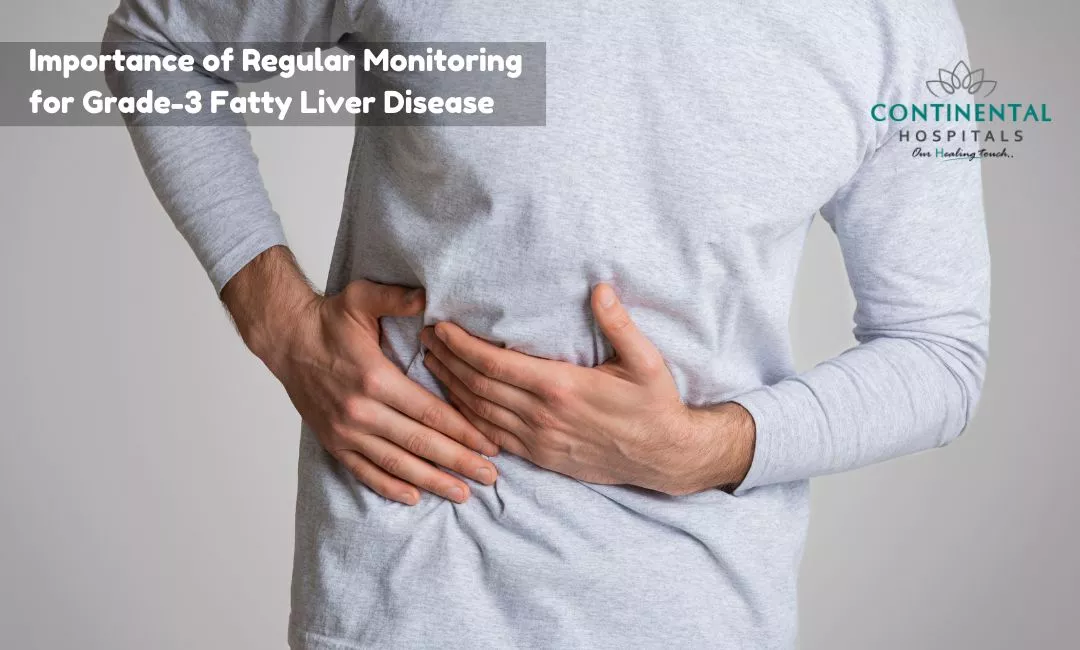
Fatty liver disease, particularly in its advanced stages, is a serious health condition that requires careful management. Grade-3 fatty liver disease, also known as severe steatosis, occurs when a significant amount of fat accumulates in the liver, leading to inflammation, liver damage, and potentially, liver failure. The progression of this disease can be silent, making regular monitoring essential to catch any worsening of the condition early. In this blog, we'll explore why regular monitoring is crucial for those with Grade-3 fatty liver disease and how it can make a significant difference in outcomes.
What Is Grade-3 Fatty Liver Disease?
Fatty liver disease is commonly associated with obesity, diabetes, high cholesterol, and excessive alcohol consumption. Grade-3 fatty liver disease represents the most severe form of non-alcoholic fatty liver disease (NAFLD) or alcoholic fatty liver disease (AFLD), where the liver is significantly swollen with fat. This stage of the disease is characterized by:
- Extensive Fat Accumulation: Over 66% of the liver is infiltrated by fat.
- Inflammation: The liver tissue becomes inflamed, leading to liver cell damage.
- Fibrosis or Scarring: Repeated inflammation can result in fibrosis, a condition where scar tissue replaces healthy liver tissue, potentially progressing to cirrhosis.
The silent nature of fatty liver disease means that many individuals are unaware they have the condition until it has progressed to a severe stage. Therefore, regular monitoring is key to managing the disease effectively.
Take the first step toward better digestive health. Visit our gastroenterology specialists in Hyderabad at Continental Hospitals for expert diagnosis, advanced treatment, and personalized care.
Why is regular monitoring important for Grade-3 Fatty Liver Disease?
Regular monitoring of Grade-3 fatty liver disease involves periodic check-ups, blood tests, imaging studies, and sometimes liver biopsies. These steps are essential for several reasons:
Early Detection of Disease Progression: Fatty liver disease can progress silently from steatosis to more severe stages like fibrosis and cirrhosis. Regular monitoring allows for the early detection of these changes, enabling timely intervention to prevent further liver damage.
Monitoring Treatment Efficacy: For those already undergoing treatment, regular monitoring helps assess how well the treatment is working. Adjustments to medication, diet, or lifestyle can be made based on the results of these monitoring tests.
Preventing Complications: Grade-3 fatty liver disease can lead to serious complications, including liver cirrhosis, liver cancer, and liver failure. Regular monitoring helps identify risk factors and early signs of complications, allowing for prompt treatment and management.

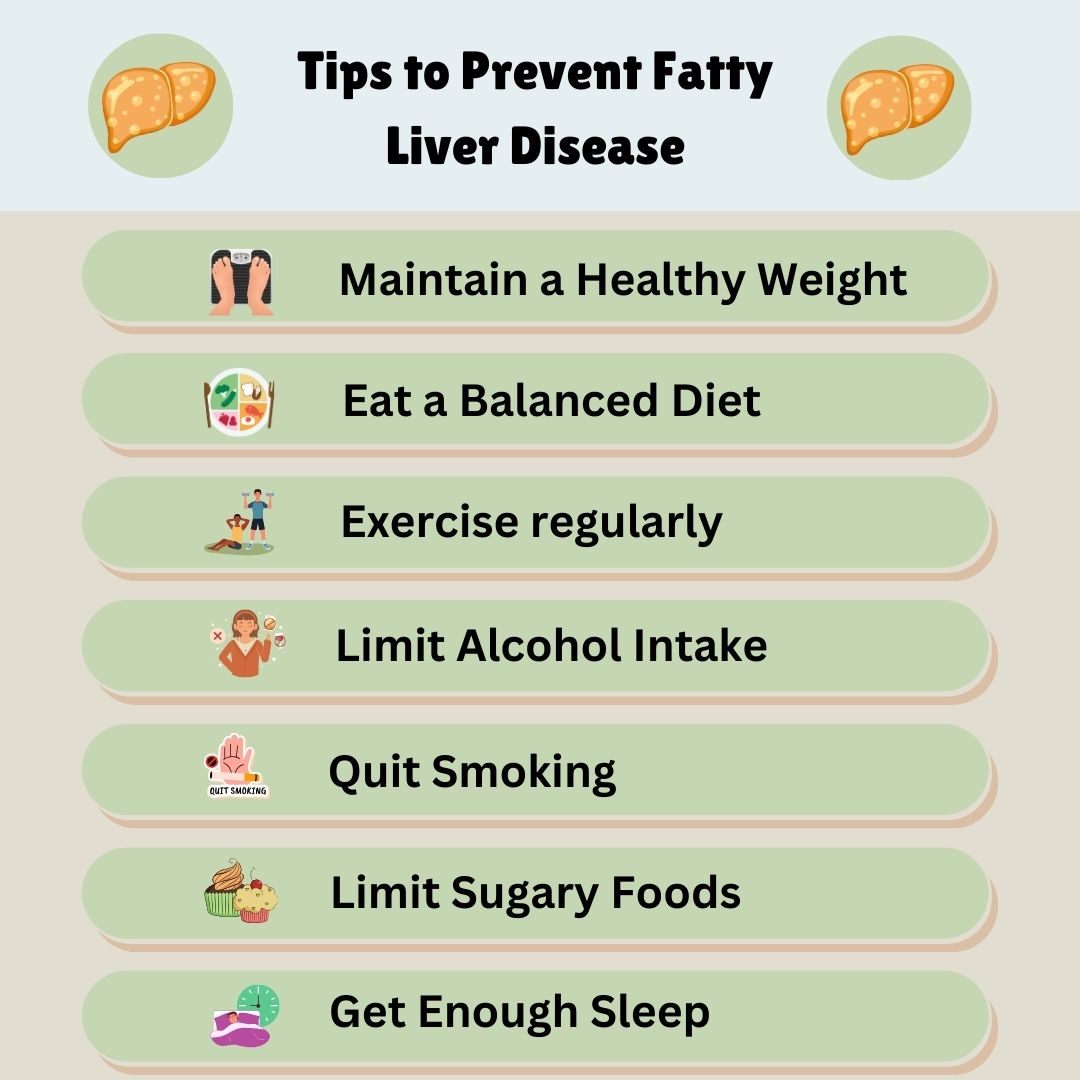
Guiding Lifestyle Modifications: Lifestyle changes are a cornerstone of managing fatty liver disease. Regular monitoring provides feedback on how well these changes are working, motivating patients to maintain or intensify their efforts.
Mental and Emotional Health: Living with a chronic condition like Grade-3 fatty liver disease can be mentally and emotionally taxing. Regular monitoring reassures patients that their condition is being managed, reducing anxiety and stress.
What Does Regular Monitoring for Grade-3 Fatty Liver Disease Involve?
Monitoring Grade-3 fatty liver disease typically includes a combination of the following:
Blood Tests: Liver function tests (LFTs) are used to assess the liver's ability to perform its vital functions. Elevated liver enzymes (ALT, AST) may indicate inflammation or liver damage.
Imaging Studies: Ultrasound, CT scans, or MRI can help visualize the extent of fat accumulation and identify any structural changes in the liver, such as fibrosis.
Liver Biopsy: In some cases, a liver biopsy may be recommended to assess the severity of liver damage and to guide treatment decisions. This involves taking a small sample of liver tissue for examination under a microscope.
Fibroscan: This non-invasive test measures liver stiffness, which can indicate the degree of fibrosis or scarring in the liver.
Regular Check-Ups: Routine visits to a hepatologist or gastroenterologist are crucial for monitoring the overall health of the liver and making necessary adjustments to the treatment plan.
How Often Should Monitoring Occur?
The frequency of monitoring depends on the severity of the disease and the individual’s overall health. For Grade-3 fatty liver disease, more frequent monitoring is generally recommended, often every 3 to 6 months. Your healthcare provider will determine the best schedule based on your specific needs and response to treatment.
hy is regular monitoring important for Grade-3 Fatty Liver Disease?
Regular monitoring of Grade-3 fatty liver disease has a profound impact on patient outcomes. Early detection of disease progression or complications allows for timely interventions, which can slow or even halt the progression of liver damage. It also empowers patients to take control of their health by providing them with the information needed to make informed decisions about their treatment and lifestyle.
Moreover, regular monitoring can prevent the need for more invasive treatments, such as liver transplantation, by catching problems early and managing them effectively. It also contributes to a better quality of life by reducing the anxiety and uncertainty that often accompany chronic diseases.
How is Grade-3 Fatty Liver Disease treated at Continental Hospitals?
Continental Hospitals offers comprehensive treatment options for Grade-3 fatty liver disease. The hospital’s multidisciplinary approach ensures that patients receive personalized care tailored to their specific needs. Here are some of the treatment options available:
Medication Management: Doctors may prescribe medications to manage inflammation, improve liver function, and address related health conditions like diabetes or hypertension.
Nutritional Counseling: Experts provide dietary guidance to help patients make healthy food choices and achieve weight management goals.
Lifestyle Counseling: Support for making sustainable lifestyle changes, including exercise plans and behavior modifications.
Advanced Diagnostics: Access to the latest imaging technologies and diagnostic tools to monitor liver health accurately.
Specialist Consultations: Access to experienced hepatologists and other specialists for comprehensive care.
Conclusion
Regular monitoring is a vital component in the management of Grade-3 fatty liver disease. It allows for early detection of disease progression, helps in evaluating treatment efficacy, and prevents complications that could lead to severe liver damage. By committing to regular check-ups and following the guidance of healthcare professionals, individuals with Grade-3 fatty liver disease can take control of their health and improve their quality of life.
Take control of your liver health today. Consult our best gastroenterologist in hyderabad at Continental Hospitals for personalized care and treatment.
Related Blogs: