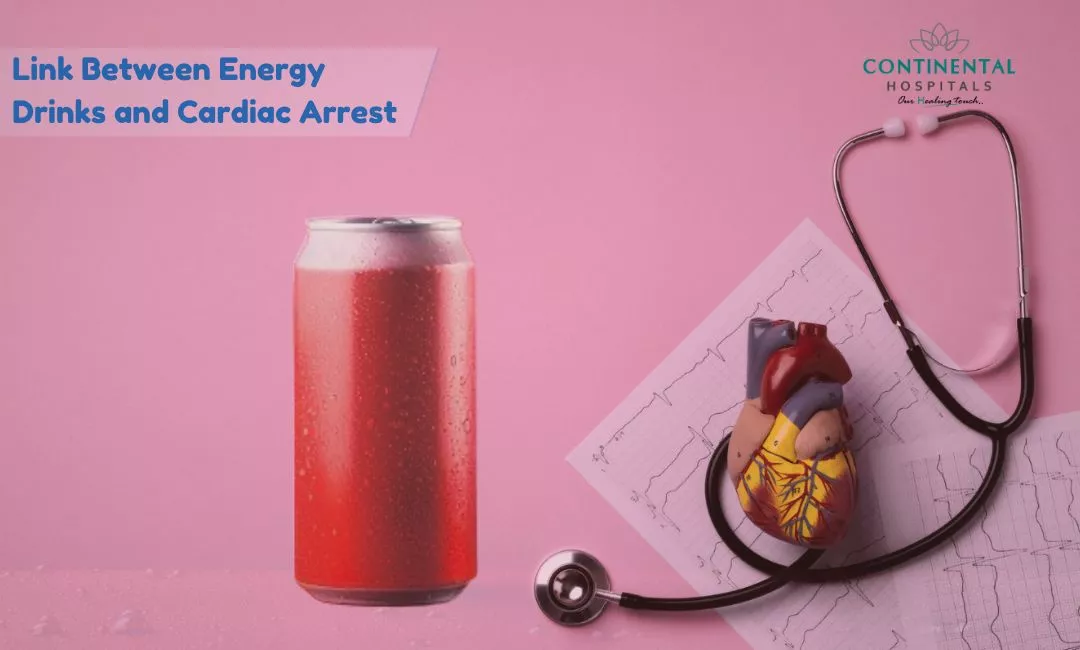
post-title

Link Between Energy Drinks and Cardiac Arrest

Written by - Editorial Team
Medically Reviewed by - Dr Abhisekh Mohanty

Energy drinks have become extremely popular globally, especially among young adults and athletes, due to their marketing as enhancers of energy, alertness, and physical performance. Widely consumed in various settings, these beverages promise quick boosts but have sparked increasing concerns about their safety. Particularly, the potential impact on cardiovascular health has drawn significant attention. Despite their appeal, the high caffeine and stimulant content in energy drinks pose risks that warrant scrutiny, especially regarding their association with heart-related issues such as cardiac arrest. As their consumption continues to grow, understanding and addressing these health risks is crucial.

What are energy drinks?

What Are Energy Drinks?

Energy drinks are beverages that contain high levels of caffeine and other stimulants, such as taurine, guarana, and ginseng. They are often supplemented with sugar, vitamins, amino acids, and herbal extracts. Common brands include Red Bull, Monster, and Rockstar, each offering various formulations aimed at enhancing energy and mental alertness.

Key Ingredients and Their Effects

Caffeine: The primary active ingredient in most energy drinks, caffeine is a central nervous system stimulant. It works by blocking adenosine receptors, which reduces drowsiness and increases alertness. Typical energy drinks contain between 70 to 240 mg of caffeine per serving.
Taurine: An amino acid that supports neurological development and regulates water and mineral levels in the blood. It is thought to enhance athletic performance and energy levels.
Guarana: A plant extract that contains caffeine. It adds to the overall caffeine content and contributes to the stimulant effects.
Sugars: Many energy drinks are high in sugar, which provides a quick energy source but can lead to spikes and crashes in blood glucose levels.
B-Vitamins: These are included to support energy metabolism, although their efficacy in the context of energy drinks is debated.

Protect your digestive health with timely expert care. Visit our Best Cardiology Doctors in Hyderabad and consult our experienced gastroenterologists for personalized evaluation and treatment.

What is the physiology of cardiac arrest?

What Is Cardiac Arrest?

Cardiac arrest occurs when the heart suddenly stops beating effectively, leading to a cessation of blood flow to the brain and other vital organs. It is different from a heart attack, which is caused by a blockage in the blood vessels supplying the heart. Cardiac arrest can result from various conditions, including arrhythmias (irregular heartbeats), which can be triggered by stimulants.

Risk Factors for Cardiac Arrest

Second Opinion

Pre-existing heart conditions: Individuals with conditions like arrhythmias, coronary artery disease, or heart failure are at higher risk.
Lifestyle factors: Smoking, excessive alcohol consumption, and a sedentary lifestyle increase the risk.
Stimulant use: Caffeine and other stimulants can exacerbate heart conditions and contribute to the risk of cardiac arrest.

How do energy drinks affect the heart?

Caffeine and Cardiac Function

Caffeine, the primary ingredient in energy drinks, is a powerful stimulant. It works by blocking adenosine receptors in the brain, which increases the release of neurotransmitters like dopamine and norepinephrine. While moderate caffeine consumption is generally considered safe, excessive intake can have deleterious effects on the heart. High levels of caffeine can lead to increased heart rate (tachycardia), elevated blood pressure, and arrhythmias (irregular heartbeats), all of which can precipitate cardiac arrest.

Sugar and Cardiac Health

Energy drinks often contain high levels of sugar, which can contribute to a variety of health issues, including obesity, diabetes, and metabolic syndrome. These conditions are known risk factors for cardiovascular diseases. Moreover, excessive sugar intake can lead to insulin resistance and inflammation, both of which can damage the cardiovascular system and increase the risk of cardiac arrest.

Other Ingredients and Their Effects

Other ingredients commonly found in energy drinks, such as taurine and herbal extracts, also play a role in their overall impact on cardiac health. While some studies suggest that taurine may have beneficial effects on cardiovascular function, the synergistic effects of taurine combined with high caffeine levels in energy drinks are not fully understood and may pose additional risks.

Need an Appointment?

What Are the Risk Factors for Energy Drink-Induced Cardiac Arrest?

Preexisting Cardiovascular Conditions: Individuals with hypertension, arrhythmias, or a history of heart disease are at higher risk.
Excessive Caffeine Intake: High caffeine levels in energy drinks can lead to tachycardia, elevated blood pressure, and arrhythmias.
High Sugar Consumption: Excessive sugar can contribute to obesity, diabetes, and metabolic syndrome, increasing cardiovascular risk.
Genetic Predispositions: Certain genetic mutations affect caffeine metabolism, heightening the risk of adverse cardiovascular effects.
Young Age: Young adults and teenagers, who are the primary consumers, may be more susceptible to the stimulant effects.
Lifestyle Factors: Poor diet, lack of exercise, and high stress levels can compound the effects of energy drinks.
Combination with Alcohol or Drugs: Mixing energy drinks with alcohol or drugs can exacerbate cardiovascular strain.
Physical Exertion: Consuming energy drinks before intense physical activity can amplify their adverse effects on the heart.

What Precautions Should You Take Before Drinking Energy Drinks?

For Consumers

Moderation: Limit the intake of energy drinks, particularly if you consume other sources of caffeine.
Check Labels: Be aware of the caffeine content and other stimulants in the energy drinks you consume.
Hydration: Maintain adequate hydration, especially when consuming caffeinated beverages.
Know Your Health: Be aware of any pre-existing heart conditions that may increase your risk.

For Healthcare Providers

Patient Education: Educate patients about the potential risks associated with energy drinks, particularly those with cardiovascular conditions.
Screening: Consider screening for energy drink consumption during routine check-ups, especially in young adults and adolescents.
Reporting: Encourage the reporting of adverse events related to energy drink consumption to improve data collection and regulatory responses.

For Policymakers

Regulations: Implement and enforce regulations on the sale and marketing of energy drinks, particularly to minors.
Research Funding: Support research into the health impacts of energy drinks to inform policy decisions.
Public Awareness Campaigns: Fund and promote public health campaigns to educate the public about the risks of energy drinks.

Conclusion

The link between energy drinks and cardiac arrest is a critical public health issue that demands attention. While these beverages offer a quick boost of energy and alertness, their potential risks, particularly to cardiovascular health, cannot be ignored. By understanding the ingredients, recognizing the physiological effects, and staying informed about the latest research, consumers can make safer choices. Policymakers, healthcare providers, and public health officials must work together to ensure that the risks associated with energy drinks are clearly communicated and adequately regulated. As more evidence emerges, it is crucial to strike a balance between enjoyment and safety, protecting individuals from the potentially life-threatening consequences of these popular beverages. Consult our best Heart Specialist Hospital in Hyderabad

Related Blogs:

  1. Buzz on Energy Drinks: How Caffeine Affects Your Heart
  2. How Excessive Heat Impacts Heart Health

Frequently Asked Questions

Energy drinks may increase the risk of serious heart problems in some individuals, especially when consumed in large amounts or within a short period. These beverages often contain high levels of caffeine, sugar, taurine, guarana, and other stimulants that can raise heart rate and blood pressure. Excessive stimulation may trigger abnormal heart rhythms in susceptible people. While healthy adults may tolerate moderate consumption, people with underlying heart disease, high blood pressure, or inherited rhythm disorders may face greater risks. Combining energy drinks with alcohol or intense physical activity may further increase cardiovascular stress. Symptoms such as chest pain, palpitations, dizziness, or fainting after consuming an energy drink should never be ignored. Immediate medical evaluation is recommended if severe symptoms occur.
Energy drinks stimulate the cardiovascular system by increasing the activity of the sympathetic nervous system. Their high caffeine content can cause the heart to beat faster and may temporarily raise blood pressure. Other stimulants such as guarana may amplify these effects because they also contain caffeine. This increased workload can reduce the heart's ability to relax normally and may contribute to irregular heart rhythms in vulnerable individuals. Frequent consumption may place repeated stress on the cardiovascular system. Although most healthy people experience only temporary effects, excessive intake can become dangerous. Individuals with heart disease, hypertension, or arrhythmias should consult a cardiologist before consuming energy drinks regularly.
People with pre-existing cardiovascular conditions are at the highest risk of developing complications after consuming energy drinks. This includes individuals with high blood pressure, congenital heart disease, previous heart attacks, heart failure, or inherited rhythm disorders. Teenagers and young adults who consume multiple energy drinks in a short time may also experience adverse effects. Athletes using these drinks before strenuous exercise may increase stress on the heart. People taking stimulant medications or consuming caffeine from multiple sources are at additional risk. Those with anxiety disorders or thyroid disease may also experience exaggerated cardiovascular responses. A medical consultation is advisable for anyone with heart-related concerns before regular energy drink consumption.
Yes, excessive consumption of energy drinks has been associated with abnormal heart rhythms, also known as arrhythmias. High doses of caffeine and stimulants may interfere with the heart's normal electrical activity, especially in individuals who are genetically susceptible or have underlying heart disease. Some people may experience palpitations, skipped beats, rapid heartbeat, dizziness, or fainting. Severe arrhythmias can reduce blood flow to the brain and other organs and, in rare situations, may lead to sudden cardiac arrest. The risk becomes higher when multiple energy drinks are consumed together or combined with alcohol, recreational drugs, or intense physical exertion.
Seek immediate medical attention if you develop chest pain, severe shortness of breath, fainting, confusion, persistent palpitations, or a very rapid heartbeat after consuming an energy drink. These symptoms may indicate a serious cardiovascular problem requiring urgent evaluation. Additional warning signs include severe dizziness, weakness, sweating, nausea associated with chest discomfort, or collapse. Ignoring these symptoms can delay life-saving treatment. Emergency medical care can identify whether the symptoms are related to arrhythmias, heart attack, or other cardiac complications. Prompt diagnosis and treatment significantly improve outcomes.
Yes, mixing energy drinks with alcohol can be particularly dangerous because caffeine may mask the sedative effects of alcohol. This can make individuals feel less intoxicated than they actually are, leading to increased alcohol consumption and risky behaviors. The combination places additional stress on the cardiovascular system by increasing heart rate and blood pressure while alcohol affects heart rhythm and hydration. This mixture may increase the likelihood of dehydration, abnormal heart rhythms, and cardiovascular complications. Young adults are especially vulnerable because binge drinking often accompanies energy drink consumption. Healthcare professionals generally advise avoiding this combination.
There is no universally safe number of energy drinks because caffeine content varies widely between products. Many energy drinks contain between 80 and over 300 milligrams of caffeine per serving, and some containers include multiple servings. Consuming several cans within a few hours can result in excessive caffeine intake and increase the risk of heart palpitations, elevated blood pressure, anxiety, and sleep disturbances. Individuals with heart disease, pregnant women, adolescents, and people sensitive to caffeine should be especially cautious. Reading product labels and limiting total daily caffeine intake are important steps to reduce health risks.
Protecting your heart begins with consuming caffeinated beverages in moderation and avoiding excessive intake from multiple sources. Read nutrition labels to understand caffeine content and avoid drinking several energy drinks in one day. Stay well hydrated, especially during exercise or hot weather, and never rely on energy drinks for hydration. Avoid combining energy drinks with alcohol or stimulant medications unless advised by your healthcare provider. Maintain a heart-healthy lifestyle with regular exercise, balanced nutrition, adequate sleep, and routine medical checkups. If you experience recurring palpitations, chest pain, or dizziness after consuming caffeinated drinks, consult a cardiologist for a comprehensive evaluation.
Disclaimer: The information provided in this blog is intended for general knowledge and informational purposes only, and does not constitute medical advice. Always consult with a qualified healthcare professional for any medical concerns or before making any decisions about your health.

Get in Touch With Us

Whether you are from India or abroad, we are here to help you with your medical queries. Please fill out the form below and our team will connect with you shortly.

  • ✔ Quick response from our medical experts
  • ✔ Secure data handling & privacy
  • ✔ Easy upload for reports & documents
banner_image

Chat with our medical experts on WhatsApp for quick assistance and hassle-free appointment booking

Recent Posts