• Share this:
post-title

Low-Dose CT Scans for Early Lung Cancer Detection

Written by - Editorial Team
Medically Reviewed by - Dr P Jagannath

Lung cancer is one of the leading causes of death worldwide, but early detection can make a significant difference in the chances of successful treatment. That’s where low-dose CT scans come in. These scans have emerged as a powerful tool for detecting lung cancer at an early stage, even before symptoms appear. In this blog, we’ll explore the importance of low-dose CT scans for lung cancer screening, how they work, and why choosing Continental Hospitals for your screening needs is a step toward a healthier future.

What is a Low-Dose CT Scan?

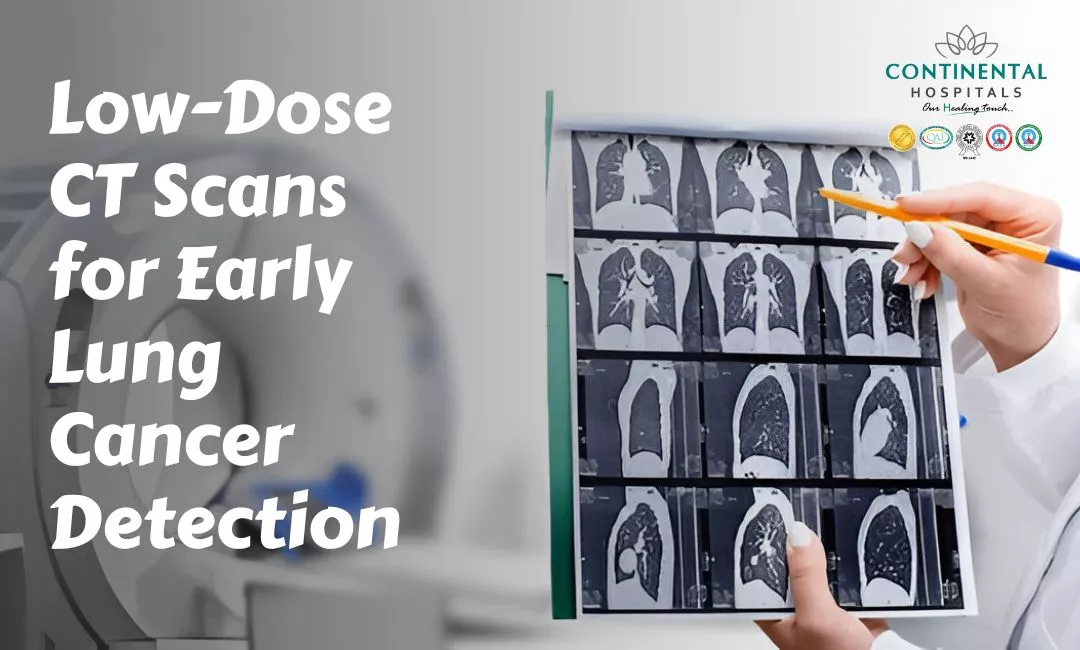
A low-dose CT (computed tomography) scan is an imaging test that uses X-rays to create detailed pictures of your lungs. It is called "low-dose" because it uses much less radiation than a standard CT scan. This makes it safer for frequent use, especially for people at higher risk for lung cancer.

Unlike a regular chest X-ray, a low-dose CT scan provides much clearer images of the lungs, helping doctors spot small changes or abnormalities that might indicate the early stages of lung cancer. This can be crucial for detecting the disease before it progresses to later, more difficult-to-treat stages.
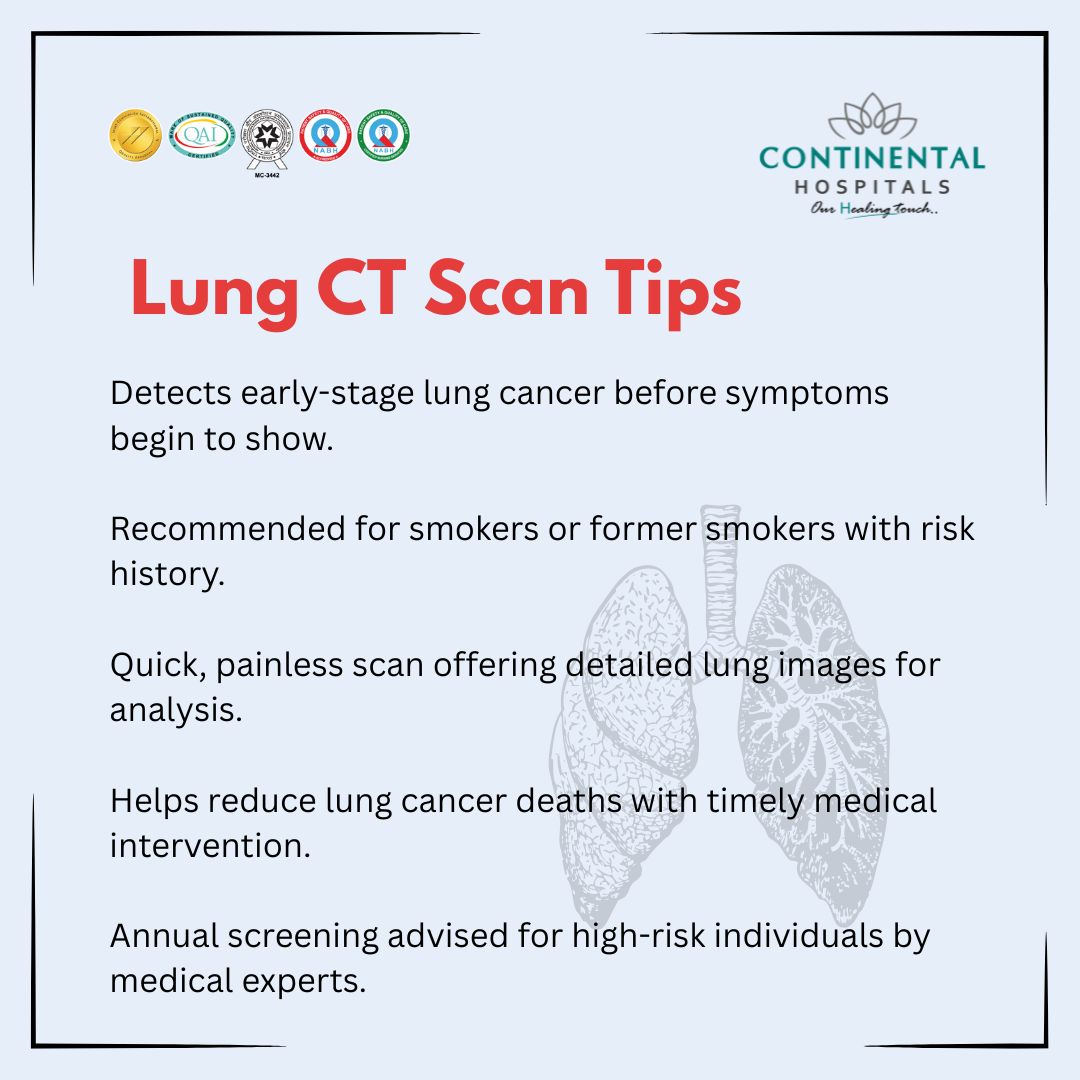
Who Should Consider a Low-Dose CT Scan?

While low-dose CT scans can be beneficial for anyone, they are especially recommended for individuals who are at a higher risk of developing lung cancer. Risk factors for lung cancer include:

Smoking: Current or former smokers with a long history of smoking are at an increased risk.

Age: People over the age of 55 are more likely to develop lung cancer.

Family History: A family history of lung cancer can increase your risk.

Exposure to Environmental Toxins: Long-term exposure to secondhand smoke, asbestos, or other harmful chemicals can raise the likelihood of lung cancer.

Second Opinion

If you fall into any of these categories, a low-dose CT scan might be a good option for early detection. It’s important to note that the scan is typically recommended for those who do not have any symptoms of lung cancer.

If you're at risk for lung cancer or have persistent symptoms, visit our Best Cancer Specialist in Hyderabad at Continental Hospitals for expert evaluation and personalized care from our specialists.

How Does a Low-Dose CT Scan Help with Early Detection?

Lung cancer often doesn’t cause symptoms until it is in the later stages. By the time a patient experiences coughing, chest pain, or shortness of breath, the cancer may have spread, making it harder to treat. Early-stage lung cancer may not show any obvious signs, which is why screening through low-dose CT scans is so important.

Low-dose CT scans can detect very small nodules or spots in the lungs that might not be visible through other imaging methods, such as chest X-rays. These early findings allow doctors to track the growth of any abnormal tissue and, if necessary, perform further tests or interventions to prevent the cancer from advancing.

Why Choose Low-Dose CT Scans for Lung Cancer Detection?

There are several reasons why low-dose CT scans are preferred for early lung cancer detection:

Early Detection: The most significant advantage of a low-dose CT scan is its ability to detect lung cancer in its earliest stages. This increases the chances of successful treatment and survival.

Non-Invasive: The procedure is quick, painless, and non-invasive. It doesn’t require any surgery or lengthy recovery time.

Need an Appointment?

Low Radiation Exposure: Although it involves radiation, a low-dose CT scan uses much less radiation than a traditional CT scan, making it safer for those who need regular screening.

High Sensitivity: Low-dose CT scans are highly sensitive, meaning they can detect small tumors that might not be visible through other imaging techniques.

Monitoring and Peace of Mind: For individuals at high risk, regular screening with low-dose CT scans can provide peace of mind and a way to monitor their lung health over time.

What Should I Expect During a Low Dose CT Lung Scan?

If your doctor recommends a low-dose CT scan for lung cancer screening, here's what you can expect during the procedure:

Preparation: There's no special preparation needed for a low-dose CT scan. You may be asked to remove any metal objects, such as jewelry or clothing with metal parts.

During the Scan: You will lie on a table, and the machine will move around you while taking the images. You’ll need to stay still and hold your breath briefly during the scan.

Duration: The entire process typically takes less than 10 minutes, and you can resume normal activities immediately afterward.

Results: Your doctor will review the results and discuss any findings with you. If anything suspicious is detected, additional tests or follow-up scans may be recommended.

Why Choose Continental Hospitals for Your Lung Cancer Screening?

At Continental Hospitals, we prioritize your health and well-being. We understand the importance of early detection and the role that advanced technology plays in saving lives. Here's why you should choose us for your low-dose CT scan:

State-of-the-Art Technology: Continental Hospitals is equipped with the latest imaging technology, including low-dose CT scanners, ensuring you receive the most accurate and clear results for early lung cancer detection.

Experienced Medical Team: Our team of highly trained radiologists and medical professionals are dedicated to providing you with exceptional care. We are committed to guiding you through the entire process, from screening to diagnosis and treatment options.

Comprehensive Care: If a potential issue is found during your scan, our multidisciplinary team will work together to provide you with a personalized care plan. This includes further testing, expert advice, and treatment options tailored to your needs.

Patient-Centred Approach: We focus on providing a comfortable and supportive environment for our patients. Your concerns and questions are always welcomed and addressed with compassion.

When Should You Schedule a Low Dose CT Scan for Lung Cancer Screening?

If you are at risk of lung cancer, early detection can make all the difference. At Continental Hospitals, we are here to help you stay proactive about your lung health. Our low-dose CT scans offer a quick, effective, and safe way to detect lung cancer early, giving you the best chance for successful treatment.

If you or someone you know is at risk for lung cancer, don't wait for symptoms to appear. Contact us today to schedule your low-dose CT scan and take the first step toward better lung health.

Conclusion: Early Detection Saves Lives

Lung cancer doesn’t have to be a death sentence. With advances in medical technology, like low-dose CT scans, we now have the ability to detect the disease early, giving patients a fighting chance. At Continental Hospitals, we are proud to offer state-of-the-art diagnostic services with the highest standards of care.


Frequently Asked Questions

A low dose CT scan, also called LDCT, is a specialized imaging test that uses a much lower dose of radiation than a standard CT scan to capture detailed images of the lungs. It is designed to detect lung cancer at an early stage, often before symptoms develop. Early detection significantly improves the chances of successful treatment and long term survival. The scan is quick, painless, and does not require injections in most cases. During the procedure, you lie on a table that moves through the CT scanner while images are taken in seconds. LDCT can identify very small lung nodules that may not be visible on a chest X ray. Not every nodule is cancer, but finding them early allows doctors to monitor or treat them promptly. The test is especially recommended for people at high risk of lung cancer, including long term smokers. Regular screening with LDCT has been shown to reduce lung cancer related deaths in high risk individuals.
A low dose CT scan is recommended for people who have a higher risk of developing lung cancer. This generally includes adults aged 50 to 80 years who have a significant smoking history, such as smoking one pack a day for 20 years or the equivalent. Current smokers and those who have quit within the past 15 years may benefit the most from annual screening. Individuals with additional risk factors, including a family history of lung cancer, occupational exposure to asbestos or other harmful substances, and chronic lung diseases, should also discuss screening with their doctor. Screening is not recommended for everyone because benefits are greatest in high risk groups. Your healthcare provider will review your age, smoking history, overall health, and personal risk factors before recommending the test. Following expert screening guidelines helps maximize benefits while minimizing unnecessary procedures.
A low dose CT scan creates detailed cross sectional images of the lungs that allow doctors to identify tiny abnormalities long before they cause symptoms. Small nodules, growths, or suspicious areas that cannot be seen on a regular chest X ray may be detected with LDCT. These findings can be evaluated further with follow up imaging or additional tests if necessary. Detecting cancer at an early stage often means the disease is smaller and has not spread beyond the lungs. This increases the possibility of curative treatments such as surgery or targeted therapies. Many early stage lung cancers are discovered only through screening because patients feel completely healthy. Regular annual screening helps identify new changes over time. Early diagnosis provides more treatment options and improves the likelihood of successful outcomes.
Yes, a low dose CT scan is considered safe when performed according to recommended screening guidelines. The amount of radiation used is significantly lower than that of a standard diagnostic CT scan while still providing high quality images of the lungs. The benefits of detecting lung cancer early generally outweigh the small risks associated with radiation exposure in high risk individuals. The procedure is non invasive, painless, and usually completed within a few minutes. Most people do not require any special preparation before the scan. There are no needles or contrast injections in routine lung cancer screening. Radiologists carefully review the images to identify any abnormalities. If further evaluation is needed, your healthcare team will guide you through the next steps. Annual screening should always be performed under medical supervision.
Finding a lung nodule does not automatically mean that you have lung cancer. Many lung nodules are harmless and may result from previous infections, inflammation, or non cancerous conditions. The size, shape, appearance, and growth pattern of the nodule help doctors determine the next steps. Small nodules may simply require periodic follow up scans to monitor for changes. Larger or suspicious nodules may need additional imaging, PET scans, or a biopsy for further evaluation. Your healthcare provider will explain the findings and recommend the most appropriate plan based on your individual risk factors. Careful monitoring helps avoid unnecessary treatments while ensuring that potentially cancerous nodules are identified early. Regular follow up is an important part of effective lung cancer screening.
For most eligible individuals at high risk of lung cancer, an annual low dose CT scan is recommended. Yearly screening helps detect new lung abnormalities or monitor previously identified nodules before they become advanced cancers. Consistent annual screening has been shown to reduce lung cancer related deaths by identifying tumors at an earlier and more treatable stage. Your doctor may recommend continuing annual screening as long as you remain eligible based on your age, smoking history, and overall health. If your health changes or your risk decreases, the screening schedule may be adjusted. Missing annual screenings may reduce the benefits of early detection. Regular discussions with your healthcare provider ensure that your screening plan remains appropriate for your needs.
A low dose CT scan cannot prevent lung cancer from developing, but it plays a vital role in detecting the disease at its earliest stages when treatment is most effective. Early diagnosis often means less extensive treatment and better survival outcomes. Screening works alongside other preventive measures such as quitting smoking, avoiding secondhand smoke, reducing exposure to harmful workplace chemicals, and maintaining a healthy lifestyle. Smoking cessation remains the single most effective way to lower the risk of lung cancer. Even people who have quit smoking may still benefit from screening if they meet the recommended eligibility criteria. Combining healthy habits with regular screening provides the best approach to reducing the impact of lung cancer.
Early lung cancer detection can dramatically improve treatment success and survival rates. Lung cancer often develops without noticeable symptoms until it reaches an advanced stage, making routine screening essential for people at high risk. When cancer is found early, it is more likely to be confined to the lungs and may be treated with surgery, radiation therapy, or other targeted treatments before it spreads. Early diagnosis also allows patients to access a wider range of treatment options with potentially fewer complications. Regular low dose CT screening gives doctors the opportunity to identify suspicious changes before symptoms appear. This proactive approach can lead to faster diagnosis, earlier intervention, improved quality of life, and better long term health outcomes for eligible individuals.
Disclaimer: The information provided in this blog is intended for general knowledge and informational purposes only, and does not constitute medical advice. Always consult with a qualified healthcare professional for any medical concerns or before making any decisions about your health.

Get in Touch With Us

Whether you are from India or abroad, we are here to help you with your medical queries. Please fill out the form below and our team will connect with you shortly.

  • ✔ Quick response from our medical experts
  • ✔ Secure data handling & privacy
  • ✔ Easy upload for reports & documents
0 / 100
Checkboxes Section


Chat with our medical experts on WhatsApp for quick assistance and hassle-free appointment booking

Recent Posts
Language Based Image
0 / 100