
post-title

Lymph Node Mapping & Minimal Access Surgery Explained

Written by - Editorial Team
Medically Reviewed by - Dr Harish N L

When it comes to cancer treatment, particularly in cancers like breast, colorectal, and melanoma, understanding the role of lymph nodes is crucial. Lymph nodes are small, bean-shaped structures that are part of the lymphatic system and play a vital role in fighting infections. In cancer care, lymph nodes can be the first place where cancer cells spread. That’s where techniques like lymph node mapping and minimal access surgery come into play. These advanced medical procedures allow doctors to identify and remove affected lymph nodes with greater precision and minimal invasiveness.

In this blog, we’ll dive deep into lymph node mapping and minimal access surgery, explaining how they work, their benefits, and how they help in the fight against cancer.

What is Lymph Node Mapping?

Lymph node mapping is a technique used to locate the sentinel lymph node(s), which are the first lymph nodes to which cancer cells are likely to spread from the original (primary) tumor. By identifying these sentinel lymph nodes, doctors can determine whether the cancer has spread beyond the primary site. This process is particularly important in cancers like breast cancer and melanoma, where early detection of cancer spread can significantly impact treatment decisions.
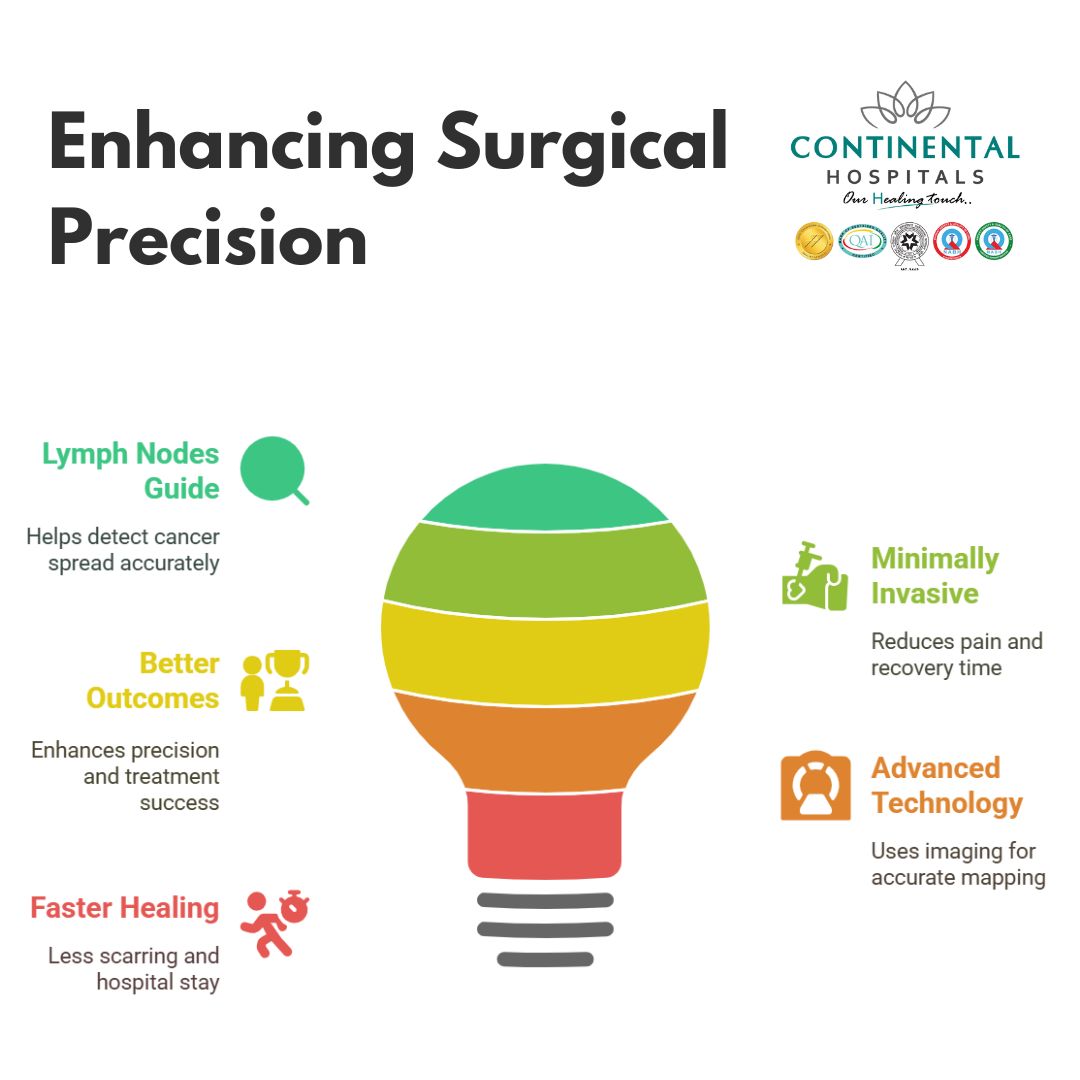
How Does Lymph Node Mapping Work?

Lymph node mapping involves injecting a small amount of dye or radioactive substance near the tumor site. This substance travels through the lymphatic system and highlights the path to the sentinel lymph nodes. Special imaging techniques, such as a gamma probe (for radioactive substances) or a blue dye (for visual identification), help the surgeon locate these lymph nodes during surgery.

Once the sentinel lymph nodes are identified, they are carefully removed and sent for biopsy to determine if cancer cells are present. If the sentinel nodes are clear of cancer, it may mean that the cancer has not spread, and further lymph node removal may not be necessary.

Our experienced Best Cancer Specialist in Hyderabad provide personalized treatment plans using advanced technology to help you achieve the best possible outcomes at every stage of your cancer journey.

Why is Lymph Node Mapping Important?

Accurate Diagnosis: Lymph node mapping allows for precise identification of lymph nodes that may be affected by cancer. This helps in staging the cancer accurately, which is crucial for determining the best treatment approach.

Reduced Surgery: In many cases, only the sentinel lymph nodes need to be removed. This avoids the need for a more extensive lymph node dissection, which can cause complications like lymphedema (swelling caused by a blockage in the lymphatic system).

Second Opinion

Less Trauma: Since only a small number of lymph nodes are removed, the risk of damage to surrounding healthy tissues is minimized, leading to quicker recovery times and fewer side effects.

What is Minimal Access Surgery?

Minimal access surgery (MAS), also known as minimally invasive surgery, refers to surgical procedures that are performed through smaller incisions rather than traditional large ones. It includes techniques like laparoscopy, thoracoscopy, and robotic surgery. These techniques are commonly used in cancer treatment, particularly for lymph node mapping and removal.

How Does Minimal Access Surgery Work?

In minimal access surgery, the surgeon makes tiny incisions (typically no larger than 1-2 cm). Through these small openings, a camera (laparoscope or thoracoscope) and specialized surgical instruments are inserted. The camera provides high-definition images of the internal structures, allowing the surgeon to perform the surgery with precision. In robotic surgery, robotic arms are controlled by the surgeon to perform highly intricate movements, enhancing accuracy.

In the case of lymph node mapping, minimal access surgery is used to remove the identified sentinel lymph nodes with minimal disruption to surrounding tissues. The small incisions allow for less scarring, less pain, and faster recovery compared to traditional surgery.

What are the benefits of minimal access surgery in lymph node mapping?

Faster Recovery: Since the incisions are smaller, patients experience less pain and can recover more quickly than they would with traditional surgery. Hospital stays are often shorter, and many patients are able to return to normal activities sooner.

Reduced Risk of Complications: Minimal access surgery reduces the risk of complications such as infections, blood loss, and damage to surrounding tissues. This is particularly important for cancer patients, whose immune systems may be compromised.

Cosmetic Advantages: Smaller incisions mean less visible scarring, which is particularly important for patients who undergo surgery on areas like the breast or neck.

Need an Appointment?

Precision and Accuracy: Both lymph node mapping and minimal access surgery rely on advanced technology, including imaging techniques and robotic assistance, to ensure that the procedure is as precise as possible. This increases the likelihood of a successful outcome and reduces the need for further surgery.

How Is Minimal Access Surgery Used in Cancer Treatment?

Minimal access surgery is used in a variety of ways to treat cancer, especially in detecting and removing lymph nodes. Some examples include:

Breast Cancer: For women with breast cancer, minimal access surgery is often used to remove the sentinel lymph nodes after mapping them. This allows the surgeon to check for signs of cancer spread without removing a large number of lymph nodes.

Melanoma: In melanoma patients, sentinel lymph node mapping helps determine whether the cancer has spread to the lymph nodes. Minimal access surgery is then used to remove these nodes if necessary.

Colorectal Cancer: Minimal access surgery is used to remove lymph nodes from the abdomen if the cancer has spread beyond the colon.

Other Cancers: MAS is also used in cancers of the lung, thyroid, and head/neck, where lymph node mapping and minimal access surgery help ensure that cancer cells are removed with minimal disruption to healthy tissues.

Who Can Benefit from Lymph Node Mapping & Minimal Access Surgery?

These advanced procedures are typically recommended for cancer patients who:

Are diagnosed with cancers like breast, melanoma, colorectal, or other cancers where lymph node involvement is crucial for staging.

Have a clear need for sentinel lymph node biopsy, which is often part of the treatment plan for early-stage cancers.

Prefer minimally invasive approaches to treatment due to factors like faster recovery and less post-operative discomfort.

Conclusion

Lymph node mapping and minimal access surgery represent major advancements in cancer treatment. These techniques allow for more precise diagnoses, targeted treatment, and quicker recovery times, all of which contribute to better outcomes for patients. As technology continues to evolve, the future of cancer treatment looks even brighter, with minimally invasive options offering hope for patients seeking effective care with fewer risks.

Facing cancer? Consult the best oncologist in Hyderabad at Continental Hospitals for expert lymph node mapping & minimally invasive treatment.

Related Blog Topics:

Common Causes of Swollen Lymph Nodes and Treatments

Frequently Asked Questions

Lymph node mapping is a specialized technique used to identify the first lymph node or group of lymph nodes where cancer is most likely to spread. These are called sentinel lymph nodes. During surgery, a safe dye, radioactive tracer, or both are used to trace the natural lymphatic drainage from the tumor. The surgeon carefully identifies and removes these specific lymph nodes for testing. If cancer is not found in the sentinel lymph nodes, additional lymph node removal may not be necessary. This helps reduce surgical trauma while maintaining accurate cancer staging. Lymph node mapping is commonly used in breast cancer, melanoma, gynecologic cancers, and selected other cancers. The procedure supports personalized treatment planning and helps preserve healthy tissues whenever possible.
Minimal access surgery is performed through small incisions using advanced instruments and a high definition camera. It allows surgeons to remove cancerous tissue with precision while minimizing damage to surrounding healthy structures. Compared to traditional open surgery, patients often experience less pain, reduced blood loss, and smaller scars. Hospital stays are usually shorter, and recovery tends to be faster. The enhanced visualization provided by laparoscopic or robotic systems helps surgeons perform complex procedures accurately. Many cancers of the digestive system, gynecologic organs, kidneys, lungs, and other organs can be treated using this approach. The choice depends on the cancer type, stage, and the patient's overall health. Your surgeon will determine whether minimal access surgery is appropriate for your condition.
Lymph node mapping plays an important role because it provides valuable information about whether cancer has spread beyond the primary tumor. Knowing the status of the sentinel lymph nodes helps doctors accurately determine the stage of the disease. Accurate staging guides decisions about additional treatments such as chemotherapy, radiation therapy, immunotherapy, or targeted therapy. By removing only the necessary lymph nodes, surgeons can lower the risk of complications like lymphedema, nerve injury, and reduced mobility. The procedure also helps avoid unnecessary extensive surgeries when the sentinel nodes are cancer free. This approach supports personalized cancer care while maintaining high standards of surgical accuracy. Early and precise evaluation of lymph nodes contributes to better treatment planning and improved patient outcomes.
Lymph node mapping and minimal access surgery are commonly used in several types of cancer. Breast cancer and melanoma are among the most established conditions where sentinel lymph node mapping is routinely performed. Gynecologic cancers such as cervical, endometrial, and vulvar cancers also benefit from this technique. In selected cases, colorectal, gastric, thyroid, and head and neck cancers may also use lymph node mapping. Minimal access surgery is widely used for colorectal, stomach, liver, pancreatic, kidney, prostate, lung, gynecologic, and esophageal cancers when appropriate. The suitability of these techniques depends on the tumor location, stage, size, and individual patient factors. A multidisciplinary cancer team carefully evaluates each patient before recommending the best surgical approach.
Combining lymph node mapping with minimal access surgery offers several advantages for cancer patients. The approach allows surgeons to identify important lymph nodes accurately while performing surgery through smaller incisions. Patients generally experience less postoperative pain, reduced blood loss, lower infection risk, and quicker recovery. Smaller incisions also lead to improved cosmetic outcomes and less scarring. By removing only the necessary lymph nodes, the risk of long term complications such as lymphedema may be reduced. Precise staging helps doctors recommend the most appropriate follow up treatment. Many patients can return to normal daily activities sooner compared to traditional open surgery. These combined techniques aim to improve both treatment effectiveness and overall quality of life.
Yes, lymph node mapping is considered a safe and well established procedure when performed by experienced cancer surgeons. The dyes and radioactive tracers used are carefully selected and administered in very small amounts. Serious allergic reactions are uncommon, and most patients tolerate the procedure well. As with any surgery, there are small risks of bleeding, infection, or temporary discomfort, but these are generally low. The technique has been extensively studied and is included in treatment guidelines for several cancers. It helps avoid unnecessary removal of multiple lymph nodes in eligible patients. Your healthcare team will explain the procedure, discuss possible risks, and answer any concerns before surgery. Careful planning ensures patient safety while achieving accurate cancer staging.
Recovery after minimal access cancer surgery is often faster than after traditional open surgery, although it varies depending on the procedure performed and the patient's overall health. Many patients are able to walk within a day after surgery and may return home sooner. Pain is usually less severe because the incisions are smaller. Patients can gradually resume light daily activities as advised by their surgical team. Complete recovery may take several weeks depending on the complexity of the operation and whether additional cancer treatments are planned. Following postoperative instructions, maintaining proper nutrition, and attending follow up appointments are important for healing. Your surgeon will provide personalized guidance on physical activity, wound care, and recovery milestones.
Not every cancer patient is a candidate for lymph node mapping or minimal access surgery. Eligibility depends on factors such as the type of cancer, tumor size, location, stage, previous treatments, and the patient's overall medical condition. Early stage cancers are often more suitable for sentinel lymph node mapping, although individual recommendations vary. Patients also undergo imaging studies and other diagnostic tests before surgery to determine the most appropriate treatment plan. A multidisciplinary team that includes surgical oncologists, medical oncologists, radiation oncologists, radiologists, and pathologists evaluates each case carefully. Their goal is to recommend the safest and most effective treatment tailored to the patient's needs while achieving the best possible cancer outcomes.
Disclaimer: The information provided in this blog is intended for general knowledge and informational purposes only, and does not constitute medical advice. Always consult with a qualified healthcare professional for any medical concerns or before making any decisions about your health.

Get in Touch With Us

Whether you are from India or abroad, we are here to help you with your medical queries. Please fill out the form below and our team will connect with you shortly.

  • ✔ Quick response from our medical experts
  • ✔ Secure data handling & privacy
  • ✔ Easy upload for reports & documents
banner_image

Chat with our medical experts on WhatsApp for quick assistance and hassle-free appointment booking

Recent Posts