post-title

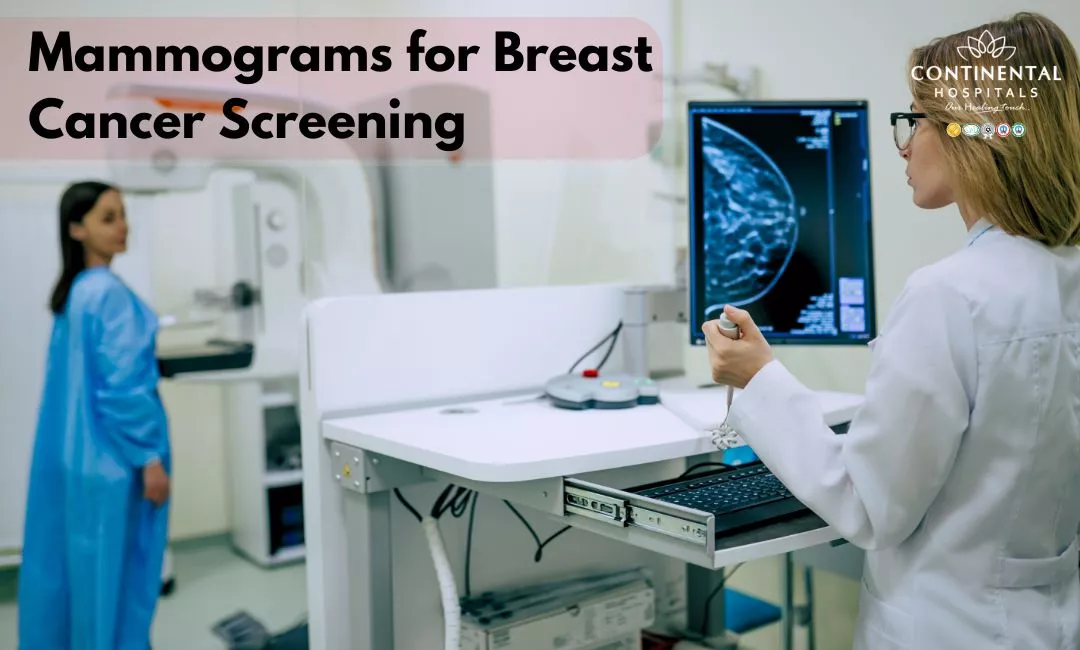
Mammograms for Breast Cancer Screening

Written by - Editorial Team
Medically Reviewed by - Dr Praveen Kumar Dadireddy

Breast cancer, one of the most common cancers in women worldwide, often aids doctors in providing the best treatments when detected early. A mammogram, which is an X-ray of the breast, remains among the most efficient tools when it comes to detecting abnormalities even before the presence of physical symptoms. In this blog, we will delve into the significance of mammograms in today's world, examining both global and, more importantly, Indian-specific statistics and highlighting the importance of screening.

What is a mammogram?

A mammogram is an X-ray of the breast tissue to screen for cancer or abnormalities. Mammograms can measure tiny tumors or microcalcifications that could be markers for cancer. It is a painless, non-invasive procedure requiring only 20 minutes.

Mammograms cannot prevent breast cancer, but they can detect it early, often when it's most treatable. Early detection of cancer improves the prognosis. That's why doctors often recommend regular mammograms, especially for women over 40 or with a family history of breast cancer.

If you are considering a mammogram or have concerns about your breast health, visit our Best Cancer Specialist in Hyderabad for expert evaluation, personalized guidance, and comprehensive breast cancer screening.

What Are the Types of Mammograms?

There are two main kinds of mammograms used in the screening for breast cancer:

Screening mammograms are annual, regular assessments for women who do not exhibit any symptoms. The purpose is to detect breast cancer early in its course, when treatment is most likely to be successful.

Diagnostic Mammograms: Any abnormality on a screening mammogram or any breast-related symptom, such as a lump, pain, or nipple discharge, prompts a diagnostic mammogram to further investigate the issue.

What Are the Advantages of Mammography Screening?

An early diagnosis really can be life-saving. In some instances, mammograms are able to detect tumors when they are still small enough that a woman would not feel them. This allows her to take action sooner, leading to a more favorable treatment outcome. In fact, the American Cancer Society reports that mammograms have saved at least 20 percent to 40 percent of people from dying of breast cancer.

Less aggressive treatment: Early detection of a dangerous breast cancer may lead to less invasive treatment. For example, the patient can receive a lumpectomy instead of a mastectomy or chemotherapy. This will improve the quality of the patient's life.

Second Opinion

Higher Survival Rates: The survival rates for patients diagnosed with early-stage breast cancers are high. For example, women diagnosed with localized breast cancer, meaning that the cancer hasn't spread outside the breast, have a five-year survival rate of 99%.

What Do Global Statistics Say About Mammograms and Breast Cancer?

Breast cancer has the highest prevalence of diagnosis in women across the world. According to the WHO, 2020 marked a period where around 2.3 million women received a breast cancer diagnosis. The WHO also documented over 685,000 deaths resulting from breast cancer that year.

Mammograms have been an important component of decreasing mortality from breast cancer. In countries where mammogram screening programs are widespread, like the United States, Canada, and parts of Europe, mortality from breast cancer has dropped appreciably. The United States saw a 40 percent decrease in the breast cancer death rate between 1989 and 2016, primarily due to a decline in cases diagnosed at a localized stage, where the death rate has now dropped to less than 10 percent.

What is the current scenario of breast cancer and mammograms in India?

Breast cancer cases in India have shown a rising trend over the years. Today, breast cancer has surpassed cervical cancer as the most common cancer in Indian women. The ICMR estimates that there are about 178,000 new cases of breast cancer yearly in India, with approximately 90,000 women dying from the disease each year. Late diagnosis significantly reduces the chances of survival. In fact, the five-year survival rate for breast cancer in India is around 60%, while that in developed countries stands over 80%.

Why are mammograms important for breast cancer screening?

Breast cancer incidence will increase, leading to more women receiving diagnoses and treatment. Early detection by regular mammography increases the chances for successful treatment.

The age of diagnosis is younger in India: In the western world, the age at diagnosis is much older for breast cancer. Indian women increasingly diagnose themselves in the younger age group, typically by the age of 40. Screening must begin at an early age, around 40, and then continue.

Laying Bare: Many Indian women are unaware of the need for a mammogram, which can lead to late detection. Regular mammograms can eliminate this by educating women about its usefulness.

Need an Appointment?

How frequently should women undergo a mammogram in India?

India has recommended guidelines for mammograms that are somewhat close to international standards. However, given the younger age of diagnosis, some experts recommend initiating mammography at the age of 40. Women with a family history of breast cancer or other risk factors may need to start screening a little earlier depending upon the risk factor level and as advised by their doctor.

How Should I Prepare for a Mammogram?

The mammogram is a straightforward, outpatient procedure.

Preparation: We advise against applying deodorants or lotions because they can interfere with X-ray images.
The procedure involves giving you an X-ray machine. The X-ray machine compresses your breast between two plates, allowing the tissue to spread out and providing a clearer image.
Results: Radiologists will review the images to identify any potential abnormalities. If we find anything unusual, we may need to conduct another test, such as a biopsy.
Certain women may find compression uncomfortable, but the procedure is brief and the benefits outweigh it.

Why Are People Afraid of Mammograms?

Most women fear having a mammogram because they fear the amount of pain or the potential outcome. Remember, mammograms serve as a preventive measure rather than a diagnosis. A mammogram often detects cancer earlier, leading to simpler, less aggressive treatments.

For this reason, they are advised as follows to minimize anxiety:

  • Talk to their doctor about any fears.
  • Bring along a friend or family member for support.
  • Focus on the life-saving potential of the screening

Conclusion

Mammograms are one of the most effective methods for early breast cancer detection. Early diagnosis significantly lowers mortality rates and makes treatment more manageable. While many countries benefit from regular mammography screening programs, India's rising breast cancer rates and poor outcomes highlight the urgent need for greater awareness and improved access to mammograms.

If you are considering getting a mammogram, it's important to consult with the best oncologist in Hyderabad.

Related Blog Articles:

  1. Mammograms: What You Need to Know About Early Screening
  2. Early Detection of Breast Cancer

Frequently Asked Questions

A mammogram is a specialized low dose X ray of the breast used to detect breast cancer at an early stage. It can identify small tumors and abnormal changes before they can be felt during a physical examination. Early detection increases the chances of successful treatment and may reduce the need for more extensive therapies. Mammograms are considered the most effective screening tool for breast cancer in women with no symptoms. They help doctors monitor breast health over time and compare current images with previous scans. Regular screening has been shown to lower breast cancer related deaths. The procedure is quick, safe, and performed by trained radiology professionals. Although no test is perfect, mammograms remain the gold standard for routine breast cancer screening. Women should discuss the right screening schedule with their healthcare provider based on age, family history, and personal risk factors.
Most women with an average risk of breast cancer should begin regular mammogram screening around the age recommended by their healthcare provider. Women with a family history of breast cancer, inherited genetic mutations, or other risk factors may need to start screening earlier. Your doctor will consider your age, personal medical history, and overall breast cancer risk before recommending a screening plan. Regular mammograms are especially important as breast cancer risk increases with age. Women who notice breast lumps, nipple discharge, or persistent breast pain may also need diagnostic mammograms. Those with dense breast tissue may require additional imaging tests for better evaluation. Following the recommended screening schedule helps detect cancer before symptoms develop. Early diagnosis improves treatment options and long term outcomes. Always consult your doctor to determine the best screening schedule for your individual needs.
The recommended frequency of mammograms depends on your age, overall health, and personal risk of breast cancer. Many women benefit from regular screening every one to two years after reaching the appropriate screening age. Women at higher risk may require annual mammograms and additional imaging tests such as breast MRI. Your healthcare provider will recommend a schedule based on your medical history and family history. Keeping regular appointments helps detect any changes in breast tissue as early as possible. Skipping screenings may delay diagnosis and reduce treatment options if cancer develops. Comparing current mammograms with previous images also improves the accuracy of detecting new abnormalities. Regular screening is an important part of preventive healthcare. Always follow your doctor's recommendations for ongoing breast cancer screening.
During a mammogram, each breast is gently placed between two flat plates on the imaging machine. The plates compress the breast for a few seconds to produce clear and detailed X ray images. Compression is necessary because it reduces breast thickness and improves image quality while using the lowest possible radiation dose. The technologist will position you carefully to capture images from different angles. The entire procedure usually takes less than thirty minutes, while the compression lasts only a few seconds for each image. Most women experience mild pressure rather than significant pain. After the images are taken, a radiologist reviews them for any signs of abnormalities. You can usually return to your normal daily activities immediately after the examination. The procedure is simple, safe, and plays an important role in early breast cancer detection.
Most women describe a mammogram as mildly uncomfortable rather than painful. The temporary compression of the breast is necessary to obtain clear images and improve the accuracy of the examination. The level of discomfort varies depending on breast sensitivity, hormonal changes, and individual pain tolerance. Scheduling the test after your menstrual period may reduce discomfort for some women. The compression lasts only a few seconds during each image. Technologists are trained to make the procedure as comfortable as possible while ensuring high quality images. Any temporary discomfort usually disappears immediately after the examination. If you have concerns about pain, discuss them with your healthcare provider before the appointment. The short period of discomfort is outweighed by the life saving benefits of early breast cancer detection.
Proper preparation can help ensure accurate mammogram results and a smoother experience. Wear a two piece outfit so you only need to remove clothing above the waist during the examination. Avoid using deodorants, powders, creams, lotions, or perfumes on your underarms or breasts because these products may appear on the X ray images. Inform the technologist if you are pregnant, breastfeeding, or have breast implants. Bring previous mammogram reports or imaging records if you are visiting a new facility. Schedule the examination when your breasts are less tender if possible. Follow any additional instructions provided by your healthcare provider or imaging center. Staying relaxed and asking questions before the procedure can also help reduce anxiety. Good preparation supports accurate screening and efficient imaging.
Mammograms are highly effective but cannot detect every case of breast cancer. Some cancers may be difficult to identify, especially in women with dense breast tissue. Dense breasts can make it harder to distinguish abnormal tissue from normal breast tissue on a mammogram. In certain situations, doctors may recommend additional imaging tests such as breast ultrasound or MRI to improve detection. Regular mammograms remain the best screening tool for most women because they identify many cancers before symptoms appear. If you notice a lump or any unusual breast changes, you should seek medical evaluation even if your mammogram is normal. Combining routine screening with breast awareness provides better protection. Early medical evaluation of any concerning symptoms remains essential. Your doctor will recommend the most appropriate screening approach for your individual risk.
An abnormal mammogram does not necessarily mean you have breast cancer. Many abnormal findings are caused by harmless breast cysts, dense tissue, or other non cancerous conditions. Your doctor may recommend additional mammogram views, breast ultrasound, MRI, or a biopsy to better understand the finding. These follow up tests help determine whether further treatment is necessary. It is important to attend all recommended appointments without unnecessary delay. Most women who require additional testing do not receive a cancer diagnosis. Early evaluation ensures that any serious condition is identified and treated as soon as possible. Your healthcare team will explain the results and guide you through every step of the process. Staying informed and following medical advice helps achieve the best possible outcome.
Disclaimer: The information provided in this blog is intended for general knowledge and informational purposes only, and does not constitute medical advice. Always consult with a qualified healthcare professional for any medical concerns or before making any decisions about your health.

Get in Touch With Us

Whether you are from India or abroad, we are here to help you with your medical queries. Please fill out the form below and our team will connect with you shortly.

  • ✔ Quick response from our medical experts
  • ✔ Secure data handling & privacy
  • ✔ Easy upload for reports & documents
banner_image

Chat with our medical experts on WhatsApp for quick assistance and hassle-free appointment booking

Recent Posts