.webp)

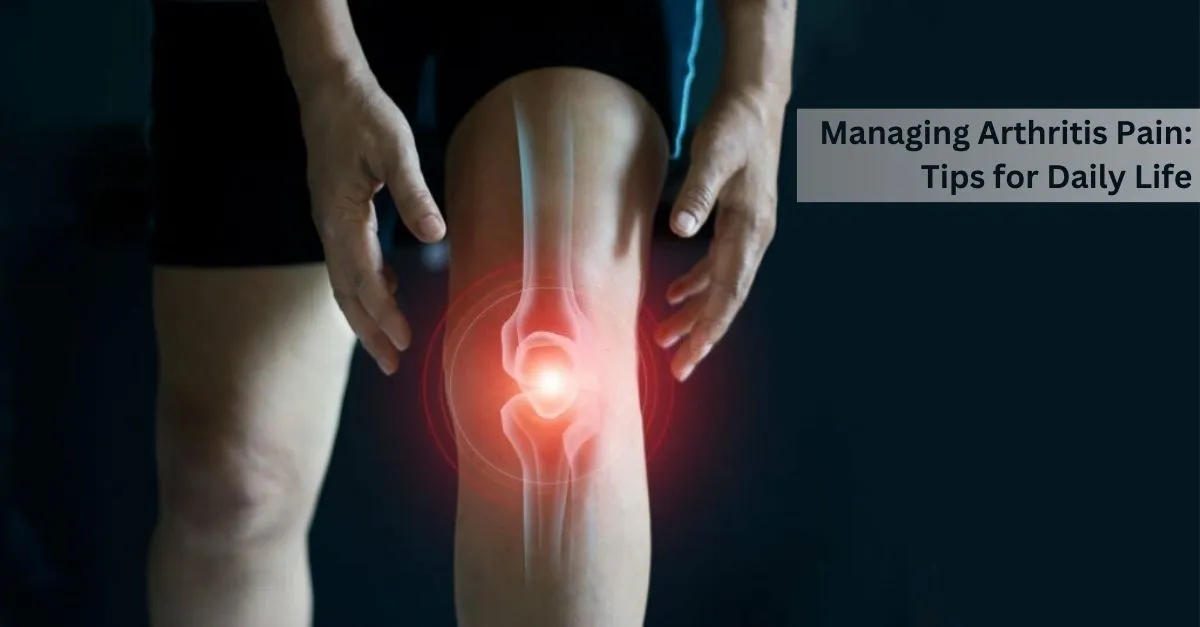
Arthritis is a chronic condition that affects millions of people around the world. It can cause pain, stiffness, and reduced mobility, making daily life challenging for those who suffer from it. However, there are various strategies and lifestyle changes that can help manage arthritis pain and improve quality of life. In this comprehensive guide, we will explore these strategies in detail, providing you with a wealth of information to better manage your arthritis pain.
What are the different types of arthritis?
It's essential to understand the two most common types of arthritis: osteoarthritis and rheumatoid arthritis.
Osteoarthritis: Osteoarthritis is the most prevalent form of arthritis and typically affects older adults. It occurs when the protective cartilage that cushions the ends of your bones wears down over time. This can lead to pain, swelling, and decreased joint flexibility.
Rheumatoid Arthritis: Rheumatoid arthritis is an autoimmune disease that primarily affects the joints. It occurs when the immune system mistakenly attacks healthy joint tissue, leading to inflammation, pain, and joint damage.
Consult with a top orthopedic doctors in Hyderabad for tailored treatment options.
How to Manage Arthritis Pain?
Medications: Depending on the type and severity of your arthritis, your doctor may prescribe medications to help manage your pain and reduce inflammation. Common medications include nonsteroidal anti-inflammatory drugs (NSAIDs), corticosteroids, and disease-modifying antirheumatic drugs (DMARDs). It's essential to follow your doctor's recommendations regarding medication use and potential side effects.
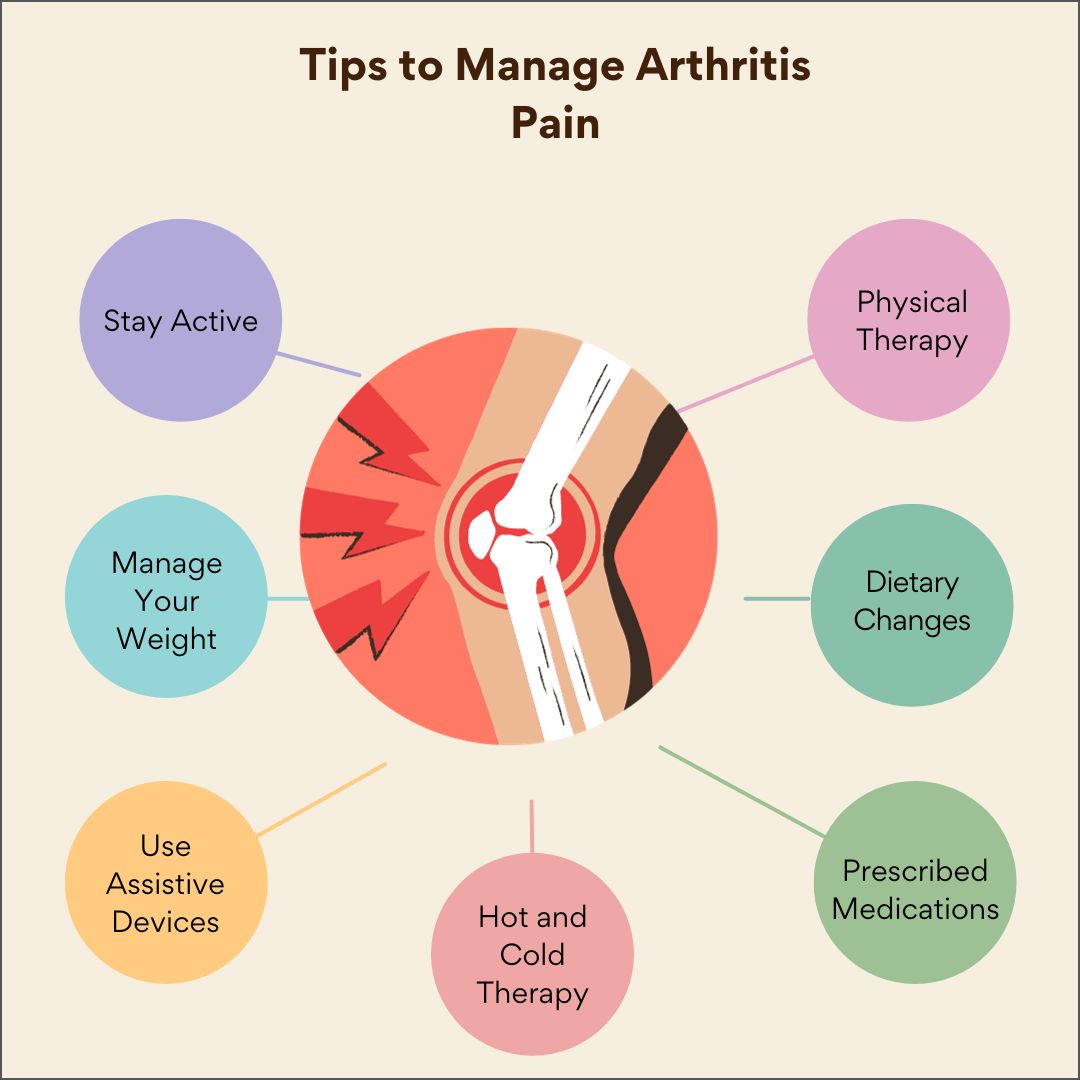
Physical Therapy: A physical therapist can design an exercise program tailored to your specific needs and limitations. Gentle, targeted exercises can help improve joint function, reduce pain, and enhance your overall mobility. Regular physical therapy sessions can be highly beneficial for managing arthritis pain.
Lifestyle Modifications: Making adjustments to your daily life can significantly impact arthritis pain management. Here are some lifestyle changes to consider:

Diet: Consuming an anti-inflammatory diet rich in fruits, vegetables, whole grains, and healthy fats can help reduce arthritis-related inflammation.
Weight Management: Maintaining a healthy weight can alleviate stress on weight-bearing joints, such as the knees and hips.
Proper Rest: Adequate rest is crucial for managing pain and inflammation. Ensure you get enough quality sleep and listen to your body when it needs rest.
Exercise: Regular physical activity is vital for arthritis pain management. Low-impact exercises such as swimming, biking, and walking can help strengthen muscles around the joints, improve flexibility, and reduce pain. Consult with a physical therapist or a fitness professional to create a safe exercise routine.
Heat and Cold Therapy: Applying heat or cold to affected joints can offer relief from arthritis pain. Cold packs can reduce swelling and inflammation, while heat therapy can relax and loosen tissues. Experiment with both to see which works best for you.
Stress Management: High levels of stress can exacerbate arthritis symptoms. Engaging in stress-reduction techniques like meditation, deep breathing, or yoga can help manage pain and improve your overall well-being.
Pain Management Techniques: Consider techniques like acupuncture, massage, or chiropractic care as complementary treatments for arthritis pain. These therapies can provide relief for some individuals and complement other pain management strategies.
Medication Management: If you're taking prescription or over-the-counter medications for arthritis, it's crucial to manage them properly. Follow your doctor's recommendations, keep track of your medication schedule, and be aware of potential interactions or side effects.
Joint Protection: Learn how to protect your joints during daily activities. Simple techniques such as using larger joints instead of smaller ones, avoiding excessive gripping or pinching, and maintaining proper posture can help reduce joint stress.
Balanced Lifestyle: Achieving a balanced lifestyle is key to managing arthritis pain. Ensure you have a healthy work-rest balance, set realistic goals, and don't overexert yourself. Listen to your body's signals and adjust your activities accordingly.
Dietary Approaches to Arthritis Pain Management: Diet plays a significant role in managing arthritis pain, as certain foods can either worsen or alleviate inflammation. Consider these dietary approaches:
What are the best anti-inflammatory foods?
1. Fatty Fish: Salmon, mackerel, and sardines are rich in omega-3 fatty acids, which have anti-inflammatory properties.
2. Berries: Blueberries, strawberries, and raspberries contain antioxidants that help combat inflammation.
3. Nuts and Seeds: Almonds, walnuts, and flaxseeds are good sources of healthy fats and anti-inflammatory compounds.
4. Leafy Greens: Kale, spinach, and other leafy greens are packed with vitamins, minerals, and antioxidants.
5. Turmeric: This spice contains curcumin, known for its anti-inflammatory effects.
6. Ginger: Ginger has been used for centuries to reduce inflammation and alleviate pain.
7. Green Tea: Green tea contains polyphenols, which can help reduce inflammation.
What foods should arthritis patients avoid?
1. Processed Foods: These often contain trans fats and high levels of salt, both of which can exacerbate inflammation.
2. Sugary Foods: High sugar consumption is associated with increased inflammation.
3. Red Meat: Limit red meat consumption, as it can contribute to inflammation.
4. Dairy Products: Some individuals with arthritis find that dairy exacerbates their symptoms. Experiment with dairy-free alternatives to see if it helps.
5. Alcohol: Excessive alcohol consumption can worsen inflammation, so consume it in moderation.
6. Nightshade Vegetables: Some people with arthritis report increased pain when consuming nightshade vegetables like tomatoes, peppers, and eggplants. Pay attention to how your body responds to these foods.
What are the best exercises for arthritis pain management?
Regular exercise is essential for managing arthritis pain and improving joint function. Here are some exercises and activities to consider:
1. Low-Impact Aerobics: Activities like swimming, water aerobics, and stationary biking are gentle on the joints while providing cardiovascular benefits.
2. Strength Training: Strengthening the muscles around your joints can help support and protect them. Work with a physical therapist or fitness trainer to develop a safe and effective strength training routine.
3. Range-of-Motion Exercises: These exercises focus on maintaining and improving joint flexibility. Include activities like yoga or tai chi in your routine.
4. Balance Exercises: Balance training can help prevent falls and reduce the risk of injury. Simple exercises like standing on one foot or using a balance board can be effective.
5. Walking: A brisk walk is an excellent low-impact exercise that can be incorporated into your daily routine.
6. Stretching: Stretching exercises can improve joint flexibility and reduce stiffness. Aim to stretch daily, focusing on all major joints.
Managing arthritis pain is a multifaceted journey that involves a combination of medical treatments, lifestyle adjustments, and dietary choices. Understanding the specific type of arthritis you have, whether it's osteoarthritis or rheumatoid arthritis, is crucial in tailoring your pain management strategies. Medications, physical therapy, and lifestyle modifications are essential components of this process. Incorporating anti-inflammatory foods into your diet while avoiding pro-inflammatory ones can make a significant difference in reducing pain and inflammation. Regular, low-impact exercise, including aerobics, strength training, and flexibility exercises, can help you maintain joint function and overall mobility. By embracing these strategies and making thoughtful choices in your daily life, you can enhance your quality of life and find relief from the challenges posed by arthritis. Remember that individual experiences may vary, so it's essential to work closely with an orthopedist to develop a personalized plan that suits your unique needs.
Consult with a Best Orthopedic Specialists in Hyderabad for tailored treatment options.
Related Blog Articles: