post-title

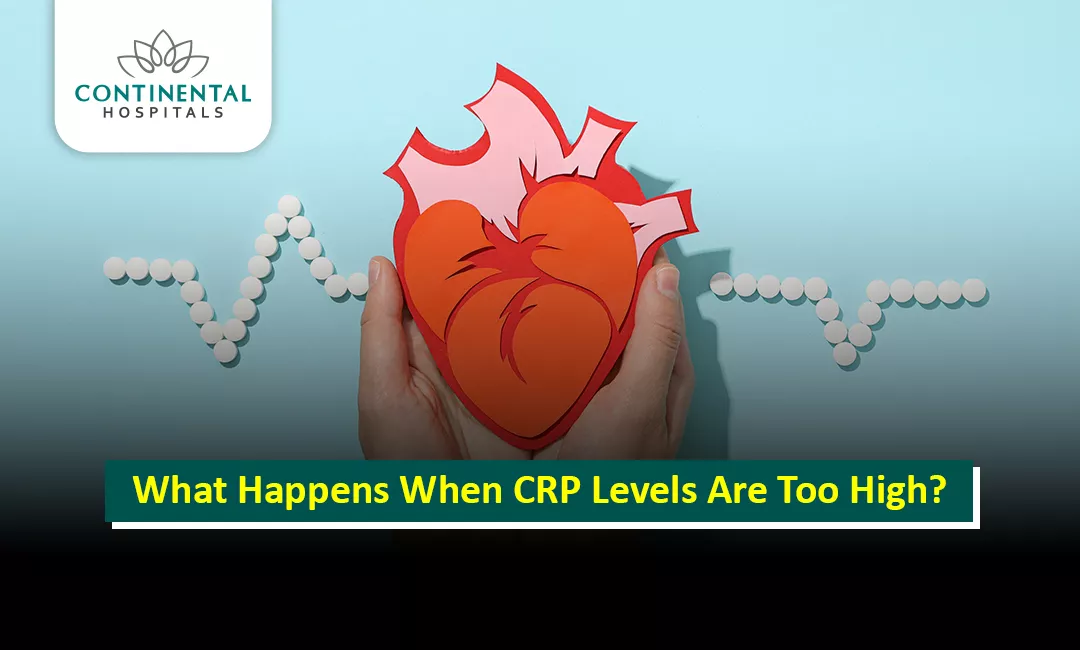
What Happens When CRP Levels Are Too High?

Written by - Editorial Team
Medically Reviewed by - Dr Rizvan Ahmed

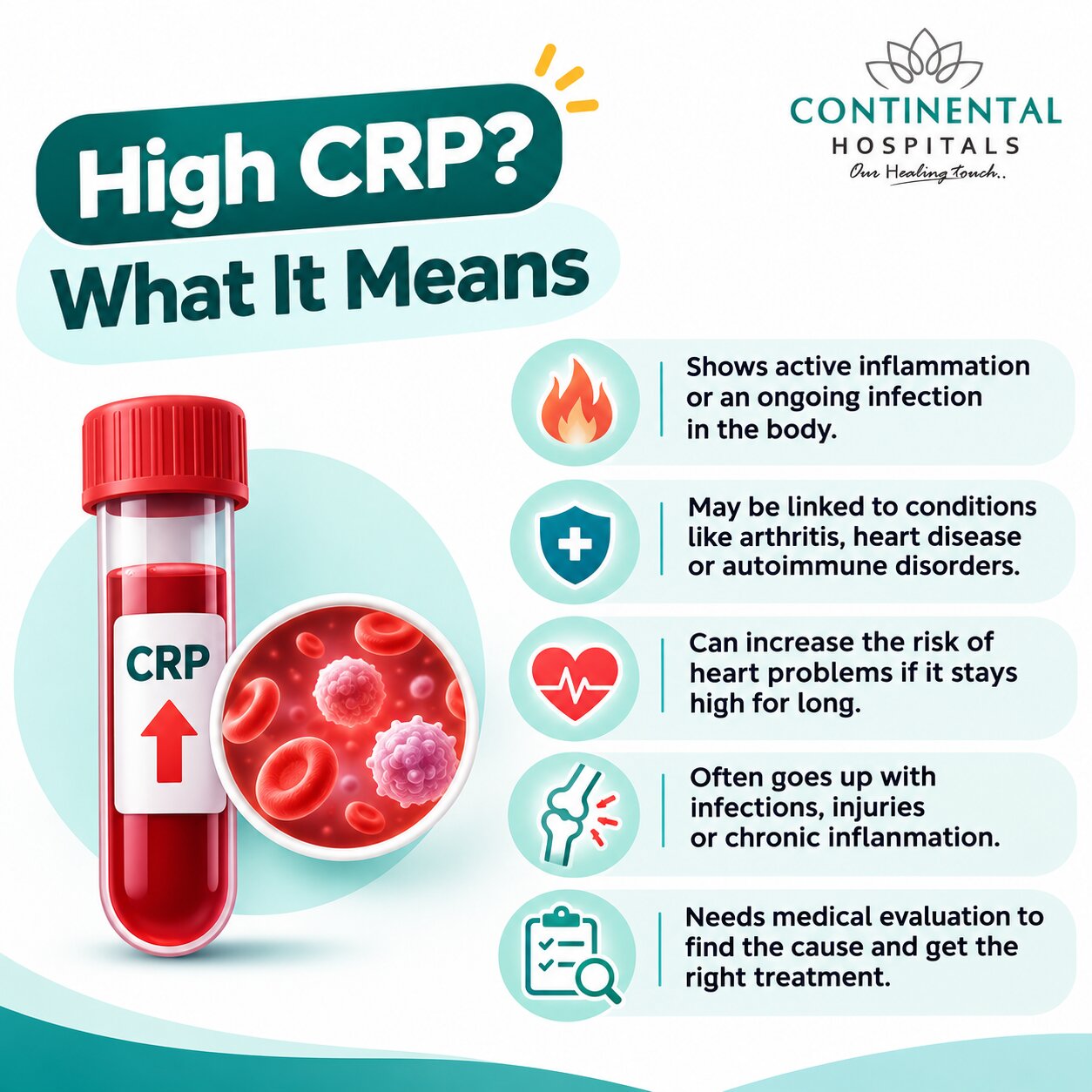
CRP levels are very significant in terms of determining the presence of inflammation in the body. CRP refers to C-reactive protein, a substance that is produced by the liver as a response to inflammation caused by infections, injuries, and some specific diseases. The CRP test enables medical practitioners to determine the presence of inflammation and the body's reaction to illness.

However, what about high CRP levels? In case of high CRP levels, it means that there might be an infection, inflammation, or tissue damage in your body. Although increased CRP levels do not point to any particular disease, they will give the doctor a better idea of your condition and whether additional testing is necessary.

What Is a Normal CRP Value?

What constitutes a normal CRP value? Normally, CRP levels are reported in units of milligrams per liter (mg/L). The actual normal value can differ between laboratories and different tests done.

In general, the following are the interpretations of a standard CRP test result:

  • Less than 10 mg/L: It represents a low degree of inflammation.
  • 10 to 100 mg/L: It may show moderate inflammation or infection.
  • More than 100 mg/L: It may be indicative of severe inflammation or infection.

These are the general ranges, and your physician would give you the final diagnosis based on these results.

Visit the Internal Medicine Department at Continental Hospitals, Hyderabad, for expert care, accurate diagnosis, and personalised treatment.

What Triggers High CRP Level?

CRP level is raised in the body due to several reasons. What makes CRP level to rise? There are certain diseases that raise CRP levels when the immune system reacts to infection, injury, or inflammation, causing the liver to produce more CRP. Here are some factors that increase CRP levels in the body.

Common triggers of high CRP include:

1. Infections: Bacterial and viral infections can cause inflammation.
2. Autoimmune Disorders: Diseases like rheumatoid arthritis and lupus can increase inflammation.
3. Cardiovascular Problems: Certain heart problems are linked to high CRP levels.
4. Chronic Inflammatory Disorders: Digestive diseases and others can cause chronic inflammation.
5. Obesity: Being overweight or obese can lead to inflammation.
6. Physical Injury: Any kind of injury, burns, or tissue damage can raise CRP levels.
7. Surgery: The body's healing process after a surgical procedure can increase CRP level.

Second Opinion

What Are the Symptoms of Elevated CRP Levels?

Are there any symptoms that high CRP levels could create? Elevated CRP levels themselves do not lead to symptoms; rather, they can lead to symptoms associated with the condition that leads to inflammation.

CRP-related symptoms may involve:

  • The presence of fever or chills.
  • Feeling unusually tired and weak.
  • Body pain and aches.
  • Joint pain or swelling.
  • Lack of appetite.
  • Pain or discomfort.
  • Symptoms caused by an infection, such as coughing or difficulty urinating.

In some cases, people may have elevated CRP levels but not experience any symptoms. In this case, testing for CRP in the blood becomes especially significant.

High Levels of CRP and Your Heart Health?

Is there a link between high levels of CRP and heart disease? Chronic inflammation may be related to a higher risk of developing cardiovascular diseases.

A particular test that detects small changes in CRP is known as the high-sensitivity C-reactive protein (hs-CRP). It can be used along with other risk factors for evaluating the risk of cardiovascular diseases among certain people.

But high levels of CRP do not necessarily imply that you have heart disease. Other factors like high blood pressure, high cholesterol, diabetes, smoking, and a family history should be taken into account.

How Is Elevated CRP Diagnosed?

How do physicians detect elevated inflammation in the body? The CRP test will help to establish the quantity of C-reactive protein in your blood.

Need an Appointment?

Your physician may recommend you undergo some diagnostic procedures according to your symptoms and medical history:

  • CRP Blood Test: Checks for the quantity of C-reactive protein.
  • Complete Blood Count (CBC): This is used to detect the presence of infection or abnormalities in the blood.
  • ESR Test: Gives further details about inflammation.
  • Kidney and Liver Tests: Useful to assess your organ function.

How Are High CRP Levels Lowered?

What methods should be used to lower CRP levels if they are too high? It depends on what causes these levels. There is no specific drug that can help lower CRP in all cases.

The following measures are suggested:

1. The treatment of infections caused by bacteria if needed using prescribed antibiotics.
2. The treatment of autoimmune and inflammatory diseases using prescribed drugs.
3. The maintenance of normal body weight with proper nutrition.
4. Physical activity prescribed by a physician.
5. Healthy food, including fruits, vegetables, whole grain foods, and fats.
6. The absence of smoking and limited alcohol drinking.
7. Control of diabetes, high blood pressure, and high cholesterol.

Do not use antibiotics or anti-inflammatory drugs without prescription.

Why Choose Continental Hospitals for Diagnostic and Treatment Purposes?

How does having a specialist become significant when one has high CRP? Elevated CRP could be associated with various diseases; therefore, it becomes necessary to know about the underlying cause to treat them correctly.

Continental Hospitals in Hyderabad offers professional medical services with the help of expert specialists and modern diagnostic tools along with multidisciplinary medical professionals. The hospital has obtained various national and international accreditations for healthcare and patients' safety, which include Joint Commission International (JCI) and National Accreditation Board for Hospitals and Healthcare Providers (NABH).

The hospital aims at determining the underlying cause of inflammation and providing the best treatments through appropriate diagnosis and specialist advice.

Conclusion

An increased CRP level means that inflammation may be occurring somewhere in the body. Inflammation may be caused by infections, autoimmune disorders, injuries, and various diseases. But increased CRP level doesn’t necessarily mean a specific disease has occurred. Identifying its causes will be the key to treatment.

If you experience fever, fatigue, body pains, joint pains, or any symptoms related to inflammation, consult our best internal medicine specialist in Hyderabad at Continental Hospitals, Hyderabad. Early diagnosis and proper treatment will help you identify the causes of inflammation and protect your overall health condition.


Frequently Asked Questions

CRP stands for C-reactive protein, a substance produced by the liver. It increases when inflammation occurs in the body. A CRP blood test helps detect inflammation. Normal CRP levels are generally below 5 mg/L, although reference ranges vary between laboratories. Levels above the laboratory's normal range may indicate inflammation. Mild elevations can occur due to minor infections or other conditions. Higher levels may suggest significant inflammation. CRP does not identify the exact cause of inflammation. Doctors interpret the result along with symptoms and medical history. A high CRP level may be associated with infections, autoimmune conditions or tissue injury. It can also increase in certain chronic diseases. Further investigations may be needed to identify the underlying problem. Consulting a doctor helps determine the appropriate next steps.
High CRP levels usually indicate inflammation somewhere in the body. Bacterial and viral infections are common causes. Autoimmune diseases such as rheumatoid arthritis can also increase CRP. Injuries and tissue damage may trigger inflammation. Certain chronic conditions can contribute to elevated levels. Obesity may also be associated with higher CRP levels. Smoking can increase inflammation in the body. Some inflammatory bowel conditions may cause elevated CRP. Recent surgery or physical trauma can also raise CRP. Certain cancers may be associated with increased inflammation. The level of CRP depends on the severity and cause of inflammation. A CRP test alone cannot confirm a specific disease. Doctors may recommend additional tests to identify the underlying cause. Early evaluation helps guide appropriate treatment.
High CRP itself does not usually cause specific symptoms. Symptoms depend on the condition responsible for inflammation. Fever may occur when the body is fighting an infection. Some people experience tiredness and weakness. Joint pain and swelling may indicate inflammatory conditions. Muscle aches can also occur. Redness and warmth around an affected area may suggest inflammation. Some patients experience unexplained weight loss. Persistent pain may be associated with an underlying health problem. Chills and sweating can occur during certain infections. Digestive discomfort may appear in people with intestinal inflammation. Some individuals may have elevated CRP without noticeable symptoms. A blood test is needed to identify increased CRP levels. Medical evaluation helps determine why these symptoms are occurring.
High CRP levels can indicate an underlying health condition that needs attention. The seriousness depends on the cause of inflammation. A slightly elevated level may occur due to minor infections or other temporary conditions. Very high levels can occur with serious infections and significant inflammation. Untreated bacterial infections may sometimes progress to sepsis. Chronic inflammation may also be associated with long-term health problems. Elevated CRP is linked with cardiovascular risk, but it cannot diagnose heart disease. Doctors consider other health factors when interpreting the result. Symptoms such as chest pain or breathing difficulty require immediate medical attention. Persistent fever should also be evaluated. A high CRP result should not be ignored. However, it does not automatically mean that a person has a serious disease. Identifying and treating the underlying cause is important. Follow your doctor's advice for further testing and treatment.
High CRP levels can be associated with inflammation affecting cardiovascular health. Persistent inflammation may contribute to the development of atherosclerosis. This condition involves the buildup of plaque inside the arteries. Inflammation can influence the progression of arterial plaque. Elevated CRP is also associated with an increased risk of cardiovascular events. However, a standard CRP test cannot diagnose a heart condition. A high-sensitivity CRP test may help assess cardiovascular risk in selected individuals. Doctors consider cholesterol levels and blood pressure as well. Diabetes, smoking and family history are also important factors. Chest discomfort and breathlessness should never be ignored. A doctor may recommend additional cardiac investigations when necessary. Managing underlying health conditions can help reduce cardiovascular risk. Regular exercise and a balanced diet support heart health. Medical guidance is important for understanding individual cardiovascular risk.
Reducing high CRP levels starts with identifying the underlying cause. Treating infections and inflammatory conditions can help lower CRP. Eating a balanced and nutritious diet supports overall health. Include fruits, vegetables and whole grains in daily meals. Foods rich in omega-3 fatty acids may support a healthy inflammatory response. Regular physical activity can help reduce chronic inflammation. Maintaining a healthy body weight is also important. Avoid smoking and limit exposure to tobacco smoke. Getting adequate sleep supports the body's recovery processes. Managing stress can contribute to better overall health. Avoid taking antibiotics or anti-inflammatory medicines without medical advice. Your doctor may recommend additional tests to monitor inflammation. Follow the prescribed treatment plan consistently. Healthy lifestyle habits can support long-term health.
Yes, infections are one of the common causes of increased CRP levels. The body produces more CRP in response to inflammation. Bacterial infections can cause a significant rise in CRP. Certain viral infections can also increase CRP levels. Respiratory infections may cause elevated readings. Urinary tract infections can also trigger inflammation. Skin infections and wound infections may raise CRP. The level can vary depending on the infection and its severity. CRP levels may increase within several hours after inflammation begins. They can decrease as the infection improves. However, a high CRP result cannot identify the specific infection. Doctors may recommend blood counts, cultures or other investigations. Treatment depends on the type and severity of infection. Seek medical attention if you experience persistent fever, severe weakness or worsening symptoms.
You should consult a doctor if your CRP levels are above the normal range. Medical evaluation is especially important when elevated levels persist. Unexplained fever may indicate an underlying infection. Persistent fatigue and weakness should also be investigated. Joint swelling and ongoing pain may suggest an inflammatory condition. Unexplained weight loss requires medical attention. Your doctor may recommend repeating the CRP test. Additional blood tests may help identify the cause. Depending on your symptoms, imaging or other investigations may be necessary. Do not interpret CRP results without considering your overall health. Seek emergency medical care for severe breathlessness, chest pain, confusion or signs of severe infection. Early diagnosis can help prevent complications. Follow your doctor's recommendations for treatment and monitoring. Consult an appropriate specialist based on the suspected underlying condition.
Disclaimer: The information provided in this blog is intended for general knowledge and informational purposes only, and does not constitute medical advice. Always consult with a qualified healthcare professional for any medical concerns or before making any decisions about your health.

Get in Touch With Us

Whether you are from India or abroad, we are here to help you with your medical queries. Please fill out the form below and our team will connect with you shortly.

  • ✔ Quick response from our medical experts
  • ✔ Secure data handling & privacy
  • ✔ Easy upload for reports & documents
banner_image

Chat with our medical experts on WhatsApp for quick assistance and hassle-free appointment booking

Recent Posts