post-title

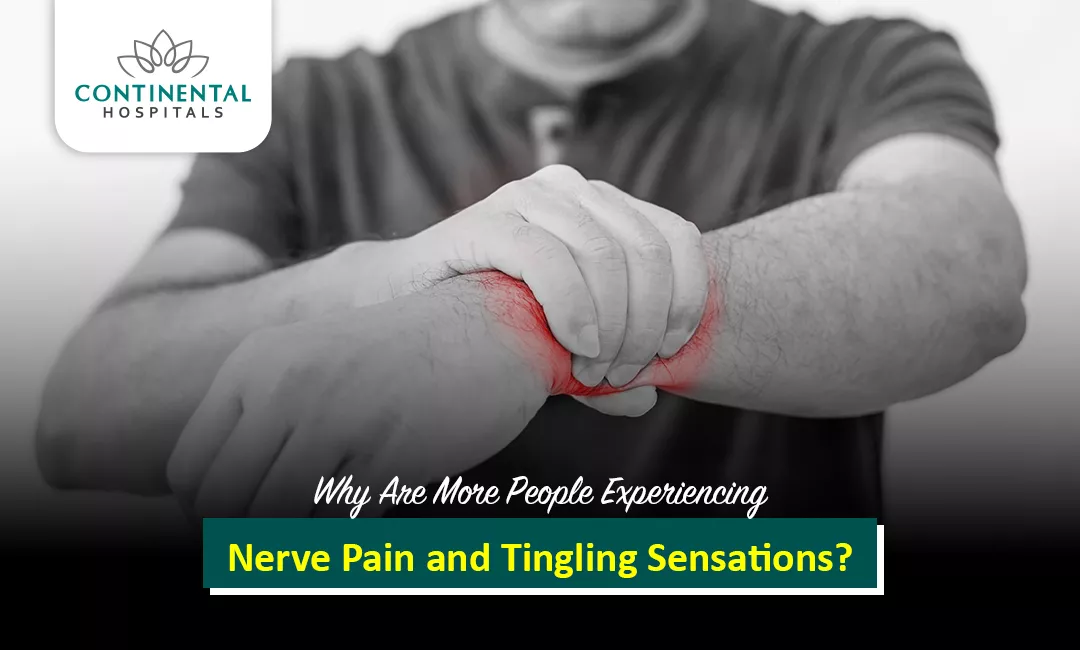
Why Are More People Experiencing Nerve Pain and Tingling Sensations?

Written by - Editorial Team
Medically Reviewed by - Dr Rahul Konduri

The symptoms of nerve pain and tingling sensation are fairly common and can affect patients from all age brackets. Nerve pain could result in the burning sensation of the feet, the tingling sensation of the hands, numbness of the fingers, or electric shocks felt on the legs. The tingling sensations may occur on a recurring basis or may persist for several days and disrupt your activities and sleep. Though occasional tingling sensations may be caused by the temporary nerve pressure, you shouldn’t overlook frequent or persistent symptoms.

What are the reasons why nerve pain and tingling sensations affect more people nowadays? Various issues such as diabetes, deficiency of some vitamins, nerve compression, injuries, and other conditions could impact the proper functioning of the nerves. It is important to understand the reasons behind the nerve pain and tingling of the hands and feet.

Causes of Nerve Pain and Tingling

What makes nerves cause people to feel pain, burning, or numbness? Nerves deliver information from the brain or spinal cord to other parts of the body. If these nerves get injured, irritated, or compressed, they will transmit wrong information, causing discomfort.

The common causes are as follows:

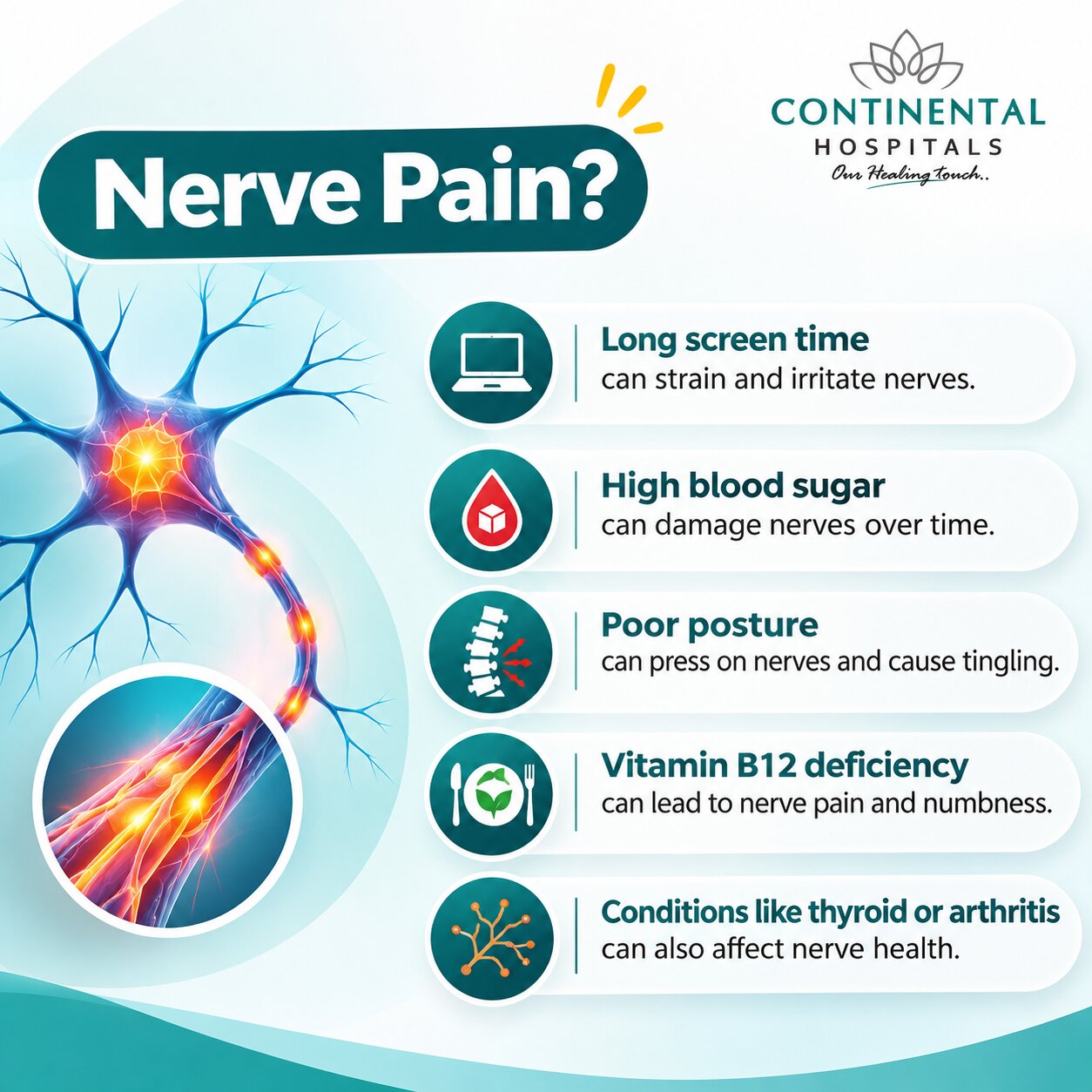
1. Diabetes – increased sugar levels in the body may damage nerves in the legs and feet. This is referred to as diabetic peripheral neuropathy.

2. Vitamins deficiency – shortage of vitamin B12 and some other vitamins influences nerves, causing numbness and tingling.

3. Nerves compression – compressed nerves caused by a slipped disc, carpal tunnel syndrome, or problems with the spine.

4. Trauma – any accidents or injuries may injure the nerves.

5. Alcohol abuse – long-term consumption of an excessive amount of alcohol may damage peripheral nerves.

Second Opinion

6. Thyroid disorders – certain conditions related to the thyroid gland may influence nerves and cause neuropathy.

7. Autoimmune disorders – certain autoimmune diseases cause nerve damage due to inflammation.

Visit the Neurology Department at Continental Hospitals, Hyderabad, for expert neurological care and advanced diagnostic services.

What are the most common indicators of nerve injury?

How do you detect a nerve injury? It depends on the particular nerves involved and the extent of the problem.

Indicators may be:

  • Tingling and pins and needles in the hands and feet.
  • Burning sensations, particularly in the feet.
  • Numbness and reduced sensation to touch.
  • Pain, described as sharp, shooting, or an electric shock.
  • Muscle weakness and difficulty gripping things.
  • Difficulty maintaining balance when walking.
  • Increased sensitivity to touch.
  • Pain that intensifies at night.

If you find yourself experiencing these symptoms regularly, a visit to your doctor will help to determine the cause.
Need an Appointment?

Why Do Tingling Hands and Feet Become Frequent?

What makes some individuals often have tingling sensations in their hands and feet? These changes in one’s lifestyle, underlying medical conditions, and nerve pressure might be among the causes for such symptoms.

Among the possible causes may be:

  • Long Period of Sitting: Prolonged sitting in one position might press your nerves.
  • Poor Glucose Level: Diabetes that is not regulated may cause damage to peripheral nerves.
  • Insufficient Nutrition: Lack of consumption or absorption of vitamins may affect your nerve’s condition.
  • Continuous Movements: Repetitive typing or movements of the hands may lead to nerve pressure.
  • Poor Positioning: Improper positioning during sitting and sleeping may result in nerve pressure in your neck or spine.

Nevertheless, the tingling shouldn’t always be associated with one’s lifestyle.

Peripheral Neuropathy—How Is It Diagnosed?

How can doctors find out what causes nerve pain and numbness? First and foremost, you need to discuss your symptoms and your medical history and conduct a physical exam.

Depending on your case, the doctor can order:

1. Nervous System Exams: Test the strength, reflexes, coordination, and sensitivity.
2. Blood Tests: To check for such possible causes as diabetes, B12 deficiency, thyroid disease, and others.
3. Nerve Conduction Study: Measures the efficiency of the electrical signals transmitted along the nerves.
4. EMG: This test is used to evaluate electrical activity of muscles.
5. Imaging Studies: MRI and other tests to detect nerve compression or spinal issues.

The key to successful treatment is finding the cause of peripheral neuropathy.

What is the treatment for nerve pain and tingling sensations?

Is it possible to treat damaged nerves? It all depends on the cause, seriousness, and type of nerve damage. An early diagnosis can aid in preventing more nerve damage in certain cases.

Possible treatments include:

  • Managing the blood glucose levels in patients with diabetes.
  • Providing proper nutrients via medically recommended supplements.
  • Taking medications for neuropathy.
  • Conducting physiotherapy sessions to increase strength, mobility, and stability.
  • Treating any nerve compression or spinal diseases.
  • Making lifestyle changes like eating right and exercising.

Do not start taking nerve pain medicines and vitamins without a physician's approval.

When Should I See a Neurologist?

If tingling and numbness persist, when should they worry me enough to seek professional help? One must see a neurologist if they suffer from continuous or repeated symptoms, inexplicable burning sensation, weakness in muscles, or difficulties moving around.

In case there is any unexpected numbness and weakness that appears on one side of the body, especially if it is accompanied by drooping of the face, speech problems, extreme vertigo, or abrupt vision changes, one should see a doctor immediately, as these may be the symptoms of a stroke.

Why Consider Choosing Continental Hospitals for Treatment of Nerve Problems?

What makes the choice of the right hospital significant in case of nerve problems? Nerve problems could be caused by a number of reasons.

Continental Hospitals of Hyderabad provides high-quality neurological services due to the availability of highly skilled neurologists, diagnostic equipment, and expertise in the medical field. The hospital is accredited by both national and international standards for healthcare, such as the Joint Commission International (JCI) and the National Accreditation Board for Hospitals & Healthcare Providers (NABH).

Taking into consideration modern medical facilities and the individual approach to every patient's treatment, the hospital aims at finding the cause of neurological problems.

Conclusion

Though nerve pain and tingling are sometimes transient, persistent numbness, burning feet, or tingling hands and feet may suggest that there is a health condition underlying them. Diabetes, deficiencies in vitamins, compression of nerves, and other neurodegenerative diseases can result in a disruption of normal nerve functioning.

Maintaining optimal blood glucose levels, adhering to proper nutrition, doing exercise, and obtaining timely medical assistance will assist you in protecting your nerves from any harm.

In case you have been experiencing recurring pains in your nerves, numbness, burning, and tingling of your hands and feet, visit the best neurologist in Hyderabad at Continental Hospitals, Hyderabad.

Related Blogs:

Nerve Pain in Legs? Possible Neurology Causes

Frequently Asked Questions

Nerve pain occurs when nerves become damaged, irritated, or compressed. It can develop due to several medical conditions and lifestyle factors. Diabetes is one of the common causes of nerve damage. Vitamin B12 deficiency can also affect normal nerve function. Long hours of sitting may contribute to nerve compression. Poor posture can put pressure on the nerves in the neck and back. Spinal problems such as slipped discs may cause nerve irritation. Infections and autoimmune conditions can also affect the nervous system. Some medications may cause nerve-related side effects. Nerve pain can feel like burning, stabbing, or shooting sensations. Early diagnosis helps identify the underlying cause. A neurologist can recommend appropriate tests and treatment. Persistent or worsening nerve pain should not be ignored.
Tingling in the hands and feet is often related to nerve irritation or damage. This sensation is commonly described as pins and needles. Sitting or sleeping in one position for too long can temporarily compress nerves. Diabetes may damage peripheral nerves and cause persistent tingling. Vitamin B12 deficiency can interfere with healthy nerve function. Poor blood circulation may sometimes contribute to similar sensations. Nerve compression in the neck or lower back can affect the arms or legs. Carpal tunnel syndrome may cause tingling in the fingers and hands. Peripheral neuropathy is another possible cause. Some people also experience numbness, burning, or weakness. Occasional tingling may disappear after changing positions. Frequent or persistent symptoms need medical evaluation. A neurologist can identify the cause and suggest suitable treatment.
Stress can contribute to physical sensations such as tingling and muscle discomfort. During stress, the body releases hormones that trigger its natural response system. Rapid breathing or hyperventilation may cause tingling in the hands and feet. Muscle tension can also increase discomfort around the neck and shoulders. Anxiety may make people more sensitive to existing pain sensations. Poor sleep caused by stress can further affect pain perception. However, stress is not the only cause of nerve pain. Persistent tingling may indicate an underlying neurological condition. Diabetes and vitamin deficiencies should also be considered. Nerve compression can produce similar symptoms. Identifying the actual cause is important before starting treatment. Relaxation, adequate sleep, and regular physical activity may help manage stress. Consult a neurologist if symptoms continue or become more severe.
Yes, nerve pain can be a complication of diabetes. Persistently high blood sugar levels can damage nerves over time. This condition is known as diabetic neuropathy. It commonly affects the nerves in the feet and legs. Some people experience tingling, burning, or numbness. Others may notice sharp pain or reduced sensation. Symptoms can sometimes develop gradually without obvious warning signs. Poorly controlled blood sugar increases the risk of nerve damage. Diabetes can also affect the nerves responsible for digestion and other body functions. Regular blood sugar monitoring is important for people with diabetes. Early diagnosis and proper diabetes management can help reduce further nerve damage. A doctor may recommend neurological examinations and blood tests. Seek medical advice if you experience unexplained tingling or numbness.
Yes, certain vitamin deficiencies can affect nerve health and cause tingling sensations. Vitamin B12 is particularly important for maintaining healthy nerves. Low vitamin B12 levels can damage the protective covering around nerves. This may result in numbness, burning, and pins-and-needles sensations. Vitamin B1 deficiency can also affect nerve function. Vitamin B6 deficiency may contribute to nerve problems. However, excessive vitamin B6 supplementation can also cause nerve damage. People with restricted diets may have a higher risk of certain deficiencies. Digestive conditions can sometimes interfere with vitamin absorption. Blood tests can help identify nutritional deficiencies. Treatment depends on the specific deficiency and its underlying cause. Doctors may recommend dietary changes or appropriate supplements. Avoid taking high-dose vitamin supplements without medical advice.
Nerve pain should be evaluated when it becomes frequent or persistent. Repeated tingling and numbness may indicate an underlying nerve problem. Burning sensations in the hands or feet should not be ignored. Pain that interferes with walking or daily activities needs medical attention. Muscle weakness can be another warning sign. Symptoms that gradually spread to other body parts require evaluation. People with diabetes should pay particular attention to changes in sensation. Early diagnosis can help prevent certain causes of nerve damage from progressing. A neurologist may recommend blood tests, nerve conduction studies, or imaging. Treatment depends on the underlying condition. It may include medication, physiotherapy, or lifestyle changes. Sudden weakness, facial drooping, or difficulty speaking requires emergency medical attention. New loss of bladder or bowel control with back pain or leg weakness also requires emergency assessment. Timely treatment can help protect nerve function and improve quality of life.
Nerve pain is diagnosed through a detailed medical evaluation. A doctor first reviews the patient's symptoms and medical history. The location and duration of pain provide important clues. A neurological examination helps assess sensation, reflexes, and muscle strength. Blood tests may identify diabetes or vitamin deficiencies. Nerve conduction studies measure how electrical signals travel through nerves. Electromyography may help assess muscle and nerve function. MRI scans may be recommended to identify spinal problems or nerve compression. Additional tests depend on the suspected underlying condition. Not every patient requires all these investigations. The doctor interprets the findings to identify the cause. An accurate diagnosis helps guide appropriate treatment. Early assessment can help prevent complications associated with untreated nerve conditions.
Healthy lifestyle habits can help reduce the risk of certain nerve problems. Maintaining healthy blood sugar levels is important for people with diabetes. Eating a balanced diet supports normal nerve function. Include foods rich in vitamin B12 and other essential nutrients. Regular physical activity helps maintain overall health. Avoid sitting in the same position for extended periods. Maintain proper posture while working or using electronic devices. Take regular breaks to reduce pressure on the neck and back. Avoid smoking because it can affect blood circulation and nerve health. Limit alcohol consumption to protect overall nervous system health. Manage existing medical conditions with regular checkups. Avoid taking medications or supplements without appropriate medical guidance. Seek medical attention if tingling, numbness, or burning sensations persist.
Disclaimer: The information provided in this blog is intended for general knowledge and informational purposes only, and does not constitute medical advice. Always consult with a qualified healthcare professional for any medical concerns or before making any decisions about your health.

Get in Touch With Us

Whether you are from India or abroad, we are here to help you with your medical queries. Please fill out the form below and our team will connect with you shortly.

  • ✔ Quick response from our medical experts
  • ✔ Secure data handling & privacy
  • ✔ Easy upload for reports & documents
banner_image

Chat with our medical experts on WhatsApp for quick assistance and hassle-free appointment booking

Recent Posts