.webp)


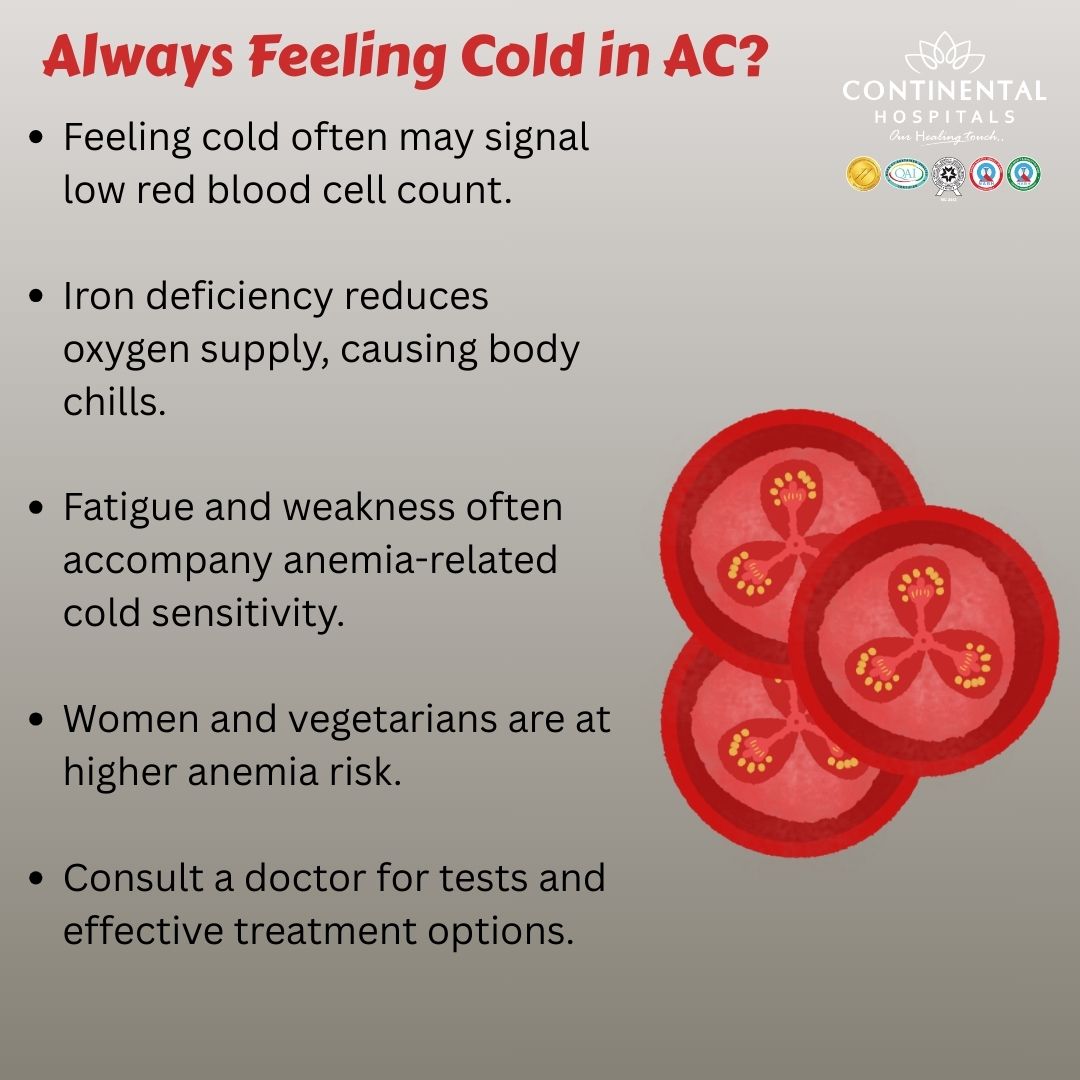
Do you often feel cold, even in air-conditioned rooms? Does your body shiver when others are perfectly comfortable? While many people may think it is just a natural sensitivity to cold, it could be a sign of anemia. Anemia is a common blood condition where your body lacks enough healthy red blood cells or hemoglobin to carry oxygen efficiently. One lesser-known symptom of anemia is feeling cold all the time, especially in your hands and feet.
Understanding why this happens can help you identify the issue early and seek the right medical care.
What Is Anemia?
Anemia occurs when your body does not have enough red blood cells to carry oxygen from your lungs to the rest of your body. Hemoglobin, a protein in red blood cells, is responsible for transporting oxygen. Low hemoglobin can reduce oxygen flow to organs and tissues, which can make you feel tired, weak, and cold.
Iron deficiency is the most common cause of anemia. Without enough iron, your body cannot produce sufficient hemoglobin. Other causes include vitamin B12 deficiency, chronic diseases, and certain genetic conditions.
Visit our Internal Medicine Specialists at Continental Hospitals for anemia care and early treatment to boost energy and wellbeing.
Why Anemia Can Make You Feel Cold
Feeling cold all the time can be caused by several factors, but anemia is often overlooked. Here’s why anemia can lead to cold intolerance:
Reduced Oxygen Delivery
Low hemoglobin means less oxygen reaches your tissues. Without adequate oxygen, your body struggles to generate heat, leaving you feeling chilly.
Poor Blood Circulation
Anemia can slow down blood flow, especially to the extremities. Cold hands and feet are common signs of poor circulation caused by anemia.

Lower Metabolic Rate
Iron deficiency can impact your metabolism. A slower metabolism reduces heat production, increasing sensitivity to cold temperatures.
Weak Muscles and Fatigue
Feeling tired due to anemia reduces your body’s ability to maintain normal warmth.
Common Cold Symptoms Linked to Anemia
If you are experiencing cold intolerance, check for these accompanying symptoms of anemia:
- Feeling cold in air-conditioned rooms or even in mild temperatures
- Cold hands and feet
- Low energy and constant fatigue
- Pale skin or nails
- Shortness of breath
- Dizziness or headaches
- Rapid heartbeat
Not everyone with anemia experiences all these symptoms. Even if you have only a few, it is important to get tested.
Iron Deficiency and Cold Intolerance
Iron deficiency anemia is a major cause of feeling cold all the time. When iron levels drop, hemoglobin production decreases, reducing oxygen transport. This directly affects your body’s ability to maintain temperature.
Signs of Iron Deficiency Cold Symptoms Include:
- Shivering easily or feeling unusually cold
- Weakness and lethargy
- Pale or yellowish skin
- Brittle nails and hair loss
Identifying iron deficiency early can prevent complications and improve overall health.
How to Know If You Have Anemia
If you suspect anemia, your doctor may recommend:
- Complete Blood Count (CBC) to check hemoglobin levels
- Iron Studies to measure iron, ferritin, and transferrin levels
- Vitamin B12 and Folate Tests if your anemia is not due to iron deficiency
Consulting a specialist ensures accurate diagnosis and effective treatment.
Treatments for Anemia
Treatment depends on the cause and severity of anemia. Common approaches include:
- Iron Supplements to correct iron deficiency
- Dietary Changes by adding iron-rich foods like leafy greens, lentils, and lean meats
- Vitamin B12 or Folate Supplements if deficiencies exist
- Managing Underlying Conditions if anemia is caused by chronic diseases
Regular follow-ups help monitor improvement in hemoglobin levels and reduction of cold intolerance.
Tips to Manage Feeling Cold at Home
While treatment addresses the root cause, some measures can help reduce cold symptoms:
- Wear warm clothing, especially socks and gloves
- Keep your living space comfortably heated
- Eat small, frequent meals to boost metabolism
- Stay hydrated
- Include iron-rich foods in your diet
These steps can complement medical treatment and improve daily comfort.
Why Choose Continental Hospitals for Anemia Treatment?
Continental Hospitals is one of the best hospitals in Hyderabad, providing comprehensive care for anemia and related health conditions. With state-of-the-art facilities, accredited by leading healthcare authorities, and a team of experienced specialists, patients receive precise diagnosis and personalized treatment plans.
Our hematology and internal medicine departments ensure every patient is carefully evaluated, and advanced treatments are provided under expert supervision. We focus on holistic care, from lab tests and dietary advice to long-term monitoring.
At Continental Hospitals, patient comfort, safety, and outcomes are our top priorities. Our accredited systems guarantee that every treatment follows international standards.
Key Takeaways
- Feeling cold all the time may indicate anemia, especially if accompanied by fatigue and cold extremities
- Iron deficiency is a major cause of anemia-related cold intolerance
- Early diagnosis through blood tests can prevent complications
- Treatment includes supplements, dietary changes, and managing underlying conditions
- Simple lifestyle measures can help manage cold symptoms while undergoing treatment
Conclusion
If you often feel cold in air-conditioned spaces or notice cold hands and feet, it could be more than just sensitivity to temperature. Anemia, particularly iron deficiency anemia, may be the underlying cause. Seeking medical evaluation at a trusted hospital like Continental Hospitals can help you understand the reason behind these symptoms and provide the right treatment.
If you are experiencing persistent cold intolerance, fatigue, or other symptoms of anemia, consult our best internal medicine specialists at Continental Hospitals. Early detection and proper treatment can improve your energy levels, warmth, and overall quality of life.
Related Blog Topics: