.webp)
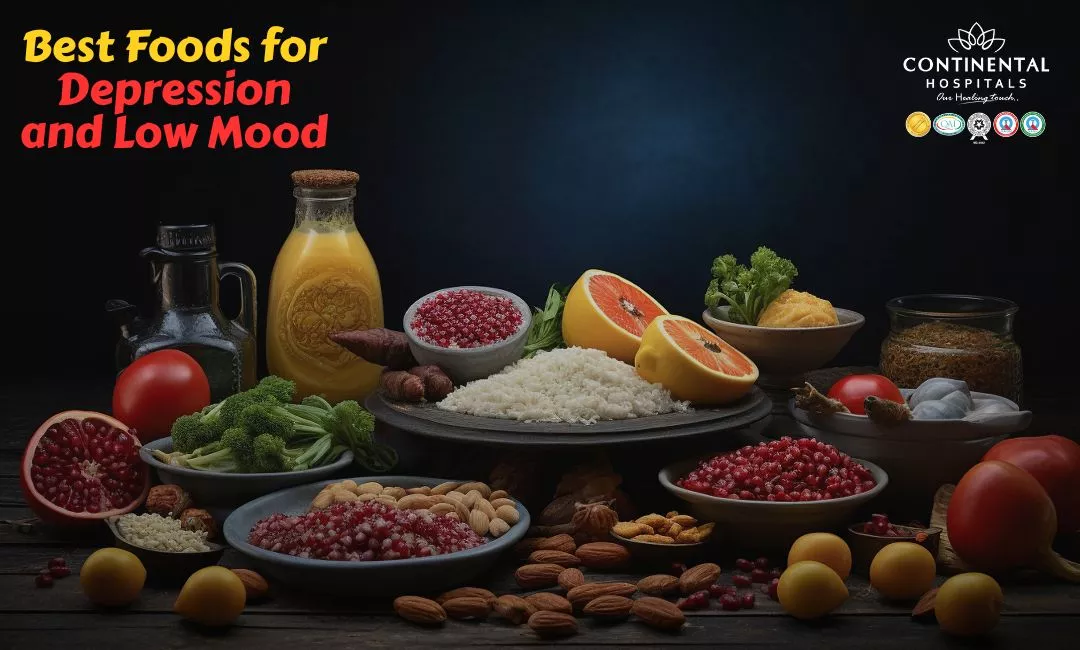
Depression is more than feeling sad for a day or two. It is a serious mental health condition that affects how a person thinks, feels, eats, sleeps, and functions daily. Many people experience depression symptoms such as persistent low mood, lack of interest, tiredness, poor concentration, appetite changes, and disturbed sleep. Along with medical care, lifestyle changes play an important role in recovery. One powerful but often overlooked factor is food and mood.
Research shows a strong connection between what we eat and how our brain functions. Certain foods support brain chemicals that regulate mood, while poor nutrition can worsen depression and anxiety.
Understanding the Link Between Food and Mood
The brain needs a steady supply of nutrients to produce neurotransmitters like serotonin and dopamine. These chemicals help regulate emotions, motivation, and sleep. When the diet lacks essential vitamins, minerals, and healthy fats, the risk of depression increases.
Food also affects gut health. The gut and brain communicate constantly through the gut-brain axis. A healthy gut supports better mood, while an unhealthy gut may worsen signs of depression. This is why foods for depression and foods for anxiety often overlap.
Visit our Psychiatry Department at Continental Hospitals, Hyderabad. Consult our best psychiatrists for personalized care, accurate diagnosis, and holistic treatment. Book today.
Can Food Help in Depression?
Food alone cannot cure depression. However, the right foods can help manage symptoms, improve energy levels, support brain health, and enhance the effectiveness of treatment. A balanced diet is an important part of how to deal with depression naturally, alongside therapy and medication when required.
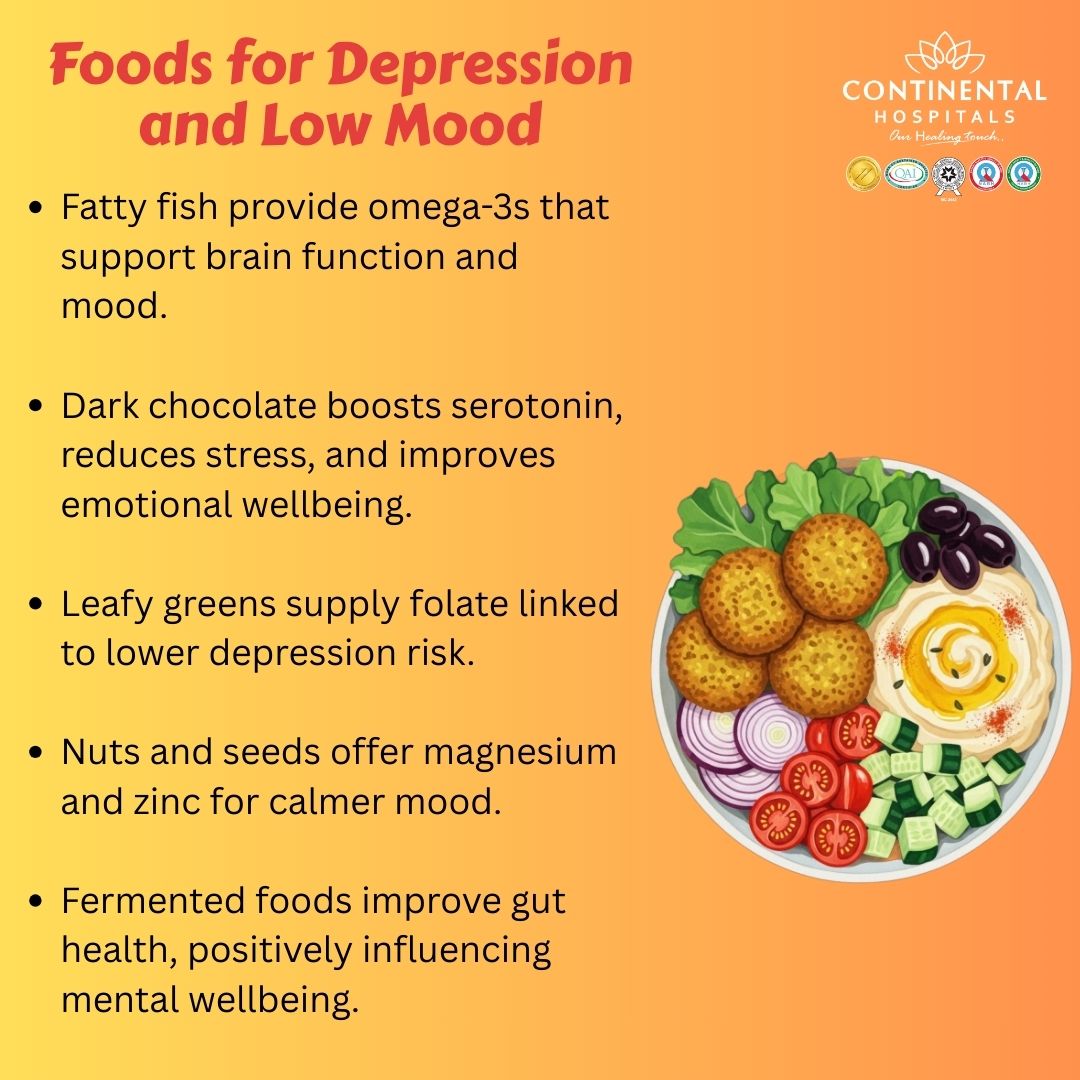
Best Foods for Depression and Low Mood
Below are scientifically supported foods that help support mental health and emotional balance.
Fatty Fish

Fatty fish such as salmon, sardines, and mackerel are rich in omega-3 fatty acids. Omega-3s help reduce inflammation and support brain cell communication. Low levels of omega-3s have been linked to depression symptoms.
Benefits include:
- Supports brain function and memory
- Helps reduce low mood and anxiety
- May improve response to antidepressants
Leafy Green Vegetables
Spinach, kale, and other leafy greens are rich in folate, magnesium, and antioxidants. Folate deficiency is commonly seen in people with depression.
Why they matter?
- Support serotonin production
- Help reduce mental fatigue
- Improve overall mental health
Nuts and Seeds
Almonds, walnuts, flaxseeds, and pumpkin seeds provide healthy fats, zinc, and selenium. Zinc deficiency is associated with depression and poor emotional regulation.
How they help:
- Support nerve function
- Improve stress response
- Promote emotional stability
Whole Grains
Brown rice, oats, whole wheat, and millets release energy slowly and help maintain stable blood sugar levels. Blood sugar spikes can worsen mood swings and irritability.
Whole grains help by:
- Supporting steady energy levels
- Improving concentration
- Reducing mood fluctuations
Fruits Rich in Antioxidants
Berries, oranges, bananas, and apples are rich in vitamins and antioxidants that protect brain cells from stress and damage.
Key benefits:
- Reduce oxidative stress linked to depression
- Support brain health
- Improve overall mood
Fermented Foods
Yogurt with live cultures, kefir, and traditional fermented foods support gut health. A healthy gut helps regulate mood and emotional balance.
Why gut health matters?
- Improves gut-brain communication
- Supports production of mood-regulating chemicals
- Helps reduce anxiety and low mood
Dark Chocolate in Moderation
Dark chocolate contains flavonoids that improve blood flow to the brain and support mood. It also stimulates the release of feel-good chemicals.
Benefits include:
- Improves short-term mood
- Reduces stress hormones
- Enhances emotional wellbeing
Lean Protein Sources
Eggs, legumes, tofu, and lean meats provide amino acids needed to produce neurotransmitters.
Protein helps by:
- Supporting dopamine and serotonin production
- Improving focus and motivation
- Reducing mental fatigue
Foods to Limit When Managing Depression
Just as some foods support mental health, others may worsen depression symptoms.
Limit:
- Highly processed foods
- Excess sugary snacks
- Refined carbohydrates
- Excess caffeine
- Alcohol
These can lead to energy crashes, poor sleep, and increased anxiety.
Practical Eating Tips to Overcome Depression
Making changes does not need to be complicated. Small, consistent steps help.
Helpful tips:
- Eat regular meals to avoid energy dips
- Include protein in every meal
- Add vegetables and fruits daily
- Stay hydrated
- Avoid skipping meals
- Practice mindful eating
Signs of Depression That Need Medical Attention
Dietary changes help, but professional support is essential if symptoms persist.
Common signs of depression include:
- Feeling sad or empty most of the day
- Loss of interest in daily activities
- Changes in appetite or weight
- Sleep disturbances
- Difficulty concentrating
- Feelings of hopelessness
- Thoughts of self-harm
If you notice these signs, it is important to seek help early.
Why Choose Continental Hospitals for Mental Health Care?
Continental Hospitals is recognized as one of the best hospitals in Hyderabad, offering comprehensive mental health care under one roof. The hospital follows global standards of safety and quality, supported by internationally recognized accreditations such as NABH and JCI.
What makes Continental Hospitals a trusted choice?
- Experienced psychiatrists, psychologists, and mental health specialists
- Evidence-based treatment for depression and anxiety
- Integrated care combining medical treatment, counseling, and lifestyle guidance
- Advanced diagnostic facilities
- Patient-centered and confidential care environment
- Multidisciplinary approach for long-term mental wellness
The mental health team focuses not only on treating symptoms but also on helping patients understand how to overcome depression with sustainable lifestyle changes, including nutrition and stress management.
How Food Fits into a Complete Depression Treatment Plan?
Food supports recovery, but it works best alongside:
- Psychiatric evaluation
- Psychotherapy or counseling
- Medication when prescribed
- Regular physical activity
- Healthy sleep routines
This balanced approach improves outcomes and helps patients regain control over their mental health.
Conclusion
Depression affects millions of people and can deeply impact quality of life. While it is not caused by diet alone, food plays a powerful role in supporting brain health and emotional balance. Including the right foods for depression and low mood can help reduce symptoms, improve energy, and support overall mental health.
If you or a loved one is experiencing persistent sadness, anxiety, or signs of depression, do not ignore it. Early care makes a significant difference.
consult our best psychiatrist at Continental Hospitals, Hyderabad. Our mental health specialists provide personalized care, accurate diagnosis, and holistic treatment plans to help you overcome depression and regain emotional wellbeing. Book a consultation today and take the first step toward better mental health.
Related Blog Topics: