.webp)

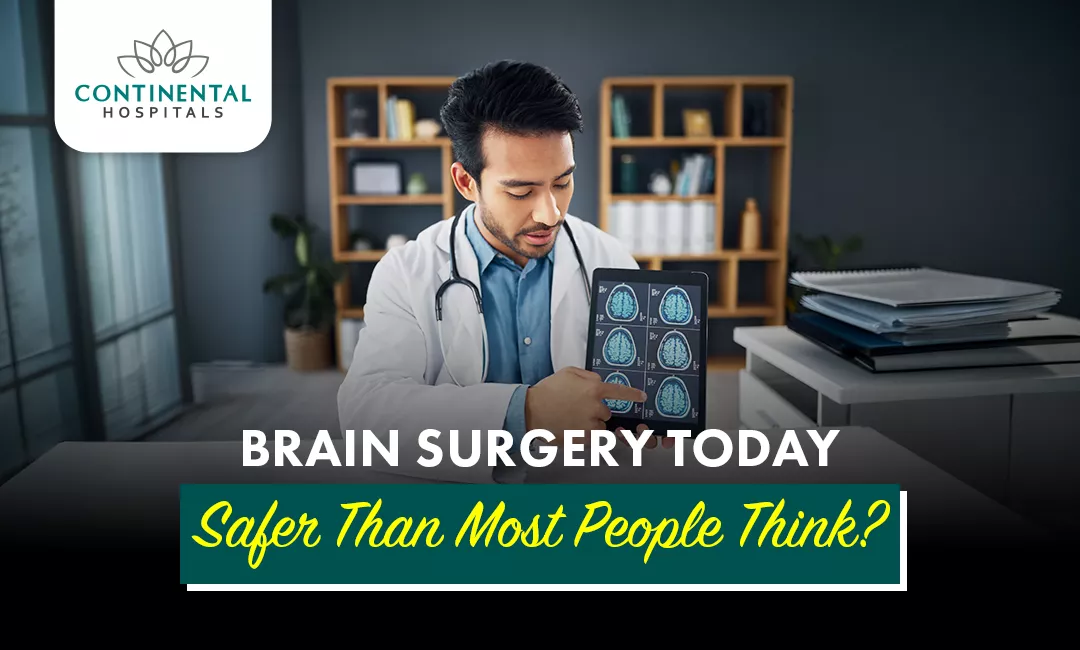
Simply hearing about brain surgery conjures up the most primal of human fears. The brain is the most complex, fragile network of memories, personality and life sustaining systems in the human body and the ultimate boundary of the human body-machine interface. The risks of neurosurgery in earlier times were high, and so the myth persists that brain surgery is high-risk and/or a last resort.
The reality today is a different story. Brain surgery is safer, more accurate, and more effective. The miracles of technology and surgical precision that once seemed like miracles are now just routine scalpel work.
Is Brain Surgery Safe Today?
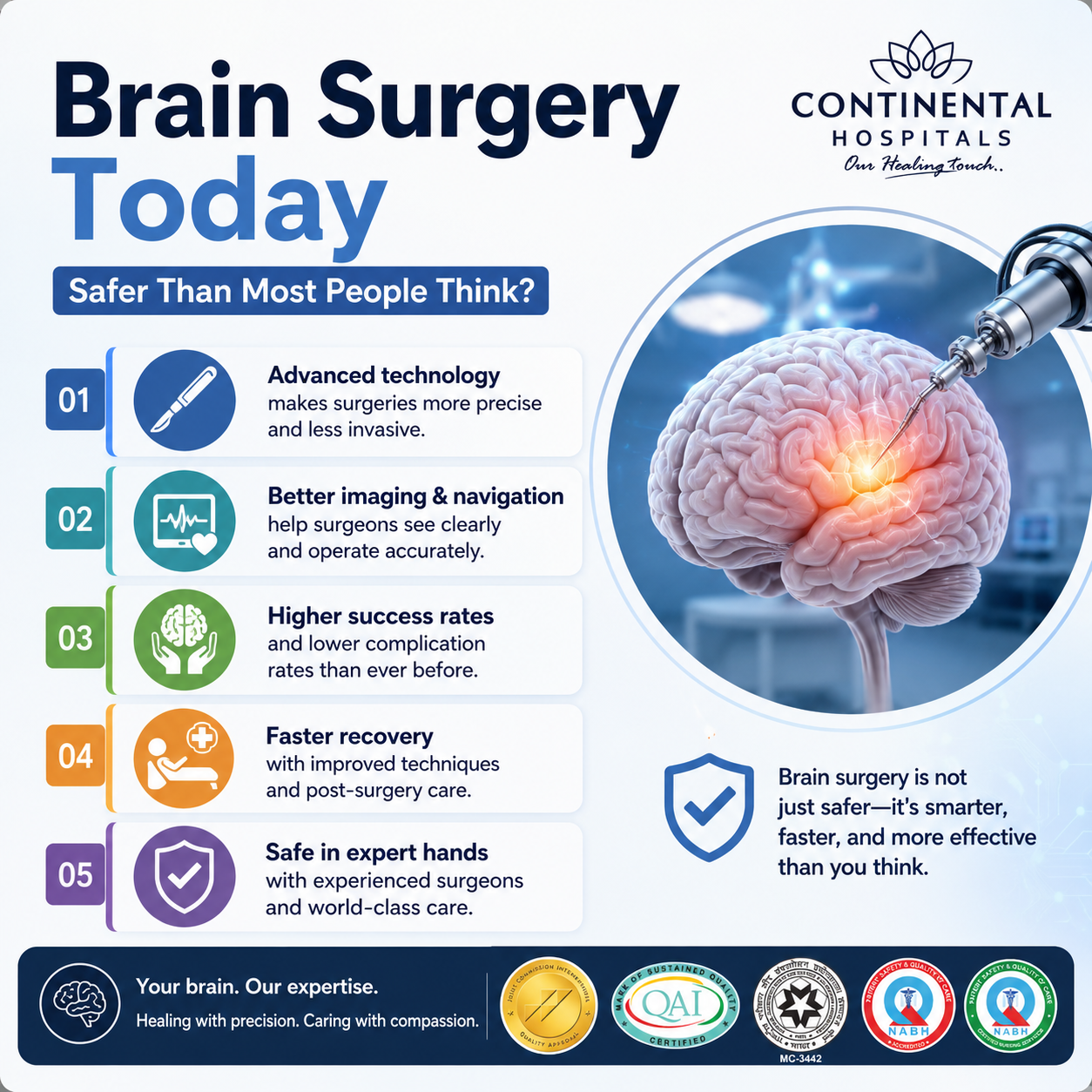
Previously, surgeons depended upon large incisions and manual exploration. Today the focus is on minimal invasiveness. The goal of today's brain surgeon is to optimize the best clinical outcome with minimal dissection of healthy brain tissue.
1. Precision Navigation and Mapping
Much like a GPS helps you navigate a complex city, neuronavigation systems now guide surgeons through the brain. These systems use high-resolution imaging to create a 3D map of the patient’s anatomy. This allows the neurosurgeon to see exactly where they are in relation to critical structures, ensuring that the brain surgery is performed with millimeter-level accuracy.
2. Advanced Imaging Technology
Intraoperative MRI and CT scans allow surgeons to view real-time images of the brain during the procedure. This is a game-changer for brain tumor surgery. By seeing the tumor in real-time, surgeons can ensure that they have removed as much of the growth as possible before the procedure is even finished, reducing the need for repeat surgeries.
3. Robotic Assistance and Micro-Surgical Tools
Robotic-assisted systems provide a level of stability and precision that the human hand alone cannot achieve. Coupled with high-powered microscopes, these tools allow for safe brain surgery even in the most sensitive areas of the brain, such as the brainstem or deep-seated functional zones.
Visit the best neuro doctor hyderabad at Continental Hospitals for expert diagnosis and advanced treatment for brain, spine, nerve, and neurological disorders.
Why is modern brain surgery safer than before?
Many people worry about the recovery and the potential for long-term complications. While every surgery carries some level of risk, the statistics for neurosurgery treatment have improved significantly. Factors contributing to this safety include:
- Minimally Invasive Techniques: Smaller incisions mean less blood loss, a lower risk of infection, and a much faster healing process.
- Neuro-Anesthesia: Specialized anesthesia techniques keep the patient’s vital signs stable while ensuring the brain remains protected throughout the operation.
- Neuromonitoring: Throughout the brain surgery, specialists monitor the electrical activity of the brain and nerves. If the surgeon gets too close to a functional area—like the part of the brain that controls speech or movement—the system provides immediate feedback.
What are the key procedures in neurosurgery treatment?
Modern neurosurgery covers a wide spectrum of conditions. It is not just about trauma or emergencies; it is about improving the quality of life. Common procedures include:

Brain Tumor Surgery: Removing benign or malignant growths while preserving cognitive function.
- Aneurysm Repair: Strengthening weakened blood vessels to prevent life-threatening bleeds.
- Functional Neurosurgery: Treating conditions like Parkinson’s disease or epilepsy through deep brain stimulation.
- Biopsies: Using needle-thin tools to take tissue samples for accurate diagnosis without the need for traditional open surgery.
Why Choose Continental Hospitals for Brain Surgery?
When it comes to something as vital as the brain, the choice of healthcare provider is the most important decision a patient can make. Continental Hospitals stands as a beacon of excellence in the field of neurosciences, offering world-class care right here in Hyderabad.
Excellence in Clinical Standards
Continental Hospitals is widely recognized as the best hospital in Hyderabad for complex neurological care. We maintain the highest standards of medical ethics and patient safety. Our facility is designed to provide a seamless experience from diagnosis to rehabilitation.
Global Accreditations
Safety is not just a promise; it is a verified standard. Continental Hospitals holds prestigious accreditations, including the following:
JCI (Joint Commission International): This gold standard in global healthcare ensures that we follow the strictest international safety protocols.
NABH (National Accreditation Board for Hospitals & Healthcare Providers): This confirms our commitment to quality clinical outcomes and patient-centric care.
Dedicated Neuro-Intensive Care
Recovery after brain surgery requires specialized attention. Our dedicated Neuro-ICU is staffed by experts who understand the nuances of post-operative brain care. This ensures that any minor changes in a patient’s condition are addressed immediately, further enhancing the safety profile of our treatments.
Multidisciplinary Approach
At Continental Hospitals, a patient does not just see a surgeon. They are cared for by a team that includes neurologists, neuro-radiologists, specialized nurses, and rehabilitation therapists. This holistic approach ensures that every aspect of the patient's health is monitored and optimized for a successful recovery.
Conclusion
The fear surrounding brain surgery is understandable, but it is often based on outdated information. Today, the field of neurosurgery is defined by precision, technology, and safety. By choosing a facility with the right expertise and international accreditations, patients can approach their treatment with confidence and hope.
If you or a loved one are facing a neurological challenge, remember that the brain is resilient, and modern medicine is more capable than ever before. The path to recovery starts with an accurate diagnosis and a team that prioritizes your safety above all else.
If you suffer from persistent headaches, neurological deficits, or have been diagnosed with a condition requiring brain surgery, do not delay your care. Early intervention is often the key to the best possible outcome.
Consult our best neurologist in Hyderabad today at Continental Hospitals. Our specialists are dedicated to providing the highest level of care for all types of neurosurgery treatment, ensuring that you receive the best medical attention in the best hospital in Hyderabad. Your health and safety are our primary mission.
Related Blog Topics: