.webp)

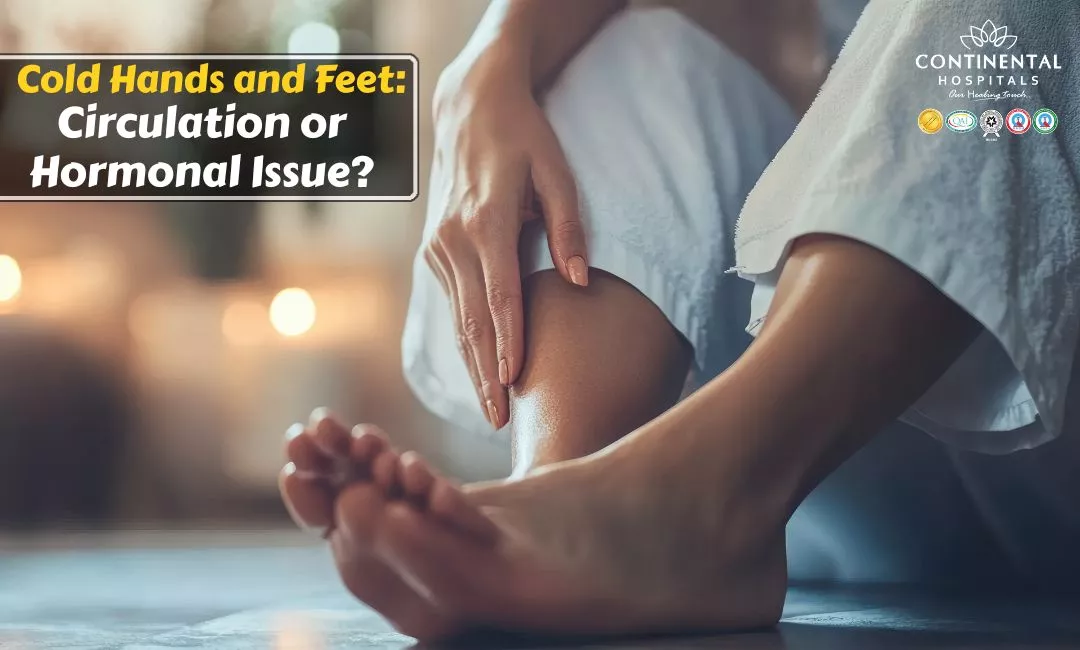
Cold hands and feet is a common condition that many people experience, often making daily life uncomfortable. While it may seem like a minor issue, persistent cold hands and feet can sometimes indicate underlying health problems. Understanding the causes, symptoms, and remedies can help you manage this condition effectively.
Why Do Hands and Feet Get Cold?
Cold hands and feet occur when blood flow to the extremities is reduced. Blood circulation plays a vital role in keeping your hands and feet warm. When the body redirects blood to vital organs, the extremities may feel cold. But cold hands and feet are not always just about circulation. Hormonal imbalances, lifestyle factors, and certain medical conditions can also play a role.
Visit our General Physician department at Continental Hospitals for expert care. Early diagnosis of cold extremities ensures effective treatment.
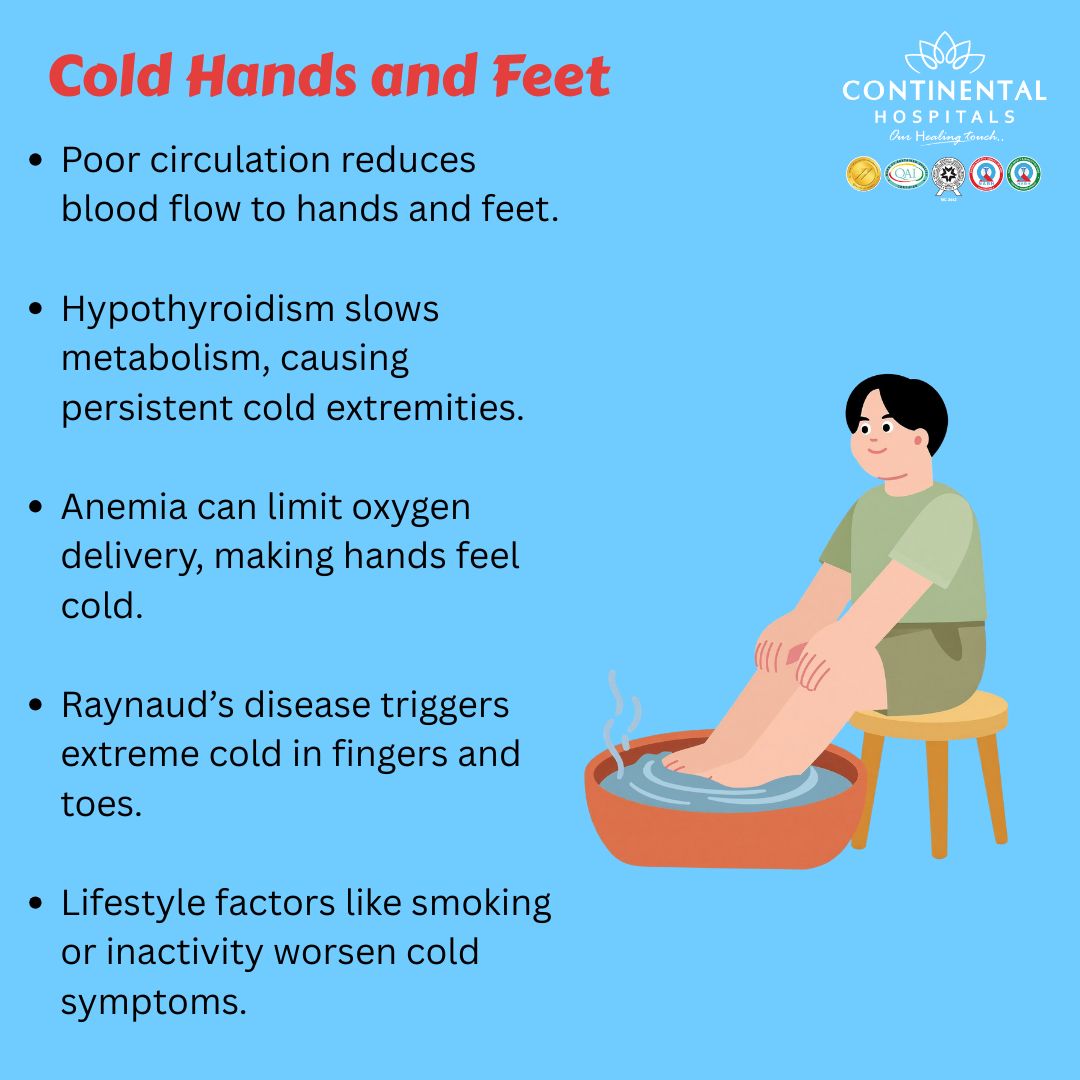
Some common reasons include:
- Reduced blood circulation
- Thyroid problems
- Low iron levels
- Nervous system issues
- Diabetes or vascular disorders
Common Causes of Cold Hands and Feet
1. Blood Circulation Issues
Blood circulation is key to regulating body temperature. Poor circulation means that less warm blood reaches the hands and feet, making them feel cold. Conditions like peripheral artery disease or clogged arteries can significantly reduce blood flow to the extremities.
2. Hormonal Imbalances
Hormones regulate many body functions, including temperature control. An underactive thyroid or hormonal changes can slow down metabolism, leading to cold hands and feet. Women may also experience this during menopause due to fluctuating hormone levels.
3. Nervous System Disorders
The nervous system plays a role in regulating blood vessel constriction. Certain conditions like neuropathy or nerve damage can cause the blood vessels in your hands and feet to constrict too much, reducing warmth.
4. Lifestyle and Environmental Factors
Simple lifestyle choices can contribute to cold hands and feet. Sitting for long periods, not exercising, smoking, and consuming excessive caffeine can reduce blood flow. Cold weather exposure can also worsen the condition.

5. Nutritional Deficiencies
Low levels of iron, vitamin B12, or other essential nutrients can cause the body to struggle with proper blood circulation. This may lead to cold extremities and fatigue.
6. Chronic Medical Conditions
Certain chronic illnesses, such as diabetes, anemia, or cardiovascular diseases, can affect circulation and make your hands and feet cold more often.
Signs and Symptoms to Watch For
It’s important to identify when cold hands and feet may indicate a more serious issue. Symptoms include:
- Hands and feet that are cold all the time
- Pale or bluish skin on fingers and toes
- Numbness or tingling sensations
- Pain or cramps in fingers or toes
- Swelling in extremities
- Changes in skin texture
If you notice these symptoms consistently, it is essential to consult a doctor. Early diagnosis can prevent complications.
How to Fix Cold Hands and Feet
There are several remedies and lifestyle changes you can try to manage cold hands and feet.
1. Improve Circulation
- Exercise regularly to boost blood flow
- Massage hands and feet to stimulate circulation
- Avoid sitting for long periods
2. Dress Warmly
- Wear layered clothing and socks
- Use gloves when outside in cold weather
3. Maintain a Healthy Diet
- Include iron-rich foods like leafy greens and lean meats
- Consume foods rich in vitamin B12 and omega-3 fatty acids
- Stay hydrated
4. Manage Stress
- Stress can cause blood vessels to constrict, worsening cold hands and feet
- Practice relaxation techniques like yoga or deep breathing
5. Medical Treatments
If cold hands and feet are caused by an underlying condition, medical treatment may be necessary. Treatments may include thyroid medication, vascular therapy, or other doctor-recommended interventions.
When to See a Doctor
While occasional cold hands and feet are common, persistent symptoms may require medical attention. You should consult a doctor if you experience:
- Cold hands and feet consistently
- Pain, numbness, or color changes in extremities
- Swelling or ulcers on fingers or toes
- Signs of other underlying health conditions
A specialist in internal medicine, endocrinology, or cardiology can help determine the root cause of cold hands and feet and provide targeted treatment.
Cold Feet Causes and Remedies in Points
- Poor blood circulation is a common cause
- Hormonal imbalance like hypothyroidism may contribute
- Nervous system disorders can affect extremities
- Lifestyle factors such as smoking and inactivity worsen symptoms
- Nutritional deficiencies play a role in circulation
- Wearing warm clothing can provide temporary relief
- Regular exercise improves blood flow
- Medical treatment may be necessary for persistent conditions
Why Choose Continental Hospitals?
Continental Hospitals is recognized as one of the best hospitals in Hyderabad for comprehensive care. Here’s why you should choose Continental if you are experiencing cold hands and feet:
- Accredited by national and international health authorities, ensuring high standards of care
- Advanced diagnostic facilities to accurately identify causes of circulation and hormonal issues
- Experienced specialists in internal medicine, endocrinology, cardiology, and vascular care
- Patient-centric approach with personalized treatment plans
- State-of-the-art infrastructure and technology to provide effective care
- Trusted by thousands of patients for reliable and safe treatment
Continental Hospitals combines expertise, technology, and compassionate care to address both common and complex health issues.
Conclusion
Cold hands and feet can be more than just a minor inconvenience. They may indicate circulation problems, hormonal imbalances, or other health conditions that need attention. Paying attention to symptoms, adopting healthy lifestyle habits, and seeking timely medical advice can prevent complications and improve quality of life.
Consult our best general physician at Continental Hospitals can help identify the cause and provide effective treatment. Don’t ignore persistent cold extremities, as early intervention can make a significant difference.
Related Blog Topics: