.webp)

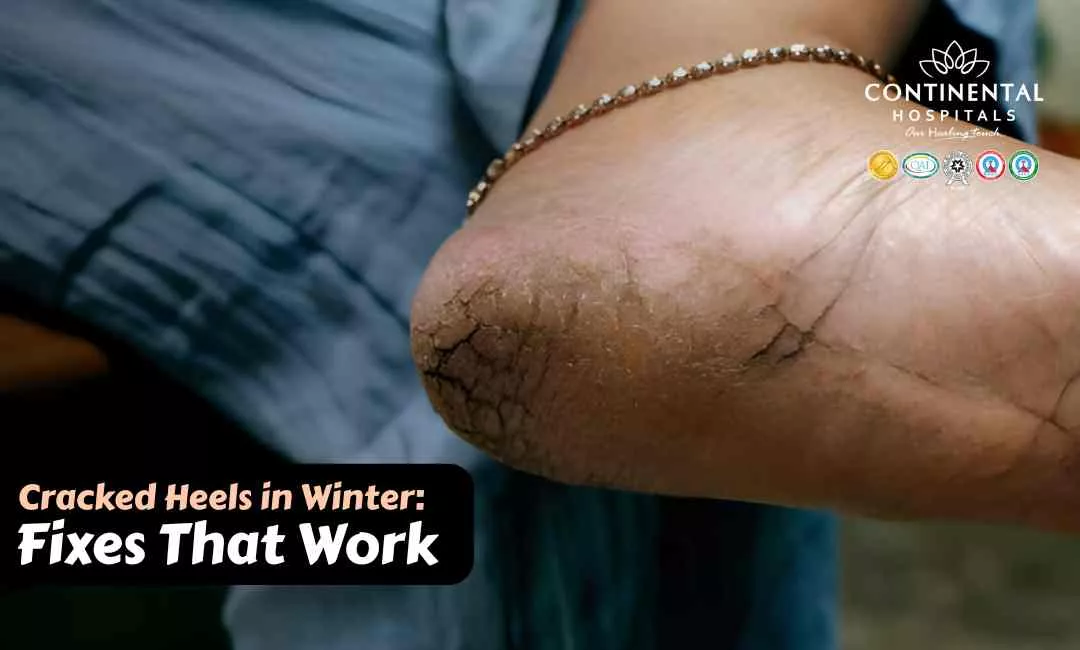
Winter is the season when your skin demands extra attention, especially the feet. Many people experience cracked heels in winter due to cold weather, reduced moisture in the air, and insufficient foot care. When the skin around the heels becomes dry and hard, it can lead to painful fissures that make walking uncomfortable. The good news is that cracked heels can be managed and even prevented with the right winter skin foot care routine.
Why Cracked Heels Become Worse in Winter?
Cold weather brings down humidity levels. When there is less moisture in the environment, the skin on your feet loses hydration faster than normal. The skin around the heels is naturally thicker, so when it becomes dry, it tends to split easily. Wearing open footwear, prolonged standing on hard floors, ageing, obesity, or certain skin conditions can make heel fissures even worse.
If you want to protect your feet from seasonal dryness, understanding the triggers is the first step.
Common Symptoms of Cracked Heels in Winter
- Dry, rough and hard skin around the heel area
- Peeling or flaky skin
- Thin or deep heel fissures
- Thick callus formation
- Pain while standing or walking
- Redness or minor bleeding in severe cases
When the heel cracks deepen, they can allow dirt and bacteria to enter, increasing the risk of infection. This makes cracked heel care essential during the winter months.
Effective Winter Cracked Heel Solutions
Moisturise the Right Way
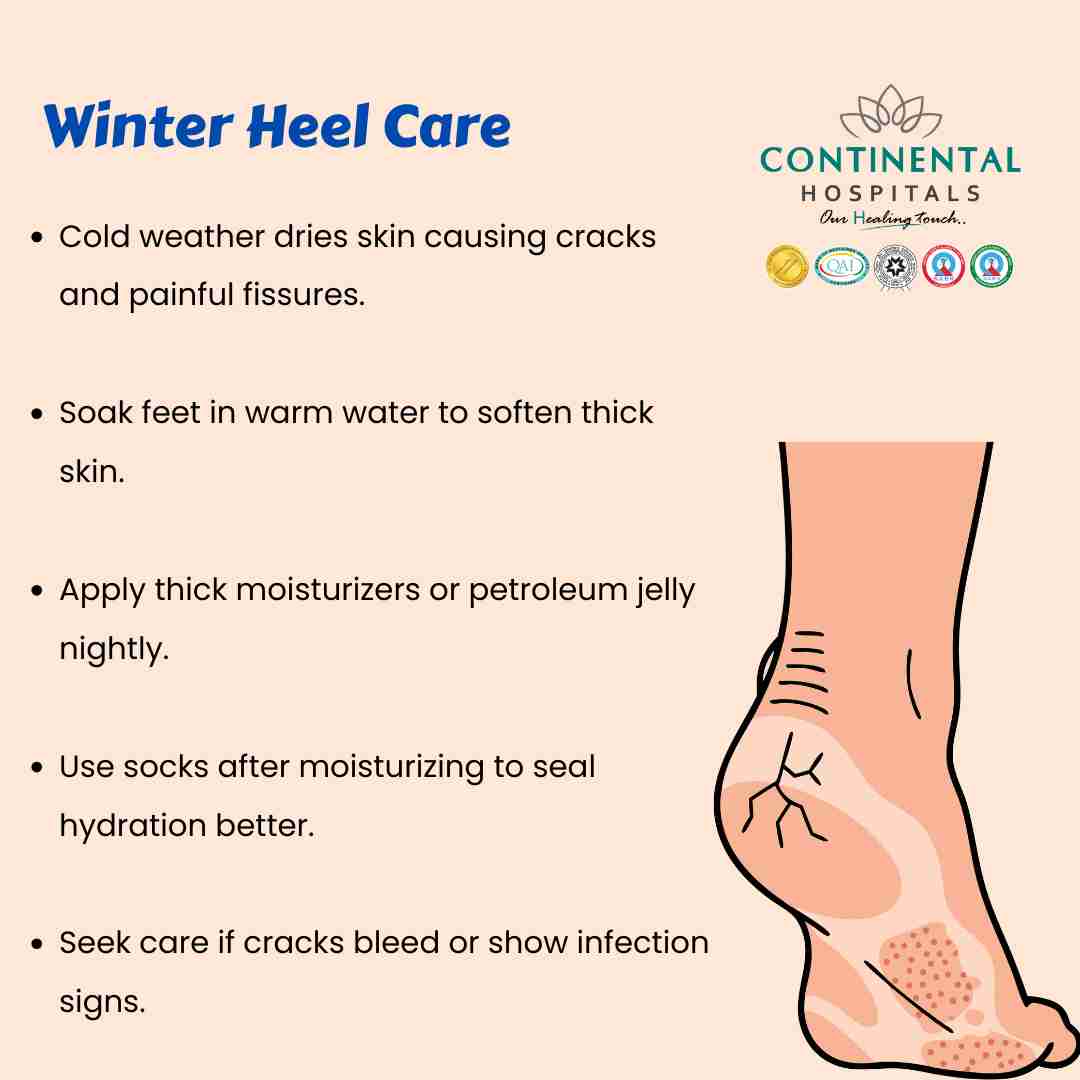
Moisturising is the foundation of dry heels winter care. Use thick foot creams containing ingredients like urea, glycerin, lactic acid, shea butter or petroleum jelly. Urea foot cream benefits include softening hard skin, reducing cracks and improving hydration retention. Applying the cream just after a bath helps lock in moisture.
Soak and Exfoliate
A warm water foot soak softens the skin and prepares it for exfoliation. You can add mild antiseptic or gentle cleansers to the water. After soaking for ten to fifteen minutes, use a pumice stone to remove the dry, dead skin. Avoid harsh scrubbing as it can worsen heel fissures.
Use Heel Balms
Heel balms are thicker than regular moisturisers and are designed to heal cracks faster. They contain humectants and emollients that soothe irritation and repair damaged skin layers. Using a heel balm before bedtime gives superior overnight nourishment.

Wear Socks After Moisturising
Cotton socks help retain moisture and prevent dust entry. Wearing socks after applying cream supports deep absorption and reduces friction that can worsen cracks.
Choose the Right Footwear
Closed shoes made of breathable materials protect your heels from cold, dry air. Avoid open sandals, thin soles or extremely hard shoes that put extra pressure on the heel area.
Maintain Hygiene
Keep your feet clean and dry at all times. Moisture between the toes can lead to fungal infections, while dirt buildup can irritate cracked skin. A consistent hygiene routine is crucial for heel crack prevention.
Simple Cracked Heel Home Remedies
While medical-grade foot creams offer the best results, these natural methods can support your winter foot care routine
- Warm water and salt soak
- Coconut oil or almond oil massage before bed
- Honey as a natural foot mask
- Oatmeal and milk foot scrub
- Petroleum jelly applied overnight
These remedies should be combined with proper moisturisation for effective results.
When You Need Medical Treatment
If your heels are severely cracked, painful or infected, at-home remedies may not be enough. You may need professional heel fissures treatment from a dermatologist or podiatry specialist. Medical care helps when
- Cracks show signs of infection
- Bleeding or deep fissures occur
- There is persistent pain while walking
- You have diabetes or poor circulation
- Thick calluses keep returning
Doctors may prescribe medicated urea creams, antifungal creams, softening agents or minor debridement procedures to remove dead skin safely.
Foot Care Routine for Winter
A structured routine can keep cracked heels away throughout the season.
Morning
• Clean your feet with lukewarm water
• Apply a moisturising cream
• Wear socks or comfortable shoes
Evening
• Soak your feet once or twice a week
• Exfoliate gently
• Apply urea based or thick heel cream
• Wear soft socks overnight
Weekly
• Inspect feet for cracks
• Trim nails and maintain hygiene
• Repeat exfoliation and deep moisturisation
Following this routine promotes smooth, healthy feet even in harsh winter weather.
Prevention Tips for Winter Cracked Heels
- Drink enough water to stay hydrated from within
- Avoid long hot showers which strip natural oils
- Moisturise feet daily without fail
- Limit the use of harsh soaps
- Use foot creams containing urea or lactic acid
- Avoid walking barefoot on hard surfaces
- Check feet regularly if you have diabetes
- Maintain a nutrient-rich diet for skin health
Adopting these preventive measures reduces the chances of dryness and fissures during winter.
Why Choose Continental Hospitals for Cracked Heel and Skin Care?
Continental Hospitals is a leading healthcare provider in Hyderabad known for advanced dermatology care and foot health management. The hospital follows international patient safety standards and holds prestigious accreditations that reflect excellence in clinical quality, hygiene and patient services. Dermatology specialists at Continental Hospitals use evidence based protocols, gentle treatment methods and personalised plans for dry skin winter tips, heel fissures treatment and chronic foot problems.
Patients benefit from comprehensive assessment, modern diagnostic tools, medically approved foot care products, and continuous follow up support. The hospital ensures comfort, safety and long term results for all skin and foot related concerns.
Conclusion
Cracked heels in winter are common but manageable. With consistent care, the right products and healthy habits, your feet can stay smooth and pain free throughout the season. If your heel cracks are severe, persistent or infected, seeking professional care is important to prevent complications.
If you suffer from chronic cracked heels or any foot skin problem, consult our best dermatology specialists at Continental Hospitals. Expert evaluation and customised treatment can help restore the health of your feet quickly and safely.