.webp)

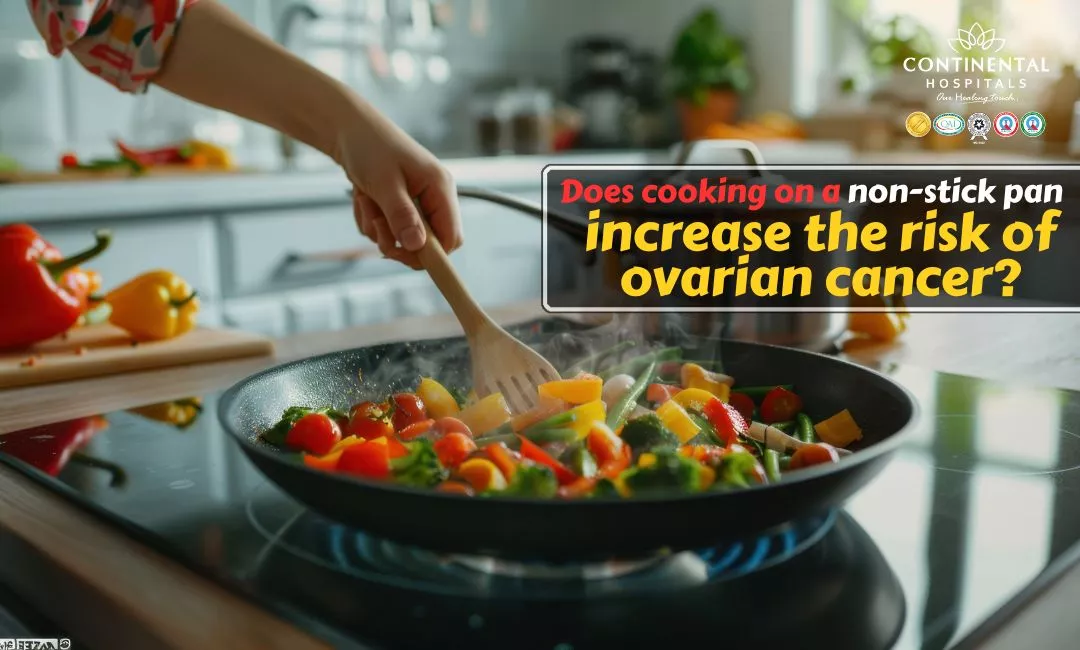
Non-stick pan cookware is found in almost every modern kitchen. It makes cooking easier, requires less oil, and helps prevent food from sticking. But in recent years, many people have started asking an important question. Does cooking on a nonstick pan increase the risk of ovarian cancer?
This concern has created confusion among families, especially women who cook daily. Let us understand the science, the risks, and the facts in simple and clear language.
What Is a Non-Stick Pan Made Of?
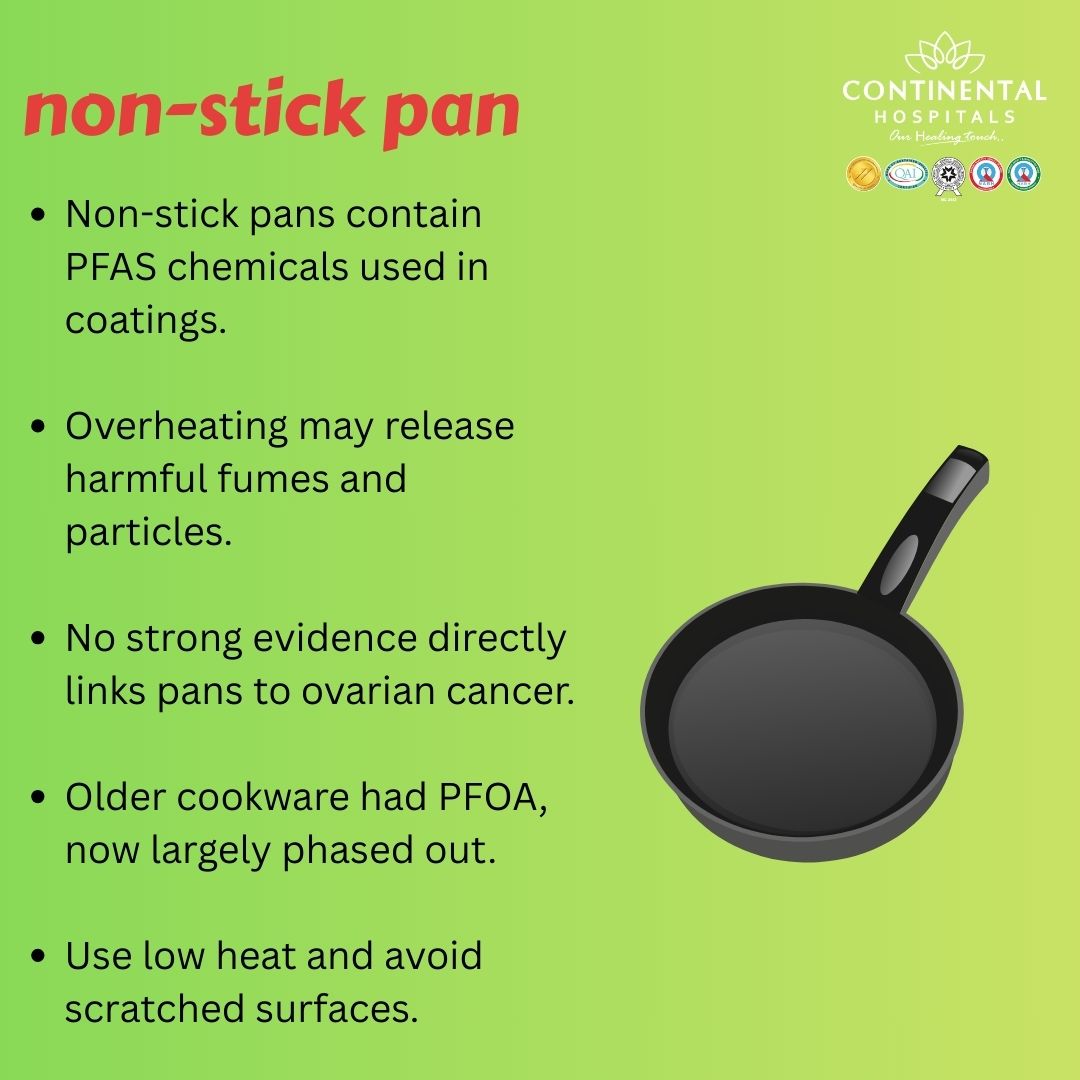
A non-stick pan is usually coated with a chemical layer that prevents food from sticking. Most commonly, this coating is made from polytetrafluoroethylene, often called PTFE. Earlier, another chemical called PFOA was used in the manufacturing process. PFOA raised health concerns and was linked to certain cancers in high exposure cases.
Today, most reputed brands manufacture non-stick pan products without PFOA. This has significantly improved non-stick cookware safety.
Visit our Medical Oncology Department to consult expert oncologists for accurate diagnosis and personalized cancer care. Book your appointment today.
Where Did the Ovarian Cancer Concern Start?
The fear about non-stick pan ovarian cancer risk mainly came from studies that looked at industrial exposure to PFOA. Workers exposed to high levels of this chemical for many years showed increased risks of certain health problems, including some cancers.
However, this does not directly mean that using a non-stick pan at home causes ovarian cancer. Industrial exposure is very different from normal kitchen use.
Still, the question remains. Does a non-stick pan cause cancer?
What Does Research Say?

Current scientific research does not confirm that cooking in a non-stick pan causes ovarian cancer.
Here is what studies suggest:
• Most modern non-stick cookware is PFOA-free.
• PTFE coating is stable at normal cooking temperatures
• Risk increases only if the pan is overheated beyond recommended levels
• Damaged or scratched coating may release fumes if exposed to very high heat
There is no strong evidence proving a direct link between non-stick pan health risks and ovarian cancer in everyday home cooking.
Health authorities across the world state that properly used non-stick cookware is considered safe.
When Can a Non-Stick Pan Become Risky?
Although non-stick cookware safety is generally acceptable, misuse can create problems.
A non-stick pan may release harmful fumes if:
• It is heated empty for a long time
• The temperature goes beyond recommended cooking levels
• The coating is badly scratched or peeling
• Metal spoons damage the surface
At extremely high temperatures, the coating may break down and release fumes that can irritate the lungs. However, this is not directly proven to cause ovarian cancer.
So, is non-stick cookware safe? Yes, when used correctly.
Understanding Ovarian Cancer
Ovarian cancer develops in the ovaries, which are part of the female reproductive system. The exact cause of ovarian cancer is still not fully understood. However, certain risk factors are known:
• Family history of ovarian or breast cancer
• Genetic mutations like BRCA1 and BRCA2
• Age above fifty
• Hormonal factors
• Obesity
Kitchen cookware has not been established as a confirmed cause.
If you are worried about non-stick pan ovarian cancer, it is important to separate fear from facts. Current medical evidence does not show a direct link between normal household use of a non-stick pan and ovarian cancer.
Non-Stick Pan Health Risks Explained Clearly
Let us simplify the main points:
• Old cookware containing PFOA raised concerns
• Modern non-stick pan products are largely PFOA-free.
• Overheating any cookware can release harmful substances
• Proper usage reduces health risks
• No clear evidence links normal use to ovarian cancer
The real risk is more about incorrect usage than the cookware itself.
Safe Cooking Tips for Non-Stick Cookware
To ensure non-stick cookware safety, follow these simple steps:
• Do not heat the empty pan.
• Use low to medium flame
• Avoid metal spoons
• Replace damaged or peeling pans
• Wash gently without harsh scrubbers
By following these steps, you can continue using your non-stick pan safely.
Should You Stop Using Non-Stick Pans?
Many patients ask, does a non-stick pan cause cancer, and should I throw it away?
The answer depends on how you use it. If your cookware is old, heavily scratched, or made before strict safety regulations, replacing it may be wise. But there is no need for panic if you use modern, certified cookware responsibly.
Cooking methods, overall diet, lifestyle, and genetics play a far greater role in cancer risk than everyday cookware.
When Should You See a Doctor?
Instead of worrying about cookware alone, focus on early symptoms of ovarian cancer. These may include:
• Persistent bloating
• Pelvic or abdominal pain
• Feeling full quickly
• Frequent urination
• Unexplained weight loss
If you experience these symptoms for more than a few weeks, consult a specialist immediately.
Early diagnosis improves treatment outcomes significantly.
Why Choose Continental Hospitals?
If you are concerned about ovarian cancer or any gynecological health issue, choosing the right hospital makes all the difference.
Continental Hospitals is recognized as one of the best hospitals in Hyderabad for comprehensive cancer care and women’s health services.
Here is why patients trust Continental Hospitals:
• NABH and JCI accredited hospital ensuring international quality standards
• Advanced diagnostic technology for early cancer detection
• Dedicated Gynecology and Gynecologic Oncology specialists
• Multidisciplinary cancer care approach
• Evidence-based treatment protocols
• Highly experienced surgical and medical oncology teams
• Patient-centered care with compassionate support
Accreditations reflect strict adherence to patient safety, clinical excellence, and global healthcare benchmarks. At Continental Hospitals, quality and safety are always prioritized.
Key Takeaways
To summarize clearly:
• No strong scientific proof links non-stick pan use to ovarian cancer
• Modern non-stick cookware safety standards are improved
• Avoid overheating or damaging your cookware
• Focus on overall health and regular screenings
• Seek medical advice if you notice persistent symptoms
The fear surrounding non-stick pan ovarian cancer mainly comes from past chemical exposure studies, not everyday cooking practices.
Conclusion
So, does cooking on a non-stick pan increase the risk of ovarian cancer?
Based on current scientific evidence, the answer is no when the cookware is modern, well maintained, and used properly. Non-stick pan health risks are minimal under normal cooking conditions. The greater risk lies in ignoring early warning signs of disease rather than in everyday kitchen tools.
If you are experiencing persistent abdominal symptoms or have a family history of ovarian cancer, do not ignore it.
Consult our expert gynecologic oncology specialists at Continental Hospitals, the best hospital in Hyderabad for advanced women’s health care. Early detection saves lives, and the right medical guidance brings peace of mind.
Our team includes expert medical oncologists who work together to provide accurate diagnoses and personalized treatment plans. Book a consultation with our specialists today and take the first step toward informed and confident health decisions.