.webp)

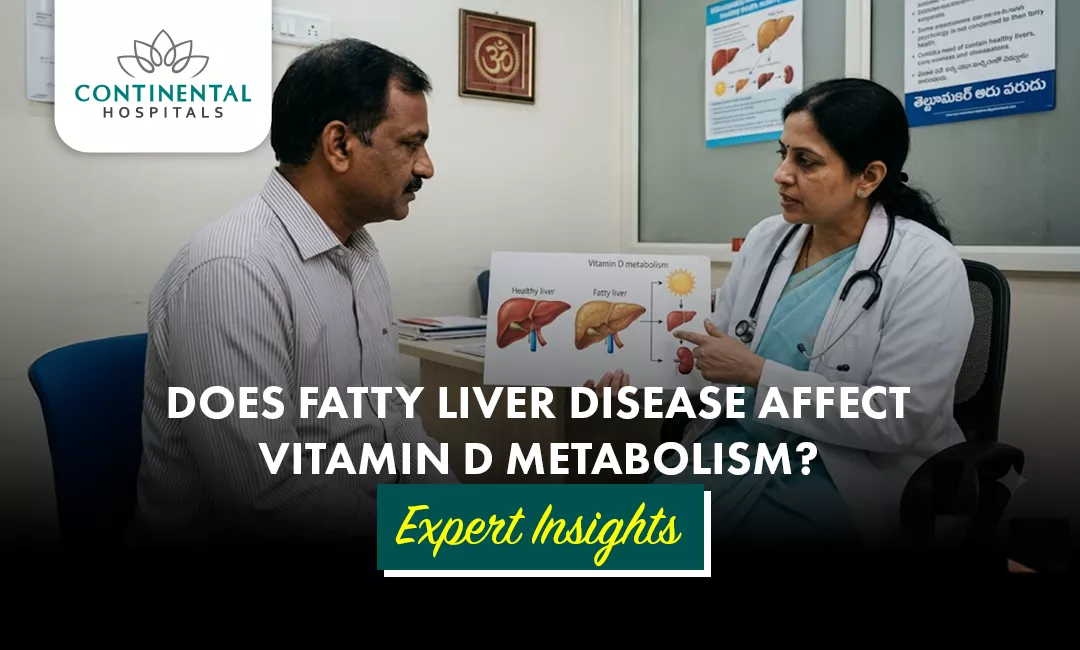
The human body runs on a complex network of organs, which communicate with each other in order to keep our bodies running smoothly. For example, the liver is the primary processing plant of your body, where many chemicals are processed. Fatty liver disease occurs when fat starts to accumulate in the liver cells. Although many people often think of fatty liver disease as sluggishness or metabolic changes, it is also known to affect how nutrients are used in the body.
One of the newest connections researchers are looking into is the impact fatty liver disease has on vitamin D. Vitamin D is an essential nutrient needed in our bodies for strong bones, controlling inflammation, and correcting immune functions. When our liver health is compromised, it is hard to use this sunshine vitamin properly, and more research is being done to uncover how the two work together.
At Continental Hospitals, the best hospital in Hyderabad, we want you to understand this relationship and learn how it can affect how you should look after your liver and overall health. We will discuss how fatty liver disease can affect your nutrient use and how vitamin D can change the way your body functions.
How Does the Liver Process Vitamin D?
To figure out why a problem is happening, let’s think about how a healthy body works. Vitamin D is called the sunshine vitamin because our skin makes it when we’re outside, and we can get it from some food sources. But the vitamin you get from these isn’t at all active. It can’t do its job until it undergoes two big chemical changes in your body.
With the first of these jobs, the liver, a healthy liver makes special enzymes that change the inactive form of the vitamin into what’s known as 25-hydroxyvitamin D. In fact, that’s the exact form your doctor is measuring when they pull your blood sample to see if you’re deficient. Once it finishes this first job, the liver sends the nutrient to the kidneys to do the second conversion.
Visit our Gastroenterology Department for expert care, advanced endoscopic procedures, personalized treatment plans, and compassionate support from some of the best gastroenterologists in Hyderabad.
Does Having a Fatty Liver Cause Vitamin D to be Deficient?
When a person has fatty liver disease, a build-up of excess fat in the liver triggers a series of internal changes. This can lead to chronic inflammation and oxidative stress in the liver tissue, creating an environment that is detrimental to normal cellular functions. This physiological stress can impair the liver’s ability to carry out its essential metabolic processes effectively.
In this case, because the fatty liver is not able to work at full capacity, the answer is yes, fatty liver does cause vitamin D deficiency. Your liver simply cannot keep up. So even if you’re avoiding the clinic and spending all your time in the sunlight or taking supplements, your blood levels of vitamin D remain low because your liver isn’t able to finish the job.
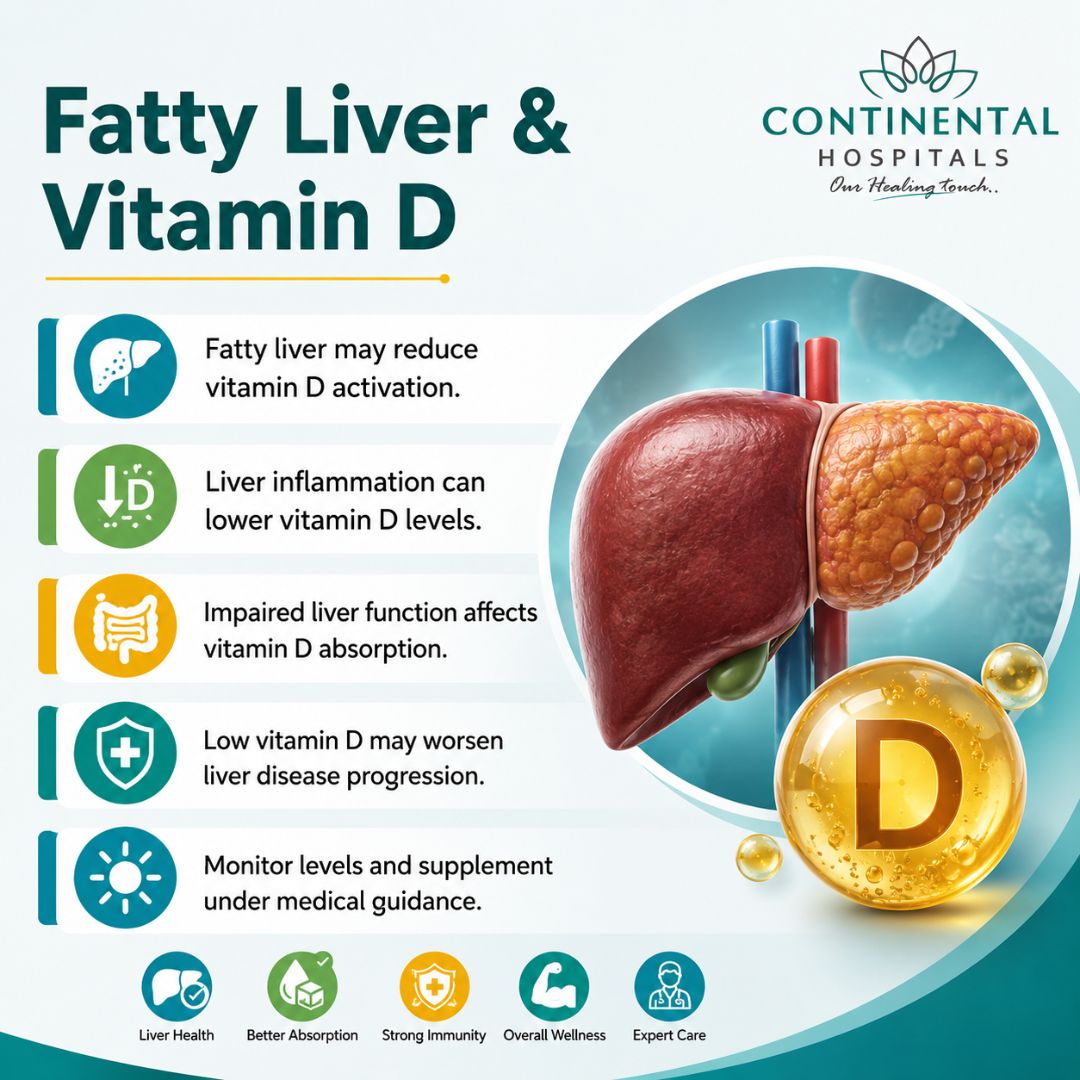

How Is Fatty Liver Vitamin D Metabolism Impaired?
Fatty liver disease impairs the metabolism of vitamin D in a number of collective ways. It's not just one single area of the vitamin's life cycle that is interrupted; rather, the disease strikes at several places.
- Reduced enzyme activity: The liver has enzymes that are needed to perform the very first conversion of vitamin D. When your liver cells are clogged with fat, your enzyme production and activity significantly decrease.
- Impaired transport and storage: The liver is the main site of storage for fat-soluble vitamins. When fatty liver disease induces inflammation throughout the organ, it also alters the transport proteins needed to circulate vitamin D throughout the bloodstream to other organs.
- A vicious cycle of inflammation and disease progression: Along with bone metabolism, vitamin D has a very natural anti-inflammatory effect on the body. A deficiency of vitamin D in fatty liver means uncontrolled inflammation in the liver. This inflammation causes more and more fat to accumulate in the liver cells, thereby increasing the progression of the disease.
What is the relationship between NAFLD and vitamin D deficiency?
Doctors often see a strong relationship between non-alcoholic fatty liver disease (NAFLD) and vitamin D deficiency. NAFLD is strongly linked to metabolic syndrome, insulin resistance and obesity. Lower levels of vitamin D make these underlying metabolic abnormalities even more pronounced.
In addition, when vitamin D levels are low, insulin resistance also increases. This leads to the buildup of even more fat in the liver cells, exacerbating and accelerating the progression of NAFLD. Plus, many patients with severe vitamin D deficiency also have elevated liver enzyme levels in their routine blood tests, which means liver damage is present inside the liver, and there is a greater chance of a liver being scarred.
How are liver disease and vitamin D absorption handled?
Managing the challenge of liver disease and vitamin D absorption takes more than just a bunch of high-dose supplements. An inflamed liver simply cannot process those supplements effectively. That means treating the liver disease at the same time as increasing absorption from nutrients.
- Diet and lifestyle: Adopting a diet rich in nutrients and low in trans fats and processed sugars has been shown to help with fat build up in the liver cells.
- Exercise: Regular physical activity has been shown to reverse hepatic steatosis (fatty liver) and improve insulin sensitivity, an essential hormone that can be affected by fatty liver.
- Medical monitoring: A physician must monitor blood levels of vitamin D and other nutrients and prescribe the right form of each nutrient for maximum absorption.
Why Choose Continental Hospitals for Liver Care?
Controlling difficult metabolic conditions such as fatty liver disease and increasing absorption of nutrients require the right medical team. Continental Hospitals is the top choice for medical care in Hyderabad, equipped with world-class infrastructure and a dedicated team of specialists.
Our new facility is built on a foundation of clinical excellence and has both Joint Commission International (JCI) and National Accreditation Board for Hospitals & Healthcare Providers (NABH) accreditations. The accreditations attest to our ongoing commitment to patient safety, rigorous quality protocols, and compliance with international healthcare standards. With the state-of-the-art Institute of Gastroenterology and Liver Diseases, Continental Hospitals employs the latest technology and treatment approaches for treating liver diseases at the root, ensuring complete metabolic restoration for its patients.
Conclusion
The strong link between fatty liver and vitamin D sheds light on how interconnected our bodies are. Adequate vitamin D is mandatory for the liver's proper functioning and activation of vitamin D, as well as liver inflammation. A cycle of liver fat and deficiency is broken only when we have proper evaluation and appropriate treatment.
If you are tired all the time or experience bone pain or have been diagnosed with any metabolic disorder, it could be because of your liver health and nutrient status. Do not take chances with your health and make an appointment with our experienced team and get your metabolic health optimized. Consult our best gastroenterologist in Hyderabad at Continental Hospitals.
Related Blog Topics: