.webp)

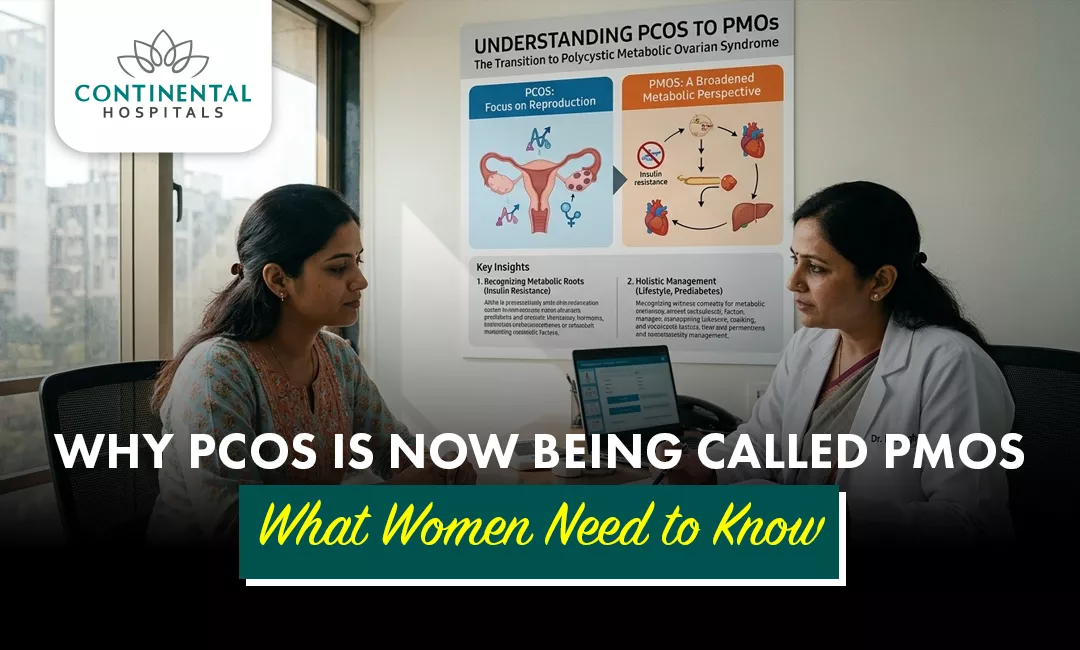
For decades, millions of women around the world have been diagnosed with polycystic ovary syndrome, a condition widely known by its acronym. It has traditionally been understood as a reproductive health issue defined by irregular periods, hormonal imbalances, and small cysts on the ovaries. However, medical understanding has evolved significantly over the years, leading experts to look at this condition through a completely different lens.
The medical community is shifting toward a new term called Polymetabolic Ovary Syndrome. This change in terminology represents a major breakthrough in how healthcare providers view, diagnose, and treat the underlying issues. The new name reflects a deeper understanding that the condition affects far more than just the reproductive system, highlighting its profound impact on a woman's entire metabolic health.
What is the main reason behind changing the name from PCOS to PMOS?
The primary reason for the shift in terminology is that the old name is both misleading and incomplete. Polycystic Ovary Syndrome implies that having cysts on the ovaries is the main feature of the condition, but many women diagnosed with it never actually develop cysts. Conversely, some women with ovarian cysts do not have the syndrome at all.
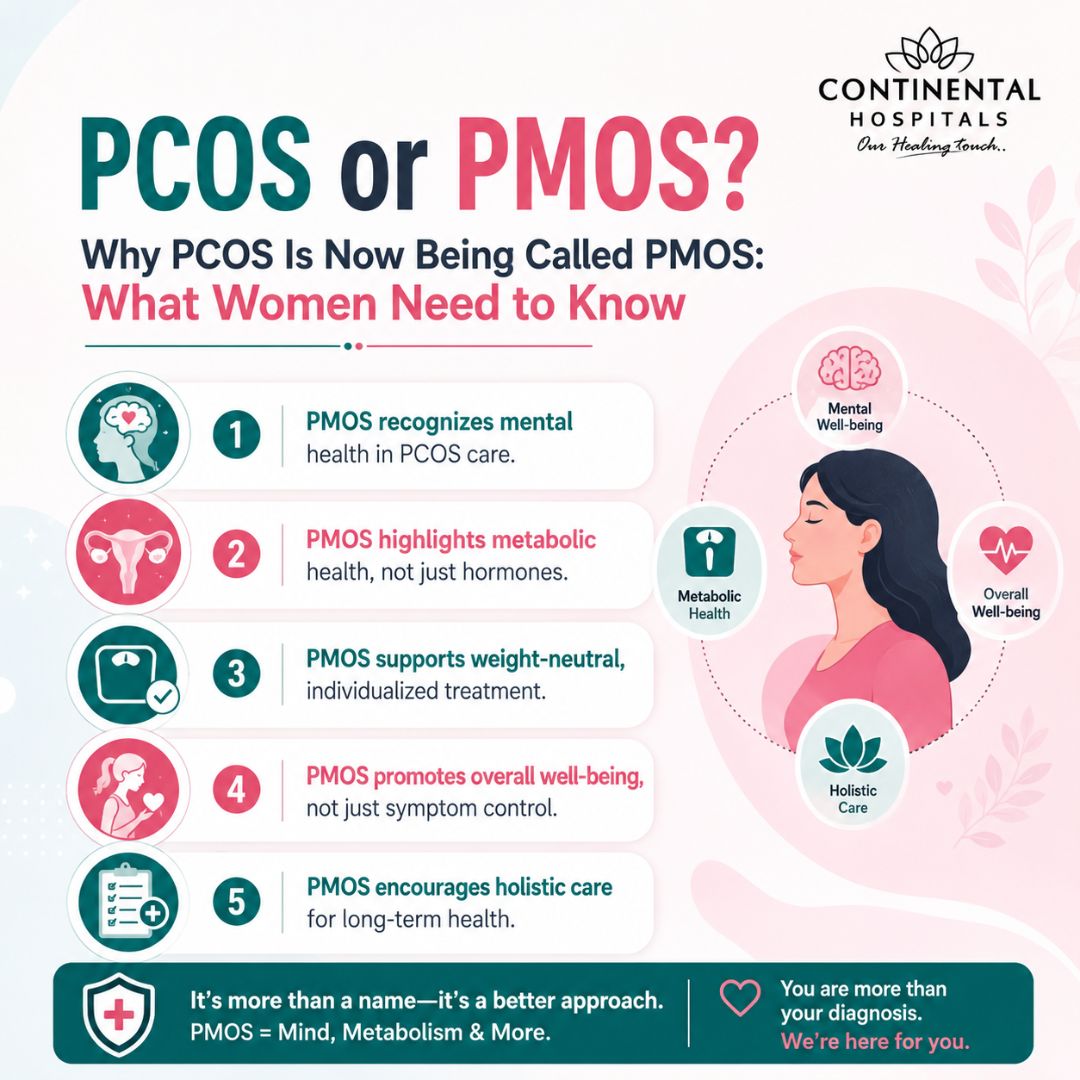
By using the term Polymetabolic Ovary Syndrome, the medical community highlights the true driver of the condition, which is metabolic dysfunction. It shifts the clinical focus from a single reproductive organ to a systemic health issue. This helps patients and doctors realize that the condition is deeply tied to how the body processes energy, manages blood sugar, and regulates hormones.
What are the key differences when comparing PCOS vs PMOS?
- When evaluating PCOS vs PMOS, the difference lies entirely in the medical perspective and approach to patient care.
- The traditional view of Polycystic Ovary Syndrome focuses primarily on irregular menstrual cycles, fertility struggles, and cosmetic concerns like acne or excess hair growth.
- The modern view of Polymetabolic Ovary Syndrome places insulin resistance, weight management difficulties, and cardiovascular risks at the center of the diagnosis.
- The old term often leaves women feeling like their health issues are confined to their reproductive years, while the new term acknowledges that metabolic changes affect health throughout a woman's entire lifespan.
- Treatment under the old model heavily favored birth control pills to force regular periods, whereas the new model emphasizes comprehensive metabolic therapies, dietary changes, and long-term wellness tracking.
Why is the term Polymetabolic Ovary Syndrome more accurate for women?
The term is more accurate because it directly addresses insulin resistance, which affects a vast majority of women dealing with these symptoms. When your body struggles to use insulin efficiently, your pancreas produces extra insulin to compensate. This excess insulin triggers the ovaries to produce too much testosterone, leading to the classic symptoms women experience.
Using the word metabolic helps women understand why they might experience stubborn weight gain, intense sugar cravings, and sudden energy crashes. It validates the fact that these struggles are not a result of a lack of willpower but are driven by a complex chemical imbalance inside the body.
What are the common symptoms associated with this metabolic condition?
The symptoms of this condition can vary widely from person to person, but they generally span across both hormonal and metabolic health categories.
- Irregular, infrequent, or completely missed menstrual cycles.
- Stubborn weight gain, particularly around the abdomen, that is exceptionally difficult to lose.
- Excess hair growth on the face, chest, or back, which is caused by elevated androgen levels.
- Severe or persistent acne that does not respond well to standard over-the-counter skincare treatments.
- Thinning hair on the scalp that mimics male pattern baldness.
- Darkened patches of skin, often found around the neck, groin, or under the arms, which is a visible sign of insulin resistance.
- Fatigue, brain fog, and intense cravings for carbohydrates and sugary foods.
How does insulin resistance connect reproductive health to metabolic health?
Insulin is a hormone that allows your cells to absorb glucose from your bloodstream to use for energy. When your cells become resistant to insulin, your body has to pump out much higher levels of this hormone to keep your blood sugar stable.

High insulin levels have a direct, disruptive effect on the ovaries. They stimulate the ovaries to produce an excess of male hormones like testosterone, which halts normal ovulation and causes irregular cycles. This creates a continuous cycle where metabolic dysfunction worsens reproductive symptoms, and reproductive symptoms signal deeper metabolic trouble.
What long-term health risks are associated with PMOS if left unmanaged?
Because this condition is fundamentally metabolic, ignoring the underlying warning signs can lead to more serious health complications later in life.
- A significantly higher risk of developing Type 2 diabetes due to chronic, unmanaged insulin resistance.
- Increased chances of high blood pressure and abnormal cholesterol levels, which elevate overall cardiovascular risks.
- The development of non-alcoholic fatty liver disease, caused by the way the body processes and stores fats.
- Sleep apnea, a sleep disorder that causes brief interruptions in breathing during the night.
- An increased risk of endometrial hyperplasia or endometrial cancer due to prolonged periods without ovulation.
What does modern treatment look like under the metabolic framework?
- Modern treatment focuses heavily on lifestyle modifications and medical interventions that improve insulin sensitivity and protect overall cardiovascular health.
- Customized dietary strategies that emphasize whole foods, lean proteins, healthy fats, and complex carbohydrates to prevent rapid blood sugar spikes.
- Consistent physical activity that combines cardiovascular exercise with strength training to naturally help muscles absorb glucose and lower insulin levels.
- Targeted medications or supplements, such as metformin or inositol, which specifically help the body respond better to its own insulin.
- Stress management techniques and adequate sleep hygiene, both of which are crucial for regulating cortisol and stabilizing metabolism.
- Tailored reproductive support for women who are actively trying to conceive or manage specific menstrual irregularities.
Why choose Continental Hospitals for women's metabolic and hormonal health?
Continental Hospitals stands out as a premier healthcare institution dedicated to providing exceptional care for women dealing with complex hormonal and metabolic disorders. The hospital features a dedicated team of expert gynecologists, endocrinologists, and medical nutritionists who work collaboratively to design comprehensive, personalized care plans for every patient.
Continental Hospitals holds prestigious national and international accreditations, including Joint Commission International (JCI) accreditation and National Accreditation Board for Hospitals and Healthcare Providers (NABH) accreditation. These accreditations reflect an unwavering commitment to maintaining the highest global standards of patient safety, clinical excellence, and advanced medical care.
Located in a state-of-the-art facility, the hospital utilizes advanced diagnostic technology to accurately assess insulin resistance, metabolic rates, and hormonal profiles. By choosing Continental Hospitals, you gain access to a holistic ecosystem that focuses on long-term disease prevention, advanced medical therapies, and compassionate support tailored to your unique lifestyle.
Conclusion
The evolution from PCOS vs PMOS is a vital step forward in women's healthcare, ensuring that the condition is no longer misunderstood as just an ovarian issue. Recognizing it as a systemic metabolic condition empowers women to seek comprehensive treatments that protect their fertility, energy levels, and long-term cardiovascular health. Early intervention, proper lifestyle adjustments, and expert medical guidance are the keys to reclaiming control over your body and living a vibrant, healthy life.
If you suffer from irregular periods, unexplained weight gain, or hormonal struggles, it is time to get comprehensive answers. Contact Continental Hospitals today to schedule a comprehensive evaluation with our specialized team. Consult our best gynecologist in Hyderabad at Continental Hospitals, Hyderabad.
Related Blog Topics: