.webp)

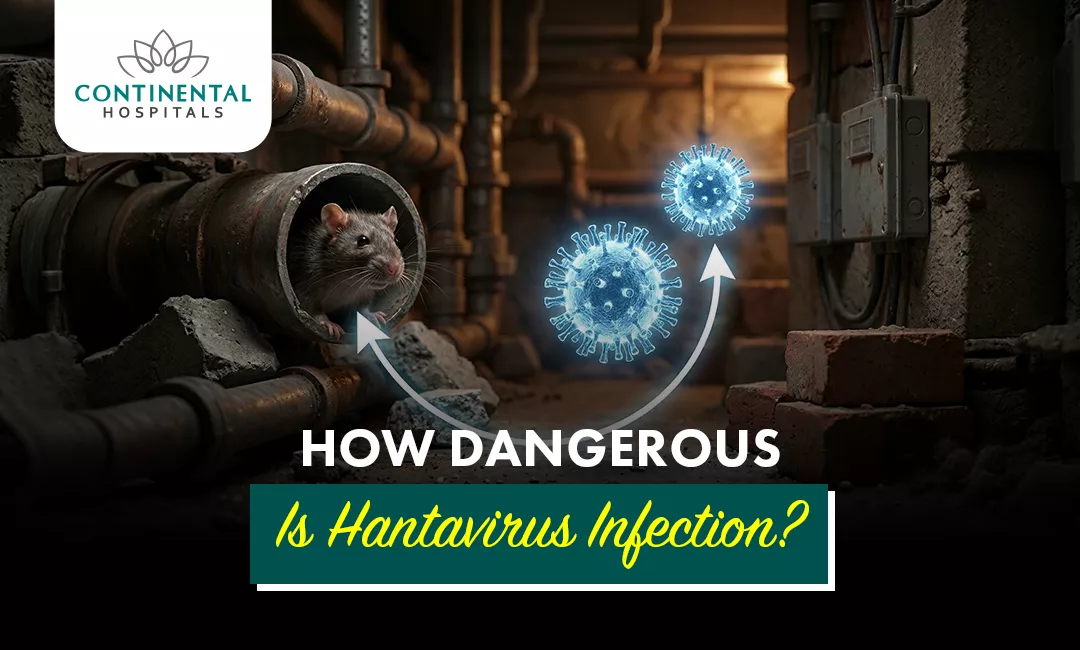
A hantavirus infection is a severe respiratory disease that can cause significant health complications. Understanding the risks associated with this virus is essential for maintaining safety and preventing transmission. If you suspect exposure or experience severe respiratory issues, seeking immediate medical assistance from a trusted healthcare facility like Continental Hospitals is vital.
The severity of a hantavirus infection often depends on how early it is diagnosed and treated. While it is rare, the disease can progress rapidly, making awareness of its symptoms and causes a key factor in protecting your health. Recognizing the early signs and knowing when to seek specialist medical attention can make a critical difference in recovery outcomes.
As the best hospital in Hyderabad, Continental Hospitals provides advanced diagnostic services and specialized critical care to manage complex viral conditions effectively. With a focus on patient safety and international healthcare protocols, the hospital offers comprehensive support for individuals requiring immediate medical evaluation.
What is a hantavirus infection?
A hantavirus infection is a disease caused by a family of viruses carried primarily by certain species of rodents. Unlike many other viral infections, it is not transmitted from person to person. Instead, individuals contract the virus through contact with infected rodents or their nesting materials.
The most common form of the illness in humans affects the respiratory system, leading to a condition known as Hantavirus Pulmonary Syndrome. This condition can cause fluid accumulation in the lungs, making it difficult to breathe and requiring intensive medical monitoring.
If you experience severe respiratory distress, persistent high fever, or sudden breathing difficulties, don't delay seeking expert medical care. Visit the Critical Care Department at Continental Hospitals for advanced evaluation, intensive monitoring, and specialized treatment from our experienced critical care team.
What are the primary hantavirus causes?
The underlying hantavirus causes are directly linked to exposure to the urine, droppings, or saliva of infected rodents, particularly deer mice, cotton rats, and rice rats. The virus becomes airborne when these materials are disturbed, allowing individuals to inhale microscopic particles containing the virus.
- Inhaling dust contaminated with rodent waste during cleaning activities.
- Directly touching surfaces or objects contaminated with the virus and then touching the mouth, nose, or eyes.
- Receiving a bite from an infected rodent, though this method of transmission is less common.
What are the early hantavirus symptoms?
The initial hantavirus symptoms typically develop within one to eight weeks after exposure to the virus. In the early stages, the illness closely resembles a common flu, which can make early identification challenging without professional medical assessment.
- Fatigue and physical exhaustion.
- Fever and chills.
- Muscle aches, particularly in the thighs, hips, and back.
- Dizziness and headaches.
- Abdominal pain, nausea, and vomiting.
Is hantavirus dangerous?
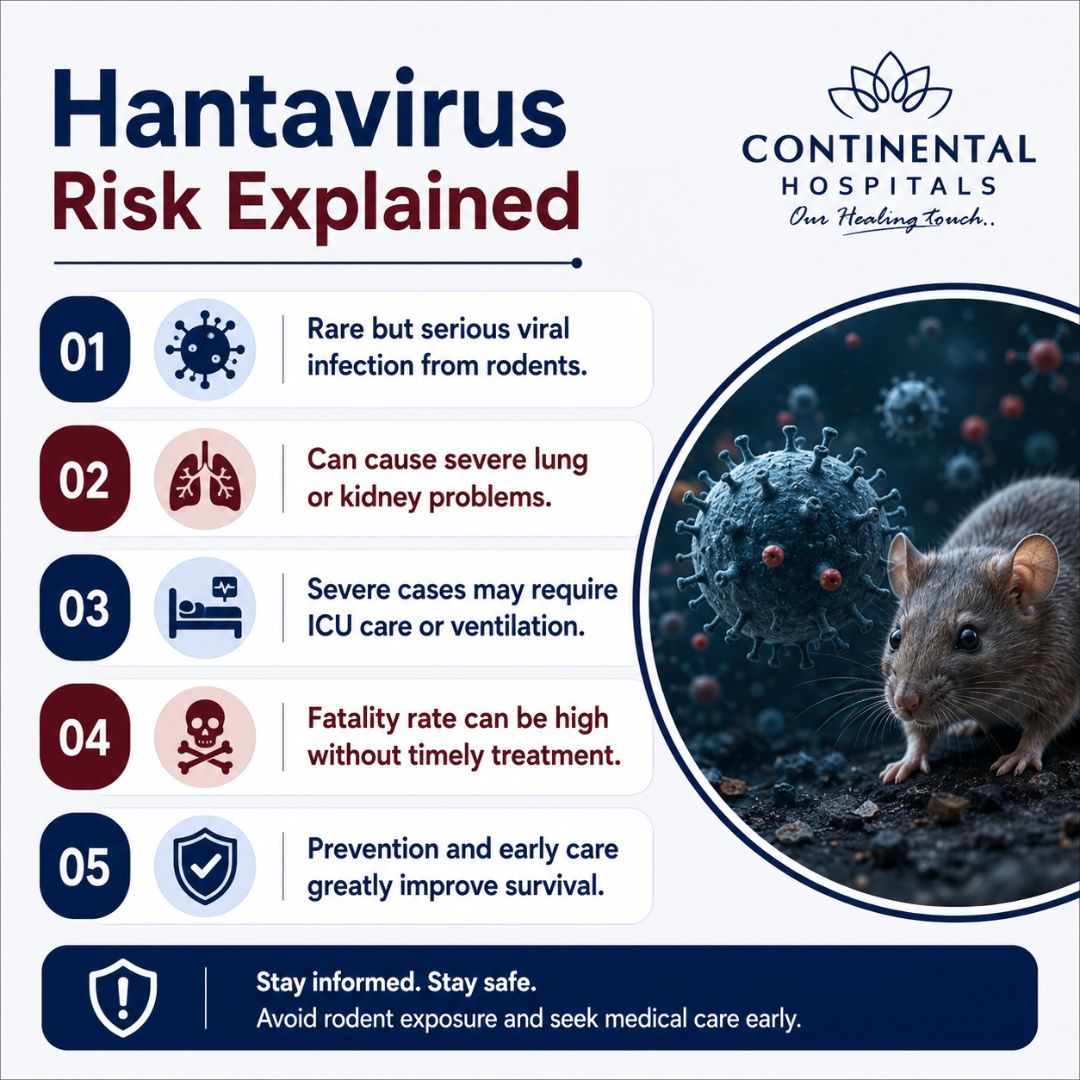
Yes, a hantavirus infection is considered highly dangerous and requires urgent medical attention. When asking if hantavirus disease is life-threatening, healthcare statistics indicate that Hantavirus Pulmonary Syndrome has a significant mortality rate if left untreated, making early intervention critical.

As the disease progresses into the later stages, it directly attacks the respiratory tract. The lungs begin to fill with fluid, leading to severe shortness of breath, coughing, and a rapid drop in blood pressure. Without immediate supportive care in an intensive care unit, the condition can lead to respiratory failure and organ damage.
What is the standard hantavirus treatment?
Currently, there is no specific antiviral hantavirus treatment or vaccine available to cure the infection directly. Medical management focuses primarily on supportive care to help the body fight the virus and maintain adequate oxygen levels.
- Intensive Care Monitoring: Patients with advanced symptoms require admission to an intensive care unit to manage respiratory function closely.
- Oxygen Therapy: The use of mechanical ventilation or supplemental oxygen is common to assist breathing when fluid accumulates in the lungs.
- Fluid Management: Close monitoring of hydration and medication to support blood pressure and heart function.
What steps are effective for hantavirus prevention?
Effective hantavirus prevention relies entirely on controlling rodent populations and minimizing potential contact with their waste materials in residential and commercial spaces.
- Seal Entry Points: Close openings in walls, doors, and floors to prevent rodents from entering buildings.
- Secure Food Sources: Store food, pet feed, and garbage in tightly sealed containers.
- Safe Cleaning Practices: When cleaning areas with rodent activity, do not sweep or vacuum, as this can make viral particles airborne. Spray the area with a disinfectant or bleach solution before wiping it down.
Why choose Continental Hospitals for critical healthcare?
Continental Hospitals is recognized as a premier institution for handling complex medical conditions and critical care emergencies. If you require specialized intervention for severe respiratory issues or infectious diseases, the hospital provides world-class infrastructure and clinical expertise.
International Accreditations and Quality Standards
Continental Hospitals holds the prestigious Joint Commission International accreditation, earning the JCI Gold Seal of Approval for maintaining the highest standards of global patient safety and clinical care quality. The facility is also accredited by the National Accreditation Board for Hospitals & Healthcare Providers, ensuring that every department complies with rigorous national healthcare benchmarks.
Advanced Critical Care Infrastructure
The hospital features state-of-the-art intensive care units equipped with advanced mechanical ventilators, real-time hemodynamic monitoring systems, and specialized infection control protocols. These facilities enable the medical team to manage severe respiratory failures and complex viral illnesses with high precision and round-the-clock observation.
Conclusion
A hantavirus infection is a serious health risk that demands prompt recognition and immediate clinical intervention. Understanding the transition from early flu-like symptoms to severe respiratory distress is essential for timely treatment. By practicing effective rodent control and choosing an accredited healthcare facility, you can protect your long-term health.
If you suffer from severe respiratory distress, persistent high fever, or sudden breathing difficulties after potential exposure to rodents, please consult our best critical care specialist in Hyderabad at Continental Hospitals.
Related Blog Topics: