post-title

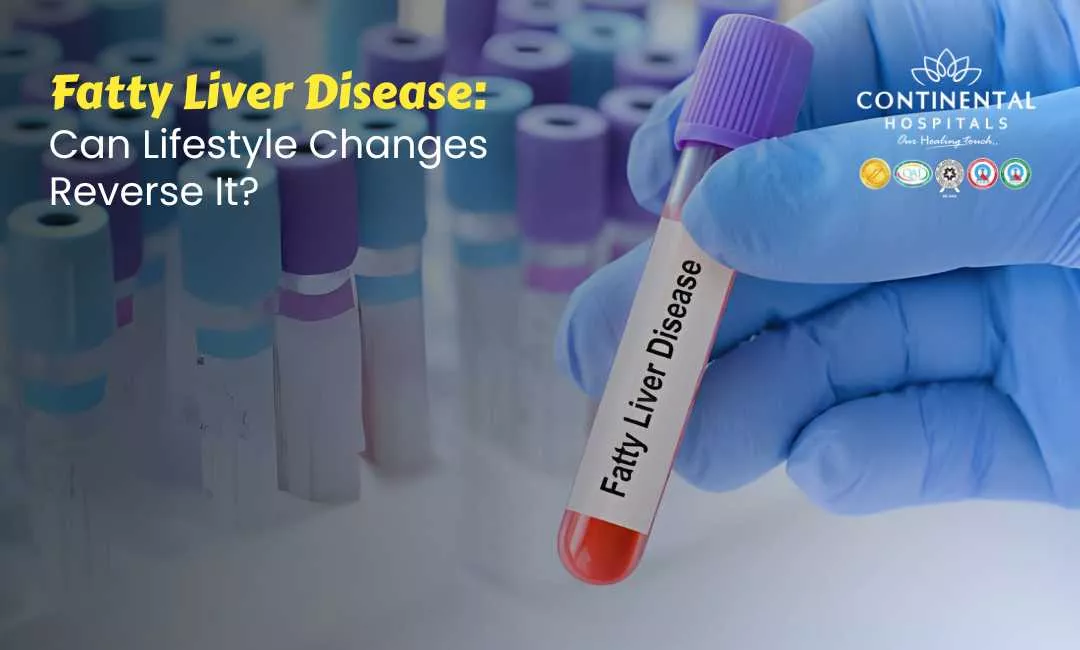
Fatty Liver Disease: Can Lifestyle Changes Reverse It?

Written by - Editorial Team
Medically Reviewed by - Dr Guru N Reddy

Fatty liver disease is becoming increasingly common worldwide, often linked to modern eating habits, reduced physical activity, and lifestyle stress. It occurs when too much fat builds up in the liver, making it harder for this vital organ to work effectively. The big question many people ask is: Can lifestyle changes reverse fatty liver disease? The answer is yes, in many cases, lifestyle modifications play the most powerful role in healing the liver naturally.

What is Fatty Liver Disease?

Fatty liver disease happens when fat deposits accumulate in the liver cells. There are two main types:

Alcoholic fatty liver disease – caused by excess alcohol intake.

Non-alcoholic fatty liver disease (NAFLD) – linked to obesity, diabetes, high cholesterol, and poor lifestyle habits.

If left untreated, fatty liver disease can progress to more serious conditions like liver inflammation, fibrosis, cirrhosis, or even liver cancer. Early detection and lifestyle changes can make a remarkable difference in preventing complications.

Visit our gastroenterology specialist doctors at Continental Hospitals, Hyderabad, for a comprehensive liver health evaluation and expert care for fatty liver disease.
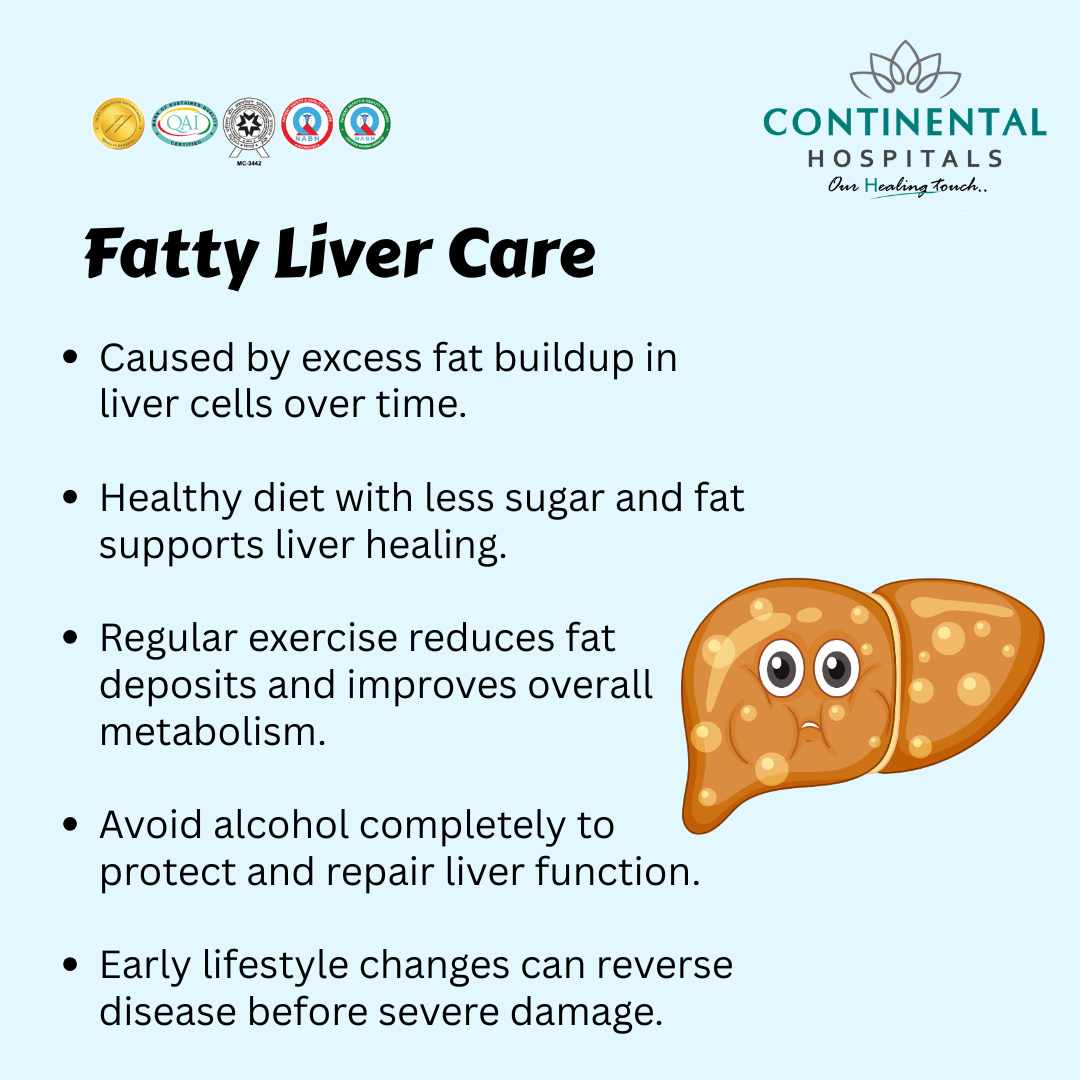
Can Lifestyle Changes Really Reverse It?

Yes. The liver has an incredible ability to heal itself when given the right care. Fatty liver disease, especially in its early stages, is largely reversible through lifestyle modifications. Let’s look at the changes that matter the most:

1. Maintain a Healthy Weight
Carrying extra weight, particularly around the abdomen, increases the risk of fatty liver disease. Losing even a small percentage of body weight can significantly reduce liver fat and improve liver health. Instead of crash diets, focus on sustainable, balanced weight management with the right mix of nutrition and activity.

Second Opinion

2. Choose a Balanced Diet
Food is medicine for the liver. To reverse fatty liver disease:

  • Eat plenty of vegetables, fruits, whole grains, and lean proteins.
  • Limit sugary foods, processed snacks, and refined carbs.
  • Include healthy fats like omega-3s found in fish, nuts, and seeds.
  • Avoid frequent consumption of fried and oily foods.

Simple swaps, like choosing whole wheat over refined flour, or snacking on nuts instead of chips, can help lower liver fat over time.

3. Stay Physically Active
Exercise improves metabolism, helps burn stored fat, and supports liver repair. Aim for at least 30 minutes of activity on most days of the week. Walking, cycling, swimming, or even yoga can make a big difference.

4. Avoid Alcohol or Limit It Strictly
Alcohol puts extra pressure on the liver. If you have fatty liver disease, it’s important to either stop alcohol completely or reduce it significantly based on your doctor’s advice.

5. Manage Diabetes and Cholesterol
People with diabetes or high cholesterol are more likely to develop fatty liver disease. Proper control through diet, exercise, and prescribed medicines is key to preventing progression.

6. Sleep and Stress Management
Poor sleep and chronic stress worsen fat accumulation in the liver. Creating a bedtime routine, practicing mindfulness, and reducing screen time before sleep can improve liver health.

What Happens if You Don’t Make Changes?

Ignoring fatty liver disease can lead to serious consequences:

Need an Appointment?

  • Liver inflammation (steatohepatitis)
  • Fibrosis (scarring of the liver)
  • Cirrhosis (advanced scarring, irreversible damage)
  • Increased risk of liver failure and cancer

The good news is that early action prevents these complications.

Why Choose Continental Hospitals for Fatty Liver Disease Care?

When it comes to treating fatty liver disease, early diagnosis and the right medical guidance make all the difference. At Continental Hospitals, Hyderabad, patients receive comprehensive care from leading gastroenterologists and liver specialists who combine clinical expertise with advanced diagnostics and treatment plans.

Here’s why you should choose Continental Hospitals:

International Accreditations: Continental Hospitals is JCI and NABH accredited, reflecting the highest global standards in patient safety and healthcare quality.

Expert Specialists: Our team of experienced gastroenterologists, hepatologists, and liver care experts are among the best in Hyderabad.

Advanced Technology: State-of-the-art diagnostic tools and imaging techniques help in accurate assessment of fatty liver disease.

Personalized Lifestyle Programs: Doctors and nutritionists provide tailored diet plans, exercise guidance, and wellness programs to help patients reverse fatty liver naturally.

Holistic Care: From prevention to advanced treatment, patients receive comprehensive liver care under one roof.

Continental Hospitals is located in Gachibowli, the heart of Hyderabad’s Financial District, making it easily accessible from Nanakramguda, Kokapet, Narsingi, Madhapur, Manikonda, Kondapur, and surrounding areas.

Conclusion

So, can lifestyle changes reverse fatty liver disease? The answer is yes, especially when diagnosed early and supported with the right medical care. Simple adjustments in diet, exercise, alcohol control, sleep, and stress management can go a long way in protecting your liver.

If you suffer from fatty liver disease or are at risk due to obesity, diabetes, or lifestyle factors, it’s important to consult a specialist. Don’t wait until symptoms progress. Early medical advice can help you take control of your liver health and prevent complications.

Book your consultation today with our best gastroenterologist in hyderabad at Continental Hospitals, Hyderabad, for complete evaluation and personalized treatment for fatty liver disease.

Related Blogs:

  1. Does Fatty Liver Disease Affect Vitamin D Metabolism? Expert Insights
  2. Importance of Regular Monitoring for Grade-3 Fatty Liver Disease

Frequently Asked Questions

Yes. In many cases, especially non-alcoholic fatty liver disease (NAFLD), lifestyle changes can significantly reduce liver fat and even reverse the condition when detected early. Weight loss through a healthy diet and regular exercise is one of the most effective treatments. Losing just 5% to 10% of body weight can improve liver health and reduce inflammation. Eating more fruits, vegetables, whole grains, lean proteins, and healthy fats supports liver function. Avoiding sugary beverages, processed foods, and excess alcohol is equally important. Regular physical activity helps improve insulin sensitivity and reduces fat accumulation in the liver. Managing diabetes, high cholesterol, and blood pressure also contributes to recovery. Lifestyle improvements should be maintained consistently for long-term benefits. Regular medical follow-up and liver function monitoring help assess progress and prevent complications.
The time required to reverse fatty liver disease varies depending on the severity of liver fat, overall health, and commitment to lifestyle changes. Many people begin to show improvement within three to six months after adopting healthier habits. Consistent weight loss, balanced nutrition, and regular exercise play a major role in recovery. Liver enzyme levels may improve before imaging shows reduced fat in the liver. Individuals with obesity, diabetes, or metabolic syndrome may require a longer period for noticeable improvement. Severe liver scarring cannot always be reversed, making early intervention essential. Regular health checkups help monitor liver function and treatment progress. Following your doctor's recommendations increases the likelihood of successful recovery. Long-term commitment to healthy living is necessary to prevent recurrence.
A liver-friendly diet focuses on nutrient-rich, minimally processed foods that reduce inflammation and improve metabolism. Fresh vegetables, fruits, whole grains, legumes, lean proteins, and healthy fats should form the foundation of daily meals. Fatty fish rich in omega-3 fatty acids may support liver health. Olive oil, nuts, and seeds provide beneficial fats when consumed in moderation. High-fiber foods help regulate blood sugar and cholesterol levels. Limit sugary snacks, refined carbohydrates, processed meats, fried foods, and sweetened beverages. Staying well hydrated is also important for overall health. Portion control and balanced calorie intake help with gradual weight loss. Consulting a registered dietitian can help create a personalized meal plan suitable for your medical condition.
Exercise plays a major role in improving fatty liver disease, even if significant weight loss has not yet occurred. Regular physical activity helps reduce liver fat, improves insulin sensitivity, and supports healthy metabolism. Both aerobic activities such as brisk walking, cycling, and swimming, and strength training exercises offer benefits. Experts generally recommend at least 150 minutes of moderate exercise every week. Combining exercise with healthy eating provides the best outcomes. Physical activity also reduces the risk of diabetes, heart disease, and obesity, which are closely linked to fatty liver disease. Gradually increasing activity levels makes exercise more sustainable. Patients with other medical conditions should seek medical advice before starting a new fitness program. Consistency is more important than intensity for long-term liver health.
Yes. Fatty liver disease can return if healthy lifestyle habits are not maintained after recovery. Weight gain, unhealthy eating patterns, physical inactivity, uncontrolled diabetes, and excessive alcohol intake can lead to fat accumulation in the liver again. Even after successful treatment, maintaining a healthy body weight remains important. Continuing regular exercise and eating a balanced diet helps protect the liver over time. Routine medical checkups allow doctors to monitor liver function and detect early signs of recurrence. Managing cholesterol, blood pressure, and blood sugar also lowers future risk. Sustainable lifestyle habits are far more effective than temporary diets. Long-term commitment to healthy living is the key to preventing recurrence.
Several factors increase the risk of developing fatty liver disease. People who are overweight or obese are at significantly higher risk. Individuals with type 2 diabetes, insulin resistance, high cholesterol, high triglycerides, or high blood pressure are also more likely to develop the condition. Sedentary lifestyles and diets rich in processed foods and sugary beverages further increase risk. Some people develop fatty liver despite having a normal body weight due to genetic or metabolic factors. Older adults and individuals with sleep apnea may also face increased risk. Excessive alcohol consumption can cause alcoholic fatty liver disease. Regular health screenings help identify risk factors early. Early diagnosis allows timely lifestyle modifications and reduces the risk of liver damage.
Untreated fatty liver disease may gradually progress from simple fat accumulation to liver inflammation known as non-alcoholic steatohepatitis (NASH). Continued inflammation can lead to fibrosis, where scar tissue forms within the liver. Over time, advanced fibrosis may develop into cirrhosis, causing permanent liver damage and impaired liver function. Some patients may eventually develop liver failure or liver cancer. Fatty liver disease also increases the risk of cardiovascular disease, which remains the leading cause of death in affected individuals. Early diagnosis and lifestyle intervention greatly reduce these risks. Regular monitoring allows doctors to detect disease progression. Seeking timely medical care improves long-term outcomes and helps preserve liver health.
You should consult a doctor if you have persistent fatigue, unexplained discomfort in the upper right abdomen, abnormal liver function tests, or risk factors such as obesity, diabetes, or high cholesterol. Many people with fatty liver disease have no symptoms, making routine health checkups important. A doctor may recommend blood tests, ultrasound, FibroScan, or other imaging studies to evaluate liver health. Early diagnosis allows treatment before significant liver damage develops. Medical evaluation is also important if lifestyle changes do not improve liver health or if liver enzyme levels remain elevated. Individuals with advanced liver disease symptoms require immediate medical attention. Regular follow-up ensures proper monitoring and personalized treatment recommendations for long-term liver protection.
Disclaimer: The information provided in this blog is intended for general knowledge and informational purposes only, and does not constitute medical advice. Always consult with a qualified healthcare professional for any medical concerns or before making any decisions about your health.

Get in Touch With Us

Whether you are from India or abroad, we are here to help you with your medical queries. Please fill out the form below and our team will connect with you shortly.

  • ✔ Quick response from our medical experts
  • ✔ Secure data handling & privacy
  • ✔ Easy upload for reports & documents
banner_image

Chat with our medical experts on WhatsApp for quick assistance and hassle-free appointment booking

Recent Posts