.webp)

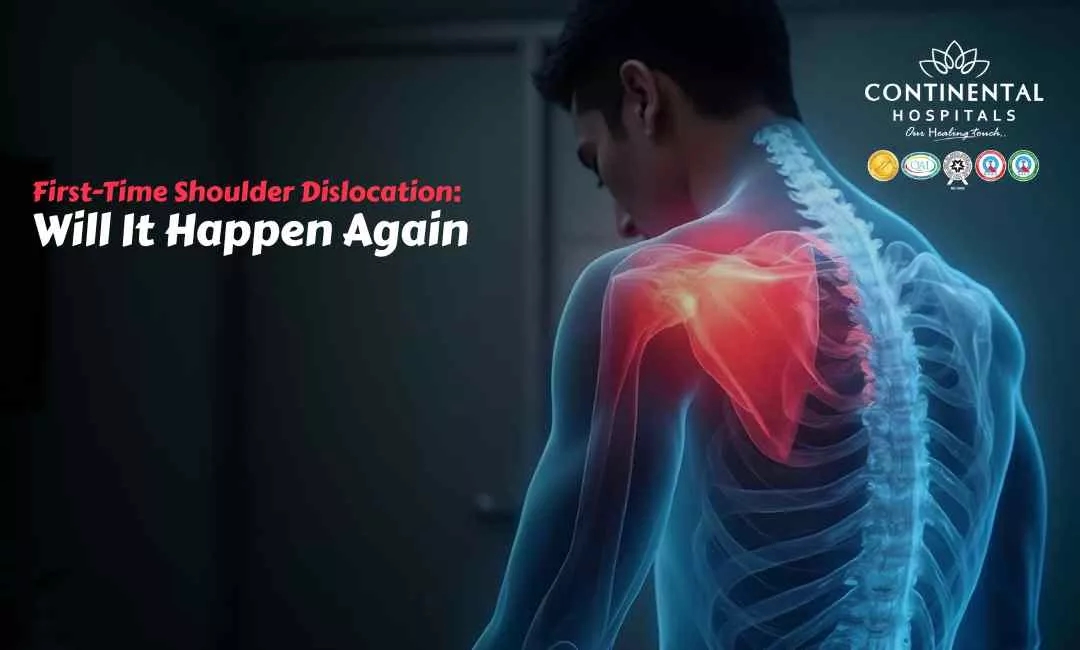
A shoulder dislocation can be frightening, especially when it happens for the first time. The shoulder joint is the most mobile joint in the body, which also makes it one of the most unstable. When the upper arm bone slips out of its socket, severe pain, swelling, and loss of movement can occur. Many patients recover well after treatment, but one common question always comes up: Will it happen again?
This article explains why shoulder dislocations occur, the chances of recurrence, symptoms to watch for, treatment options, prevention tips, and when to seek medical care. It also highlights why choosing Continental Hospitals, Hyderabad, can make a major difference in long-term recovery.
What Is a First-Time Shoulder Dislocation?
A shoulder dislocation happens when the ball of the upper arm bone moves out of the shoulder socket. It can occur due to a fall, sports injury, accident, or sudden force. When you experience this injury for the first time, the tissues around the joint, including ligaments, tendons, and muscles, may stretch or tear. This leads to reduced stability in the shoulder.
Key signs and symptoms include
- Intense pain in the shoulder
- Visible deformity or the shoulder looking out of place
- Swelling and bruising
- Inability to move the arm
- Tingling or numbness around the arm
A proper medical evaluation is important so doctors can check for additional injuries like fractures or nerve damage.
Visit the top orthopedic doctors in Hyderabad at Continental Hospitals. Our team of the Best Orthopedic Specialists in Hyderabad provides accurate diagnosis, advanced treatment, and personalized rehabilitation to help restore shoulder strength, stability, and function, so you can return to your normal life with confidence.
Will It Happen Again?
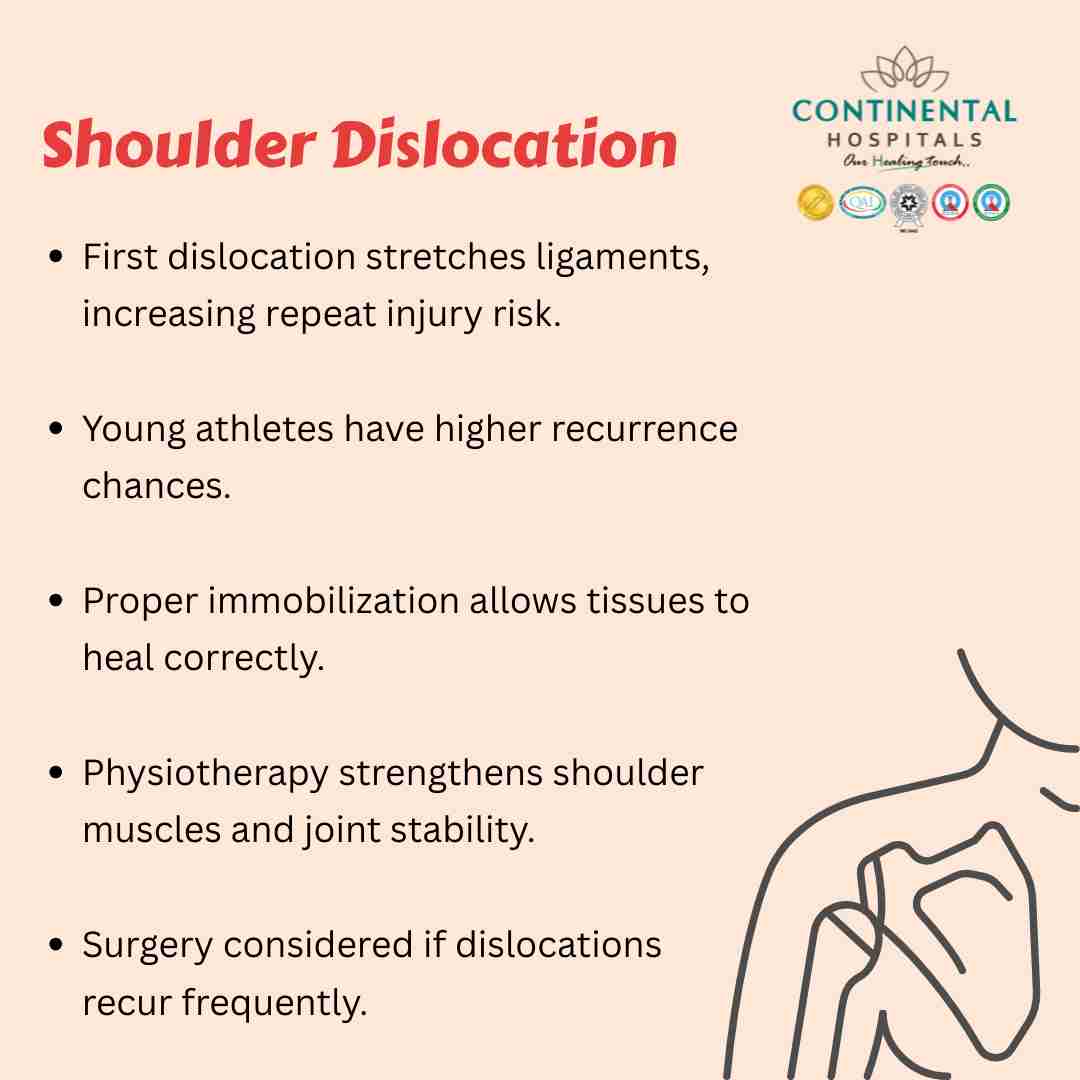
The biggest concern after a first-time shoulder dislocation is recurrence. The chances depend on several factors including age, activity level, the extent of tissue damage, and how well the shoulder heals.
Why Recurrence Happens:
- Weak or torn ligaments may not fully support the joint
- Improper or incomplete rehabilitation
- Returning to sports or heavy activity too soon
- Natural looseness or instability in the shoulder joint
- Previous injuries to the capsule or labrum
Younger individuals, especially those active in sports, have a higher chance of repeated dislocations. However, with the right care and rehabilitation, the risk can be significantly reduced.

How Doctors Diagnose Shoulder Instability?
After a first-time dislocation, your doctor may perform
- Physical examination to check for joint stability
- X ray to rule out fractures
- MRI to check ligament and soft tissue injuries
- CT scan in complex cases
Early diagnosis helps plan the right treatment and prevents long-term shoulder weakness.
What are the treatment options after a first-time shoulder dislocation?
Treatment aims to relieve pain, restore joint stability, and prevent future dislocations.
Immediate Care
- The doctor gently moves the joint back into place, a process called reduction
- A sling may be used for a short period to support healing
- Ice packs help reduce swelling
How Long Does Rehabilitation Take After a First-Time Shoulder Dislocation?
Rehabilitation is one of the most important steps. Physiotherapy strengthens the muscles around the shoulder, improves flexibility, and restores mobility. Strong muscles protect the shoulder from slipping out again.
How Can I Prevent My Shoulder from Dislocating Again?
If the risk of recurrence is high or if repeated dislocations occur, surgical treatment may be recommended. Surgical techniques help tighten the joint capsule, repair torn ligaments, and improve stability.
Can You Prevent Future Shoulder Dislocations?
While you cannot always control injuries, you can reduce the chances of recurrence with proper care.
Useful prevention tips
- Complete the full course of physiotherapy
- Avoid lifting heavy weights during early recovery
- Strengthen shoulder and upper back muscles
- Warm up before sports or exercise
- Maintain good posture
- Follow your doctor’s activity guidelines
Prevention focuses on building a stable and strong shoulder that can handle day to day activities without slipping out.
When Should You Seek Medical Care?
Seek immediate medical help if you experience
- Sudden shoulder pain after a fall or force
- Visible deformity
- Severe swelling or bruising
- Inability to move the arm
- Numbness or tingling
Prompt care helps prevent complications and ensures proper healing.
Why Choose Continental Hospitals for Shoulder Injury Care?
Continental Hospitals in Hyderabad is recognized as one of the best hospitals in Hyderabad for advanced orthopaedic and sports injury management. The hospital maintains high standards of clinical excellence supported by global quality accreditations. These accreditations reflect the hospital’s commitment to patient safety, evidence based treatment, and world class healthcare practices.
What makes Continental Hospitals the preferred choice
- Experienced orthopaedic and sports medicine specialists
- Advanced imaging and diagnostic facilities
- Comprehensive physiotherapy and rehabilitation services
- Minimally invasive surgical options for shoulder instability
- Personalised treatment plans for faster and safer recovery
- Accredited hospital environment that follows strict quality and safety protocols
Patients receive complete care under one roof, starting from diagnosis to rehabilitation, which helps in long term recovery and reduces recurrence risks.
What are the key points to remember after a first-time shoulder dislocation?
- A first-time shoulder dislocation can make the joint unstable
- Age, activity level, and tissue damage affect recurrence
- Proper rehabilitation is essential for full recovery
- Prevention through exercise and posture correction is important
- Accredited hospitals like Continental Hospitals provide advanced treatment and long term care
Conclusion
A first-time shoulder dislocation is painful, but with timely treatment and proper rehabilitation, most people recover well. Understanding the risks of recurrence and taking preventive steps can protect your shoulder for the future. Choosing expert care ensures that you regain full function, stability, and confidence in your daily activities.
If you suffer from shoulder pain, instability, or have experienced a recent shoulder dislocation, consult our Best Orthopedic Specialists in Hyderabad at Continental Hospitals for accurate diagnosis and advanced treatment. Our team is committed to helping you return to normal life with better strength and stability.