.webp)


Uric acid is a substance naturally produced in the body when it breaks down purines, which are found in certain foods. While uric acid is essential for normal body function, excessive levels can lead to health issues such as gout, kidney stones, and joint pain. Maintaining healthy uric acid levels is crucial for overall well-being. Understanding which foods increase uric acid can help you prevent complications and manage your health effectively.
What Causes High Uric Acid Levels?
High uric acid levels, also known as hyperuricemia, occur when your body produces too much uric acid or cannot eliminate it properly. Some common causes include genetics, obesity, lifestyle factors, and diet. Eating certain foods rich in purines can trigger uric acid accumulation.
Foods That Increase Uric Acid Levels
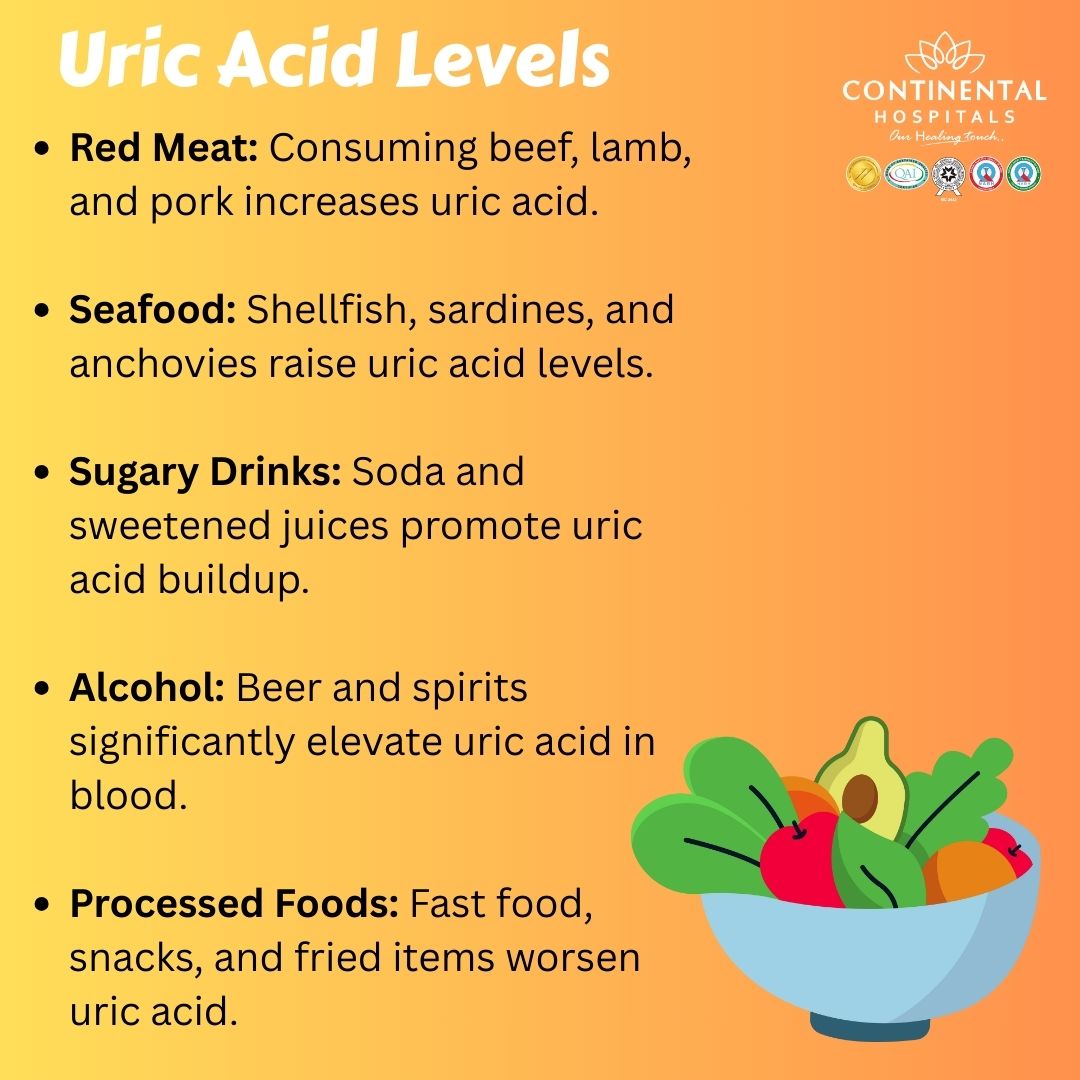
Identifying foods that increase uric acid is the first step toward managing your diet. These foods are often rich in purines, which break down into uric acid in the body.
Red Meat
Beef, lamb, and pork are high in purines. Frequent consumption of these meats can elevate uric acid levels and increase the risk of gout attacks.
Organ Meats
Liver, kidney, and sweetbreads contain very high purine content. Regular intake can lead to uric acid buildup in the blood.
Seafood
Certain seafood such as sardines, mackerel, anchovies, and shellfish are known to increase uric acid. Moderation is key to preventing uric acid spikes.
Sugary Foods and Drinks
Fructose-rich foods and beverages like soda, packaged juices, and sweetened desserts can raise uric acid levels. Fructose metabolism in the liver produces uric acid as a byproduct.
Alcohol
Beer and spirits contribute to uric acid buildup. Beer contains purines, and alcohol in general interferes with uric acid elimination by the kidneys.
Processed Foods
Fast foods, packaged snacks, and foods with high additives may indirectly increase uric acid due to high salt and sugar content.

Certain Vegetables
Vegetables like spinach, asparagus, and mushrooms have moderate purine content. While they are healthy overall, excessive consumption may contribute to elevated uric acid in sensitive individuals.
Visit our Internal Medicine Specialist Department at Continental Hospitals for personalized evaluation and effective uric acid management today.
Symptoms of High Uric Acid Levels
Recognizing uric acid symptoms early can help prevent serious complications. Common signs include:
- Pain and swelling in joints, especially in the big toe
- Stiffness and reduced joint mobility
- Formation of urate crystals in joints or tissues
- Kidney discomfort or stones
- Fatigue and general discomfort
If you experience these symptoms, consulting a specialist is important for proper diagnosis and management.
How to Reduce Uric Acid Levels
A well-balanced uric acid diet can help manage and reduce elevated levels. Here are practical tips:
Limit Purine-Rich Foods
Reduce intake of red meat, organ meat, and seafood to avoid uric acid spikes.
Stay Hydrated
Drinking plenty of water helps flush uric acid through the kidneys. Aim for water intake throughout the day.
Choose Low-Purine Foods
Vegetables, whole grains, eggs, dairy products, and fruits like cherries and citrus help control uric acid levels.
Reduce Sugar and Alcohol
Cut down on sugary drinks, desserts, and alcohol to prevent uric acid accumulation.
Maintain Healthy Weight
Excess body weight can increase uric acid levels. A balanced diet and regular exercise aid in weight management.
Include Anti-Inflammatory Foods
Foods like ginger, turmeric, and green leafy vegetables can help reduce joint inflammation associated with high uric acid.
Foods That Reduce Uric Acid Levels
Adding certain foods can actively help reduce uric acid:
- Cherries and Berries help lower uric acid and reduce inflammation.
- Low-Fat Dairy such as yogurt and milk can decrease uric acid levels.
- Vegetables like carrots, tomatoes, and cucumbers are safe for a uric acid diet.
- Whole Grains such as oats, barley, and brown rice support overall metabolic health.
- Vitamin C-Rich Foods like oranges, lemons, and bell peppers aid uric acid reduction.
Why Choose Continental Hospitals for Uric Acid Management?
Continental Hospitals is a leading healthcare provider in Hyderabad, known for its patient-focused approach and world-class facilities. The hospital is accredited by national and international healthcare bodies, ensuring the highest standards of safety and care. The team of expert doctors in the internal medicine and nephrology departments provides comprehensive evaluation, diagnosis, and treatment plans for patients with high uric acid levels.
With advanced diagnostic tools, modern treatment protocols, and personalized patient care, Continental Hospitals ensures effective management of uric acid disorders. Patients benefit from detailed counseling, dietary guidance, and lifestyle advice to achieve long-term health improvements.
Preventive Measures for Healthy Uric Acid Levels
Maintaining healthy uric acid levels involves consistent lifestyle habits:
- Eat a balanced diet with low purine foods
- Avoid excessive alcohol and sugary drinks
- Drink plenty of water to support kidney function
- Engage in regular physical activity
- Monitor uric acid levels periodically, especially if you have a family history of gout
Conclusion
Monitoring your diet and lifestyle plays a crucial role in preventing high uric acid levels and related complications. Avoiding foods that increase uric acid, adopting a uric acid-friendly diet, and maintaining healthy habits can significantly improve your quality of life.
If you experience uric acid symptoms or have concerns about your uric acid levels, consulting our best internal medicine specialist is essential. At Continental Hospitals, our team provides personalized evaluation, effective treatment options, and continuous guidance for uric acid management.
Related Blog Topics: