.webp)

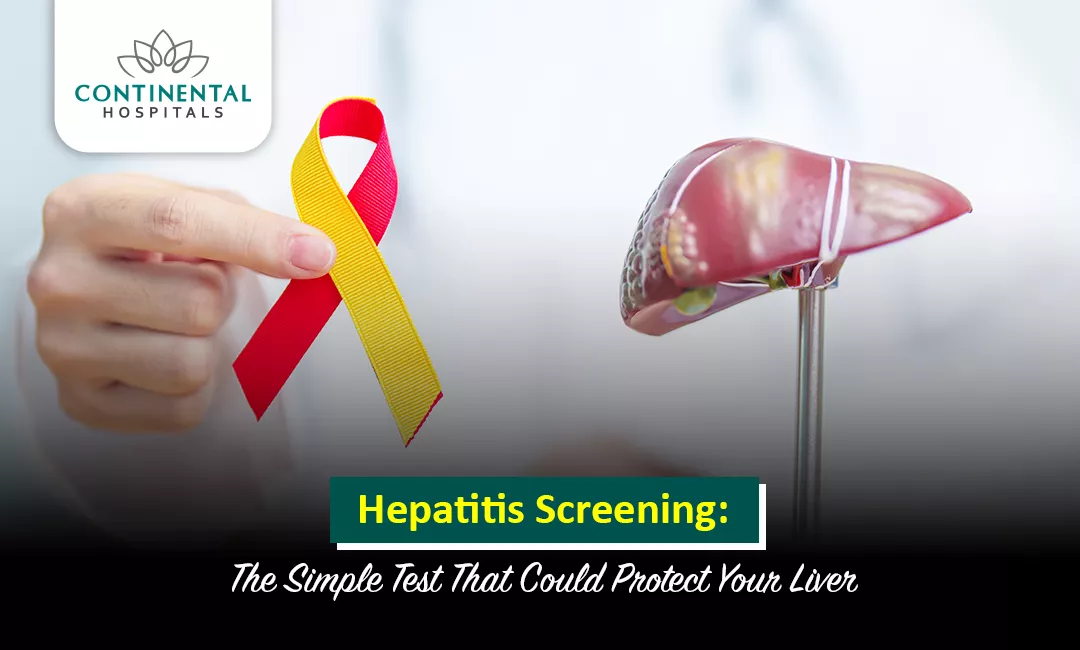
Your liver is one of the hardest-working organs in your body. It helps digest food, stores nutrients, removes harmful toxins, and supports hundreds of essential functions every day. But what happens when your liver is silently affected by hepatitis? Many people do not experience symptoms until significant liver damage has already occurred. This is why hepatitis screening plays a vital role in protecting your long-term liver health.
Hepatitis screening is a simple and effective way to detect hepatitis infections before they lead to serious complications. Early detection allows timely treatment, reduces the risk of liver damage, and helps prevent the spread of infection to others. Whether you have symptoms or not, getting a hepatitis screening test can be one of the smartest decisions you make for your health.
What Is Hepatitis?
Hepatitis is an inflammation of the liver that can affect how the liver functions. It is most commonly caused by viruses such as hepatitis A, B, C, D, and E. Some forms of hepatitis are short term, while others can become chronic and increase the risk of liver cirrhosis, liver failure, or liver cancer.
Many people with hepatitis feel completely healthy for months or even years. Without proper hepatitis screening, the infection may remain undiagnosed until severe liver damage has occurred.
Visit the Gastroenterology Department at Continental Hospitals and take the first step toward better digestive and liver health.
What Is Hepatitis Screening?
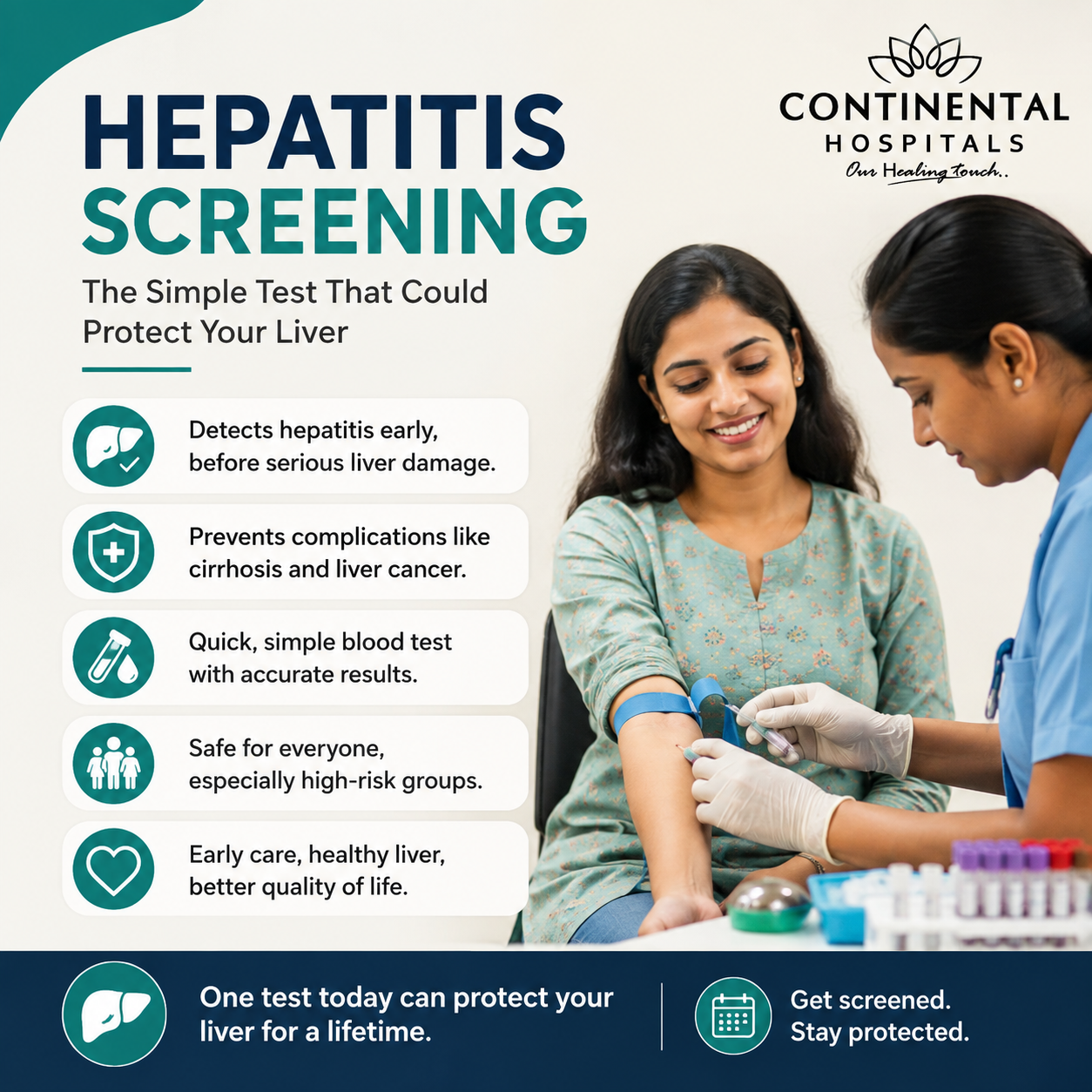
Hepatitis screening is a medical evaluation that checks whether you have a hepatitis infection. A hepatitis test usually involves a simple blood sample that looks for hepatitis viruses or antibodies produced by your immune system.
Depending on your medical history and risk factors, your doctor may recommend different hepatitis screening tests to identify the type of hepatitis and assess your overall liver health.
Who Should Get Hepatitis Screening?
Anyone can benefit from hepatitis screening, but some people have a higher risk of developing hepatitis.

You should consider hepatitis screening if you:
- Have a family history of hepatitis
- Have diabetes or chronic liver disease
- Received blood transfusions in the past
- Have multiple sexual partners
- Share needles or sharp instruments
- Are a healthcare worker
- Have abnormal liver function test results
- Are pregnant
- Have been exposed to someone with hepatitis
- Experience unexplained fatigue or jaundice
Even if you feel perfectly healthy, a hepatitis screening test can help detect infection early.
What Symptoms May Indicate Hepatitis?
Many people do not experience symptoms during the early stages. However, when symptoms appear, they may include:
- Persistent tiredness
- Yellowing of the skin and eyes
- Dark-colored urine
- Pale stools
- Nausea and vomiting
- Loss of appetite
- Abdominal pain, especially on the right side
- Fever
- Joint pain
- Unexplained weight loss
If you notice any of these symptoms, consult a doctor and undergo a Hhepatitis testas soon as possible.
How Is a Hepatitis Screening Test Performed?
A hepatitis screening test is quick, safe, and simple.
The process usually includes:
- A healthcare professional collects a blood sample.
- The sample is sent to the laboratory.
- Specialists check for hepatitis viruses, antibodies, or liver-related markers.
- Your doctor reviews the results and explains the next steps if needed.
The procedure usually takes only a few minutes, while results are typically available within a short period depending on the test performed.
Why Is Early Hepatitis Screening So Important?
Early hepatitis screening offers several health benefits.
Key advantages include the following:
- Detects infection before symptoms appear
- Helps prevent permanent liver damage
- Allows early medical treatment
- Reduces the risk of liver cirrhosis
- Lowers the chance of liver cancer
- Prevents spreading infection to family members
- Improves long-term Liver Health
- Supports better treatment outcomes
The earlier hepatitis is identified, the better the chances of protecting your liver.
Can Hepatitis Be Prevented?
Yes. Many types of hepatitis can be prevented through healthy habits and vaccination.
Simple preventive measures include:
- Get vaccinated against Hepatitis A and Hepatitis B
- Practice safe hygiene
- Avoid sharing razors, toothbrushes, or needles
- Eat safe and hygienic food
- Drink clean water
- Practice safe sex
- Limit alcohol consumption
- Maintain regular health checkups
- Undergo routine Liver Disease Screening if recommended by your doctor
Combining prevention with regular hepatitis screening provides the best protection for your liver.
How Does Hepatitis Affect Liver Health?
Your liver performs over five hundred important functions every day. Chronic hepatitis slowly damages liver cells, leading to scarring known as cirrhosis. As the damage progresses, the liver becomes less able to perform its normal functions.
Without timely hepatitis screening, chronic infection may remain unnoticed for years. Regular screening helps detect infection before irreversible damage occurs, allowing doctors to preserve liver health through appropriate treatment and monitoring.
Why Choose Continental Hospitals for Hepatitis Screening?
Continental Hospitals is recognized as one of the best hospitals in Hyderabad for comprehensive liver care and preventive health services. Our experienced gastroenterologists and hepatology specialists provide accurate diagnoses, advanced investigations, and personalized treatment plans for patients with liver diseases.
Patients choose Continental Hospitals because of:
- JCI accredited healthcare standards
- NABH-accredited quality and patient safety
- Advanced laboratory and diagnostic facilities
- Experienced gastroenterologists and liver specialists
- Comprehensive liver evaluation under one roof
- Patient-focused care with evidence-based treatment
- Modern infrastructure and world-class technology
- Multidisciplinary team for complete liver care
Whether you need a routine hepatitis screening test or advanced liver evaluation, Continental Hospitals provides trusted care focused on protecting your long term health.
When Should You Consult a Doctor?
You should consult a gastroenterologist if you have:
- Persistent fatigue
- Yellowing of the eyes or skin
- Unexplained abdominal pain
- Abnormal liver test results
- Exposure to hepatitis infection
- Family history of liver disease
- Ongoing digestive or liver-related symptoms
Early medical evaluation combined with hepatitis screening can prevent serious liver complications.
Conclusion
Your liver works silently every day to keep your body healthy, making it easy to overlook until problems become serious. Hepatitis screening is a simple yet powerful step that can identify infection early, protect your liver health, and reduce the risk of long-term complications. If you have risk factors, symptoms, or simply want peace of mind, do not delay getting a hepatitis screening test.
If you are experiencing symptoms of hepatitis or have concerns about your liver health, consult our best gastroenterologist in Hyderabad at Continental Hospitals, one of the best hospitals in Hyderabad. Early diagnosis, timely treatment, and expert care can help protect your liver and support a healthier future.
Related Blogs: