.webp)

HIV in 2026 remains one of the most important global health topics, but there is also more awareness, better testing methods, and more effective treatment than ever before. Today, people diagnosed with HIV can live long, healthy, and productive lives when the condition is detected early and managed with the right medical care. Despite these advances, many myths still prevent people from getting tested or seeking timely treatment.
Understanding HIV in 2026 helps people protect themselves and others. Knowing how the virus spreads, recognizing the importance of regular HIV testing, and starting HIV treatment without delay can make a significant difference. This guide explains everything you need to know in simple language to help you make informed health decisions.
What is HIV?
Human Immunodeficiency Virus (HIV) is a virus that attacks the body's immune system, especially the CD4 cells that help fight infections. When left untreated, HIV weakens the immune system over time, making it difficult for the body to defend itself against diseases.
A person can live with HIV for many years with proper medical care. Modern medicines help control the virus and reduce the risk of serious health complications.
Visit the Infectious Diseases Department at Continental Hospitals, Hyderabad, for expert evaluation, accurate diagnosis, advanced treatment, and comprehensive long-term care.
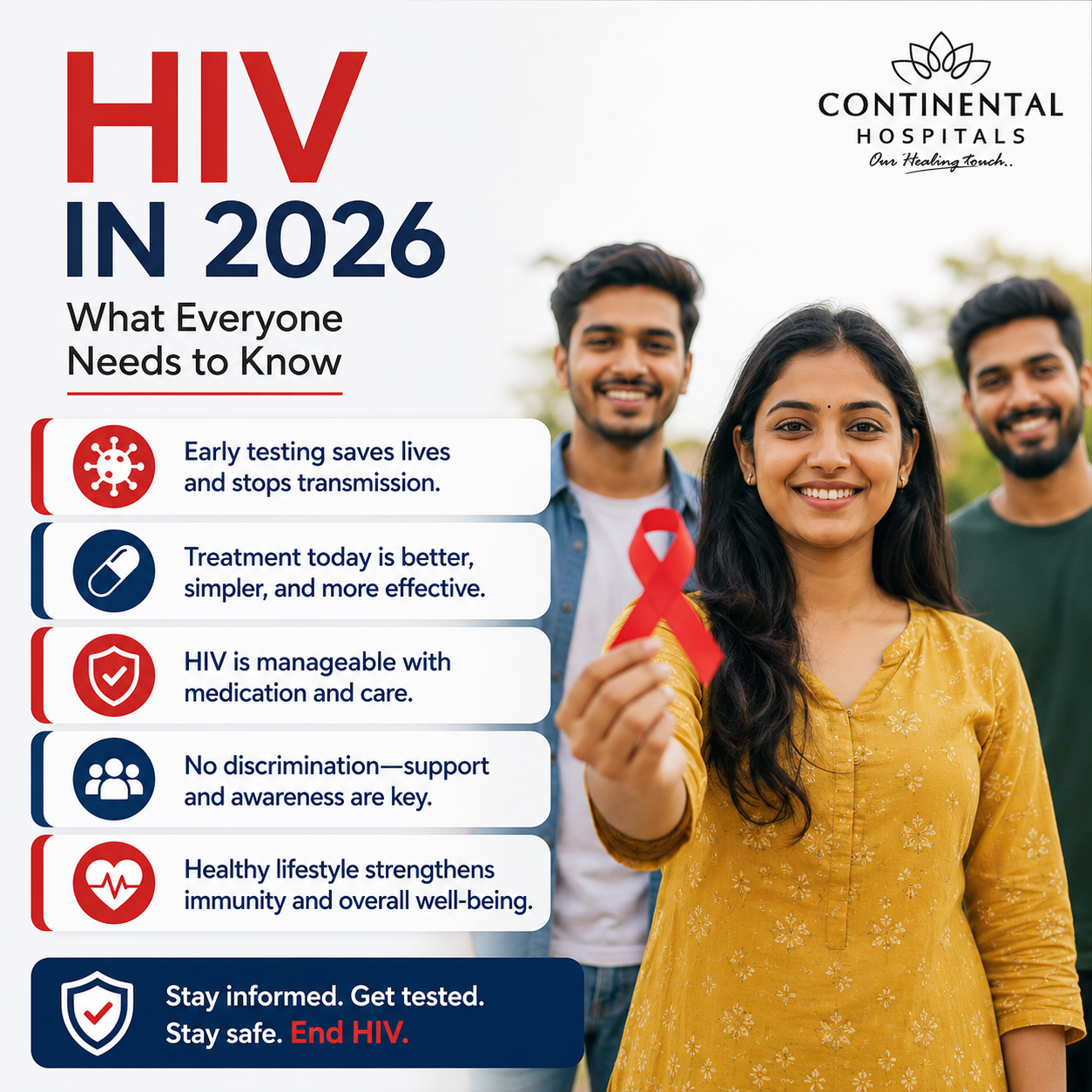
What is the Difference Between HIV and AIDS?
Many people think HIV and AIDS are the same, but they are different.
- HIV is the virus that infects the body.
- AIDS is the most advanced stage of HIV infection when the immune system becomes severely damaged.
The good news is that with early diagnosis and proper HIV treatment, most people never develop AIDS.
How Does HIV Spread?
HIV spreads through certain body fluids from a person who is HIV positive.

It can spread through:
- Unprotected sexual contact
- Sharing contaminated needles or syringes
- Blood transfusions that are not properly screened
- Mother to baby during pregnancy, childbirth, or breastfeeding if preventive treatment is not given
HIV does not spread through:
- Hugging
- Handshakes
- Sharing food
- Mosquito bites
- Using the same toilet
- Coughing or sneezing
Understanding these facts helps reduce fear and stigma around living with HIV.
Why is HIV testing important?
Many people with HIV do not notice symptoms during the early stages. That is why HIV testing plays a vital role in early diagnosis.
Benefits of getting an HIV test include:
- Early detection before complications develop
- Faster access to HIV treatment
- Better protection for partners
- Reduced risk of transmitting the virus
- Improved long-term health outcomes
Doctors recommend HIV testing for people with risk factors and for anyone who wants to know their HIV status.
What are the early symptoms of HIV?
Some people experience flu-like symptoms within a few weeks after infection, while others may not notice any symptoms for years.
Possible early symptoms include:
- Fever
- Sore throat
- Swollen lymph nodes
- Skin rash
- Muscle pain
- Fatigue
- Night sweats
Because these symptoms are common in many illnesses, an HIV test is the only reliable way to confirm infection.
How is HIV diagnosed?
Doctors diagnose HIV through blood tests that detect the virus or antibodies produced by the body.
Common diagnostic methods include:
- Rapid HIV test
- Antibody test
- Antigen antibody test
- Nucleic acid test in selected situations
Your doctor will recommend the most appropriate HIV testing method based on your medical history and possible exposure.
What are the latest HIV treatments in 2026?
One of the biggest advances in HIV in 2026 is the availability of highly effective medications that suppress the virus.
Modern HIV treatment helps:
- Reduce the amount of virus in the body
- Protect the immune system
- Prevent progression to AIDS
- Improve quality of life
- Lower the chance of passing HIV to others
People who take their medications regularly can achieve an undetectable viral load, allowing them to enjoy a healthy and active life.
Can You Live a Normal Life with HIV?
Yes. Living with HIV has changed dramatically over the past two decades.
With regular medical follow-up and proper HIV treatment, many people:
- Continue working normally
- Have healthy relationships
- Plan families safely
- Exercise regularly
- Enjoy a normal life expectancy
The key is early diagnosis, consistent medication, and regular doctor visits.
How Can HIV Be Prevented?
Prevention remains one of the most effective ways to reduce HIV infections.
Simple preventive measures include:
- Practice safe sex
- Use protection consistently
- Never share needles
- Get regular HIV testing
- Seek medical advice after possible exposure
- Pregnant women should receive appropriate treatment if diagnosed with HIV
Awareness and education continue to play an important role in preventing HIV.
Why Should You Choose Continental Hospitals for HIV Care?
When it comes to HIV in 2026, choosing the right hospital can make a significant difference in your treatment journey.
Continental Hospitals is recognized as one of the best hospitals in Hyderabad, offering comprehensive care supported by experienced specialists and advanced diagnostic facilities.
Why patients trust Continental Hospitals:
- Expert Infectious Disease specialists
- Advanced HIV testing and laboratory services
- Personalized treatment plans
- Multidisciplinary medical care
- Patient-focused and confidential consultations
- International quality standards
- JCI-accredited hospital
- NABH-accredited healthcare services
- QAI Accredited for clinical excellence
- Modern diagnostic and treatment technology
- Comprehensive support for long-term disease management
The hospital combines clinical expertise with compassionate care to help patients achieve better health outcomes.
When Should You See a Doctor?
You should consult a doctor if you:
- Have symptoms after possible HIV exposure
- Need an HIV test
- Receive an HIV-positive result
- Have concerns about HIV prevention
- Need advice about living with HIV
- Require long-term HIV treatment and monitoring
Early medical care leads to better outcomes and helps protect your overall health.
Conclusion
HIV in 2026 is no longer viewed as a condition without hope. Advances in HIV testing, early diagnosis, and modern HIV treatment have transformed the lives of millions of people worldwide. Learning the facts, getting tested when needed, and following medical advice are the best ways to protect yourself and those around you. Whether you want to understand HIV better, schedule an HIV test, or seek expert treatment, timely action can make all the difference. Greater awareness, early diagnosis, and consistent care continue to be the strongest tools in improving the lives of people living with HIV.
If you are experiencing symptoms, have concerns about possible HIV exposure, need an HIV test, or require expert HIV treatment, consult our best infectious disease specialist in Hyderabad at Continental Hospitals. Our experienced team provides confidential evaluation, accurate diagnosis, advanced treatment, and long-term care to help you live a healthier life with confidence. Early consultation can protect your health and improve long-term outcomes.
Related Blogs: