.webp)

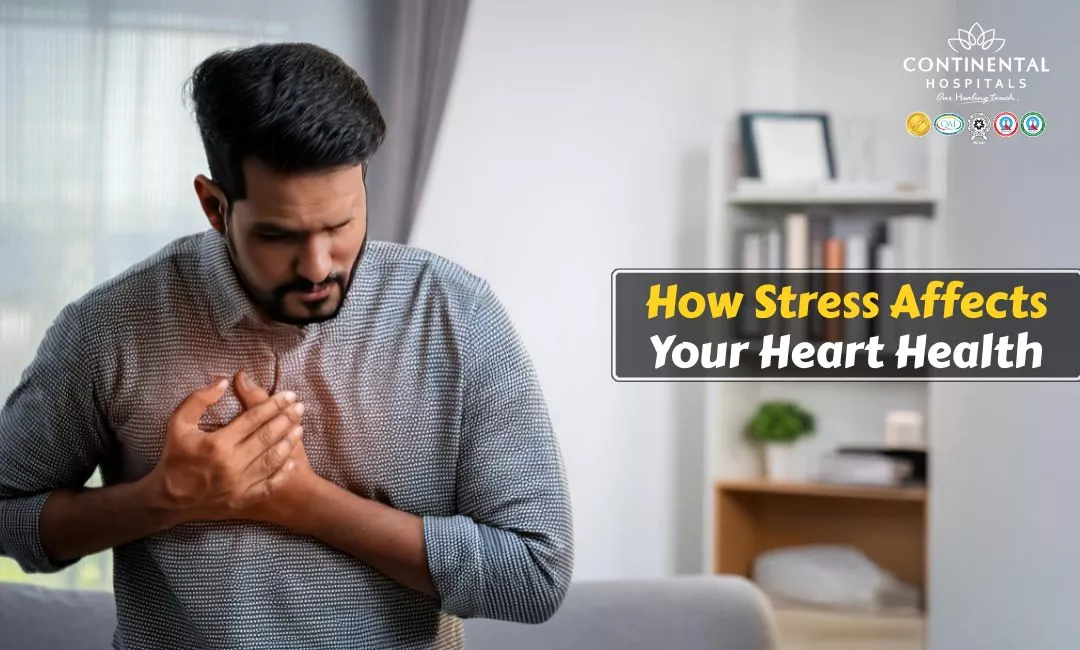
Stress is a natural part of life. A little stress can help you stay alert and focused. But when stress becomes constant, it can silently damage your heart. Many people do not realize how deeply stress and heart health are connected. Over time, unmanaged stress can increase the risk of heart disease, high blood pressure, and even heart attack.
What Happens to Your Heart During Stress?
When you feel stressed, your body releases stress hormones like adrenaline and cortisol. These hormones prepare your body to react quickly. Your heart beats faster. Your blood pressure rises. Your breathing becomes rapid.
This response is helpful in short bursts. But when stress becomes chronic, your heart stays in a constant state of strain.
Here is what happens inside your body during stress?
• Heart rate increases
• Blood pressure rises
• Blood vessels tighten
• Oxygen demand in the heart muscle increases
• Inflammation levels may rise
Repeated stress responses can damage blood vessels and increase the risk of heart disease over time.
Visit our Department of Cardiology at Continental Hospitals for expert heart care, advanced treatment, and personalized prevention plans. Book your consultation today.
The Link Between Stress and Heart Health
Research shows a strong connection between stress and heart health. Chronic stress heart problems are becoming more common due to modern lifestyles. Long working hours, lack of sleep, unhealthy diet, and emotional pressures all contribute to stress and heart disease.
When stress continues for months or years, it can lead to:

• Persistent high blood pressure
• Irregular heart rhythms
• Damage to blood vessel walls
• Increased risk of plaque buildup
• Higher chances of stress and heart attack
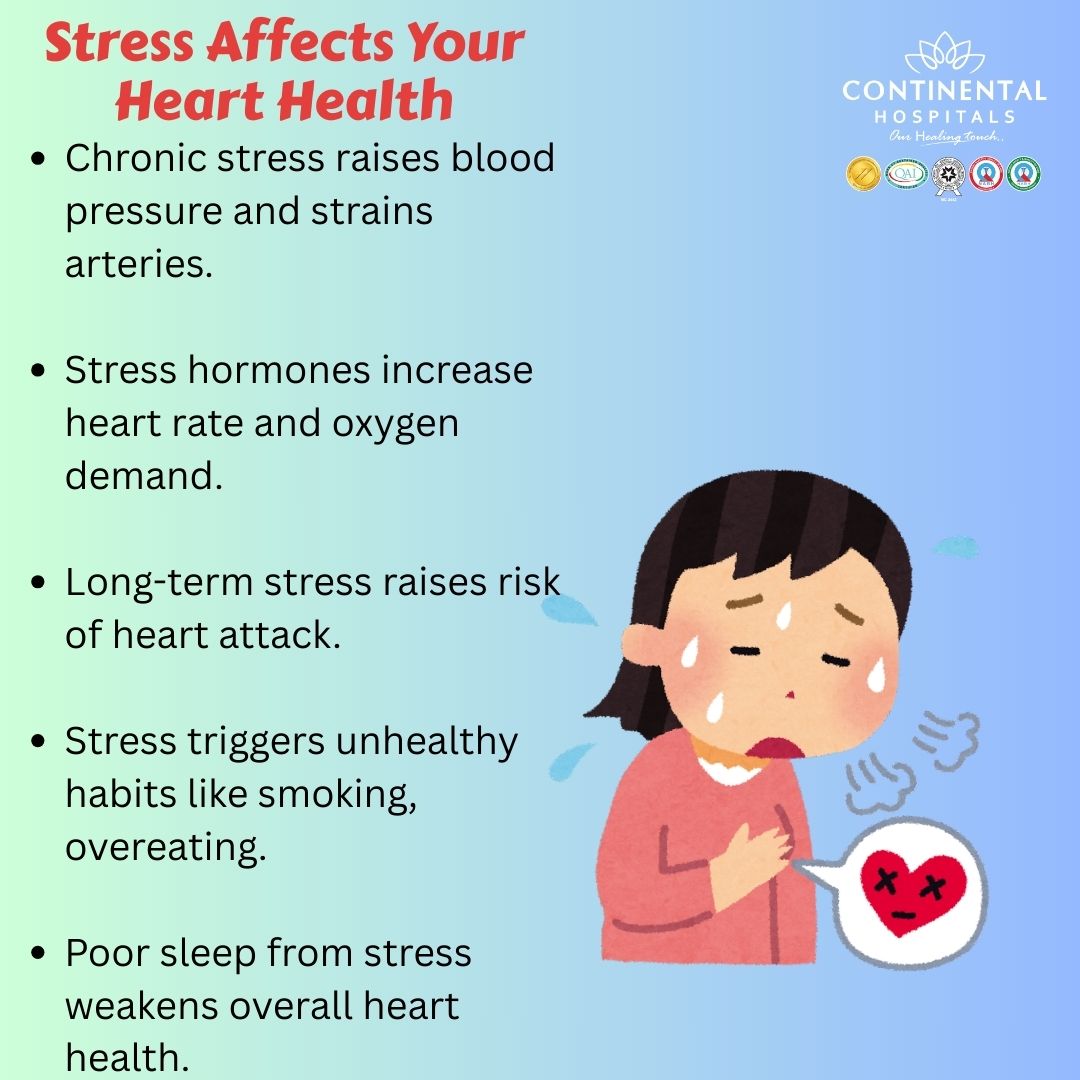
Stress can also trigger unhealthy habits such as smoking, overeating, and physical inactivity. These behaviors further increase the risk of heart disease.
How Chronic Stress Affects Blood Pressure
One of the biggest concerns with stress and heart health is its effect on blood pressure. During stressful situations, your blood pressure temporarily increases. If this happens repeatedly, it may become permanent.
High blood pressure forces your heart to work harder. Over time, this extra workload weakens the heart muscle and increases the risk of heart disease and stroke.
Many patients with heart problems due to stress are unaware that their blood pressure has been rising slowly for years. Regular monitoring is essential to protect your heart.
Can Stress Cause a Heart Attack?
Many people ask, can stress and heart attacks be related? The answer is yes.
Sudden emotional stress can trigger a heart attack in people who already have narrowed arteries. Stress hormones increase blood clotting and constrict blood vessels. This reduces blood flow to the heart muscle.
There is also a condition known as stress cardiomyopathy, sometimes called broken heart syndrome. It is a temporary heart condition triggered by intense emotional or physical stress. Although reversible in many cases, it shows how powerful stress can be on the heart.
Managing stress is not just about feeling calm. It is about protecting your heart from serious medical emergencies.
Warning Signs of Heart Problems Due to Stress
Stress-related heart problems may not always show clear symptoms. However, some signs should never be ignored.
Watch for these symptoms?
• Chest pain or tightness
• Rapid or irregular heartbeat
• Shortness of breath
• Dizziness
• Excessive fatigue
• Frequent headaches linked to high blood pressure
If you experience these symptoms, it is important to consult a cardiologist immediately. Early evaluation can prevent long-term heart damage.
Who Is at Higher Risk?
Certain individuals are more vulnerable to stress and heart disease.
• People with high-pressure jobs
• Individuals with diabetes or high cholesterol
• Those with a family history of heart disease
• People who smoke
• Individuals who sleep less than six hours regularly
Women may also experience unique heart symptoms linked to stress. Emotional stress can have a stronger impact on heart health in women, especially after menopause.
Understanding your risk factors can help you take preventive action before serious heart disease develops.
How to Protect Your Heart from Stress
The good news is that stress and heart health risks can be managed. Simple lifestyle changes can significantly reduce damage to your heart.
Here are effective steps to protect your heart.
• Practice deep breathing and relaxation techniques
• Exercise at least thirty minutes daily
• Maintain a balanced diet rich in fruits and vegetables
• Get adequate sleep
• Limit caffeine and alcohol
• Avoid smoking
• Schedule regular health checkups
Physical activity is especially powerful. Exercise helps reduce stress hormones, lowers blood pressure, and strengthens the heart muscle.
Mindfulness practices such as meditation and yoga also improve stress control and heart health.
The Role of Regular Heart Checkups
Many heart problems due to stress develop silently. Routine screening helps detect early changes in blood pressure, cholesterol, and heart rhythm.
At Continental Hospitals, our advanced cardiac care unit offers comprehensive heart evaluations using modern diagnostic technology. Our team includes highly experienced cardiologists, cardiac surgeons, and emergency specialists working together to ensure accurate diagnosis and timely treatment.
We are accredited by the National Accreditation Board for Hospitals and Healthcare Providers and hold international recognition through Joint Commission International standards. These accreditations reflect our commitment to patient safety, quality care, and clinical excellence.
Our integrated cardiac services include preventive cardiology, interventional cardiology, electrophysiology, cardiac rehabilitation, and emergency heart care. This complete approach ensures every patient receives personalized treatment based on their condition.
Choosing the right hospital is crucial for protecting your heart. Continental Hospitals is known as one of the best hospitals in Hyderabad because of its expert medical team, advanced infrastructure, transparent practices, and patient-focused care.
Why Choose Continental Hospitals for Heart Care?
When it comes to stress, heart disease, and other cardiac conditions, timely care makes a difference.
Reasons to trust Continental Hospitals?
• Experienced team of senior cardiologists
• State-of-the-art cardiac catheterization labs
• Advanced imaging and diagnostic facilities
• Dedicated emergency heart response team
• Comprehensive preventive heart programs
• National and international accreditations
• Multidisciplinary care under one roof
Our focus is not only on treating heart disease but also on preventing it through lifestyle guidance and early intervention.
When Should You See a Doctor?
Do not ignore symptoms or ongoing stress. If you feel persistent anxiety, rising blood pressure, chest discomfort, or irregular heartbeat, consult a specialist without delay.
Stress and heart health are deeply connected. Early medical advice can prevent complications such as heart attack, stroke, or long-term heart damage.
Conclusion
Stress is more than a mental burden. It directly affects your heart. Chronic stress heart conditions can quietly increase your risk of heart disease and other serious complications. Understanding the warning signs, controlling blood pressure, and making healthy lifestyle choices are key steps toward protecting your heart.
Regular health screenings, stress management techniques, and expert guidance can reduce the impact of stress on your heart health. Taking action today can help you live a longer, healthier life.
If you are experiencing symptoms of heart problems due to stress or have concerns about your heart health, consult our best cardiologist at Continental Hospitals. Our Department of Cardiology offers comprehensive evaluation, advanced treatment options, and preventive care tailored to your needs.
Related Blog Topics: