.webp)

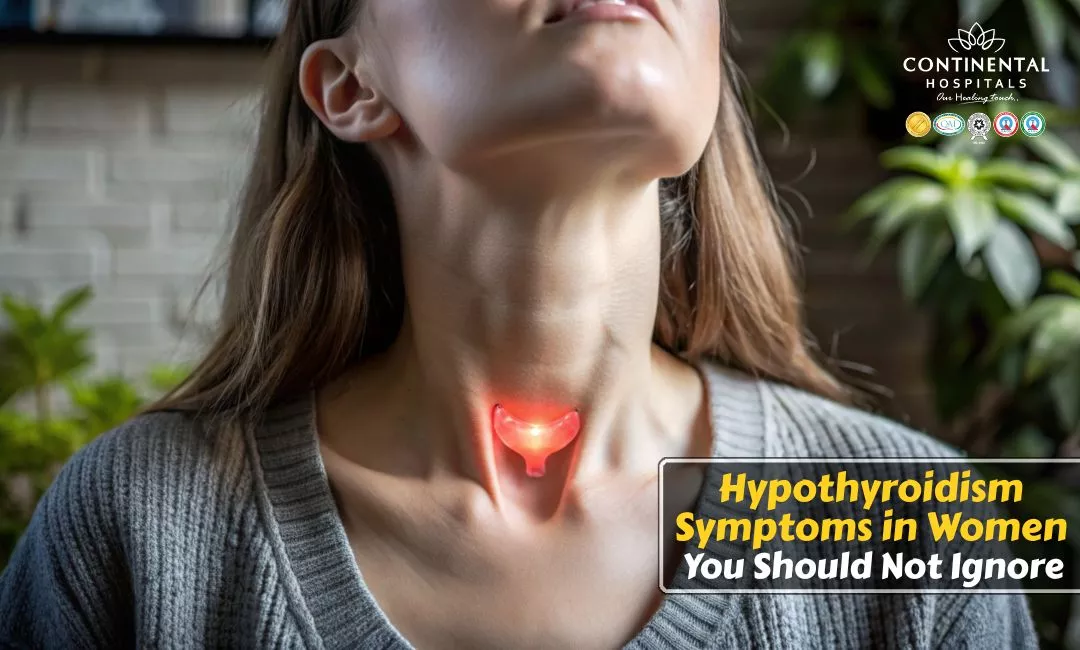
Hypothyroidism is a common thyroid disorder, especially among women. It occurs when the thyroid gland does not produce enough hormones to meet the body’s needs. These hormones are crucial for regulating metabolism, energy levels, and overall body function. Ignoring hypothyroidism symptoms in women can lead to serious health issues, including heart problems, infertility, and severe fatigue. Understanding the signs and causes of hypothyroidism is essential for early diagnosis and effective management.
What is Hypothyroidism?
Hypothyroidism is a condition where the thyroid gland produces fewer hormones than required. Thyroid hormones control vital functions such as metabolism, heart rate, digestion, and body temperature. When hormone levels drop, your body slows down, leading to multiple symptoms that can affect your daily life.
Women are more prone to thyroid problems due to hormonal changes during menstruation, pregnancy, and menopause. Recognizing hypothyroidism symptoms in women is crucial for timely treatment.
Visit our Endocrinology Department at Continental Hospitals, Hyderabad for expert hypothyroidism care, accurate diagnosis, and personalized treatment.
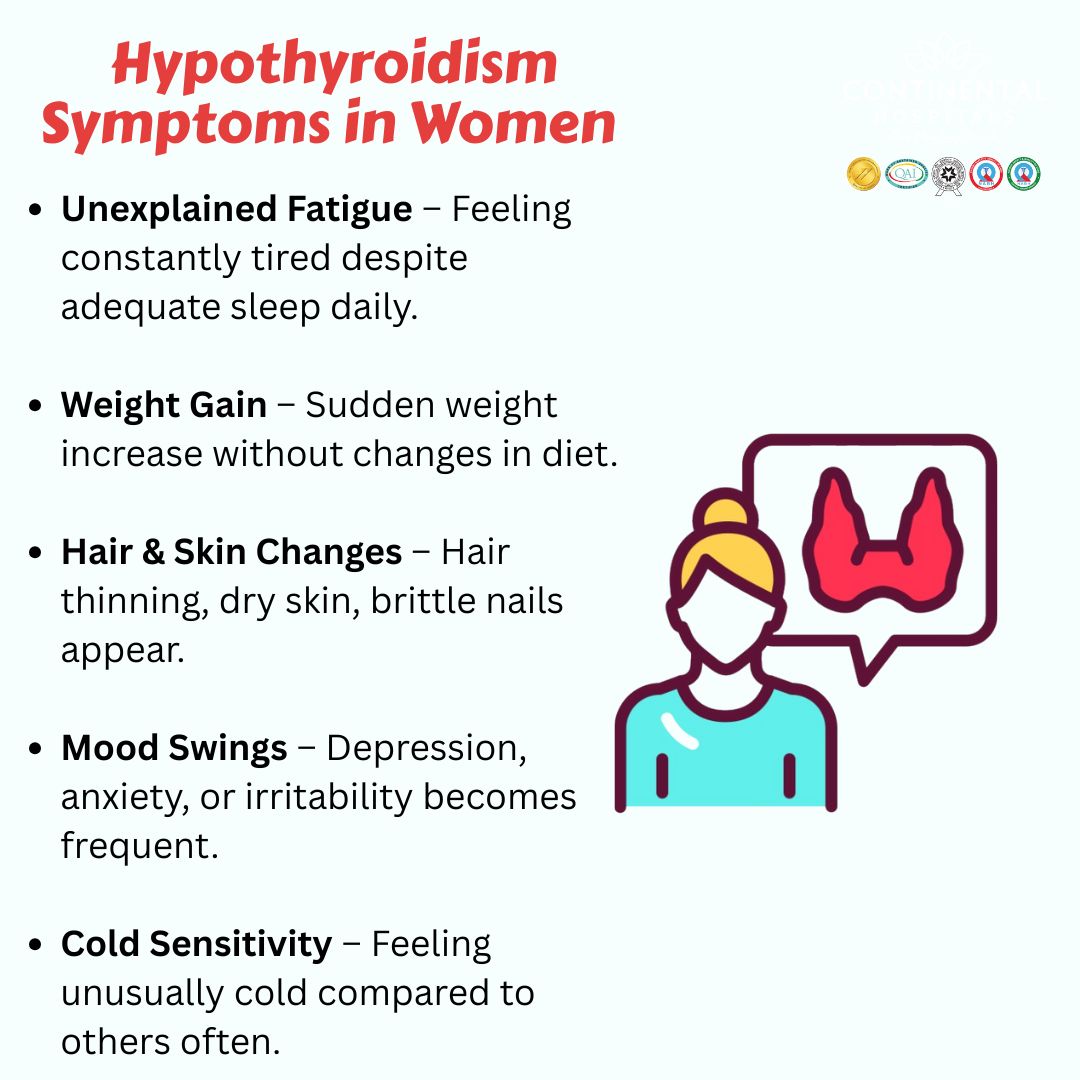
Common Hypothyroidism Symptoms in Women
Hypothyroidism symptoms often develop gradually and may vary in severity. Some women may not notice them at first. Key symptoms include:
Fatigue and Weakness: Persistent tiredness even after proper rest can indicate low thyroid hormone levels.
Weight Gain: Unexplained weight gain despite a balanced diet may occur due to slowed metabolism.
Hair Thinning and Hair Loss: Hair may become brittle and fall out easily.

Dry Skin and Brittle Nails: Lack of thyroid hormones reduces skin moisture, making it dry and flaky.
Cold Sensitivity: Feeling unusually cold can result from slower metabolism.
Constipation: Slowed digestion is a common symptom of hypothyroidism in women.
Swelling in Face and Hands: Fluid retention may cause puffiness.
Depression and Mood Changes: Thyroid hormone deficiency can affect brain chemistry.
Slow Heart Rate: Low hormone levels may cause the heart to beat slower than normal.
Menstrual Irregularities: Heavier or irregular periods can signal hypothyroidism.
Recognizing these symptoms early can help women seek medical attention and prevent complications.
Hypothyroidism Causes
Several factors can lead to hypothyroidism in women. These include:
Autoimmune Disorders: Conditions like Hashimoto’s thyroiditis cause the immune system to attack the thyroid gland.
Iodine Deficiency: Iodine is essential for hormone production, and its deficiency can affect thyroid function.
Hormonal Changes: Pregnancy, menopause, or hormonal imbalances can trigger thyroid problems.
Certain Medications: Some medicines may interfere with thyroid hormone production.
Genetic Factors: Family history of thyroid disease increases risk.
Understanding the causes helps in managing hypothyroidism effectively.
Hypothyroidism Diagnosis
If you experience multiple symptoms, consulting a doctor is essential. Diagnosis involves:
- Blood Tests: Checking thyroid hormone levels such as TSH, T3, and T4.
- Physical Examination: Evaluating swelling, skin changes, and heart rate.
- Medical History: Understanding family history and previous thyroid issues.
Early diagnosis improves treatment outcomes and quality of life.
Hypothyroidism in Women: Effects on Health
Untreated hypothyroidism can affect several aspects of health:
- Heart Health: Low thyroid hormone can increase cholesterol and risk of heart disease.
- Fertility and Pregnancy: Women with thyroid issues may face difficulties conceiving and maintaining a healthy pregnancy.
- Mental Health: Anxiety, depression, and memory problems are common.
- Energy Levels: Persistent fatigue may affect work, family, and social life.
Addressing hypothyroidism promptly helps maintain overall well-being.
Diet for Hypothyroidism
Diet plays a supportive role in managing hypothyroidism. Consider the following tips:
- Include iodine-rich foods such as fish, dairy, and eggs.
- Eat selenium-rich foods like nuts and seeds to support thyroid function.
- Consume zinc-rich foods including legumes and whole grains.
- Avoid excessive soy and processed foods that may interfere with thyroid hormone absorption.
- Maintain a balanced diet with plenty of fruits, vegetables, and lean proteins.
A healthy diet complements medical treatment for hypothyroidism and supports weight management.
Hypothyroidism Weight Loss Challenges
Women with hypothyroidism often struggle with weight loss because slowed metabolism makes burning calories more difficult. Combining thyroid treatment with proper diet and exercise can gradually help achieve healthy weight. Consulting a specialist is crucial for safe and effective weight management.
Why Choose Continental Hospitals for Thyroid Care?
Continental Hospitals is recognized as one of the best hospitals in Hyderabad for comprehensive thyroid care. Here’s why patients trust us:
- Expert Endocrinologists: Experienced specialists in thyroid disorders.
- Advanced Diagnostics: State-of-the-art lab and imaging facilities.
- Personalized Treatment Plans: Tailored to each patient’s condition and lifestyle.
- Accreditations: Our hospital meets national and international healthcare standards for safety and quality.
- Patient-Centric Care: Supportive environment focused on recovery and well-being.
Choosing the right hospital ensures accurate diagnosis, effective treatment, and ongoing care.
Conclusion
Hypothyroidism is a manageable condition if detected early. Awareness of hypothyroidism symptoms in women is key to timely medical intervention. Proper diagnosis, lifestyle modifications, diet, and specialized care can help maintain energy levels, support weight management, and improve overall health.
Continental Hospitals provides world-class thyroid care with a focus on safety, patient comfort, and advanced treatment. If you experience any signs of thyroid problems, consult our experts to take control of your health today.
Consulu our Best Endocrinology at Continental Hospitals, Hyderabad for expert care. Our specialists provide accurate diagnosis, personalized treatment, and ongoing support for hypothyroidism in women.
Related Blog Topics: