.webp)


Managing diabetes can be challenging, especially when it comes to choosing the right foods for a healthy diet. Fruits are an important part of any balanced diet, but some fruits are considered better than others for people with diabetes. One fruit that often raises questions is persimmon. Known for its sweet taste and vibrant orange color, persimmon is packed with nutrients. But is persimmon good for diabetes?
What is Persimmon?
Persimmon is a seasonal fruit widely available in Asia, especially in Japan, China, and Korea. It belongs to the genus Diospyros and comes in two main varieties: astringent and non-astringent. Astringent persimmons have a higher tannin content, which gives them a slightly bitter taste if eaten before fully ripening. Non-astringent persimmons are sweet even when firm and are commonly eaten fresh.
This fruit is not only delicious but also rich in vitamins, minerals, and antioxidants, making it a popular choice for those seeking a nutritious diet. Persimmons are low in calories and high in dietary fiber, which is an important factor for people managing diabetes.
Visit our Endocrinology department at Continental Hospitals, Hyderabad for expert guidance on including fruits like persimmons safely in diabetes care.
Nutritional Profile of Persimmon
Understanding the nutritional composition of persimmons helps determine whether it is suitable for people with diabetes. A medium-sized persimmon contains:
- Dietary fiber: supports digestion and controls blood sugar levels
- Vitamin A: promotes eye health
- Vitamin C: boosts immunity
- Potassium: helps maintain heart health and proper blood pressure
- Antioxidants: such as beta-carotene, lutein, and zeaxanthin, which reduce oxidative stress
Fiber plays a key role in diabetes management as it slows down the absorption of sugar into the bloodstream, preventing spikes in blood sugar levels. Additionally, the antioxidants in persimmon help protect the body from complications associated with diabetes, including heart and kidney problems.
Persimmon and Blood Sugar: Facts
Many myths surround persimmon and its effect on blood sugar. Let’s address the key facts:
Moderate Glycemic Index
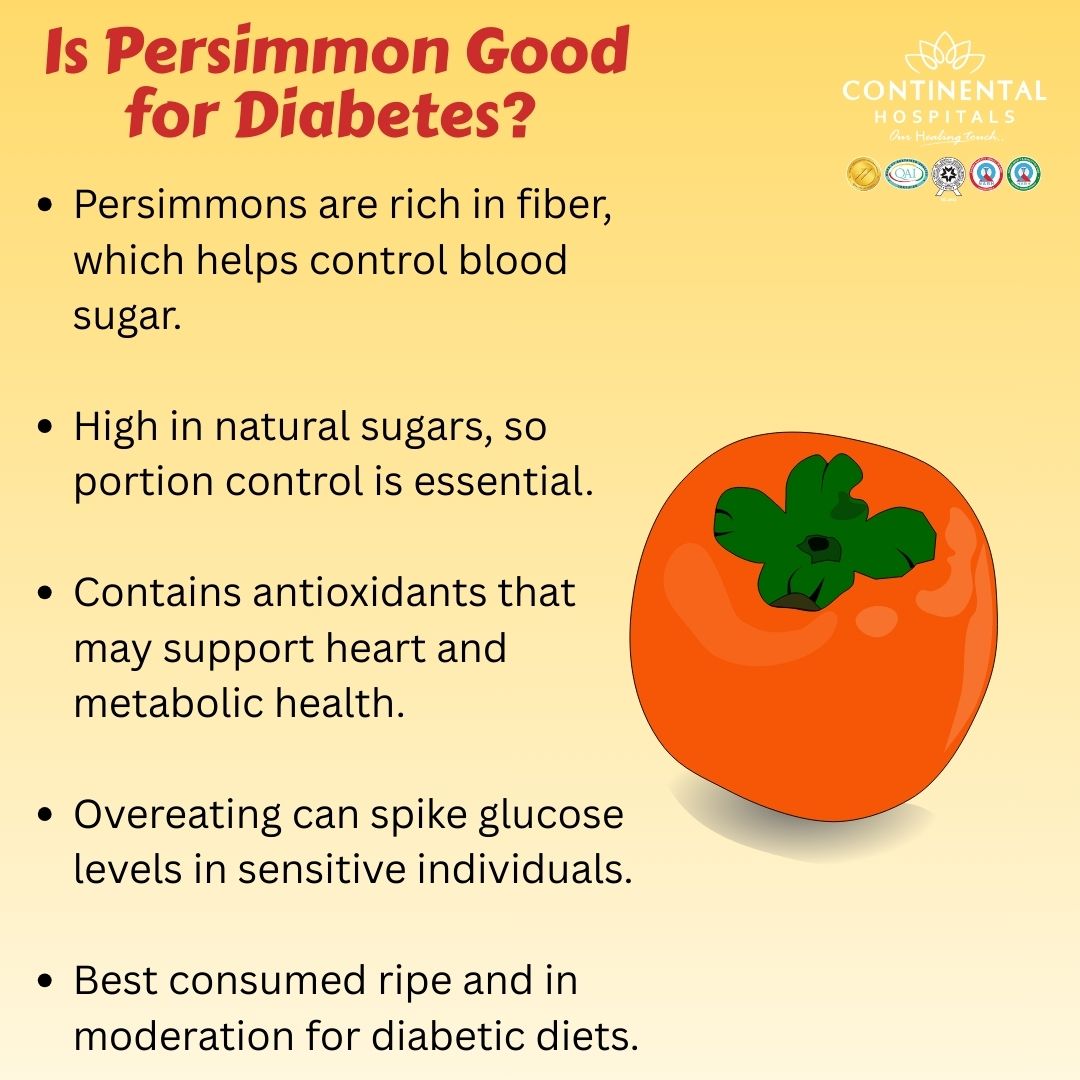
Persimmons have a moderate glycemic index, meaning they release sugar into the bloodstream slowly when eaten in moderation. This can prevent sudden spikes in blood sugar levels, which is crucial for both type 1 and type 2 diabetes management.

Rich in Fiber
The soluble fiber in persimmon helps regulate blood sugar by slowing down carbohydrate absorption. It also supports gut health and can contribute to better weight management.
Myths About Persimmon and Diabetes
There are several misconceptions about persimmons that need clarification:
Myth 1: Persimmons are too sweet for diabetics
While persimmons are sweet, their fiber content balances sugar absorption. Eating them in moderation does not pose a significant risk for most people with controlled diabetes.
Myth 2: All types of persimmons are the same
The astringent type has more tannins and may impact digestion if consumed unripe. Non-astringent persimmons are safer and easier to include in a diabetes diet.
Myth 3: Persimmons can cure diabetes
No fruit, including persimmons, can cure diabetes. However, it can be part of a balanced diet that supports diabetes management and overall metabolic health.
Health Benefits of Persimmon for Diabetes
Persimmons offer multiple health benefits beyond blood sugar control. Some of the notable persimmon benefits include:
Supports Heart Health
Persimmons contain potassium and antioxidants, which help maintain healthy blood pressure and reduce the risk of heart disease, a common complication in diabetes.
Aids Digestion
The fiber content promotes healthy digestion and prevents constipation, which is often a concern for people with diabetes.
Enhances Immunity
Vitamin C in persimmons strengthens the immune system and reduces inflammation in the body.
Weight Management
High fiber content can promote satiety, helping with weight management, which is a crucial aspect of type 2 diabetes care.
Eye Health
Vitamin A and antioxidants in persimmons protect against diabetic retinopathy and other vision-related issues.
How to Include Persimmons in a Diabetes Diet
Including persimmons in your diet can be simple if done carefully. Here are some practical tips:
- Eat small portions to avoid excessive sugar intake.
- Combine persimmons with protein or healthy fat, such as nuts or yogurt, to slow sugar absorption.
- Choose fully ripe, non-astringent persimmons for best taste and digestibility.
- Incorporate persimmons into salads or smoothies for variety.
- Avoid processed persimmon products with added sugar.
Points to Remember
- Moderation is key when consuming persimmons for diabetes.
- Pairing persimmons with fiber-rich or protein-rich foods helps manage blood sugar spikes.
- Monitor blood sugar levels to see how persimmons affect your body.
- Consult a healthcare professional or dietitian for personalized advice.
Why Choose Continental Hospitals for Diabetes Care?
Managing diabetes effectively requires more than just dietary changes. At Continental Hospitals Hyderabad, we provide comprehensive diabetes care with a team of experienced endocrinologists, dietitians, and support staff. Our hospital in Hyderabad is equipped with advanced diagnostic tools, modern treatment facilities, and accredited programs for patient safety and quality care.
We focus on personalized care, which includes diet planning, lifestyle modification guidance, and monitoring for complications. Our goal is to help patients lead a healthier life while managing diabetes efficiently. Choosing Continental Hospitals ensures expert medical attention, evidence-based treatment, and compassionate support throughout your diabetes journey.
Conclusion
So, is persimmon good for diabetes? The answer is yes, when eaten in moderation and as part of a balanced diet. Persimmons offer fiber, antioxidants, vitamins, and minerals that support blood sugar control and overall health. While they are not a cure for diabetes, they can be a tasty, nutritious addition to a diabetes-friendly diet.
For anyone managing type 1 or type 2 diabetes, professional guidance is essential. Consult our endocrinology experts at Continental Hospitals to design a personalized diabetes management plan that includes dietary advice, lifestyle recommendations, and regular monitoring. Take charge of your health today and discover how small, informed choices, like including persimmons, can make a big difference.
If you have diabetes and want to include fruits like persimmons safely in your diet, consult our best Endocrinologist at Continental Hospitals, Hyderabad for expert guidance and personalized care.
Related Blog Topics: