post-title

Natural Methods to Control High Blood Pressure

Written by - Editorial Team
Medically Reviewed by - Dr Sumit Shejol

High blood pressure, also known as hypertension, is a common condition affecting millions of people. Uncontrolled blood pressure increases the risk of heart disease, stroke, and kidney problems. Fortunately, there are natural ways to lower blood pressure that can be incorporated into daily life. Understanding how to reduce high blood pressure naturally and practicing lifestyle adjustments can help you manage your health effectively.

If you have hypertension, dizziness, headaches, or chest discomfort, visit our Best Cardiology Doctors in Hyderabad Continental Hospitals’ specialists for expert blood pressure management and personalized care.

What is hypertension and how does it affect the body?

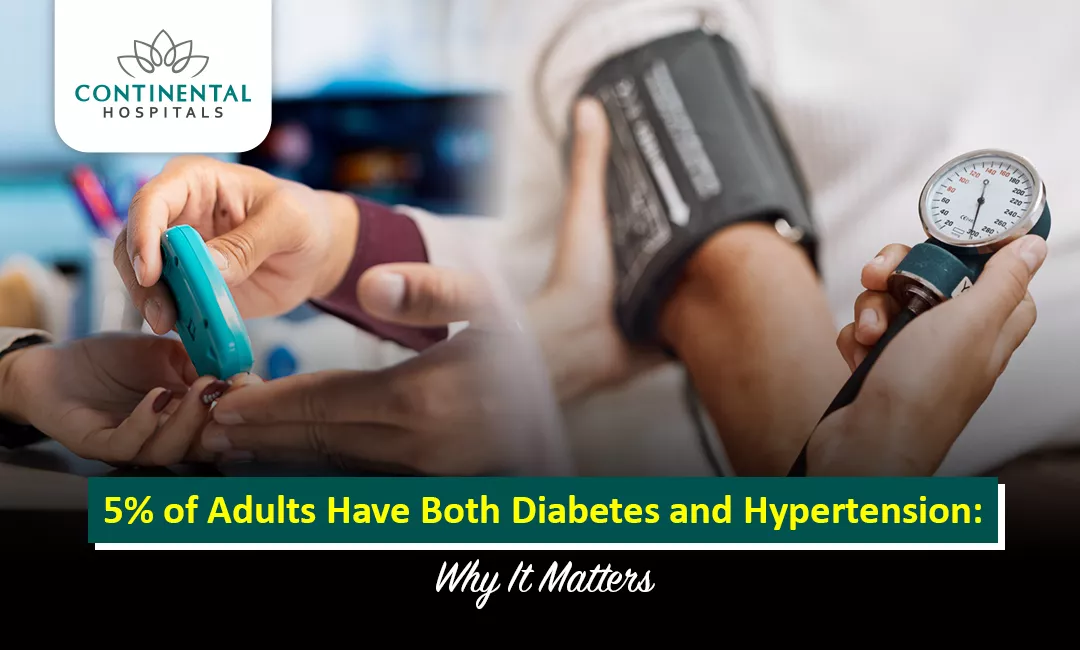
Hypertension occurs when the force of blood against artery walls is consistently too high. Often called a “silent condition,” it may not show obvious symptoms until complications arise. Some people may experience headaches, shortness of breath, or dizziness, but many remain unaware of their condition. Recognizing the need for preventive care and natural blood pressure management tips is essential for long-term health.
What lifestyle changes can help control high blood pressure?

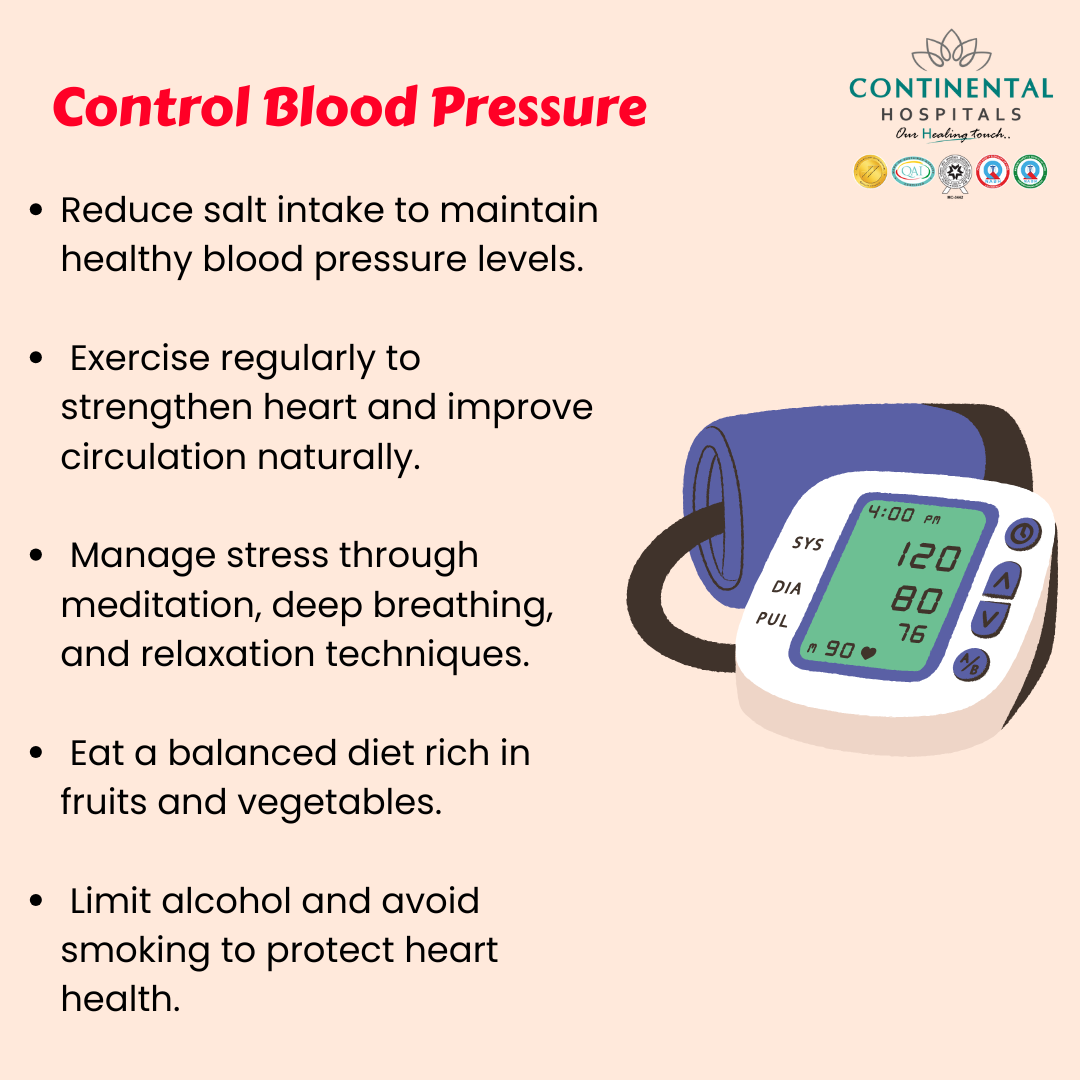
Lifestyle modifications are the foundation of managing hypertension. Here are the most effective strategies:

Healthy Diet
A hypertension diet plan emphasizes fruits, vegetables, whole grains, and lean proteins. Foods to lower blood pressure naturally include leafy greens, berries, oats, and nuts. Reducing sodium intake helps maintain healthy blood pressure levels.

Regular Exercise
Best exercises for blood pressure control include walking, swimming, cycling, and yoga. Physical activity strengthens the heart, improves circulation, and reduces stress. Experts recommend at least 30 minutes of moderate exercise most days of the week.

Weight Management
Maintaining a healthy weight is critical for blood pressure control. Even modest weight loss can significantly reduce systolic and diastolic pressure. Combining diet and exercise creates sustainable results.

Stress Reduction for High Blood Pressure
Stress can trigger temporary spikes in blood pressure. Meditation, deep breathing exercises, progressive muscle relaxation, and adequate sleep are effective strategies. Managing stress consistently contributes to long-term blood pressure stability.

Second Opinion

Limit Alcohol and Avoid Smoking
Excessive alcohol consumption and smoking increase blood pressure and harm heart health. Limiting or avoiding these substances supports natural hypertension treatment.

What are the home remedies for high blood pressure?

In addition to lifestyle adjustments, several home remedies for high blood pressure can support overall cardiovascular health:

Garlic and Herbs: Garlic and herbal remedies for blood pressure help relax blood vessels and improve circulation.

Potassium-Rich Foods: Bananas, sweet potatoes, and spinach balance sodium levels in the body.

Green Tea and Hibiscus Tea: Natural beverages with antioxidant properties help lower blood pressure gradually.

Dark Chocolate: Small amounts of dark chocolate with high cocoa content may improve vascular health.

These natural methods complement medical guidance and help maintain healthy blood pressure levels.

Need an Appointment?

How to control blood pressure without medicine?

For individuals with mild hypertension, consistent lifestyle changes can be effective. How to control blood pressure without medicine involves:

  • Following a balanced, low-sodium diet
  • Incorporating regular physical activity
  • Reducing stress through meditation and mindfulness
  • Avoiding excessive alcohol and caffeine
  • Monitoring blood pressure regularly at home

However, those with severe or persistent hypertension should consult healthcare professionals before reducing or stopping medication.

What foods help lower blood pressure naturally?

Certain foods have proven effects in reducing blood pressure naturally:

  • Leafy greens like spinach and kale
  • Berries, especially blueberries and strawberries
  • Oats and whole grains
  • Fatty fish rich in omega-3 fatty acids
  • Legumes such as lentils and beans
  • Nuts and seeds
  • Citrus fruits like oranges and grapefruits

Incorporating these foods into your daily diet supports a natural approach to blood pressure management.

What are the alternative ways to reduce hypertension naturally?

Beyond diet and exercise, alternative ways to reduce hypertension can be explored safely:

  • Acupuncture and relaxation therapies
  • Biofeedback and mindfulness techniques
  • Yoga and stretching routines
  • Limiting processed and packaged foods

These approaches, combined with conventional lifestyle methods, offer a holistic strategy for blood pressure control.

Why Choose Continental Hospitals?

Continental Hospitals is recognized as one of the best hospitals in Hyderabad for comprehensive cardiovascular care. The hospital is accredited by Joint Commission International and the National Accreditation Board for Hospitals and Healthcare Providers, ensuring global standards in patient safety, clinical excellence, and ethical healthcare delivery.

Patients benefit from:

  • Expert Cardiologists and Lifestyle Medicine Specialists
  • Advanced diagnostic facilities for blood pressure and heart health
  • Personalized hypertension management plans
  • Nutritional counseling and preventive health guidance
  • 24/7 emergency and intensive care services

With a patient-focused approach, Continental Hospitals integrates modern technology, medical expertise, and compassionate care to ensure safe and effective outcomes.

What are the tips to keep blood pressure under control?

  • Monitor blood pressure regularly to detect changes early
  • Incorporate daily physical activity and maintain healthy weight
  • Eat a balanced diet rich in fruits, vegetables, and whole grains
  • Practice stress reduction techniques consistently
  • Avoid smoking, limit alcohol, and reduce caffeine intake
  • Follow medical advice and attend regular check-ups

These tips create a sustainable routine that supports natural blood pressure management.

Conclusion

Managing high blood pressure naturally involves a combination of diet, exercise, stress reduction, and healthy lifestyle habits. Home remedies for high blood pressure, foods to lower blood pressure naturally, and natural hypertension treatment strategies provide effective ways to maintain cardiovascular health.

If you suffer from hypertension or related symptoms such as dizziness, headaches, or chest discomfort, consult the specialists at Continental Hospitals. Consult our top cardiologists in Hyderabad provides comprehensive guidance for safe blood pressure control, personalized care plans, and preventive strategies to support your overall wellness.

Related Blog Topic

  1. 10 Best foods for High Blood Pressure
  2. Can High Blood Pressure increase the risk of endometrial cancer?

Frequently Asked Questions

Yes. Lifestyle changes are one of the most effective natural ways to manage high blood pressure, especially in the early stages or alongside prescribed medication. Eating a balanced diet rich in fruits, vegetables, whole grains, and lean proteins supports heart health. Reducing salt intake, maintaining a healthy weight, and staying physically active can significantly improve blood pressure levels. Managing stress through meditation, yoga, or deep breathing also helps. Limiting alcohol and avoiding tobacco further reduce cardiovascular risk. Getting adequate sleep is equally important because poor sleep can contribute to hypertension. These healthy habits work together to improve blood vessel function and reduce strain on the heart. However, lifestyle changes should not replace medications unless advised by a healthcare provider. Regular blood pressure monitoring helps track progress and ensures timely medical intervention when necessary.
A heart-friendly diet plays a major role in naturally controlling high blood pressure. Include plenty of fresh fruits, leafy green vegetables, whole grains, legumes, nuts, seeds, and low-fat dairy products. Foods rich in potassium, magnesium, and calcium help regulate blood pressure by balancing sodium levels. Bananas, spinach, sweet potatoes, avocados, beans, and yogurt are excellent choices. Fatty fish containing omega-3 fatty acids, such as salmon, also support heart health. Avoid processed foods, packaged snacks, sugary beverages, and excessive saturated fats. Reducing sodium intake to recommended levels can significantly lower blood pressure over time. Drinking enough water and choosing home-cooked meals further support healthy blood pressure management. Consistency in healthy eating provides the best long-term results.
Regular physical activity is one of the most effective natural treatments for high blood pressure. Adults should aim for at least 150 minutes of moderate-intensity aerobic exercise every week, such as brisk walking, cycling, swimming, or dancing. Strength training twice a week also improves cardiovascular health. Exercise helps the heart pump blood more efficiently, reducing pressure on the arteries. Even short 30-minute sessions on most days can make a noticeable difference. Beginners should start gradually and increase intensity over time. People with existing heart conditions should consult a doctor before beginning a new fitness routine. Staying active consistently also supports weight management, reduces stress, and improves overall health, all of which contribute to better blood pressure control.
Yes. Reducing sodium intake is one of the most proven natural methods for lowering high blood pressure. Excess salt causes the body to retain water, increasing blood volume and placing additional strain on the arteries. Limiting processed foods, packaged snacks, instant meals, pickles, and salty condiments helps reduce sodium intake significantly. Cooking meals at home using herbs, spices, lemon juice, and natural seasonings instead of salt is a healthier approach. Reading nutrition labels also helps identify hidden sodium sources. Many people notice improvements in blood pressure within weeks of reducing salt consumption. Combining a low-sodium diet with other healthy lifestyle habits provides even greater cardiovascular benefits.
Yes. Chronic stress can contribute to temporary spikes in blood pressure and may indirectly increase the risk of long-term hypertension through unhealthy coping habits. Practicing stress management techniques such as meditation, mindfulness, yoga, deep breathing exercises, or spending time in nature helps relax the body and calm the nervous system. Regular relaxation lowers stress hormones that affect blood vessel function. Maintaining social connections, engaging in hobbies, and balancing work with personal time also reduce emotional stress. Good sleep hygiene further supports stress reduction. While stress management alone may not completely control hypertension, it is an important part of a comprehensive natural treatment plan.
Maintaining a healthy body weight reduces the workload on the heart and blood vessels, making it easier to regulate blood pressure. Even losing 5 to 10 percent of body weight can lead to meaningful improvements in blood pressure levels for overweight individuals. Healthy weight loss is achieved through balanced nutrition, regular exercise, and sustainable lifestyle habits rather than crash diets. Excess body fat, especially around the abdomen, is strongly associated with hypertension and cardiovascular disease. Weight management also improves cholesterol levels, blood sugar control, and overall metabolic health. Regular monitoring and realistic weight-loss goals provide long-term benefits for heart health.
Yes. Poor sleep quality and insufficient sleep are closely linked to higher blood pressure and increased cardiovascular risk. Adults should aim for seven to nine hours of quality sleep each night. Sleep allows the body to regulate hormones, repair blood vessels, and maintain healthy heart function. Conditions such as sleep apnea can significantly increase blood pressure and should be evaluated by a healthcare provider. Establishing a consistent sleep schedule, limiting screen time before bed, avoiding heavy meals late at night, and creating a comfortable sleeping environment can improve sleep quality. Better sleep supports healthier blood pressure and overall well-being.
You should consult a doctor if your blood pressure readings consistently remain above 140/90 mmHg, or above the target range recommended by your healthcare provider. Seek immediate medical attention if your blood pressure exceeds 180/120 mmHg or if you experience chest pain, severe headache, shortness of breath, confusion, vision changes, or weakness. Regular health check-ups are important because high blood pressure often has no symptoms. A doctor can identify underlying causes, recommend appropriate lifestyle changes, prescribe medications if needed, and monitor your progress. Early diagnosis and timely treatment greatly reduce the risk of heart disease, stroke, kidney disease, and other serious complications.
Disclaimer: The information provided in this blog is intended for general knowledge and informational purposes only, and does not constitute medical advice. Always consult with a qualified healthcare professional for any medical concerns or before making any decisions about your health.

Get in Touch With Us

Whether you are from India or abroad, we are here to help you with your medical queries. Please fill out the form below and our team will connect with you shortly.

  • ✔ Quick response from our medical experts
  • ✔ Secure data handling & privacy
  • ✔ Easy upload for reports & documents
banner_image

Chat with our medical experts on WhatsApp for quick assistance and hassle-free appointment booking

Recent Posts