.webp)


A low platelet count is a common finding in blood tests and often creates anxiety for patients. Many people notice it incidentally during routine health checkups, while others discover it when they experience unexplained bruising or bleeding. Understanding what a low platelet count means, why it happens, and when to seek medical care can help you take the right steps early and avoid complications.
What Are Platelets and Why Are They Important?
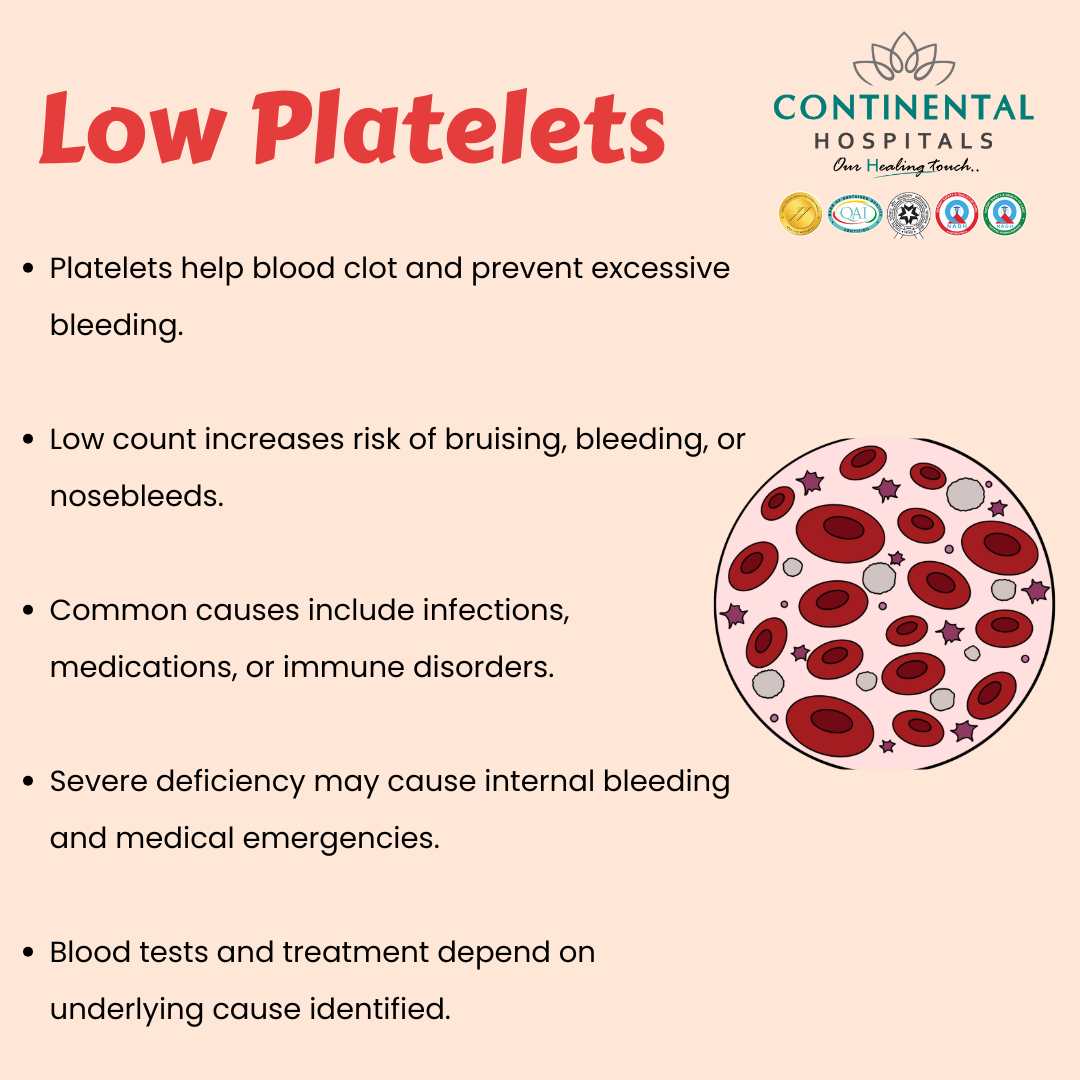
Platelets are tiny blood cells that play a critical role in stopping bleeding. Whenever you get a cut or injury, platelets rush to the site, stick together, and form a clot to seal the wound. Without enough platelets, the body struggles to control bleeding effectively.
When platelet levels fall below the normal range, the condition is called thrombocytopenia. The severity depends on how low the count is and the underlying cause.
What Does a Low Platelet Count Mean?
A low platelet count means your blood has fewer platelets than required for normal clotting. This does not always indicate a serious disease. In many cases, it is temporary and improves with treatment or time.
However, very low platelet levels can increase the risk of excessive bleeding, even from minor injuries. That is why understanding the reason behind low platelet count is essential.
Common Causes of Low Platelet Count
Low platelet count can develop due to several reasons. Some are short term and manageable, while others need detailed medical evaluation.
Infections
Viral infections such as dengue, malaria, viral fever, hepatitis, or COVID can temporarily reduce platelet levels. In most cases, platelet counts recover once the infection resolves.
Immune System Disorders
Sometimes the immune system mistakenly attacks platelets and destroys them. Conditions like immune thrombocytopenia cause low platelet levels without obvious infection.

Bone Marrow Problems
Platelets are produced in the bone marrow. Disorders affecting bone marrow function can reduce platelet production.
Nutritional Deficiencies
Deficiency of vitamin B12 or folate can interfere with platelet production and lead to low counts.
Medications
Certain medicines can reduce platelet levels as a side effect. These include some antibiotics, painkillers, and chemotherapy drugs.
Liver or Spleen Disorders
Liver disease or an enlarged spleen can trap platelets and lower their count in the bloodstream.
Symptoms of Low Platelet Count
Mildly low platelet levels may not cause any symptoms at all. As platelet counts fall further, signs may begin to appear.
Common symptoms include:
- Easy bruising
- Frequent nosebleeds
- Bleeding gums
- Prolonged bleeding from cuts
- Tiny red or purple spots on the skin
- Fatigue or weakness
- Heavy menstrual bleeding in women
Severe cases may lead to internal bleeding, which requires urgent medical attention.
How Is Low Platelet Count Diagnosed?
Low platelet count is usually detected through a complete blood count test. If platelet levels are low, doctors may recommend additional tests to find the cause.
These may include:
- Repeat blood tests to confirm results
- Blood smear examination
- Tests for infections
- Liver and kidney function tests
- Vitamin level assessment
- Bone marrow tests in selected cases
Accurate diagnosis helps doctors plan the right treatment approach.
How Is Low Platelet Count Treated?
Treatment depends entirely on the cause and severity of the condition. Not everyone with low platelet count needs active treatment.
Observation and Monitoring
Mild cases without symptoms may only require regular monitoring.
Treating the Underlying Cause
Managing infections, correcting nutritional deficiencies, or stopping certain medications often improves platelet levels.
Immune Therapy
In immune related platelet disorders, medicines that suppress immune activity may be used.
Platelet Transfusion
In severe cases with active bleeding or very low counts, platelet transfusion may be necessary.
Your doctor will decide the safest and most effective plan based on your overall health and test results.
When Should You See a Doctor?
You should consult a doctor if:
- Your blood test shows low platelet levels
- You notice frequent bruising or bleeding
- Bleeding does not stop easily
- You have blood in urine or stools
- You feel extreme fatigue or weakness
Early medical evaluation helps prevent complications and ensures timely treatment.
Living With Low Platelet Count
Most people with low platelet count recover fully once the underlying cause is treated. Following medical advice, avoiding unnecessary medications, and attending regular follow ups are important.
Patients with persistently low platelet levels should avoid activities that increase the risk of injury and bleeding until platelet counts improve.
Why Choose Continental Hospitals for Low Platelet Count Care?
Continental Hospitals is recognized as one of the best hospitals in Hyderabad, offering comprehensive diagnosis and treatment for blood disorders. Our multidisciplinary team includes experienced physicians, hematologists, and critical care specialists who work together to ensure accurate diagnosis and personalized care.
Key reasons to choose Continental Hospitals:
- Advanced diagnostic laboratories with rapid and reliable results
- Expert specialists experienced in managing complex platelet disorders
- Evidence based treatment protocols
- State of the art infrastructure and patient safety standards
- NABH and JCI accredited hospital ensuring global quality care
- Integrated care approach for infection related and immune related conditions
At Continental Hospitals, patient care is guided by clinical expertise, compassion, and a commitment to safety.
If You Are Suffering From Low Platelet Count
If you or a loved one is experiencing symptoms of low platelet count or has abnormal blood test results, do not ignore them. Early diagnosis and expert medical care can prevent serious complications.
Consult our top general physician or hematology specialist at Continental Hospitals for proper evaluation, clear guidance, and safe treatment options tailored to your condition.
Conclusion
A low platelet count is a medical condition that ranges from mild and temporary to serious and life threatening. Understanding its causes, symptoms, and treatment options empowers patients to seek timely care. With expert diagnosis and advanced medical support, most cases can be managed effectively.
For trusted care, advanced diagnostics, and experienced specialists, Continental Hospitals stands as a reliable choice for managing low platelet count and related conditions in Hyderabad.