.webp)

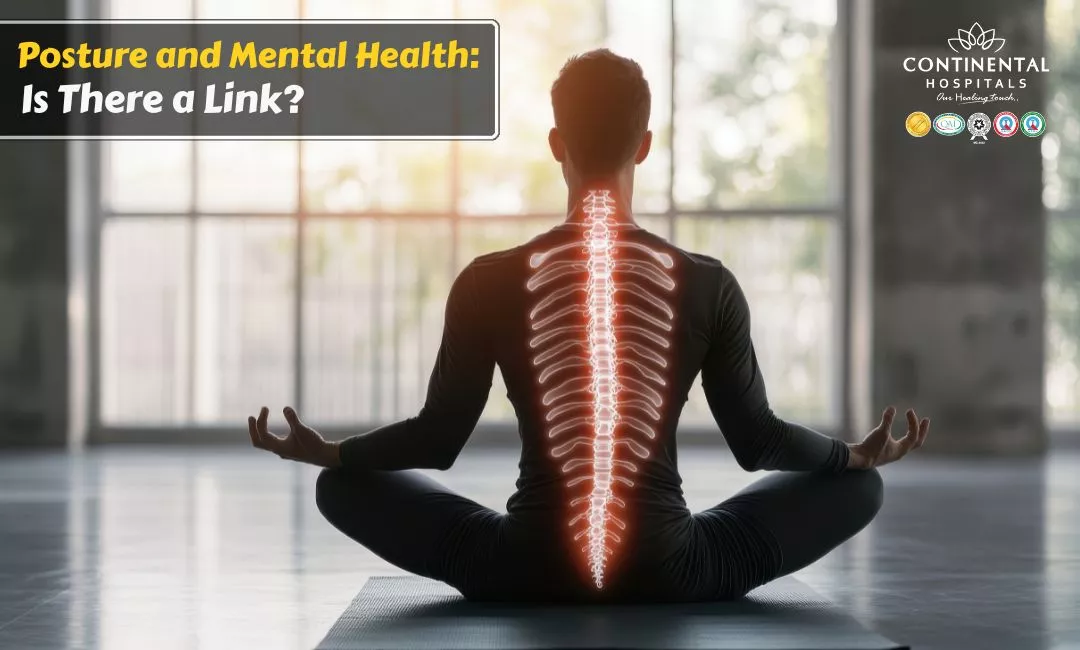
Good posture is often associated with physical appearance or back health. However, growing research and clinical experience show that posture and mental health are closely connected. The way we sit, stand, and move can influence how we feel emotionally, how we handle stress, and even how our brain responds to anxiety and depression. Mental health matters, and understanding this link can help people take simple steps toward better emotional wellbeing.
At Continental Hospitals, recognized as one of the best hospitals in Hyderabad, mental health care is approached holistically. Physical habits like posture are increasingly being seen as important contributors to overall mental health.
Understanding Posture and Mental Health
Posture refers to how the body is aligned when sitting, standing, or lying down. Mental health refers to emotional, psychological, and social wellbeing. When posture is poor for long periods, it does not only strain muscles and joints but can also affect mood, confidence, and stress levels.
Research suggests that posture and mental health influence each other. Slouched posture is commonly seen in people experiencing depression or anxiety. At the same time, maintaining an upright posture can send positive signals to the brain, supporting emotional balance and stress management.
If ongoing stress, anxiety, or emotional challenges affect your life, visit our Psychology Department at Continental Hospitals for expert care and personalized mental health support.
How Poor Posture Affects Mental Health
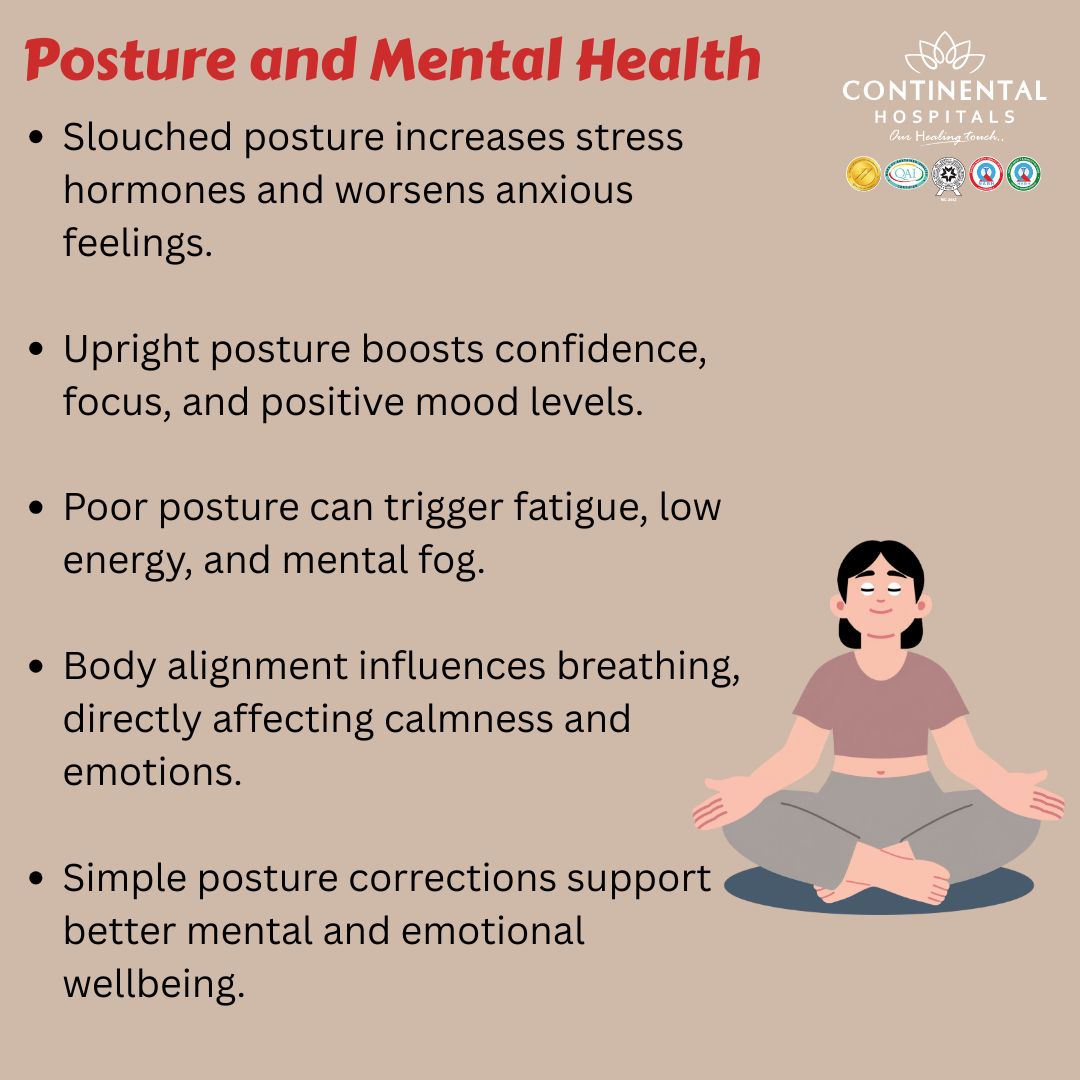
Poor posture can silently impact mental wellbeing over time. Here are key ways it affects the mind.
- Reduced oxygen intake due to compressed chest
- Increased muscle tension leading to physical discomfort
- Higher levels of stress hormones
- Lower self confidence and negative body image
- Increased fatigue and reduced focus
When the body is under constant physical strain, the brain remains in a state of alert. This can worsen anxiety and contribute to symptoms of mental illness.
The Science Behind Posture and Depression
Posture and depression have a strong connection. People with depression often sit or stand with rounded shoulders and a lowered head. This posture can reinforce feelings of sadness and low energy.

Studies show that upright posture improves breathing and blood flow to the brain. This helps regulate mood related chemicals like serotonin. Improving posture does not replace professional mental health treatment, but it can support recovery when combined with therapy and medical care.
Can posture really influence emotions? Yes. Body language sends feedback to the brain, shaping emotional responses.
Anxiety and Body Alignment
Anxiety often causes the body to tense up. Shoulders rise, the neck stiffens, and breathing becomes shallow. Over time, this posture becomes habitual.
This posture signals the nervous system that the body is under threat. As a result, anxiety symptoms may intensify.
Improving posture can help calm the nervous system by encouraging deeper breathing and muscle relaxation. This is why posture exercises are often included in stress management programs.
Benefits of Good Posture for Mental Health
Maintaining proper posture offers several mental health benefits.
- Improved mood and emotional stability
- Better concentration and memory
- Reduced stress and anxiety levels
- Increased self confidence
- Better sleep quality
Good posture supports both physical and mental health, creating a positive feedback loop that improves overall wellbeing.
Simple Ways to Improve Posture Daily
Improving posture does not require complex routines. Small, consistent changes make a big difference.
- Sit with feet flat on the floor and back supported
- Keep screens at eye level to avoid neck strain
- Take regular movement breaks during work
- Practice posture exercises that strengthen core muscles
- Be mindful of posture while using mobile devices
As posture improves, many people notice better energy levels and improved mental clarity.
Posture Exercises That Support Mental Health
Certain exercises help improve posture and support mental health by reducing tension and promoting relaxation.
- Shoulder rolls to release upper body tension
- Chest opening stretches to improve breathing
- Neck stretches to reduce stiffness
- Core strengthening exercises for spinal support
- Gentle yoga or physiotherapy guided movements
These exercises support posture and mental health by calming the mind and improving body awareness.
Role of Stress Management in Posture
Stress management plays a vital role in maintaining good posture. Chronic stress leads to muscle tightness, which affects body alignment.
Practices that help manage stress include:
- Deep breathing exercises
- Mindfulness and relaxation techniques
- Regular physical activity
- Adequate sleep
- Professional mental health support when needed
When stress reduces, posture naturally improves, creating better balance between body and mind.
When Poor Posture Signals Mental Health Concerns
Sometimes posture changes may indicate underlying mental health issues. Persistent slouching, low energy, and body stiffness can be signs of depression or anxiety.
Should you seek help if posture and mood are both affected? Yes. Addressing mental health early leads to better outcomes.
Mental illness often presents with physical symptoms. Treating both together is essential for long term recovery.
Mental Health Care at Continental Hospitals
Continental Hospitals is known for its patient centered and evidence based care. As one of the best hospitals in Hyderabad, it offers comprehensive mental health services supported by advanced infrastructure and experienced specialists.
The hospital is accredited by international and national healthcare quality organizations, reflecting high standards in patient safety, clinical excellence, and ethical medical practices. These accreditations ensure that patients receive reliable and world class care.
Mental health services at Continental Hospitals focus on holistic healing. This includes understanding physical habits like posture, lifestyle factors, and emotional wellbeing alongside medical treatment.
Why Choose Continental Hospitals?
Patients choose Continental Hospitals for several reasons.
- Expert psychiatrists and mental health specialists
- Integrated care approach combining physical and mental health
- Advanced diagnostic and therapeutic facilities
- Internationally accredited healthcare standards
- Compassionate and confidential patient care
This comprehensive approach helps patients improve posture, manage stress, and restore mental health effectively.
Conclusion
Posture and mental health are deeply connected. The way the body is held influences mood, stress levels, and emotional resilience. Poor posture can worsen anxiety and depression, while good posture supports confidence, calmness, and mental clarity.
Improving posture through awareness, posture exercises, and stress management can positively support mental health. However, posture correction alone is not a cure for mental illness. Professional guidance is essential.
If you suffer from ongoing stress, anxiety, depression, or other mental health concerns, consult our best psychologist at Continental Hospitals.
Related Blog Topics: