.webp)
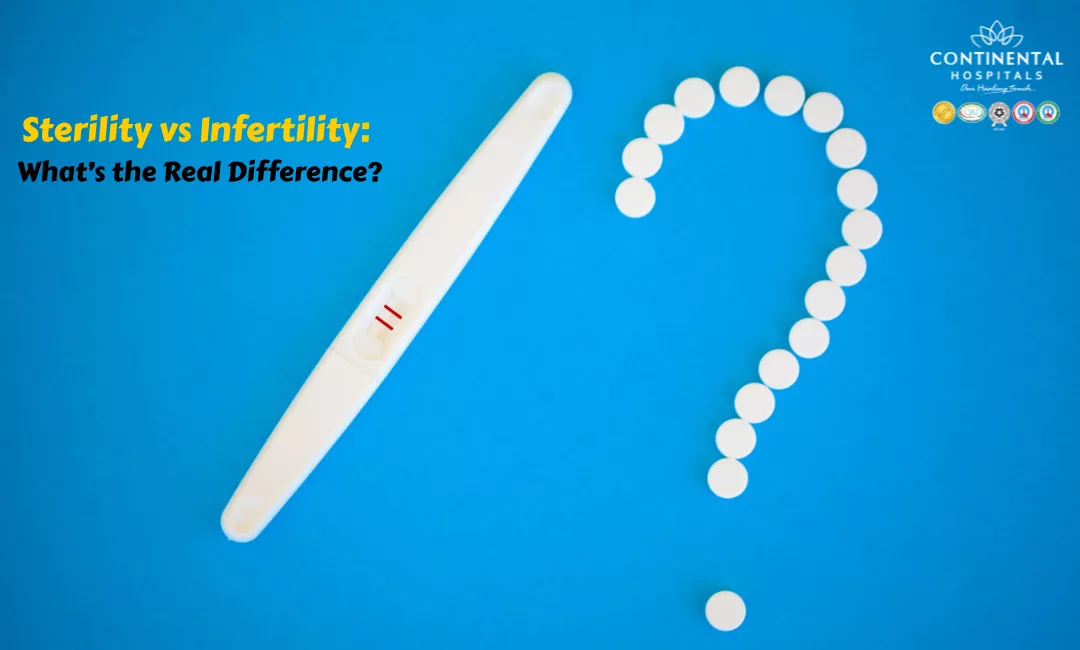
Struggling to conceive can be confusing and emotionally exhausting. Many couples hear the terms sterility and infertility used interchangeably, which often leads to fear, misunderstanding, and unnecessary stress. Knowing the real difference between sterility and infertility helps patients make informed decisions and seek the right medical care at the right time.
If you or your partner are facing challenges with conception, do not ignore the signs or delay consultation. The right guidance at Continental Fertility Centre can change your journey.
What is Sterility?
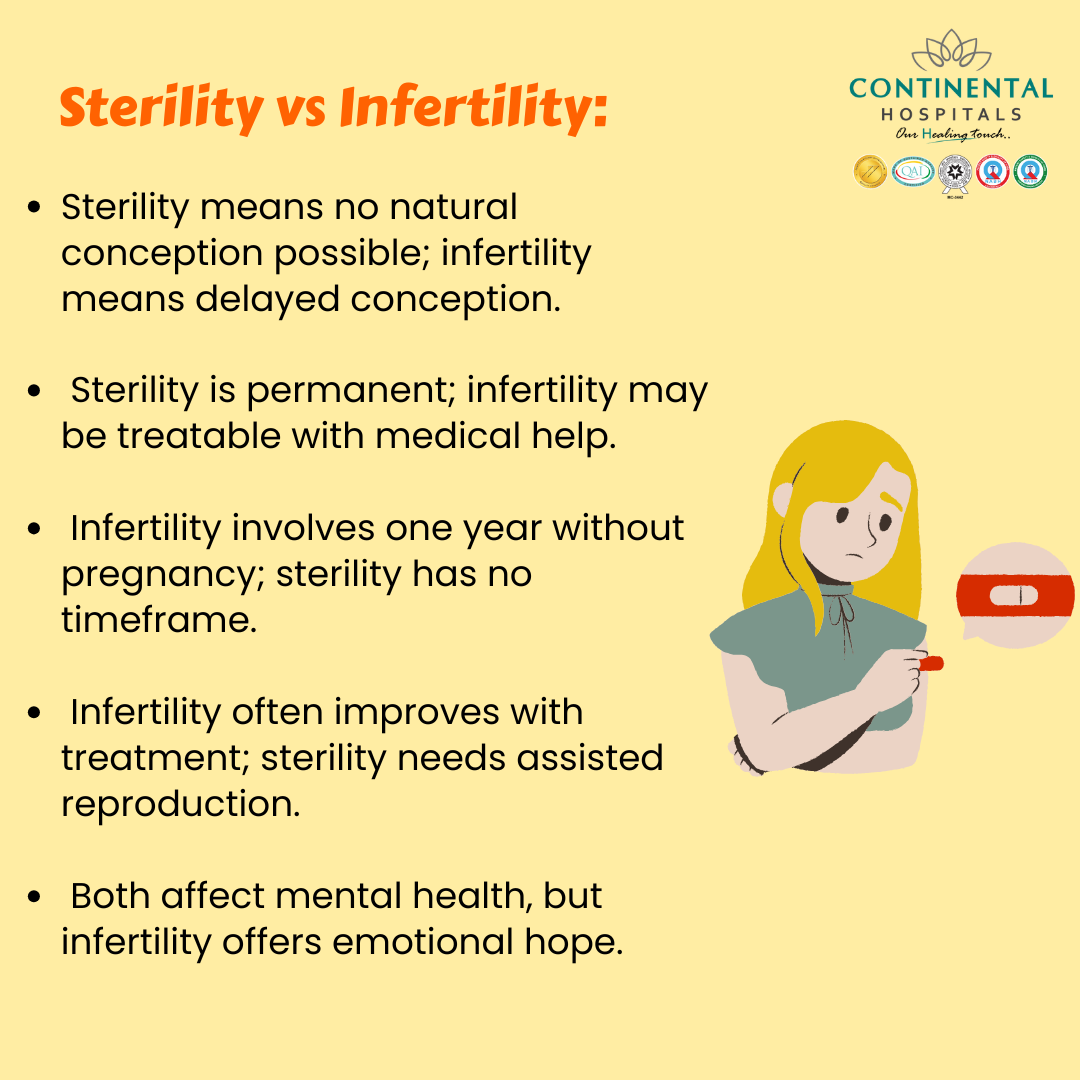
Sterility refers to a medical condition where natural conception is not possible under any circumstances. In simple terms, sterility means the body cannot achieve pregnancy without assisted reproductive methods, and in many cases, even those may not work.
Permanent sterility meaning includes conditions such as complete absence of sperm production, removal of reproductive organs, or irreversible damage to the uterus or ovaries. In men, sterility may result from genetic disorders or severe testicular damage. In women, it may be due to congenital absence of the uterus or permanent ovarian failure.
A common question patients ask is, is sterility curable? In most cases, sterility is considered permanent. However, medical advances may still offer alternative paths to parenthood through assisted reproductive technologies or donor programs.
What is Infertility?
Infertility is different from sterility. The infertility definition medical experts use is the inability to conceive after one year of regular, unprotected intercourse. For women above a certain age, this period may be shorter.
Unlike sterility, infertility does not mean pregnancy is impossible. Many couples diagnosed with infertility successfully conceive with medical support. This is why understanding the difference between sterility and infertility is so important.
Patients often ask, can infertility be treated? The answer is yes. In many cases, infertility responds well to treatment once the underlying cause is identified.

Sterility vs Infertility Difference Explained Simply
The key difference between sterility and infertility lies in possibility and time.
Sterility means natural conception cannot occur at all. Infertility means conception is taking longer than expected but may still happen naturally or with treatment.
Another difference is emotional outlook. Infertility often carries hope because treatments can improve fertility. Sterility usually requires alternative reproductive options.
Understanding sterility vs infertility difference helps couples avoid panic and seek timely medical advice.
Causes of Infertility in Men and Women
Reproductive health problems can affect both partners. Causes of infertility in men and women may be physical, hormonal, genetic, or lifestyle-related.
Common causes of infertility in men include:
- Low sperm count or poor sperm quality
- Hormonal imbalances
- Blockages in reproductive ducts
- Infections affecting sperm production
- Lifestyle factors such as smoking or excessive stress
Common causes of infertility in women include:
- Ovulation disorders
- Blocked fallopian tubes
- Endometriosis
- Uterine abnormalities
- Hormonal imbalances
Male sterility vs infertility often depends on sperm production and delivery, while female sterility vs infertility may involve ovulation or uterine factors.
When is Infertility Diagnosed?
A frequent concern is knowing when to seek help. When is infertility diagnosed? Doctors typically diagnose infertility after one year of trying without success. For women with irregular cycles or known medical conditions, evaluation may begin earlier.
Early diagnosis improves treatment outcomes. Waiting too long can reduce fertility potential, especially with age-related factors.
Infertility Diagnosis and Treatment
Infertility diagnosis and treatment follow a structured approach. At Continental Hospitals, specialists use advanced diagnostic tools to identify the exact cause.
Diagnosis may include:
- Hormonal blood tests
- Ultrasound imaging
- Semen analysis
- Imaging studies of reproductive organs
Treatment depends on the cause and may include lifestyle guidance, medications, minimally invasive procedures, or advanced fertility treatments. Each plan is tailored to the individual, ensuring ethical and evidence-based care.
Is Sterility Curable?
Patients often wonder if modern medicine can reverse sterility. Is sterility curable? In most cases, sterility is permanent. However, assisted reproductive methods may help some patients achieve parenthood, depending on the condition.
A fertility specialist can explain realistic expectations and guide patients through available options with compassion and clarity.
Fertility Treatment Options in Hyderabad
Hyderabad is a leading destination for advanced fertility care. Fertility treatment options in Hyderabad range from basic medical management to advanced assisted reproductive techniques.
At Continental Hospitals, fertility care is delivered by experienced specialists supported by advanced technology and multidisciplinary expertise. Treatment plans are transparent, patient-focused, and aligned with global medical standards.
Why Choose Continental Hospitals for Fertility Care?
Choosing the right hospital plays a critical role in fertility outcomes. Continental Hospitals stands out as the best hospital in Hyderabad for comprehensive reproductive care due to its commitment to quality, ethics, and patient well-being.
Key reasons to choose Continental Hospitals include:
- Highly experienced fertility specialists for both men and women
- Advanced diagnostic and treatment infrastructure
- Ethical, evidence-based medical practices
- Personalized care plans with clear communication
- Strong focus on emotional and psychological support
Continental Hospitals is accredited by nationally and internationally recognized healthcare quality organizations, reflecting its adherence to strict clinical protocols, patient safety standards, and continuous quality improvement. These accreditations assure patients of reliable, world-class medical care.
Understanding Reproductive Health Problems Matters
Reproductive health problems affect not just physical health but also emotional well-being and relationships. Lack of awareness often delays treatment and increases stress.
By understanding what is sterility, what is infertility, and how they differ, couples can take proactive steps toward solutions rather than living with uncertainty.
Conclusion
Sterility and infertility are not the same, and confusing the two can lead to unnecessary fear. Infertility often has solutions, while sterility requires expert guidance to explore alternative paths. Early diagnosis, proper evaluation, and trusted medical care make a significant difference in outcomes.
If you or your partner are facing challenges with conception, do not ignore the signs or delay consultation. The right guidance from our best Infertility Specialist can change your journey.