.webp)

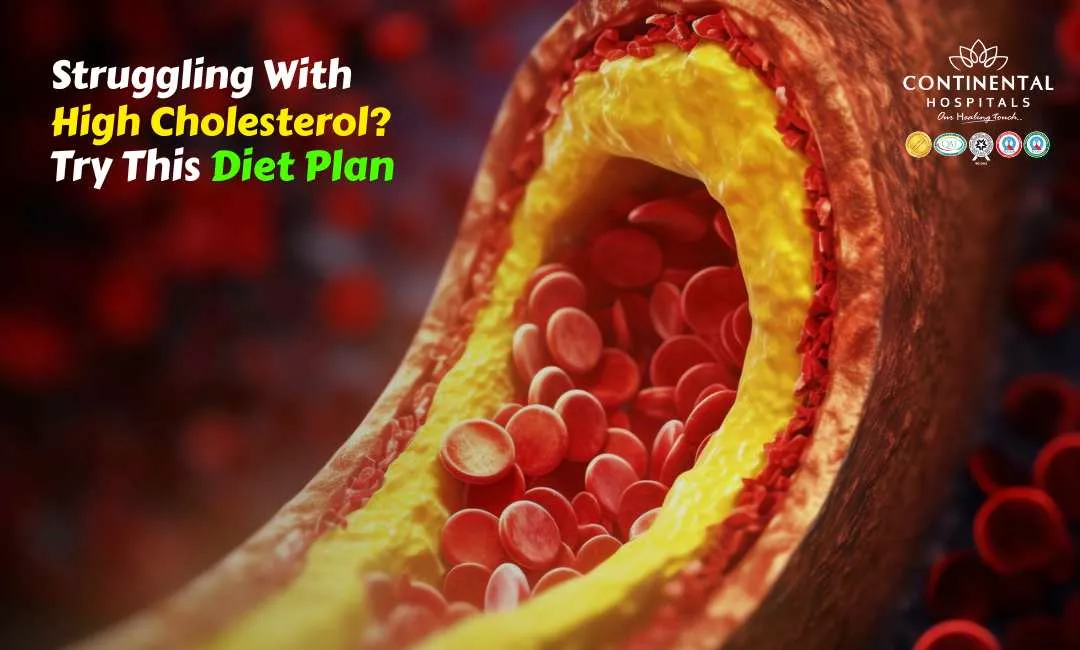
High cholesterol is a common health concern affecting millions worldwide. It can increase the risk of heart disease, stroke, and other cardiovascular problems if not managed properly. Fortunately, diet plays a crucial role in controlling cholesterol levels, improving heart health, and promoting overall wellness. Understanding what to eat, what to avoid, and creating a balanced high cholesterol diet plan can make a significant difference in your health outcomes.
What is High Cholesterol?
Cholesterol is a waxy substance found in the blood that is essential for building cells, hormones, and vitamin D. However, when cholesterol levels rise too high, it can form deposits in the arteries, narrowing them and leading to cardiovascular complications. There are two types of cholesterol to be aware of:
LDL (Low-Density Lipoprotein): Often called "bad cholesterol," high levels can lead to plaque buildup in arteries.
HDL (High-Density Lipoprotein): Known as "good cholesterol," it helps remove LDL from the bloodstream.
Maintaining a proper balance between LDL and HDL is crucial for heart health.
If you have high cholesterol or heart risks, Visit our Cardiology Speciality at Continental Hospitals for personalized care today.
Why Diet Matters for High Cholesterol
Diet is one of the most effective ways to manage cholesterol naturally. Certain foods can lower LDL levels and increase HDL, while others can contribute to higher cholesterol and cardiovascular risks. A well-structured high cholesterol diet plan focuses on incorporating heart-healthy foods, reducing harmful fats, and promoting overall wellness.

Foods to Include in Your High Cholesterol Diet
Oats and Whole Grains:
Oats are rich in soluble fiber, which helps reduce LDL cholesterol. Starting your day with oatmeal or adding whole grains like barley, quinoa, and brown rice can benefit heart health.

Fruits and Vegetables:
Fresh fruits and vegetables are high in fiber, antioxidants, and essential vitamins. Apples, pears, oranges, berries, leafy greens, and cruciferous vegetables like broccoli can help reduce cholesterol levels.
Legumes and Beans:
Lentils, chickpeas, kidney beans, and other legumes are excellent sources of soluble fiber and plant-based protein, which contribute to lower cholesterol.
Nuts and Seeds:
Almonds, walnuts, chia seeds, and flaxseeds contain healthy fats and omega-3 fatty acids that improve HDL cholesterol and reduce LDL cholesterol.
Fatty Fish:
Salmon, mackerel, sardines, and trout are rich in omega-3 fatty acids, which lower triglycerides and improve overall heart health.
Olive Oil and Healthy Fats:
Replacing butter or ghee with olive oil, avocado oil, or canola oil provides monounsaturated fats that support healthy cholesterol levels.
High-Fiber Foods:
Foods like psyllium husk, flaxseed, and bran cereal can help trap cholesterol in the digestive system and reduce its absorption.
Green Tea:
Green tea contains antioxidants called catechins, which may help lower LDL cholesterol and improve heart health.
Foods to Avoid with High Cholesterol
Trans Fats:
Found in packaged snacks, fried foods, and margarine, trans fats increase LDL cholesterol and lower HDL cholesterol.
Saturated Fats:
Limit red meat, full-fat dairy, and fatty cuts of meat, as excessive saturated fat can raise cholesterol levels.
Processed and Fast Foods:
Foods high in refined sugars, fried items, and processed meats can contribute to high cholesterol and heart disease.
High-Cholesterol Foods:
Egg yolks, liver, and certain shellfish should be consumed in moderation for people with high cholesterol.
Sample High Cholesterol Diet Plan
Breakfast: Oatmeal with chia seeds, almond milk, and fresh berries
Mid-Morning Snack: A handful of walnuts or almonds
Lunch: Grilled salmon, quinoa, and steamed broccoli
Afternoon Snack: Apple slices with peanut butter
Dinner: Lentil soup with brown rice and leafy green salad
Beverages: Green tea, water, and herbal teas
Tips for Managing High Cholesterol
- Maintain a balanced diet rich in fiber and healthy fats.
- Limit intake of saturated fats, trans fats, and processed foods.
- Include physical activity in your daily routine to improve heart health.
- Monitor cholesterol levels regularly through medical check-ups.
- Avoid smoking and excessive alcohol consumption.
Why Choose Continental Hospitals for Cholesterol Management?
Continental Hospitals, recognized as the best hospital in Hyderabad, offers comprehensive cardiovascular care and nutrition guidance. With experienced cardiologists, dietitians, and internal medicine specialists, the hospital provides personalized high cholesterol diet plans, advanced diagnostic testing, and compassionate support to help patients manage cholesterol safely and effectively. Accredited for quality healthcare and patient safety, Continental Hospitals ensures expert care that prioritizes long-term heart health.
Conclusion
Managing high cholesterol requires a combination of dietary changes, lifestyle modifications, and regular medical supervision. By following a structured high cholesterol diet plan, incorporating foods that lower cholesterol, and avoiding harmful fats, you can protect your heart and enhance overall well-being.
If you suffer from high cholesterol, cardiovascular risks, or want expert dietary guidance, consult our best Cardiologist at Continental Hospitals. Early intervention, personalized treatment, and expert support can help you achieve healthier cholesterol levels and maintain long-term heart health. Take the first step toward a healthier heart today.
Related Blog Topics