.webp)


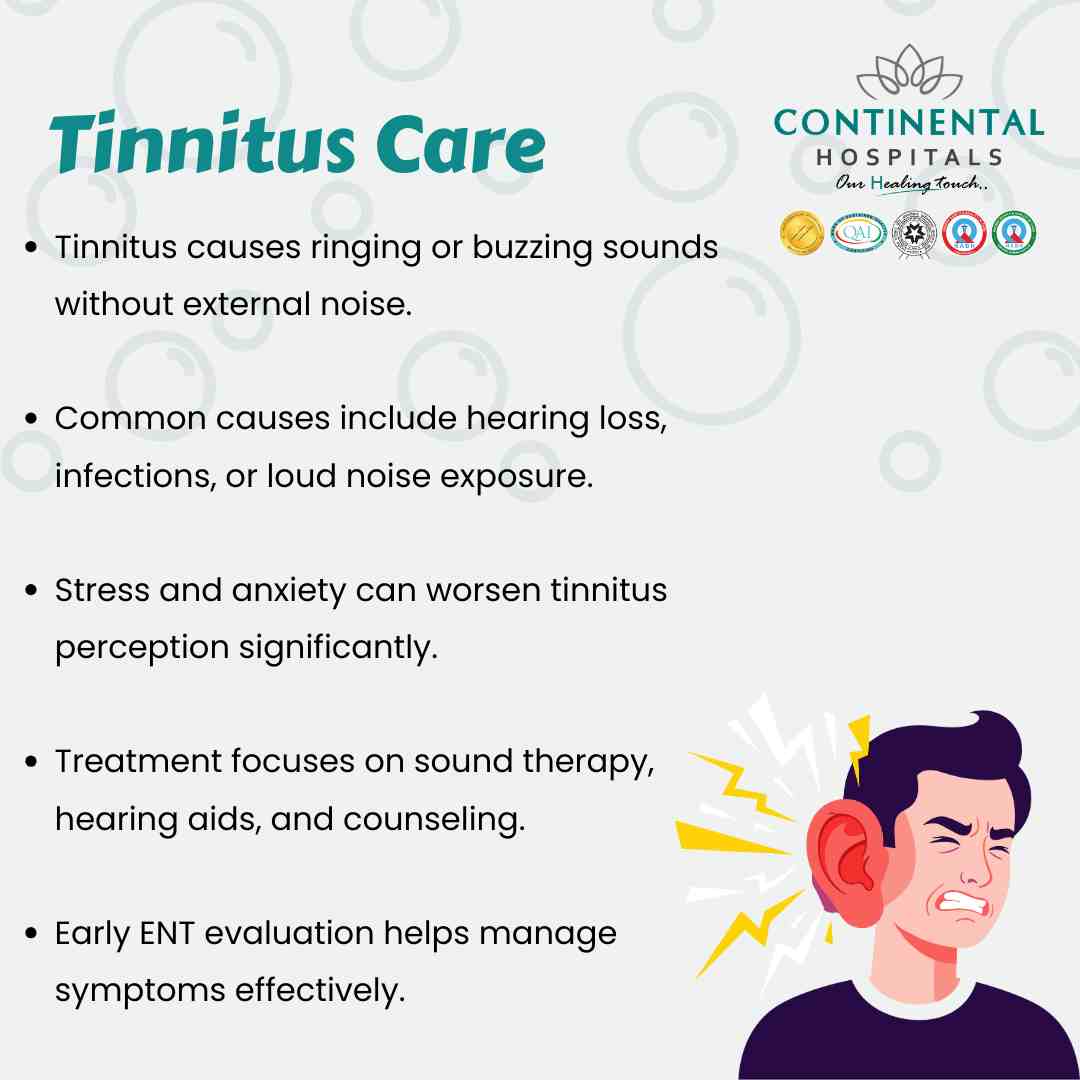
Tinnitus is a condition where a person hears sound without any external source. This sound may feel like ringing, buzzing, humming, hissing, clicking, or even whistling. For some people, it comes and goes. For others, it can be constant and disturbing. Tinnitus is not a disease by itself. It is usually a symptom of an underlying ear or health condition.
Many people ignore tinnitus in the beginning, thinking it will settle on its own. However, persistent tinnitus can affect sleep, concentration, emotional health, and overall quality of life. Understanding the causes and available treatment options helps in taking timely medical care.
What Is Tinnitus?
Tinnitus means the perception of sound when there is no actual sound present around you. It can affect one ear or both ears and may be soft or loud. Some people notice it more in quiet environments, especially at night.
Common questions people ask include:
- Why am I hearing ringing in my ears?
- Is tinnitus serious?
- Can tinnitus be cured?
- When should I see a doctor for tinnitus?
The answers depend on the cause, duration, and severity of symptoms.
Common Causes of Tinnitus
Tinnitus can occur due to several reasons. Identifying the cause is the first step in choosing the right treatment.
1. Hearing Loss
Age-related hearing loss and noise-induced hearing damage are the most common causes of tinnitus. When inner ear cells are damaged, abnormal signals are sent to the brain, leading to tinnitus.
2. Exposure to Loud Noise
Regular exposure to loud sounds from headphones, concerts, industrial work, or traffic can damage the inner ear. This is common among young adults and working professionals.
3. Earwax Blockage
Excess earwax can block the ear canal, causing pressure changes and irritation, which may result in tinnitus.

4. Ear Infections and Middle Ear Problems
Ear infections, fluid buildup, or conditions affecting the middle ear can trigger temporary or persistent tinnitus.
5. Medicines
Certain medicines such as some antibiotics, pain relievers, chemotherapy drugs, and high doses of aspirin may cause or worsen tinnitus.
6. Blood Pressure and Circulation Issues
High blood pressure, narrowed blood vessels, anemia, or other circulation problems can cause pulsatile tinnitus, where the sound matches the heartbeat.
7. Jaw Joint Disorders
Problems with the temporomandibular joint can cause ear pain and tinnitus due to the close connection between jaw and ear structures.
8. Stress and Anxiety
Stress does not directly cause tinnitus, but it can increase awareness and intensity of symptoms. Tinnitus and stress often form a cycle, making each other worse.
Types of Tinnitus
Understanding the type of tinnitus helps doctors plan treatment.
Subjective tinnitus
The most common type. Only the patient can hear the sound.
Objective tinnitus
Rare. The sound can sometimes be heard by the doctor during examination.
Pulsatile tinnitus
Sounds rhythmic and often linked to blood flow issues.
Symptoms That Should Not Be Ignored
Seek medical attention if tinnitus is:
- Persistent or worsening
- Present in only one ear
- Associated with hearing loss or dizziness
- Affecting sleep and mental well-being
- Pulsating in nature
- Following head or ear injury
Early diagnosis improves outcomes and prevents complications.
How Tinnitus Is Diagnosed?
Doctors use a structured approach to identify the cause.
Diagnosis may include:
- Detailed medical history
- Ear examination
- Hearing tests by an audiologist
- Blood pressure check
- Imaging tests if required
- Review of medicines
At Continental Hospitals, advanced diagnostic tools and experienced specialists ensure accurate evaluation.
Tinnitus Treatment Options
There is no single treatment that works for everyone. Management depends on the cause and severity.
1. Treating the Underlying Cause
Removing earwax, treating infections, adjusting medicines, or controlling blood pressure can significantly reduce tinnitus.
2. Hearing Aids
For people with hearing loss, hearing aids help improve sound perception and reduce the prominence of tinnitus.
3. Sound Therapy
Background sounds like white noise or nature sounds help mask tinnitus, especially during sleep and quiet moments.
4. Tinnitus Retraining Therapy
This therapy helps the brain get used to tinnitus, reducing emotional distress and awareness over time.
5. Cognitive Behavioral Therapy
This approach helps manage anxiety, sleep problems, and emotional impact related to tinnitus.
6. Stress Management
Relaxation techniques such as breathing exercises, meditation, and lifestyle changes can help control symptoms.
7. Lifestyle Modifications
Simple changes can make a difference:
- Avoid loud noise exposure
- Reduce caffeine and nicotine
- Maintain healthy sleep habits
- Manage stress effectively
- Use ear protection when needed
Can Tinnitus Be Prevented?
Not all cases can be prevented, but risk can be reduced.
Prevention tips:
- Use headphones at safe volume levels
- Wear ear protection in noisy environments
- Avoid unnecessary medication use without medical advice
- Get regular hearing checks
- Manage chronic health conditions
Living With Tinnitus
Many people live normal lives with tinnitus once they understand and manage it properly. Education, reassurance, and consistent follow-up care play a key role. The goal is not only to reduce sound perception but also to improve comfort, sleep, and emotional health.
Why Choose Continental Hospitals?
Continental Hospitals is recognized as one of the best hospitals in Hyderabad, offering comprehensive care for ear, nose, and throat conditions.
Key reasons to choose Continental Hospitals include:
- Experienced ENT specialists and audiologists
- Advanced diagnostic and hearing assessment facilities
- Multidisciplinary approach for complex tinnitus cases
- Evidence-based treatment protocols
- International quality standards
- NABH and JCI-accredited hospital ensuring patient safety and clinical excellence
- Personalized care focused on long-term relief and quality of life
Our team focuses on identifying the root cause rather than offering temporary solutions.
Conclusion
Tinnitus can be frustrating, but it is manageable with the right medical approach. Understanding the causes, recognizing warning signs, and choosing expert care are essential steps toward relief. With accurate diagnosis and personalized treatment, many patients experience significant improvement in symptoms and quality of life.
If you or your loved one is experiencing tinnitus, consult our best ENT specialist at Continental Hospitals, Hyderabad. Our experts provide comprehensive evaluation and advanced treatment options to help you hear and live better. Book an appointment today for trusted care at one of the best hospitals in Hyderabad.