.webp)

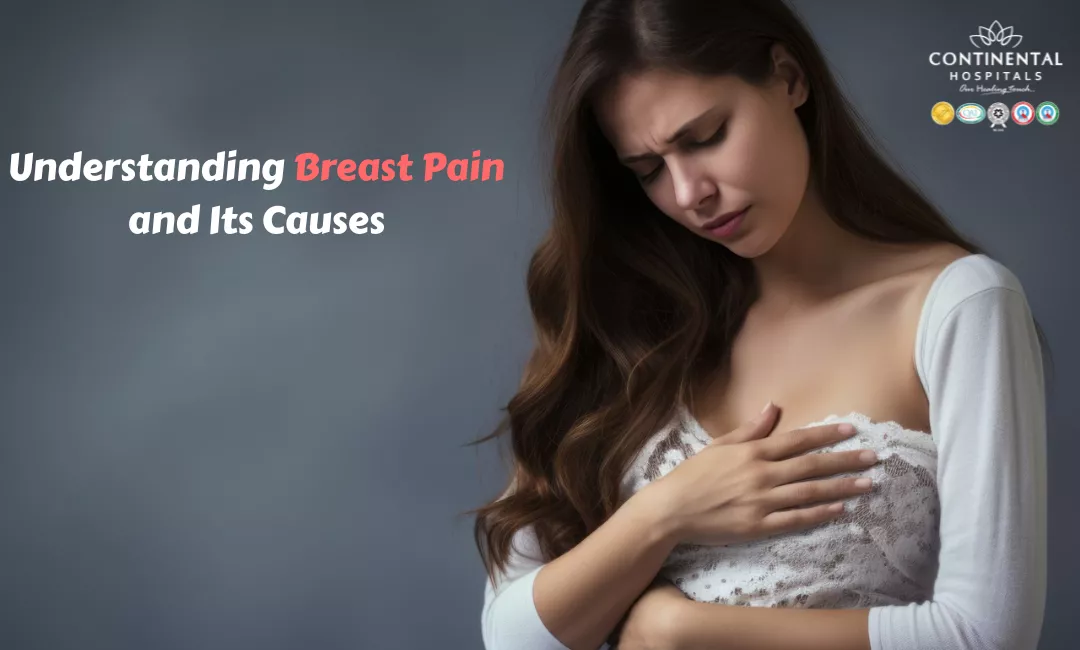
Breast pain is a common concern for many women at different stages of life. While most cases are not linked to serious conditions, understanding why breast discomfort occurs can help you manage symptoms effectively and know when to seek medical care. Breast pain can be cyclical, non-cyclical, or sudden in onset, and recognizing the underlying causes ensures timely intervention and peace of mind.
If you suffer from persistent, sharp, or unusual breast pain, visit our Gynecology Speciality at Continental Hospitals, Hyderabad.
Common Breast Pain Causes
Hormonal Fluctuations
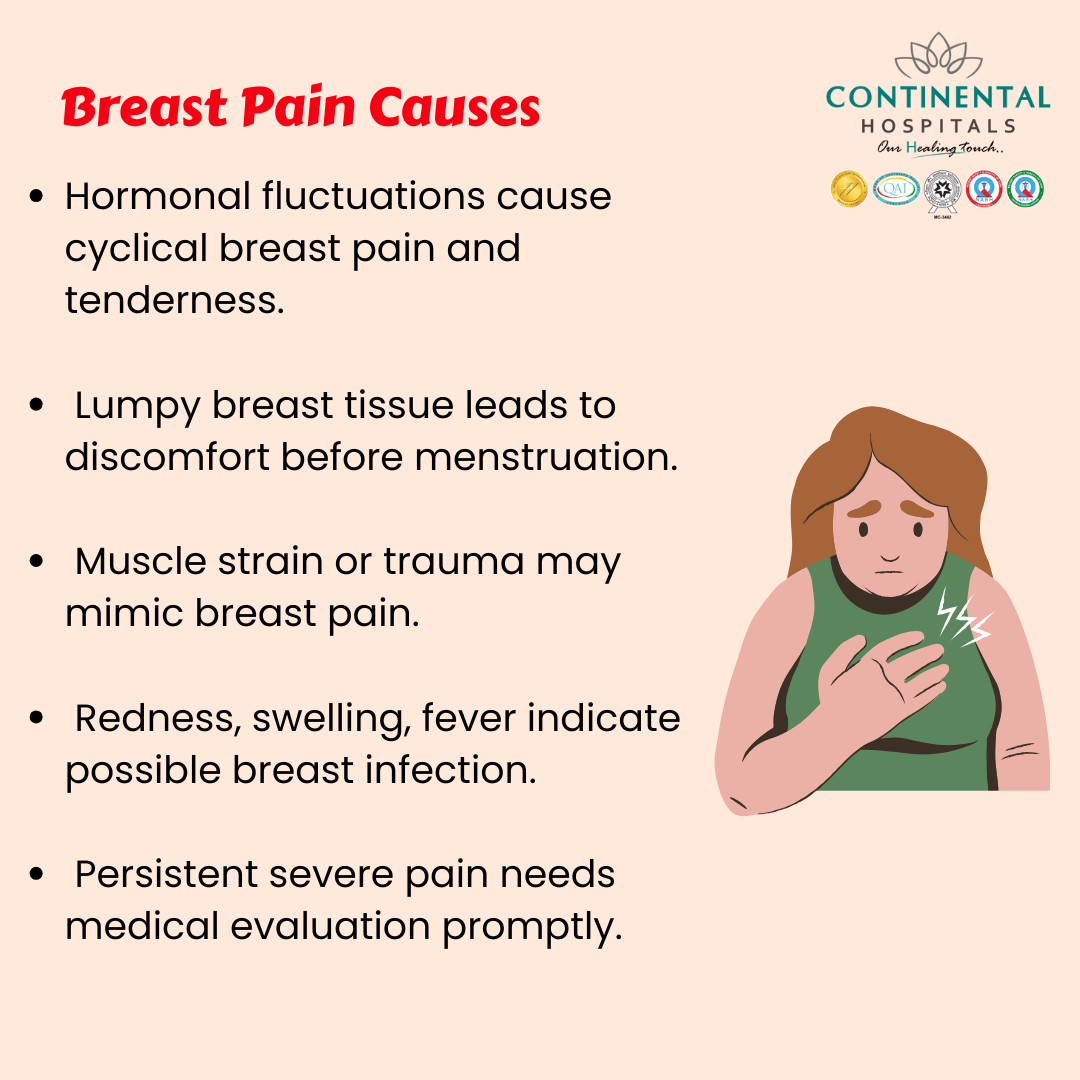
One of the most frequent reasons women ask, why do my breasts hurt? is hormonal changes. Estrogen and progesterone levels fluctuate during the menstrual cycle, leading to breast tenderness and swelling. Breast pain before period is particularly common and usually resolves after menstruation ends.
Fibrocystic Breast Changes
Fibrocystic breast pain refers to lumpy or rope-like breast tissue that can become tender or sore. These changes often intensify before menstruation and are considered benign. Women experiencing fibrocystic breast pain may notice one sided breast pain, sharp pain in breast, or generalized tenderness.
Non-Cyclical Breast Pain
Non-cyclical breast pain does not follow a menstrual pattern and may affect one area or one breast. Causes include muscle strain, trauma, or inflammation. Non-cyclical pain is usually less predictable and may require medical assessment to rule out underlying issues.

Breast Infection or Mastitis
Breast infection symptoms include localized redness, swelling, warmth, and sometimes fever. This is more common in breastfeeding women but can occur in others. Pain from infection is typically sharp and may be accompanied by tenderness or discharge.
Pregnancy-Related Breast Pain
During pregnancy, hormonal changes and increased blood flow to the breasts cause breast tenderness, swelling, and heightened sensitivity. Breast pain during pregnancy is common, usually diffuse, and often accompanied by changes in nipple sensitivity or enlargement.
Sudden or Sharp Pain
Sudden breast pain causes concern for many women. It can result from trauma, cyst rupture, or irritation from ill-fitting bras. While usually not serious, sharp pain in breast that persists should be evaluated.
Medication or Hormone Therapy
Certain medications, including hormonal therapy or oral contraceptives, can cause breast tenderness as a side effect. Hormonal breast pain symptoms may develop shortly after starting a new medication and often resolve after the body adjusts.
Breast Cancer Considerations
While most breast pain is not cancer-related, understanding breast pain and cancer signs is essential. Pain alone rarely indicates cancer, but persistent, localized pain with lumps, nipple changes, or discharge should prompt evaluation.
Recognizing When to Worry About Breast Pain
It’s important to know when to seek medical care. When to worry about breast pain? Consider consulting a doctor if you notice:
• Persistent pain lasting beyond your normal menstrual cycle
• One sided breast pain that is localized and unusual
• Lumps, thickened tissue, or changes in breast shape
• Nipple discharge, especially if bloody or unusual
• Skin changes such as dimpling or redness
• Pain accompanied by fever or swelling indicating possible infection
Early evaluation helps rule out serious conditions and provides reassurance.
Diagnosis and Evaluation
A doctor will assess breast pain through physical examination, medical history, and sometimes imaging. Common diagnostic approaches include:
• Clinical breast examination to check for lumps or irregularities
• Ultrasound or mammogram for detailed imaging
• Blood tests or hormone assessments in specific cases
• Biopsy if any suspicious findings are identified
Proper evaluation distinguishes between benign causes and conditions that need treatment.
Management and Relief
Most breast pain cases can be managed with lifestyle adjustments, over-the-counter pain relief, and targeted therapies. Tips include:
• Wearing supportive bras to reduce strain
• Applying warm or cold compresses for localized pain relief
• Taking pain relievers such as acetaminophen or ibuprofen when needed
• Maintaining a balanced diet and healthy weight
• Reducing caffeine intake if it aggravates symptoms
For more severe or persistent pain, your doctor may recommend hormonal therapy adjustments or further medical intervention.
Why Choose Continental Hospitals?
Continental Hospitals, Hyderabad, is recognized as the best hospital in Hyderabad for comprehensive women’s health and breast care. The hospital is accredited by national and international healthcare bodies, reflecting its commitment to patient safety, quality care, and clinical excellence.
Advantages of Choosing Continental Hospitals:
• Expert gynecologists and breast care specialists
• Advanced diagnostic imaging and laboratory facilities
• Multidisciplinary approach for accurate evaluation and treatment
• Personalized care plans tailored to each patient
• Comfortable and patient-focused hospital environment
These factors ensure timely diagnosis, effective treatment, and support throughout the care journey.
When to See a Doctor?
If you experience any of the following, schedule an appointment with a gynecologist or breast specialist:
• Persistent or severe breast pain
• Sudden sharp pain or localized tenderness
• Lumps or unusual changes in breast shape
• Nipple discharge or skin changes
• Pain accompanied by fever or redness
Early consultation can prevent complications and provide reassurance.
Conclusion
Breast pain is a common symptom that can result from hormonal changes, fibrocystic breast changes, pregnancy, infections, medications, or other benign conditions. Most cases are not serious, but understanding why do my breasts hurt, recognizing non-cyclical breast pain, and knowing when to worry about breast pain ensures early intervention.
If you suffer from persistent, sharp, or unusual breast pain, consult our best Gynecologist at Continental Hospitals, Hyderabad. Expert evaluation, advanced diagnostics, and personalized care help manage symptoms effectively, safeguard your health, and provide peace of mind.
Related Blog Topics