.webp)

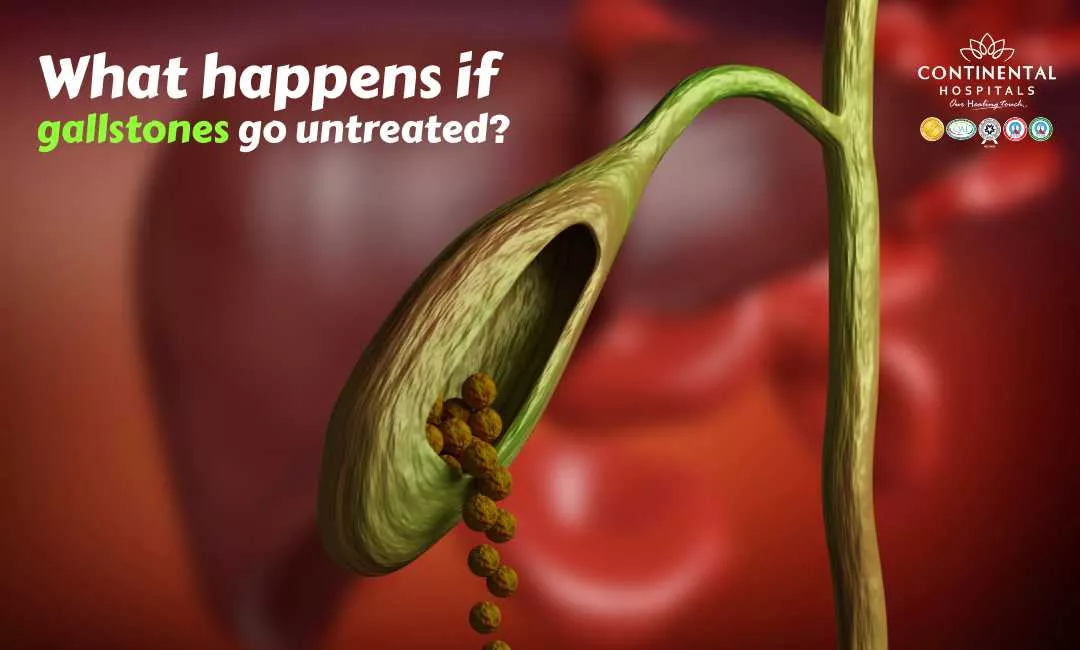
Gallstones are hardened deposits of digestive fluid that form in the gallbladder, a small organ located under the liver. They can vary in size and number, ranging from tiny grains to large stones. While some people with gallstones remain asymptomatic, untreated gallstones can lead to serious complications over time. Understanding gallstones, their symptoms, risks, and treatment options is essential for timely medical care and long-term health.
What Are Gallstones?
Gallstones are formed when bile, a digestive fluid made by the liver and stored in the gallbladder, hardens due to an imbalance in its components. Bile contains bile salts, cholesterol, and waste products like bilirubin. If any component becomes excessive or imbalanced, gallstones can develop.
Persistent gallstone pain, nausea, or jaundice? Visit our Gastroenterology Specialty at Continental Hospitals, Hyderabad, for expert care and treatment.
Types of Gallstones
- Cholesterol Gallstones: The most common, usually yellow-green, caused by excess cholesterol in bile.
- Pigment Gallstones: Darker stones formed due to excess bilirubin, often linked to liver disease or blood disorders.
- Mixed Gallstones: Combination of cholesterol and pigment components.
Causes of Gallstones
Gallstones form due to several risk factors:
- Excess cholesterol or bilirubin in bile
- Obesity or rapid weight loss
- Pregnancy or hormonal changes
- Diabetes or liver disease
- Family history of gallstones
- Diets high in fat and low in fiber
Women, particularly those over 40, are more prone to gallstones due to hormonal influences.
Common Symptoms of Gallstones
Many people with gallstones may not experience symptoms. When symptoms appear, they can include:
- Sudden and intense gall stone pain in the upper right abdomen
- Pain radiating to the back or right shoulder
- Nausea or vomiting
- Indigestion, bloating, or gas after fatty meals
- Gallstones symptoms female may include hormonal-related discomfort
Severe cases may cause bile duct stones, jaundice, or gall bladder infection.
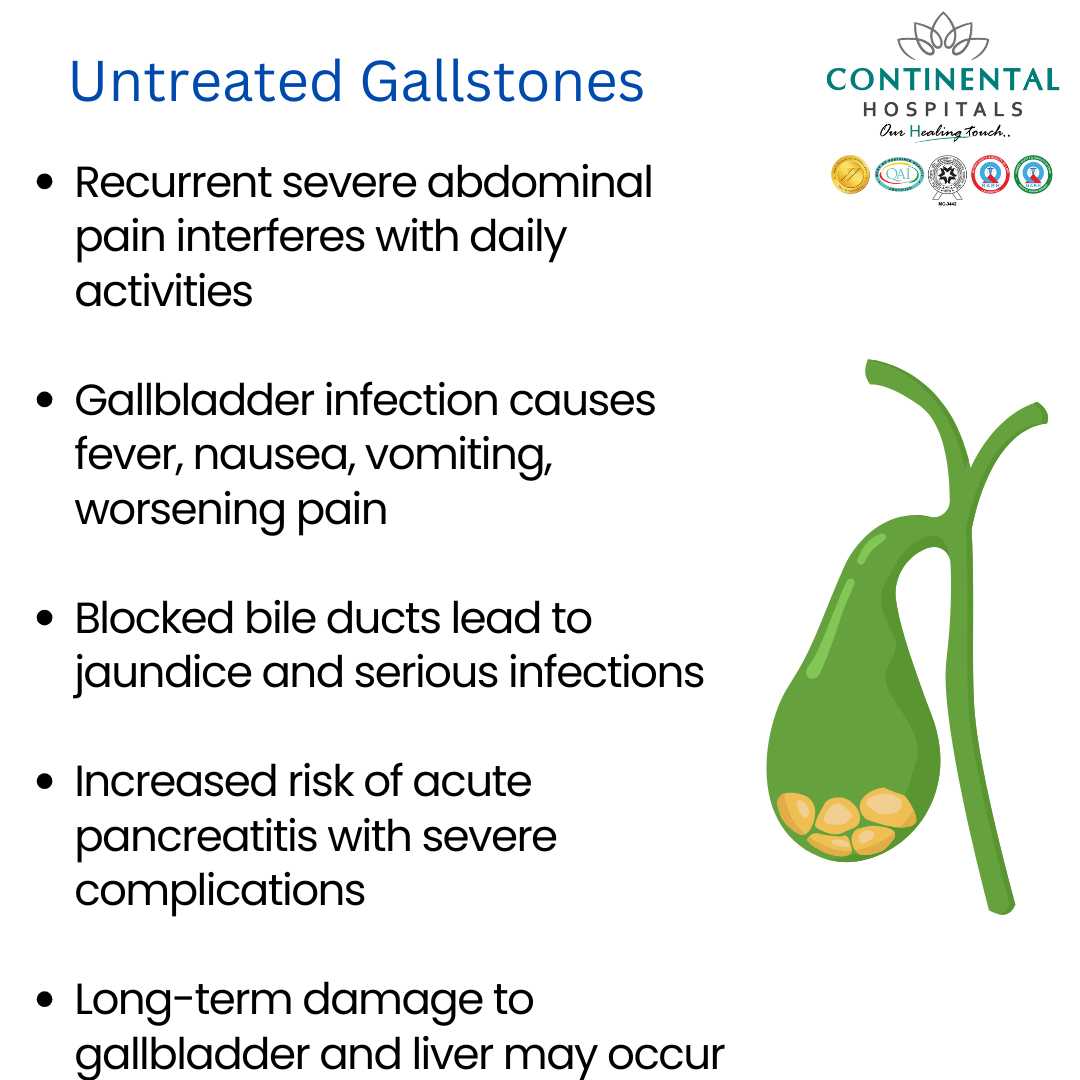
Risks of Leaving Gallstones Untreated
Untreated gallstones can lead to several complications:

1. Gallbladder Inflammation (Cholecystitis)
Stones blocking the gallbladder opening can cause swelling, infection, and severe pain.
2. Bile Duct Obstruction
Gallstones may enter the common bile duct, leading to jaundice, dark urine, or pale stools.
3. Pancreatitis
If gallstones block the pancreatic duct, they can trigger pancreatitis, causing severe abdominal pain and nausea.
4. Gallbladder Cancer
Long-term untreated gallstones slightly increase the risk of gallbladder cancer, though it is rare.
5. Recurrent Pain and Digestive Issues
Chronic gallstones can cause persistent discomfort, bloating, and digestive disturbances, affecting quality of life.
How Are Gallstones Diagnosed?
Diagnosis involves a combination of physical evaluation, imaging, and lab tests:
- Ultrasound: The most common, non-invasive method to detect gallstones.
- CT Scan or MRI: Detailed imaging for complex cases or suspected bile duct stones.
- Blood Tests: Detect infection, liver function issues, or inflammation.
- Endoscopic Procedures: ERCP may be used to detect and remove stones in the bile duct.
Gallstones Treatment Options
Treatment depends on the severity of symptoms and complications:
1. Non-Surgical Approaches
- Observation: Asymptomatic stones may only require monitoring.
- Medications: Oral bile acids can dissolve certain cholesterol stones over months, though results vary.
- Lifestyle Changes: Low-fat diet, maintaining a healthy weight, and regular exercise can reduce risks.
2. Surgical Treatments
- Cholecystectomy (gallstone surgery): Most effective, usually laparoscopic, removes the gallbladder entirely.
- Gallstone Removal Without Surgery: ERCP can remove stones in the bile duct without full surgery.
3. Home Care and Self-Care
- Eat smaller, low-fat meals
- Stay hydrated
- Avoid skipping meals
- Monitor symptoms and report worsening pain
Preventing Gallstones
Preventive strategies include:
- Eating a balanced diet rich in fiber and low in saturated fats
- Regular physical activity
- Maintaining a healthy weight
- Avoiding rapid weight loss or crash diets
- Managing underlying conditions like diabetes or liver disease
While prevention does not guarantee avoidance, it reduces the risk of gallstone formation.
Why Choose Continental Hospitals for Gallstone Care?
Continental Hospitals is recognized as the best hospital in Hyderabad for gallbladder and digestive health care. The hospital offers:
- Accredited facilities with advanced imaging and surgical technologies
- Experienced gallbladder specialists and gastroenterologists
- Personalized treatment plans for gallstones, bile duct stones, and gallbladder complications
- Comprehensive gallstone treatment, including surgery, minimally invasive procedures, and diet guidance
- Compassionate care and follow-up support for complete recovery
Patients receive accurate diagnoses, effective management, and professional guidance to prevent future complications.
Conclusion
Gallstones can remain silent for years or cause sudden, severe symptoms. Leaving them untreated can lead to inflammation, bile duct obstruction, pancreatitis, and rarely, cancer. Recognizing gallstone symptoms, understanding risk factors, and seeking timely treatment are crucial to prevent complications.
If you experience persistent gallstone pain, nausea, jaundice, or digestive issues, consult our best gastroenterologist at Continental Hospitals. As the best hospital in Hyderabad, Continental Hospitals provides expert diagnosis, advanced treatment options, and compassionate care to help you manage gallstones safely and improve your overall digestive health. Take the first step toward a healthier life today and protect your well-being with professional care.
Related Blog Topics