.webp)

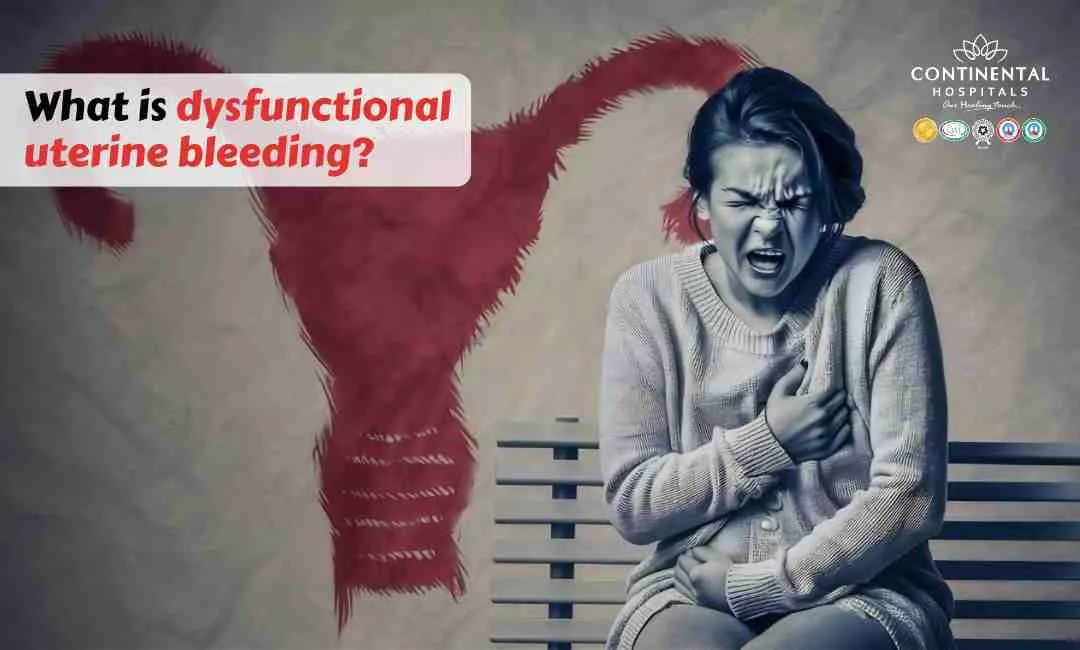
Dysfunctional uterine bleeding is a common gynecological condition that affects women of different age groups, especially during adolescence and the years approaching menopause. It refers to abnormal uterine bleeding that occurs without an identifiable structural cause such as fibroids, polyps, pregnancy, or cancer.
In simple terms, dysfunctional uterine bleeding happens when the normal hormonal balance that controls the menstrual cycle is disturbed. This condition is often linked to anovulatory bleeding, where ovulation does not occur regularly.
Understanding dysfunctional uterine bleeding early helps women seek timely medical care, avoid complications like anemia, and restore menstrual health safely.
Dysfunctional Uterine Bleeding Definition
The dysfunctional uterine bleeding definition describes abnormal, irregular, heavy, or prolonged menstrual bleeding caused by hormonal imbalance rather than physical abnormalities of the uterus.
In DUB gynecology, this condition is diagnosed after ruling out pregnancy-related issues, infections, fibroids, bleeding disorders, and malignancy.
Visit our Gynecology speciality at Continental Hospitals for women’s health.
How the Normal Menstrual Cycle Works?
To understand dysfunctional uterine bleeding, it helps to know how a normal cycle functions.
- The ovaries release hormones like estrogen and progesterone
- Ovulation occurs mid-cycle
- The uterine lining builds up and sheds regularly
When ovulation does not occur, estrogen continues to stimulate the uterine lining without progesterone balance. This leads to irregular shedding, resulting in dysfunctional bleeding.
Reasons for Dysfunctional Uterine Bleeding
There are multiple reasons for dysfunctional uterine bleeding, and they vary based on age and hormonal health.

Common causes include
- Anovulatory bleeding due to hormonal imbalance
- Puberty related hormone fluctuations
- Perimenopausal hormonal changes
- Thyroid disorders
- Polycystic ovary syndrome
- Obesity and sudden weight changes
- Stress and lifestyle disturbances
In DUB in gynecology, hormonal causes are the most frequent reason, especially in women who experience irregular cycles.

Dysfunctional Uterine Bleeding Symptoms
Recognizing dysfunctional uterine bleeding symptoms early can prevent complications.
Common symptoms include
- Heavy menstrual bleeding
- Bleeding between periods
- Periods lasting longer than normal
- Irregular cycle timing
- Sudden spotting or unpredictable flow
- Fatigue due to blood loss
If you experience any of these symptoms repeatedly, should you ignore them? No. Persistent dysfunctional uterine bleeding requires medical evaluation.
Types of Dysfunctional Uterine Bleeding
Understanding the types of dysfunctional uterine bleeding helps doctors plan effective care.
The main types include:
Anovulatory dysfunctional uterine bleeding
This is the most common type and occurs when ovulation does not take place regularly.
Ovulatory dysfunctional bleeding
Bleeding occurs despite regular ovulation due to hormonal sensitivity or luteal phase defects.
Acute dysfunctional uterine bleeding
Sudden heavy bleeding that may require urgent medical care.
Chronic dysfunctional uterine bleeding
Long-term irregular bleeding patterns that persist over months.
Doctors classify these types of dysfunctional uterine bleeding after detailed evaluation.
How Is Dysfunctional Uterine Bleeding Diagnosed?
In DUB gynecology, diagnosis focuses on identifying the cause and ruling out serious conditions.
Evaluation may include
- Detailed menstrual history
- Physical and pelvic examination
- Blood tests for hormone levels
- Ultrasound imaging
- Endometrial assessment if required
Accurate diagnosis ensures that DUB treatment is safe and targeted.
Dysfunctional Uterine Bleeding Treatment Options
Effective DUB treatment depends on age, severity of bleeding, and future fertility plans.
Treatment approaches include:
- Hormonal regulation using medications
- Non-hormonal medications to reduce bleeding
- Lifestyle modifications for weight and stress control
- Management of underlying thyroid or metabolic disorders
- Minimally invasive procedures in selected cases
The goal of dysfunctional uterine bleeding treatment is to control bleeding, restore cycle regularity, and protect long-term uterine health.
Can Dysfunctional Uterine Bleeding Affect Fertility?
Yes. Since anovulatory bleeding is a major cause of dysfunctional uterine bleeding, fertility can be affected if ovulation does not occur regularly.
With proper diagnosis and treatment, many women regain normal cycles and healthy ovulation. Early medical care improves reproductive outcomes.
When Should You See a Doctor?
You should consult a gynecologist if you experience
- Heavy bleeding affecting daily life
- Bleeding between periods
- Irregular cycles for several months
- Symptoms of anemia like weakness or dizziness
Should abnormal bleeding be ignored? Never. Early consultation prevents complications and ensures timely care.
Why Choose Continental Hospitals?
Continental Hospitals is recognized as one of the best hospital in Hyderabad for comprehensive women’s healthcare.
Here is why patients trust Continental Hospitals
- Experienced gynecologists specializing in DUB gynecology
- Advanced diagnostic facilities for accurate evaluation
- Personalized dysfunctional uterine bleeding treatment plans
- Multidisciplinary care including endocrinology and nutrition support
- International quality and safety accreditations
- Patient-centered care with ethical medical practices
At Continental Hospitals, every woman receives evidence-based care focused on safety, dignity, and long-term wellbeing.
Conclusion
Dysfunctional uterine bleeding is a manageable condition when identified early. Understanding the causes, symptoms, and types of dysfunctional uterine bleeding empowers women to take control of their reproductive health. With expert care, hormonal balance can be restored, symptoms relieved, and quality of life improved.
If you are experiencing symptoms of dysfunctional uterine bleeding or anovulatory bleeding, consult our best Gynecologists at Continental Hospitals. Our specialists offer personalized evaluation, accurate diagnosis, and safe treatment plans to restore menstrual health and overall wellbeing. Book your appointment today and take the first step toward confident, healthy living.