.webp)

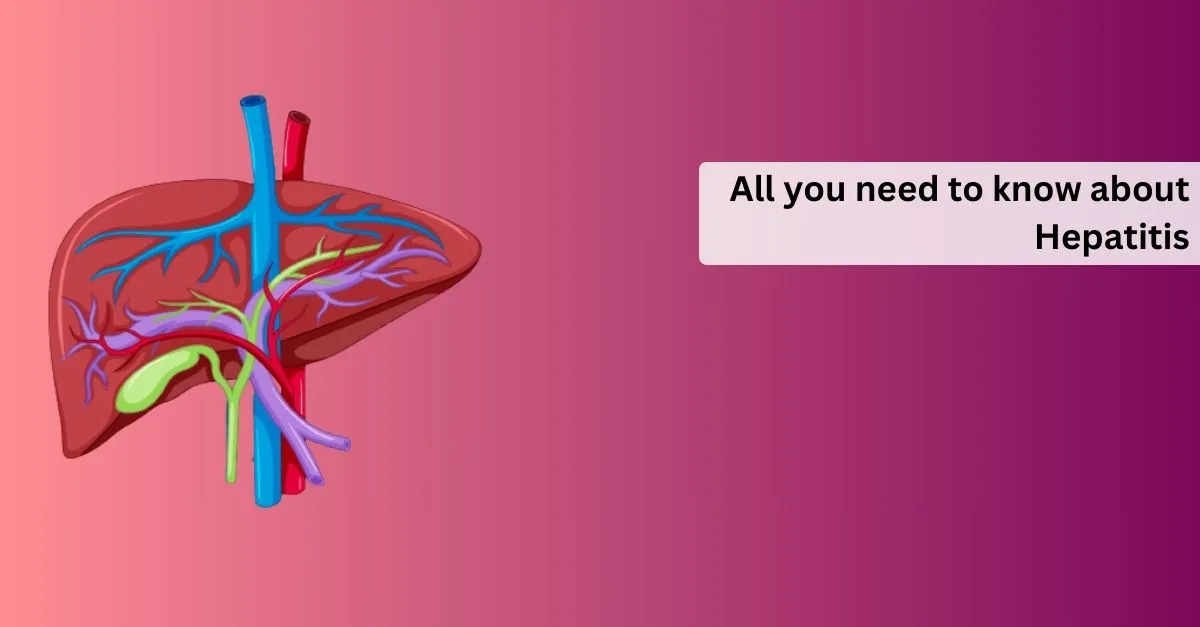
Hepatitis is a widespread and potentially serious health condition that affects millions of people worldwide. It is characterized by inflammation of the liver, which can range from mild to severe, and can lead to long-term liver damage, liver cancer, or even fatality if left untreated. In this comprehensive guide, we will explore the causes, types, key facts, transmission methods, vaccination recommendations, and available treatments for hepatitis. Hepatitis is an inflammatory condition of the liver that can be caused by various factors, including viral infections, alcohol abuse, and certain medications. It is a significant global health concern, with different types of hepatitis viruses causing varying degrees of illness and affecting people of all ages. Understanding the causes, types, transmission methods, and prevention strategies is crucial for managing this condition effectively.
What Are the Different Types of Hepatitis?
Hepatitis can be categorized into different types based on its causes and characteristics:
Acute Hepatitis
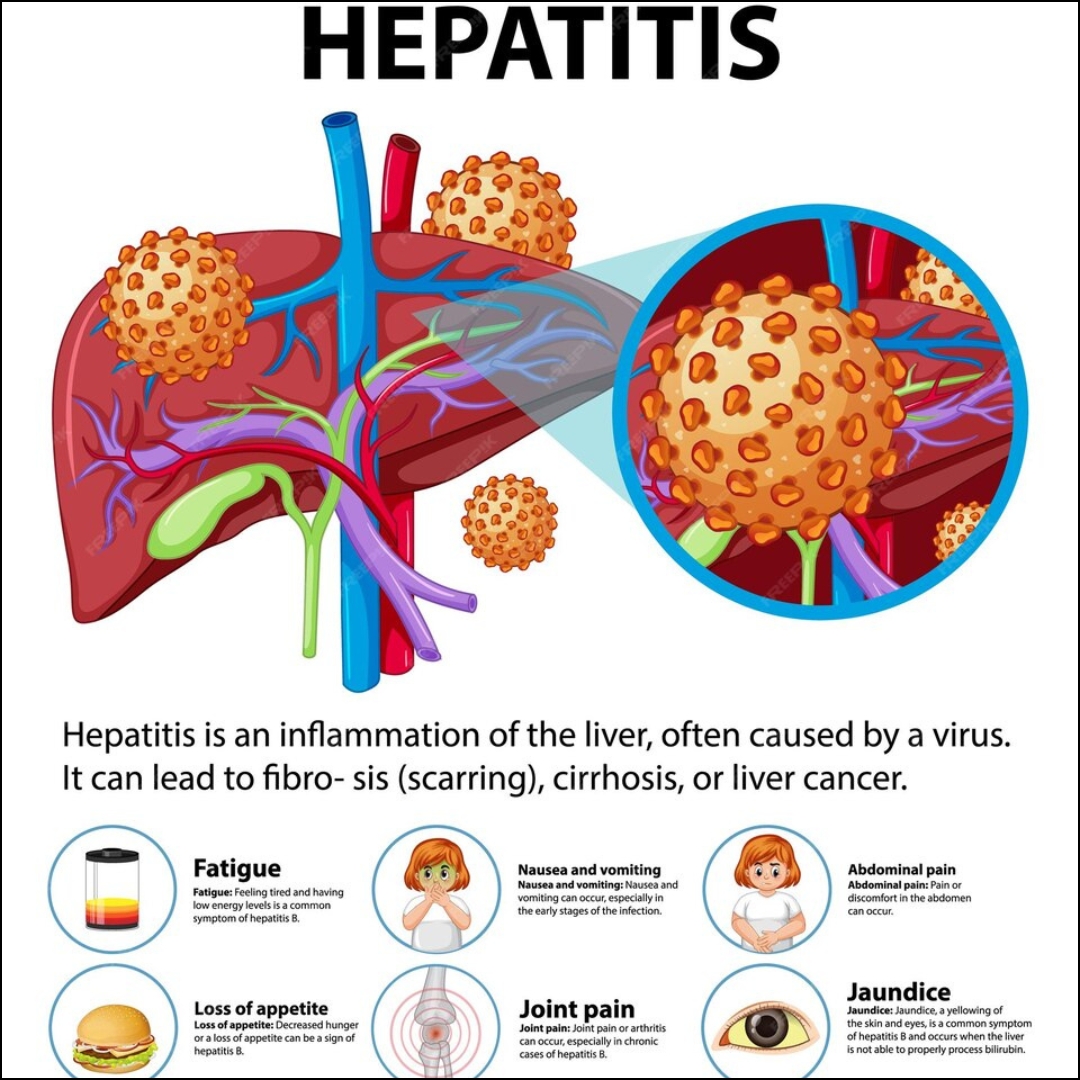
Acute hepatitis is a short-term infection, and the body can often clear the virus on its own. Most cases of acute hepatitis are caused by HAV, HBV, or HCV. Symptoms can include fatigue, jaundice (yellowing of the skin and eyes), abdominal pain, and nausea.
Chronic Hepatitis
Chronic hepatitis is a long-term infection that can lead to ongoing liver inflammation and damage. Chronic hepatitis is primarily associated with HBV and HCV infections. Over time, it can progress to liver cirrhosis, liver failure, or liver cancer.
Hepatitis A
Hepatitis A is usually acute and does not result in chronic infection. It is primarily transmitted through contaminated food and water and can cause flu-like symptoms.
Hepatitis B
Hepatitis B can lead to both acute and chronic infections. It is transmitted through contact with infected blood, semen, or other body fluids. Vaccination is available to prevent HBV infection.
Hepatitis C
Hepatitis C often becomes chronic and can cause severe liver damage. It is primarily transmitted through blood-to-blood contact. There is no vaccine for HCV, but antiviral medications can cure many cases.
Hepatitis D
Hepatitis D is a complication of HBV infection and can only occur in individuals already infected with HBV. It can lead to more severe liver disease.
Hepatitis E
Hepatitis E is usually acute and transmitted through contaminated water and food. It is more common in developing countries and typically resolves on its own.

If you suspect you have hepatitis or believe you may have been exposed to the virus, don't ignore the symptoms. Visit our gastroenterology specialists in Hyderabad for expert evaluation, accurate diagnosis, and personalized treatment to protect your liver health.
What Are the Key Facts About Hepatitis?
Here are some key facts to help you better understand hepatitis:
Silent Progression: Hepatitis can progress silently, with no noticeable symptoms until the liver is significantly damaged. Regular check-ups and screenings are essential, especially for individuals at risk.
Preventable: Many cases of hepatitis can be prevented through vaccination, safe sex practices, avoiding sharing needles, and practicing good hygiene, such as washing hands thoroughly.
Global Burden: Hepatitis is a global health issue, with over 325 million people living with chronic hepatitis infections. It is responsible for approximately 1.34 million deaths each year.
Liver Cirrhosis: Chronic hepatitis can lead to liver cirrhosis, a condition where healthy liver tissue is replaced by scar tissue. This can result in liver failure and the need for a liver transplant.
Liver Cancer Risk: Individuals with chronic hepatitis, especially HBV and HCV infections, are at an increased risk of developing liver cancer. Regular monitoring is crucial for early detection.
Asymptomatic: Many individuals with hepatitis may not show any symptoms, making it important to screen for the virus, especially in high-risk populations.
How is Hepatitis Spread?
Understanding how hepatitis is transmitted is essential for prevention. Here are the primary ways hepatitis viruses can be spread:
Hepatitis A
- Consumption of contaminated food or water.
- Close contact with an infected person, especially in households or childcare settings.
Hepatitis B
- Unprotected sexual contact with an infected person.
- Sharing needles or other drug paraphernalia.
- Mother-to-child transmission during childbirth.
- Contact with infected blood or body fluids through wounds or cuts.
Hepatitis C
- Sharing needles or other drug paraphernalia.
- Receiving a blood transfusion with contaminated blood (rare due to blood screening).
- Accidental needlestick injuries in healthcare settings.
Hepatitis D
- Can only occur in individuals already infected with HBV.
- Spread through the same routes as HBV.
Hepatitis E
- Consumption of contaminated food or water.
- Similar to the transmission routes of HAV.
Non-Viral Causes
- Excessive alcohol consumption.
- Certain medications and toxins.
- Autoimmune diseases attacking the liver.
Who Should Be Vaccinated Against Hepatitis?
Vaccination is a highly effective method for preventing hepatitis infections. Here are the recommended groups of people who should receive hepatitis vaccinations:
Hepatitis A Vaccination
Travelers: Those traveling to areas with a high prevalence of HAV.
People with chronic liver disease: To prevent further liver damage.
Illicit drug users: Particularly those who share equipment.
Hepatitis B Vaccination
Newborns: All infants should receive the hepatitis B vaccine shortly after birth.
Healthcare workers: Due to potential exposure to infected blood.Sexual partners of infected individuals: To prevent transmission.
Injectable drug users: To prevent transmission through needle sharing.
People with chronic liver disease: To prevent further liver damage.
Travelers: Depending on destination and risk factors.
What Is the Best Treatment for Hepatitis?
The treatment for hepatitis depends on the type and severity of the infection. Here are the primary approaches to managing hepatitis:
A. Acute Hepatitis
Supportive Care: Rest, adequate hydration, and nutrition.
Antiviral Medications: In some cases, antiviral medications may be prescribed, such as for hepatitis B and C.
B. Chronic Hepatitis
Antiviral Medications: Hepatitis B and C can be managed with antiviral drugs. These medications can slow down or even stop the progression of the disease.
Liver Transplant: In severe cases of liver cirrhosis or liver failure, a liver transplant may be necessary.
C. Alcoholic Hepatitis
Abstinence: The most critical aspect of treatment is complete alcohol abstinence.
Nutritional Support: Nutritional deficiencies are common and may require supplementation.
Medications: In some cases, corticosteroids or pentoxifylline may be prescribed to reduce liver inflammation.
D. Autoimmune Hepatitis
Immunosuppressive Medications: Drugs that suppress the immune system's response are used to reduce inflammation and manage the condition.
It's important to note that early detection and intervention are crucial for better treatment outcomes. Regular medical check-ups and screenings are essential for individuals at risk of hepatitis.
Hepatitis is a significant global health concern that can have serious consequences if left untreated. Understanding the causes, types, key facts, transmission methods, vaccination recommendations, and available treatments for hepatitis is essential for both prevention and management. By raising awareness and implementing preventive measures, we can reduce the burden of hepatitis and improve the quality of life for individuals affected by this condition.
If you suspect you have hepatitis or have been exposed to the virus, it's essential to consult with the best gastroenterologist in Hyderabad.
Related Blog Article: