post-title

Brain Surgery Today: Safer Than Most People Think?

Written by - Editorial Team
Medically Reviewed by - Dr. Sumathi Jarugu

Simply hearing about brain surgery conjures up the most primal of human fears. The brain is the most complex, fragile network of memories, personality and life sustaining systems in the human body and the ultimate boundary of the human body-machine interface. The risks of neurosurgery in earlier times were high, and so the myth persists that brain surgery is high-risk and/or a last resort.

The reality today is a different story. Brain surgery is safer, more accurate, and more effective. The miracles of technology and surgical precision that once seemed like miracles are now just routine scalpel work.

Is Brain Surgery Safe Today?

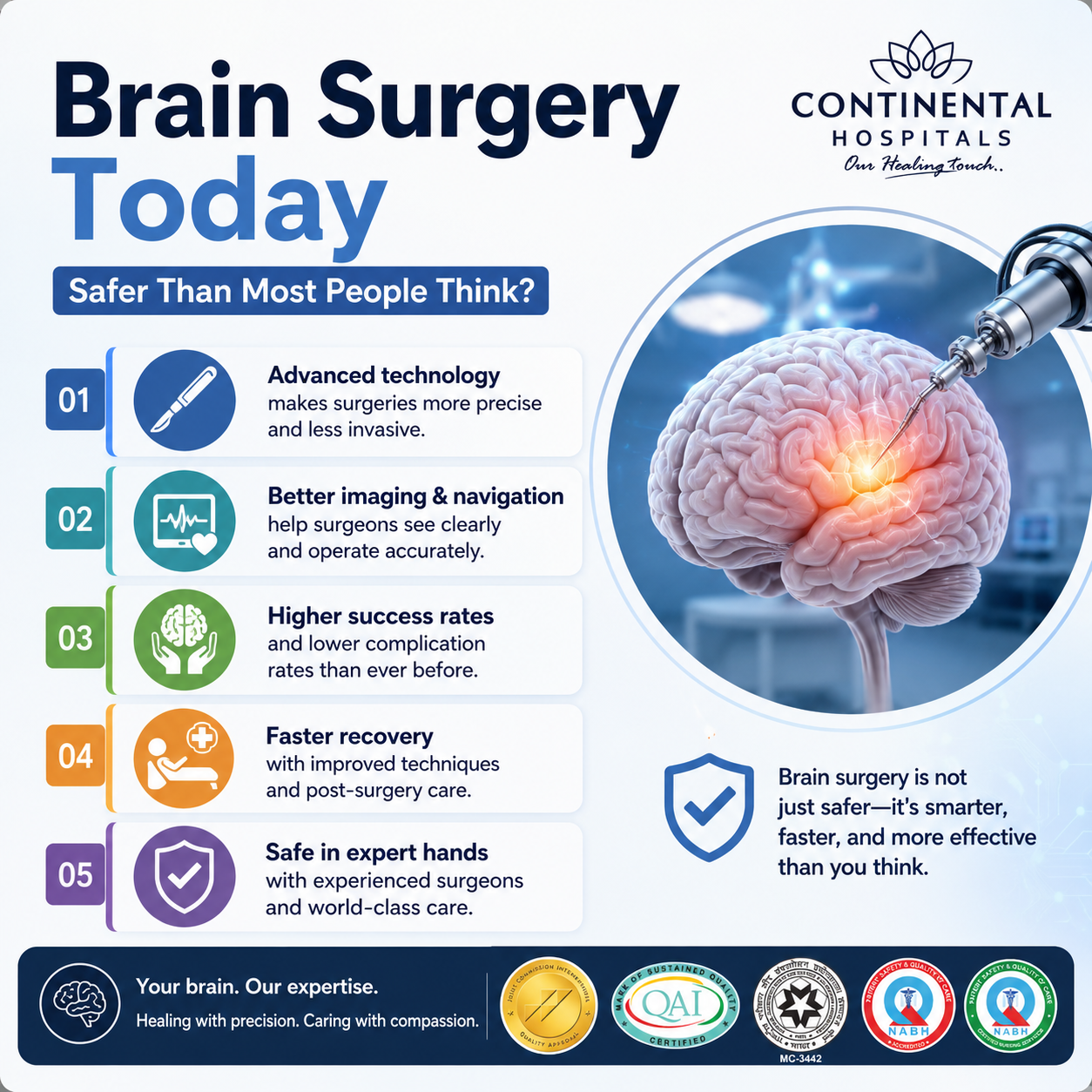
Previously, surgeons depended upon large incisions and manual exploration. Today the focus is on minimal invasiveness. The goal of today's brain surgeon is to optimize the best clinical outcome with minimal dissection of healthy brain tissue.

1. Precision Navigation and Mapping
Much like a GPS helps you navigate a complex city, neuronavigation systems now guide surgeons through the brain. These systems use high-resolution imaging to create a 3D map of the patient’s anatomy. This allows the neurosurgeon to see exactly where they are in relation to critical structures, ensuring that the brain surgery is performed with millimeter-level accuracy.

2. Advanced Imaging Technology
Intraoperative MRI and CT scans allow surgeons to view real-time images of the brain during the procedure. This is a game-changer for brain tumor surgery. By seeing the tumor in real-time, surgeons can ensure that they have removed as much of the growth as possible before the procedure is even finished, reducing the need for repeat surgeries.

3. Robotic Assistance and Micro-Surgical Tools
Robotic-assisted systems provide a level of stability and precision that the human hand alone cannot achieve. Coupled with high-powered microscopes, these tools allow for safe brain surgery even in the most sensitive areas of the brain, such as the brainstem or deep-seated functional zones.

Visit the best neuro doctor hyderabad at Continental Hospitals for expert diagnosis and advanced treatment for brain, spine, nerve, and neurological disorders.

Why is modern brain surgery safer than before?

Many people worry about the recovery and the potential for long-term complications. While every surgery carries some level of risk, the statistics for neurosurgery treatment have improved significantly. Factors contributing to this safety include:

  • Minimally Invasive Techniques: Smaller incisions mean less blood loss, a lower risk of infection, and a much faster healing process.
  • Neuro-Anesthesia: Specialized anesthesia techniques keep the patient’s vital signs stable while ensuring the brain remains protected throughout the operation.
  • Neuromonitoring: Throughout the brain surgery, specialists monitor the electrical activity of the brain and nerves. If the surgeon gets too close to a functional area—like the part of the brain that controls speech or movement—the system provides immediate feedback.
What are the key procedures in neurosurgery treatment?

Modern neurosurgery covers a wide spectrum of conditions. It is not just about trauma or emergencies; it is about improving the quality of life. Common procedures include:

Second Opinion

Brain Tumor Surgery: Removing benign or malignant growths while preserving cognitive function.

  • Aneurysm Repair: Strengthening weakened blood vessels to prevent life-threatening bleeds.
  • Functional Neurosurgery: Treating conditions like Parkinson’s disease or epilepsy through deep brain stimulation.
  • Biopsies: Using needle-thin tools to take tissue samples for accurate diagnosis without the need for traditional open surgery.

Why Choose Continental Hospitals for Brain Surgery?

When it comes to something as vital as the brain, the choice of healthcare provider is the most important decision a patient can make. Continental Hospitals stands as a beacon of excellence in the field of neurosciences, offering world-class care right here in Hyderabad.

Excellence in Clinical Standards
Continental Hospitals is widely recognized as the best hospital in Hyderabad for complex neurological care. We maintain the highest standards of medical ethics and patient safety. Our facility is designed to provide a seamless experience from diagnosis to rehabilitation.

Global Accreditations
Safety is not just a promise; it is a verified standard. Continental Hospitals holds prestigious accreditations, including the following:

JCI (Joint Commission International): This gold standard in global healthcare ensures that we follow the strictest international safety protocols.

NABH (National Accreditation Board for Hospitals & Healthcare Providers): This confirms our commitment to quality clinical outcomes and patient-centric care.

Dedicated Neuro-Intensive Care
Recovery after brain surgery requires specialized attention. Our dedicated Neuro-ICU is staffed by experts who understand the nuances of post-operative brain care. This ensures that any minor changes in a patient’s condition are addressed immediately, further enhancing the safety profile of our treatments.

Need an Appointment?

Multidisciplinary Approach
At Continental Hospitals, a patient does not just see a surgeon. They are cared for by a team that includes neurologists, neuro-radiologists, specialized nurses, and rehabilitation therapists. This holistic approach ensures that every aspect of the patient's health is monitored and optimized for a successful recovery.

Conclusion

The fear surrounding brain surgery is understandable, but it is often based on outdated information. Today, the field of neurosurgery is defined by precision, technology, and safety. By choosing a facility with the right expertise and international accreditations, patients can approach their treatment with confidence and hope.

If you or a loved one are facing a neurological challenge, remember that the brain is resilient, and modern medicine is more capable than ever before. The path to recovery starts with an accurate diagnosis and a team that prioritizes your safety above all else.

If you suffer from persistent headaches, neurological deficits, or have been diagnosed with a condition requiring brain surgery, do not delay your care. Early intervention is often the key to the best possible outcome.

Consult our best neurologist in Hyderabad today at Continental Hospitals. Our specialists are dedicated to providing the highest level of care for all types of neurosurgery treatment, ensuring that you receive the best medical attention in the best hospital in Hyderabad. Your health and safety are our primary mission.

Related Blog Topics:

  1. Nerve Pain in Legs? Possible Neurology Causes
  2. Why Your Hand or Leg Is Numb: Neurological Causes

Frequently Asked Questions

Yes. Brain surgery is much safer today than it was in the past because of major advances in medical technology, imaging, anesthesia, and surgical techniques. Modern operating rooms are equipped with high precision navigation systems that help surgeons reach the affected area while protecting healthy brain tissue. Many procedures are now performed using minimally invasive methods, reducing pain, blood loss, and recovery time. Continuous monitoring during surgery improves patient safety and allows the surgical team to respond immediately to any changes. The expertise of experienced neurosurgeons, specialized anesthesiologists, and intensive care teams further improves outcomes. Every surgery carries some risks, but careful planning and personalized treatment significantly reduce complications. Your neurosurgeon will discuss the expected benefits, possible risks, and recovery process before recommending surgery.
Brain surgery is recommended when non surgical treatments cannot effectively manage a condition or when delaying treatment could lead to permanent damage. Common reasons include brain tumors, aneurysms, epilepsy, traumatic brain injuries, hydrocephalus, bleeding in the brain, certain infections, and movement disorders such as Parkinson disease. Some surgeries are performed urgently to save life or prevent disability, while others are planned after detailed evaluation. Advanced MRI and CT scans help identify the exact problem and guide treatment decisions. Neurosurgeons carefully assess the patient's age, overall health, symptoms, and medical history before recommending surgery. The goal is always to improve quality of life, preserve brain function, and prevent disease progression.
Like any major operation, brain surgery has potential risks, including bleeding, infection, blood clots, stroke, seizures, swelling, or reactions to anesthesia. Depending on the location of the surgery, temporary or permanent changes in speech, movement, memory, vision, or sensation may occur. However, these complications are less common today because of advanced surgical planning and technology. Intraoperative brain mapping, neuronavigation, and continuous monitoring help surgeons avoid critical areas whenever possible. Patients also receive close observation before, during, and after surgery to detect and manage complications early. Your surgeon will explain the specific risks based on your condition and discuss how they can be minimized.
Recovery varies depending on the type of brain surgery, the condition being treated, and the patient's overall health. Some patients are able to return home within a few days after minimally invasive procedures, while others may require a longer hospital stay and rehabilitation. Most people gradually regain strength over several weeks or months. Follow up appointments, medications, physical therapy, occupational therapy, or speech therapy may be recommended to support recovery. Getting enough rest, eating nutritious food, staying hydrated, and following medical advice are important for healing. Recovery is usually monitored closely to ensure the brain heals properly and any concerns are addressed promptly.
Yes. In selected cases, awake brain surgery is performed to protect important brain functions such as speech, movement, and memory. During the procedure, the patient is carefully monitored and receives medication to remain comfortable while responding to simple questions or tasks. This allows surgeons to identify and preserve critical areas of the brain while removing tumors or treating epilepsy. Not every patient is a candidate for awake surgery, and the decision depends on the location of the brain condition and the patient's overall health. The surgical team carefully explains the procedure and prepares the patient beforehand to ensure safety and comfort throughout the operation.
Modern brain surgery benefits from several advanced technologies that improve precision and safety. High resolution MRI and CT imaging help surgeons plan every step before the operation. Neuronavigation systems act like a GPS for the brain, guiding surgeons accurately during surgery. Surgical microscopes provide magnified views of delicate structures, while intraoperative imaging confirms the progress of the procedure. Brain mapping identifies important functional areas, and neurophysiological monitoring helps protect nerves and brain function throughout surgery. Minimally invasive techniques and robotic assistance may also reduce tissue damage, pain, and recovery time. These innovations have greatly improved surgical outcomes and reduced complications.
Preparation begins with a complete medical evaluation, including blood tests, imaging studies, and a review of your medical history. Your doctor may advise stopping certain medications, especially blood thinners, before surgery. It is important to follow fasting instructions, arrange transportation, and plan for help during recovery at home. Maintaining a healthy diet, staying hydrated, avoiding smoking, and controlling conditions such as diabetes or high blood pressure can improve healing. Discuss any concerns with your surgical team and ask questions about the procedure, hospital stay, and recovery expectations. Careful preparation helps reduce risks and supports a smoother recovery.
Choosing the right hospital is an important part of successful brain surgery. Look for a hospital with experienced neurosurgeons, advanced imaging facilities, dedicated neuro intensive care units, and access to modern surgical technology. Hospitals with multidisciplinary teams provide coordinated care from neurologists, anesthesiologists, rehabilitation specialists, and critical care experts. It is also helpful to review patient outcomes, accreditation standards, infection control measures, and emergency support services. A hospital that offers personalized treatment plans, comprehensive rehabilitation, and regular follow up care can improve both safety and long term recovery. Discuss your options with your doctor to make an informed decision.
Disclaimer: The information provided in this blog is intended for general knowledge and informational purposes only, and does not constitute medical advice. Always consult with a qualified healthcare professional for any medical concerns or before making any decisions about your health.

Get in Touch With Us

Whether you are from India or abroad, we are here to help you with your medical queries. Please fill out the form below and our team will connect with you shortly.

  • ✔ Quick response from our medical experts
  • ✔ Secure data handling & privacy
  • ✔ Easy upload for reports & documents
banner_image

Chat with our medical experts on WhatsApp for quick assistance and hassle-free appointment booking

Recent Posts