post-title

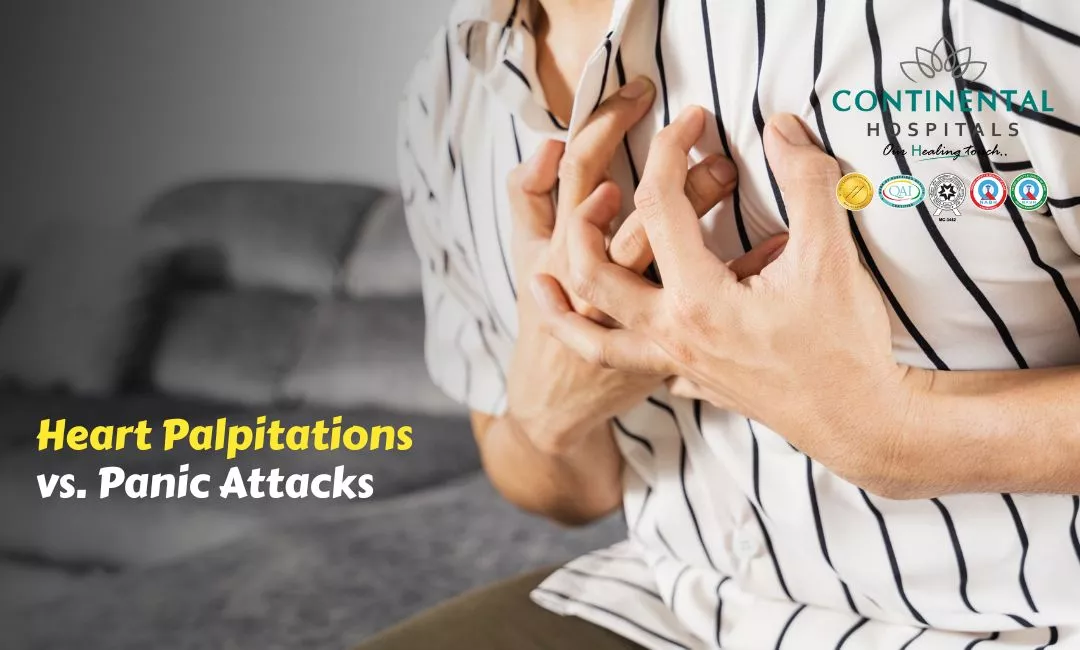
Heart Palpitations vs. Panic Attacks

Written by - Editorial Team
Medically Reviewed by - Dr Abhisekh Mohanty

Feeling your heart race suddenly or experiencing a flutter in your chest can be scary. But how do you know if it's a sign of a heart issue or just anxiety? Heart palpitations and panic attacks can feel very similar, yet they stem from different causes. Learning to tell them apart is the first step to managing your symptoms effectively and knowing when to seek medical help.

What Are Heart Palpitations?

Heart palpitations are sensations where you feel like your heart is pounding, racing, skipping a beat, or fluttering. You might feel them in your chest, throat, or neck. They are often harmless and temporary, but sometimes they may signal a deeper problem.

Common triggers include:

  • Stress or anxiety
  • Caffeine or energy drinks
  • Dehydration
  • Hormonal changes
  • Certain medications
  • Overexertion during exercise

Palpitations usually go away on their own. However, if they’re frequent or accompanied by chest pain, dizziness, or fainting, they could indicate arrhythmia or another heart condition that needs attention.

Visit the Best Cardiology Doctors in Hyderabad at Continental Hospitals for expert evaluation by leading cardiologists in Hyderabad.
What Is a Panic Attack?

A panic attack is an intense wave of fear or discomfort that comes on suddenly. It’s part of an anxiety response and is not caused by physical problems with the heart. However, the symptoms can be so intense that people often mistake it for a heart attack.

Typical symptoms of a panic attack include:

  • Rapid heart rate
  • Shortness of breath
  • Sweating
  • Chest tightness
  • Shaking
  • Feeling detached from reality
  • Fear of dying or losing control

These attacks usually peak within 10–15 minutes and then fade, though the emotional effects can linger longer.

Second Opinion

How Are They Different?

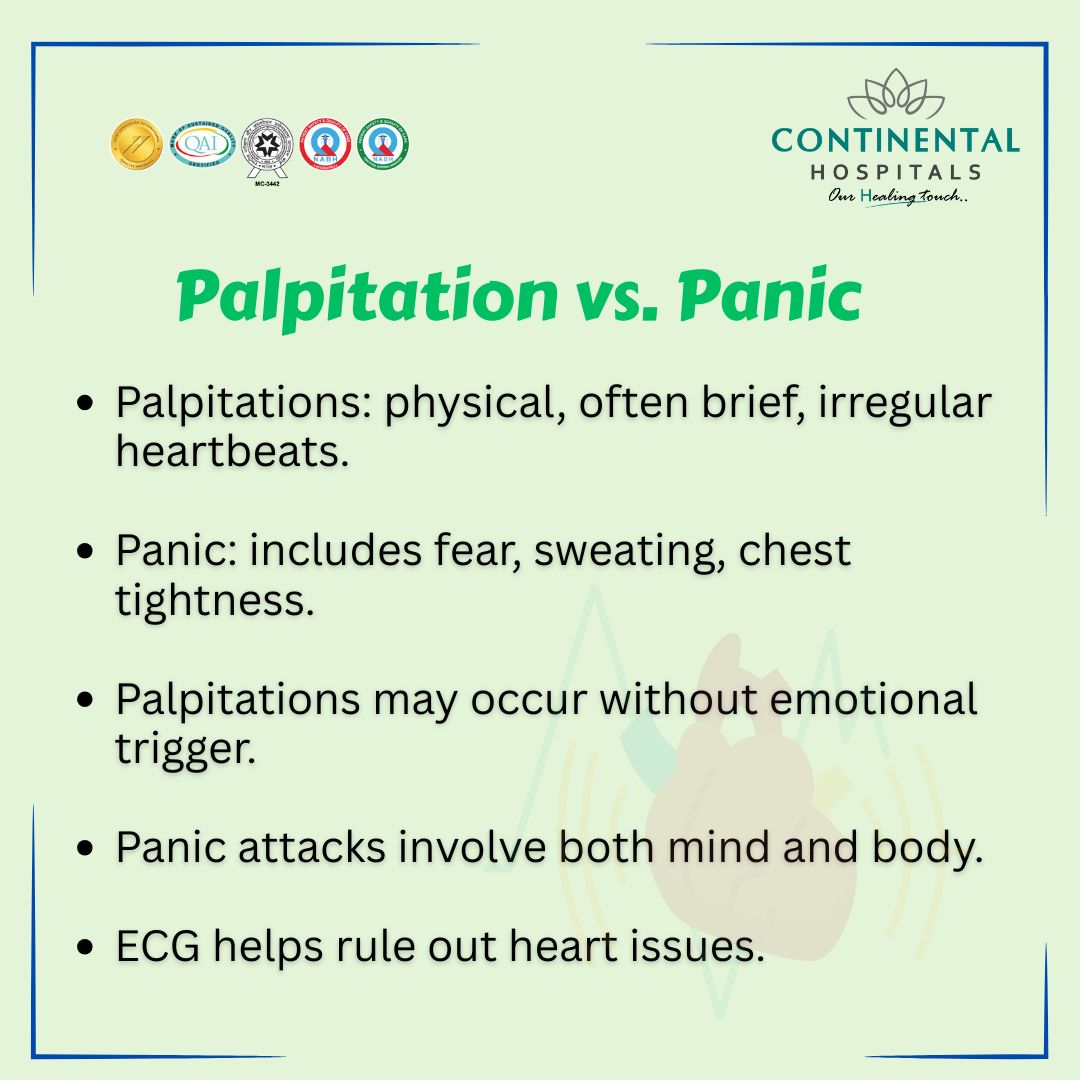
Though both involve rapid heartbeat and discomfort, the main difference lies in the cause. Heart palpitations usually stem from physical triggers or heart-related conditions, while panic attacks are driven by psychological triggers such as stress, trauma, or anxiety disorders.

Here’s how you can differentiate them:

Feature Heart Palpitations Panic Attack
Cause Often physical (caffeine, exercise, dehydration) Emotional or mental (stress, anxiety, trauma)
Duration Seconds to minutes Peaks at 10–15 minutes
Other Symptoms May feel like fluttering or skipping beats Includes fear, breathlessness, sweating
Response to Breathing May not improve with breathing exercises Often calms down with deep breathing

Can They Occur Together?

Yes. Anxiety can trigger heart palpitations, and in turn, the palpitations can cause panic or fear, leading to a panic attack. This creates a cycle that can be hard to break without help.

How Are They Diagnosed?

At Continental Hospitals, our specialists take a comprehensive approach to understand your symptoms.

Medical History and Physical Exam
Your doctor will ask about your lifestyle, diet, emotional stress, and medical history.

Tests for Palpitations
You might be asked to do an ECG (electrocardiogram), Holter monitoring, or blood tests to rule out arrhythmias, thyroid issues, or other conditions.

Evaluation for Panic Attacks
If the heart is normal, your doctor may refer you to a mental health expert to check for panic disorder, generalized anxiety disorder, or related conditions.

Need an Appointment?

What Can You Do to Feel Better?

Whether you’re facing palpitations or panic attacks, several strategies can help reduce symptoms and improve your overall well-being.

1. Adopt Stress-Relief Techniques
Try deep breathing, meditation, or yoga to calm your nervous system. Regular sleep and hydration also make a big difference.

2. Use Natural Mood Enhancers
Incorporating mood-boosting supplements may help with anxiety and stress. Some effective options include:

  • Omega-3 for depression and heart health
  • Magnesium for mood and muscle relaxation
  • Vitamin D for mood balance and immune support
  • Ashwagandha for mood and stress
  • B vitamins for mood and brain function
  • Adaptogens for stress like Rhodiola and Holy Basil
  • Natural antidepressants like St. John’s Wort (only under medical advice)

Always consult your doctor before starting supplements.

3. Maintain a Healthy Diet and Lifestyle
Avoid caffeine, alcohol, and processed foods. Choose whole foods rich in vitamins and minerals that support both heart and mental health.

4. Stay Active
Regular physical activity is known to improve mood and lower the risk of palpitations. Walking, swimming, or light jogging can help keep your heart strong and your mind calm.

When Should You Seek Medical Help?

Don’t ignore symptoms like:

  • Frequent or prolonged palpitations
  • Dizziness or fainting
  • Chest pain
  • Shortness of breath
  • Panic attacks that interfere with daily life

If you're unsure whether it's your heart or your anxiety, it’s best to consult a healthcare professional for clarity and peace of mind.

Why Choose Continental Hospitals?

Continental Hospitals in Hyderabad offers world-class care for both heart health and mental wellness. With a team of experienced cardiologists, psychiatrists, and general physicians, we provide a complete approach to your health.

Our strengths include:

  • Advanced cardiac testing and monitoring
  • Personalized treatment plans
  • Expert guidance on mood support vitamins and anxiety relief supplements
  • A multidisciplinary approach that looks at both body and mind
  • Supportive environment to help you regain control of your health

At Continental, your well-being is our priority. We combine advanced diagnostics with compassionate care to ensure you receive the treatment you need.

Final Thoughts

Heart palpitations and panic attacks may feel similar, but understanding their differences is crucial for proper treatment. While one may be rooted in physical issues, the other stems from emotional health. Both, however, deserve attention and care.

Unsure if it's your heart or anxiety? Visit Continental Hospitals to consult our top cardiologists in Hyderabad for clarity.

Related Blogs:

Common Triggers Behind Heart Palpitations

Frequently Asked Questions

Heart palpitations are sensations where your heart feels like it is racing, pounding, fluttering, or skipping beats. They may occur due to exercise, stress, caffeine, dehydration, medications, or underlying heart conditions. A panic attack is a sudden episode of intense fear or anxiety that triggers physical symptoms such as rapid heartbeat, sweating, trembling, dizziness, chest discomfort, and shortness of breath. While panic attacks commonly cause palpitations, not every episode of palpitations is caused by anxiety. Cardiac rhythm disorders, thyroid problems, anemia, and electrolyte imbalances can also produce similar symptoms. Because both conditions can overlap, it is important to undergo a proper medical evaluation to determine the underlying cause and receive appropriate treatment.
Yes. Anxiety activates the body's fight-or-flight response, leading to the release of stress hormones such as adrenaline. These hormones increase heart rate and make the heartbeat feel stronger or irregular. Many people experience heart palpitations during periods of emotional stress, panic attacks, or ongoing anxiety. These episodes are often temporary and improve once the anxiety subsides. However, anxiety-related palpitations can closely resemble symptoms of heart disease, making them difficult to distinguish without medical evaluation. If palpitations are frequent, persistent, associated with chest pain, fainting, or occur without obvious anxiety triggers, it is important to consult a healthcare professional to rule out an underlying cardiac condition.
Although both conditions may cause rapid heartbeat and chest discomfort, there are some differences. Panic attacks usually begin suddenly, peak within minutes, and are often accompanied by intense fear, sweating, trembling, tingling sensations, dizziness, and a feeling of losing control. Heart-related conditions may occur during physical activity or even at rest and can include chest pressure, pain radiating to the jaw or arm, severe shortness of breath, fainting, or persistent irregular heartbeat. Because symptoms often overlap, it is not always possible to distinguish them based on symptoms alone. Medical assessment with an ECG, blood tests, and additional cardiac investigations may be necessary to identify the exact cause.
Heart palpitations should be treated as a medical emergency if they are accompanied by chest pain, severe shortness of breath, fainting, loss of consciousness, confusion, or pain spreading to the shoulder, jaw, neck, or arm. Persistent palpitations lasting several minutes, especially in people with existing heart disease, high blood pressure, diabetes, or a family history of sudden cardiac death, require urgent evaluation. Even if symptoms seem related to anxiety, serious heart rhythm disorders can present similarly. Prompt medical attention helps identify life-threatening conditions early and ensures appropriate treatment before complications develop.
Doctors begin by reviewing your symptoms, medical history, medications, and possible triggers. An electrocardiogram (ECG) is usually the first test performed to assess heart rhythm. Depending on the frequency of symptoms, your doctor may recommend a Holter monitor or an event recorder to continuously monitor your heartbeat over several hours or days. Blood tests may be performed to check thyroid function, electrolyte levels, anemia, and other metabolic conditions. An echocardiogram may be advised to evaluate the heart's structure and function. Exercise stress testing or advanced cardiac imaging may also be recommended if coronary artery disease or exercise-induced rhythm abnormalities are suspected.
Yes. Healthy lifestyle habits can significantly reduce the frequency of both heart palpitations and panic attacks. Limiting caffeine, nicotine, alcohol, and energy drinks can help prevent unnecessary stimulation of the heart. Staying well hydrated, getting adequate sleep, maintaining a balanced diet, and exercising regularly support cardiovascular and mental health. Stress management techniques such as deep breathing exercises, yoga, meditation, mindfulness, and relaxation therapy can reduce anxiety-related symptoms. Managing underlying medical conditions like thyroid disorders, anemia, or high blood pressure is equally important. Individuals experiencing recurrent symptoms should consult a healthcare provider for personalized treatment recommendations.
Occasional panic attacks do not directly cause heart disease, but chronic anxiety and repeated episodes of severe stress may contribute to long-term cardiovascular risk. Persistent stress can increase blood pressure, elevate stress hormone levels, disrupt sleep, and encourage unhealthy habits such as smoking, poor diet, or physical inactivity. These factors may increase the likelihood of developing cardiovascular disease over time. Additionally, people with existing heart disease may notice worsening symptoms during periods of anxiety. Proper management of anxiety through counseling, lifestyle modification, medication when needed, and regular medical follow-up supports both emotional well-being and heart health.
Treatment depends entirely on the underlying cause. Heart palpitations caused by arrhythmias, thyroid disease, anemia, medication side effects, or structural heart conditions require condition-specific treatment that may include medications, catheter ablation, or other cardiac procedures. Panic attacks are commonly managed through cognitive behavioral therapy, stress reduction techniques, relaxation exercises, and medications when appropriate. Lifestyle improvements such as regular exercise, healthy sleep, and reducing caffeine intake also play an important role. Since both conditions can produce similar symptoms, obtaining an accurate diagnosis from a qualified healthcare professional is essential to ensure safe and effective treatment.
Disclaimer: The information provided in this blog is intended for general knowledge and informational purposes only, and does not constitute medical advice. Always consult with a qualified healthcare professional for any medical concerns or before making any decisions about your health.

Get in Touch With Us

Whether you are from India or abroad, we are here to help you with your medical queries. Please fill out the form below and our team will connect with you shortly.

  • ✔ Quick response from our medical experts
  • ✔ Secure data handling & privacy
  • ✔ Easy upload for reports & documents
banner_image

Chat with our medical experts on WhatsApp for quick assistance and hassle-free appointment booking

Recent Posts