post-title

The Link Between Blood Sugar and Cancer-Fighting Immune Cells: What You Should Know

Written by - Editorial Team
Medically Reviewed by - Dr S K Gupta

Blood sugar and cancer are two very different health-related topics. Still, studies prove that there is a connection between the two of them via the immune system of a person. Blood sugar, which is also called blood glucose, is the source of energy for the body's cells. At the same time, high blood glucose may impact various body processes such as inflammation, metabolism, and the immune system.

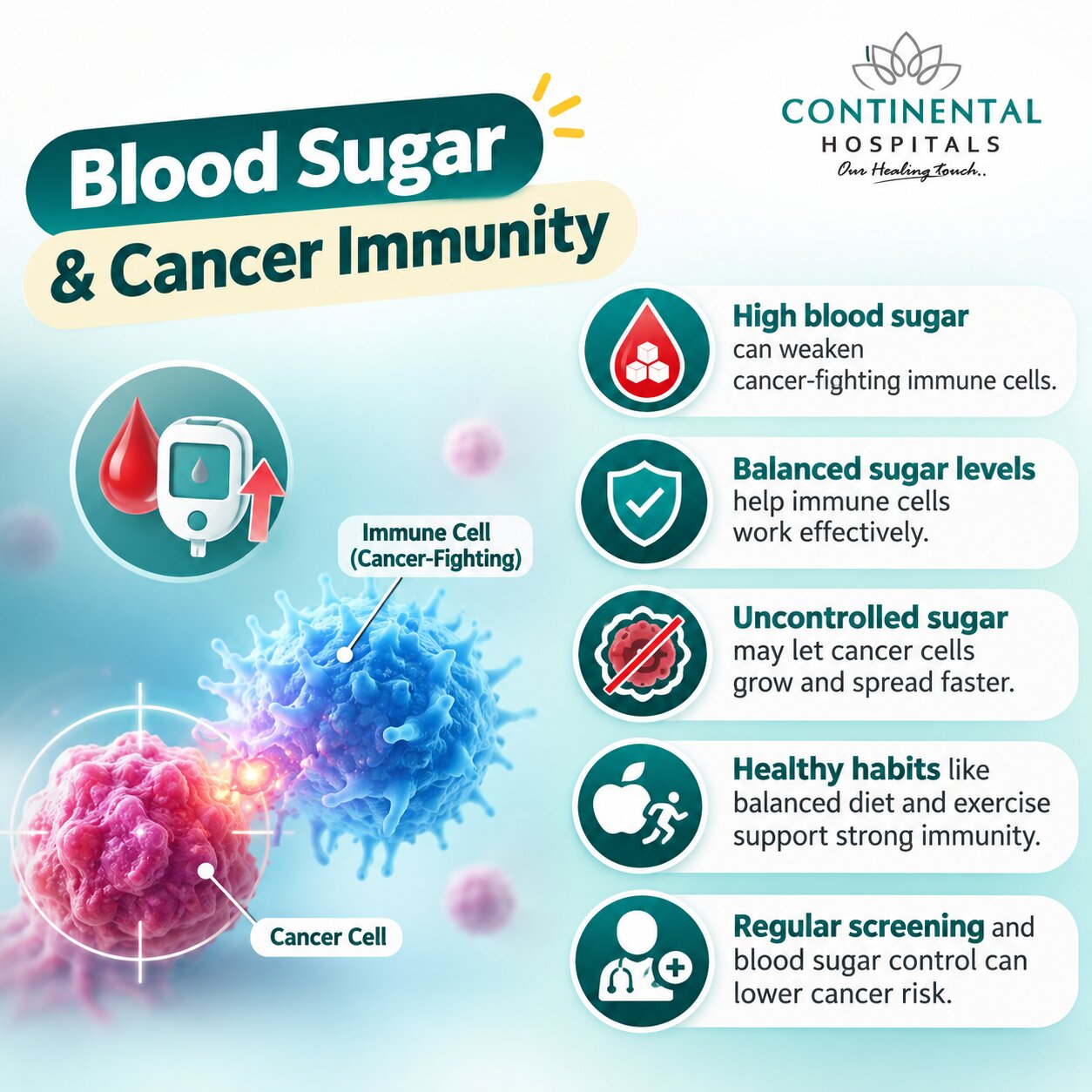
The immune system is responsible for finding harmful cells, including cancer ones. Immune cells such as T cells are able to detect harmful cells. However, alterations in glucose metabolism may have an effect on the functioning of cancer-fighting immune cells.

How Does Glucose Impact the Immune System?

What role does glucose play in the functioning of the immune system? Glucose is the main energy resource for immune cells that require glucose to live and function normally.

But chronically elevated glucose can impact the regular functioning of the immune system. People with diabetes who are unable to control their blood glucose can suffer from altered immune system functioning and chronic inflammation.

The interaction of glucose and the immune system can be explained by the following:

1. Activity of immune cells: Cells of the immune system require energy.
2. Inflammation: Increased glucose in the bloodstream can cause inflammation.
3. Metabolism: Changes in glucose metabolism may have an effect on the functioning of immune cells.
4. Immune system response: Uncontrolled glucose can impact the body's response to certain diseases.

Visit the Medical Oncology Department at Continental Hospitals, Hyderabad, for expert cancer care and treatment.

What Is a Cancer-Killing Immune Cell?

What kind of immune cells is responsible for fighting cancer in the body? There are several types of immune cells in the body that recognize any abnormality in the body.

The cancer-fighting immune cells in the body are:

Second Opinion

1. T Cells

T cells are very important white blood cells that recognize and eliminate any abnormal cell. Some T cells, called cytotoxic T cells, are able to kill the cancer cells directly.

2. Natural Killer Cells

Natural killer cells identify and kill the abnormal cells and the infected cells without any recognition beforehand like other immune cells.

3. Dendritic Cells

These cells are responsible for recognizing the dangerous cells by presenting them specific markers to the T cells.

These are the major immune cells that perform immune surveillance in the body.
Need an Appointment?

How Does Glucose Impact T Cells and Cancer?

Can high levels of glucose impact the way T cells combat cancer? Indeed, glucose metabolism is vital in the functioning of T cells. They need glucose to proliferate, communicate, and attack malignant cells.

Recent studies reveal the existence of the impact of alterations in the availability and metabolism of glucose on T cells' performance. Nevertheless, the relationship is rather complicated.

There is a significant issue in the tumors themselves. In cancer cells, there is a high glucose uptake because they use it to develop. It leads to competition between cancer and immune cells for resources.

Thus, immune cells located in the tumors can face problems regarding receiving enough energy and other resources to perform their functions properly.

Is High Blood Sugar Linked To Cancer?

Does high blood sugar make one have cancer? No, but scientific studies have found connections between the development of cancer and type 2 diabetes.

Some reasons why this might be possible include the following:

Inflammation: The constant state of inflammation might create an environment for the formation of abnormal cells.
Insulin resistance: The high insulin levels resulting from insulin resistance can impact cell growth in some way.
Metabolic effects: Changes in glucose and insulin regulation may impact cell activities.
Obesity: Having excess body fat causes insulin resistance and inflammation as well as increases the risk of cancer.

It is important to remember that high blood sugar does not guarantee the presence of cancer. There are many other factors that determine whether a person is at a risk of developing cancer or not.

How Do You Ensure Stable Blood Sugar Levels?

Can healthy habits promote metabolic and immune wellness? Yes. Stabilizing your blood glucose levels is an essential step toward improving your general wellbeing and avoiding some chronic diseases.

Take into account these healthy practices:

1. Follow a healthy diet: Consume vegetables, fruits, grains, and proteins.
2. Be physically active: Exercise contributes to enhanced insulin sensitivity.
3. Stay at a healthy weight: Maintaining your weight will improve your glucose stability.
4. Test your blood sugar levels: Checking glucose levels is the best way to detect and treat abnormal readings.
5. Get enough sleep: Good sleep is important for normal metabolic functions.
6. Stop smoking: Tobacco consumption increases the risk of developing some forms of cancer and other diseases.
7. Go through health examinations: Consult your doctor on cancer screening and diabetes screening.

These are healthy practices that contribute to your general well-being but do not guarantee cancer prevention.

Why Should You Choose Continental Hospitals for Diabetic and Cancer Treatment?

Why is complete medical treatment necessary for effective diabetic management and knowledge about your potential cancer risk? Blood sugar management, metabolism, and cancer treatment might need assessment from various doctors in the medical field.

Continental Hospitals of Hyderabad offer you complete healthcare services, with experts in the field, efficient diagnostic facilities, and specialized medical services. The hospital has accreditation in national and international healthcare sectors, which include JCI and NABH.

Being an expert in various medical fields, Continental Hospitals will provide you with accurate diagnosis, treatment planning, and patient care.

Conclusion

Several factors, including glucose metabolism, inflammation, and activation of immune cells, among others, are important when it comes to the link between blood sugar and cancer. Cancer-fighting immune cells, like T cells and natural killer cells, are essential in the recognition of abnormal cells. However, glucose metabolism may affect their function in the body.

Balanced blood sugar, a healthy lifestyle, and regular health checkups can be helpful to your general well-being.

In case of any problem, including diabetes, consistently high blood sugar, or cancer, consult our best medical oncologist in Hyderabad at Continental Hospitals, Hyderabad.

Related Blogs:

  1. Proven Ways to Reduce Blood Sugar Levels

Frequently Asked Questions

Yes, blood sugar levels can influence how the immune system functions. Immune cells need glucose to produce energy and perform their activities. However, consistently high blood sugar may affect normal immune responses. It can contribute to inflammation and changes in immune cell activity. Some immune cells may become less effective at responding to infections and abnormal cells. Cancer-fighting immune cells, including T cells, play an important role in identifying and attacking cancer cells. Their activity depends on several factors, including the body's metabolic environment. High glucose levels may influence the way these cells use energy. Research suggests that glucose metabolism can affect immune responses within the tumour environment. However, the relationship is complex and varies between individuals. High blood sugar does not directly mean that a person will develop cancer. Maintaining healthy blood sugar levels supports overall metabolic and immune health. Regular medical check-ups can help identify and manage blood sugar problems.
The immune system helps protect the body against infections and abnormal cell growth. Certain immune cells can identify and attack cancer cells. T cells are among the important immune cells involved in this process. Cytotoxic T cells can recognise abnormal cells and destroy them. Natural killer cells also help identify and eliminate certain cancer cells. These immune cells continuously monitor the body for unusual cellular activity. They use specialised proteins and chemical signals to coordinate their responses. Some immune cells can recognise specific markers present on cancer cells. However, cancer cells may develop ways to escape immune detection. The tumour environment can also affect immune cell activity. Metabolic changes, including altered glucose availability, may influence these responses. A healthy immune system supports the body's natural defence mechanisms. Researchers continue to study how metabolism affects cancer-fighting immune cells.
High blood sugar is associated with several metabolic health problems. Long-term elevated blood glucose is commonly seen in people with diabetes. Research has identified associations between type 2 diabetes and certain cancer risks. Insulin resistance and chronic inflammation may contribute to these associations. High insulin levels can also influence cellular growth pathways. These changes may affect the body's metabolic environment. However, high blood sugar alone does not cause cancer in every individual. Cancer development involves multiple genetic, environmental and lifestyle factors. Age, family history, smoking and obesity can also influence cancer risk. Managing diabetes may help improve overall metabolic health. Regular physical activity and balanced nutrition are important preventive measures. People with diabetes should follow recommended cancer screening guidelines. Consult a doctor for individual risk assessment and appropriate screening.
Yes, poorly controlled diabetes can affect the body's immune response. Persistently high blood sugar may interfere with the normal functioning of immune cells. It can affect the ability of white blood cells to respond effectively to infections. High glucose levels may also contribute to inflammation. Some people with diabetes may experience slower wound healing. They can also have an increased risk of certain infections. Changes in blood circulation may further affect the body's defence mechanisms. The immune system depends on proper nutrition and metabolic balance. Maintaining blood sugar within the recommended range can support immune health. Taking prescribed diabetes medication is important for proper management. Regular exercise and healthy eating can also help. People with diabetes should seek medical advice when infections persist. Proper diabetes management supports overall health and well-being.
Yes, cancer cells use glucose as an important source of energy. Many cancer cells consume glucose at a higher rate than normal cells. This metabolic behaviour is commonly associated with the Warburg effect. It allows cancer cells to support energy production and the creation of materials needed for growth. However, not all cancer cells depend on glucose in the same way. Some cancer cells can also use other nutrients, including fats and amino acids. Their metabolic requirements depend on the cancer type and surrounding environment. Glucose metabolism is an important area of cancer research. Medical imaging techniques such as PET scans can use radioactive glucose tracers to identify areas of increased metabolic activity. However, increased glucose uptake alone does not confirm cancer. Cancer cells can adapt their metabolism to survive under different conditions. Simply avoiding sugar cannot stop cancer growth. Cancer treatment requires appropriate medical evaluation and evidence-based therapies.
Reducing excessive added sugar can support better overall health. It may help maintain a healthy body weight and improve blood sugar control. Obesity and certain metabolic conditions are associated with increased risks of some cancers. Eating too many sugary foods can contribute to excess calorie intake. However, there is no scientific proof that avoiding sugar completely prevents cancer. All body cells, including healthy cells, use glucose for energy. The body can also obtain glucose from carbohydrates in different foods. A balanced diet is more beneficial than following extreme sugar restrictions. Include vegetables, fruits, whole grains and protein-rich foods in daily meals. Limit sugary drinks and highly processed foods. Regular exercise can also improve insulin sensitivity. People with diabetes should follow an individualised nutrition plan. Healthy lifestyle habits can support long-term metabolic health and reduce certain cancer risk factors.
A balanced diet provides nutrients that help maintain a healthy immune system. Fresh fruits and vegetables supply important vitamins and antioxidants. Citrus fruits, berries and guava provide vitamin C. Leafy green vegetables contain folate and other essential nutrients. Nuts and seeds provide healthy fats and vitamin E. Protein-rich foods such as pulses, eggs, fish and dairy support tissue repair and immune cell function. Whole grains provide fibre and help support metabolic health. Yoghurt and other suitable fermented foods can contribute to gut health. Adequate hydration is also important for normal body functions. Limiting excessive added sugar can support better blood glucose control. No single food can directly destroy cancer cells or guarantee cancer prevention. People undergoing cancer treatment may have specific nutritional requirements. A qualified dietitian can recommend an appropriate diet based on individual health needs.
Managing blood sugar requires consistent lifestyle habits and medical guidance. Choose balanced meals containing fibre, protein and healthy fats. Include whole grains, vegetables and suitable sources of protein in your diet. Limit sugary beverages and foods with excessive added sugar. Regular physical activity can improve the body's response to insulin. Walking after meals may also help support blood glucose management. Maintain a healthy body weight based on medical advice. Get adequate sleep because poor sleep can affect blood sugar regulation. Manage stress through healthy relaxation techniques. Monitor blood glucose as recommended by your doctor. Take prescribed diabetes medication regularly and do not change doses without medical advice. Regular HbA1c testing helps assess average blood sugar levels over time. Consult a healthcare professional if your readings remain consistently high. Early management can help reduce the risk of long-term diabetes complications.
Disclaimer: The information provided in this blog is intended for general knowledge and informational purposes only, and does not constitute medical advice. Always consult with a qualified healthcare professional for any medical concerns or before making any decisions about your health.

Get in Touch With Us

Whether you are from India or abroad, we are here to help you with your medical queries. Please fill out the form below and our team will connect with you shortly.

  • ✔ Quick response from our medical experts
  • ✔ Secure data handling & privacy
  • ✔ Easy upload for reports & documents
banner_image

Chat with our medical experts on WhatsApp for quick assistance and hassle-free appointment booking

Recent Posts