post-title

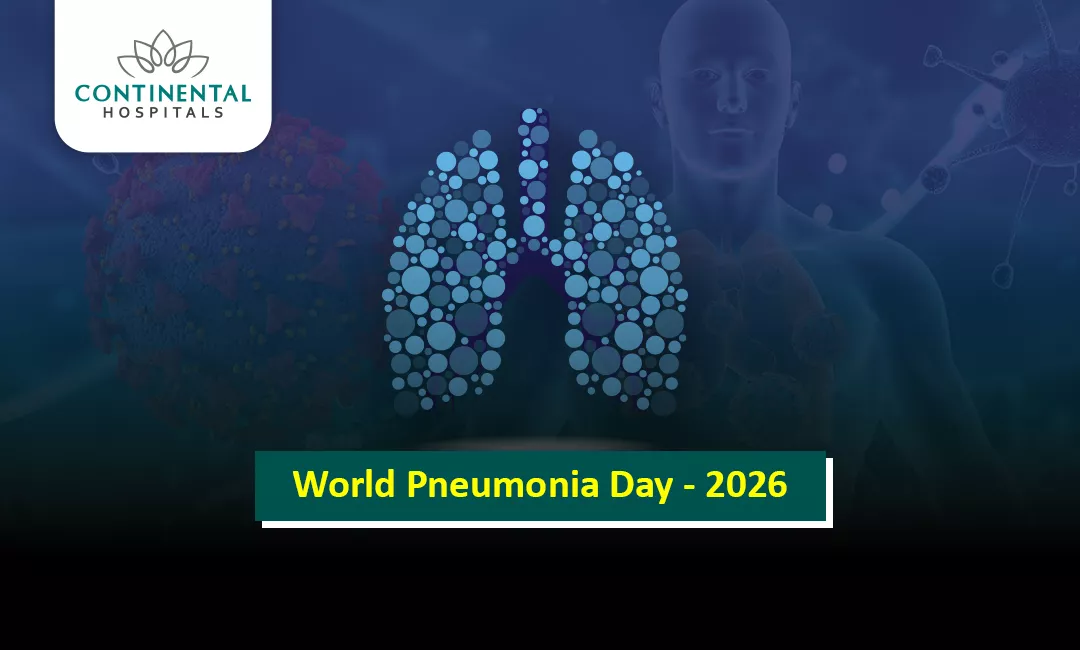
World Pneumonia Day - 2026

Written by - Editorial Team
Medically Reviewed by - Dr Pradeep Simha Karur

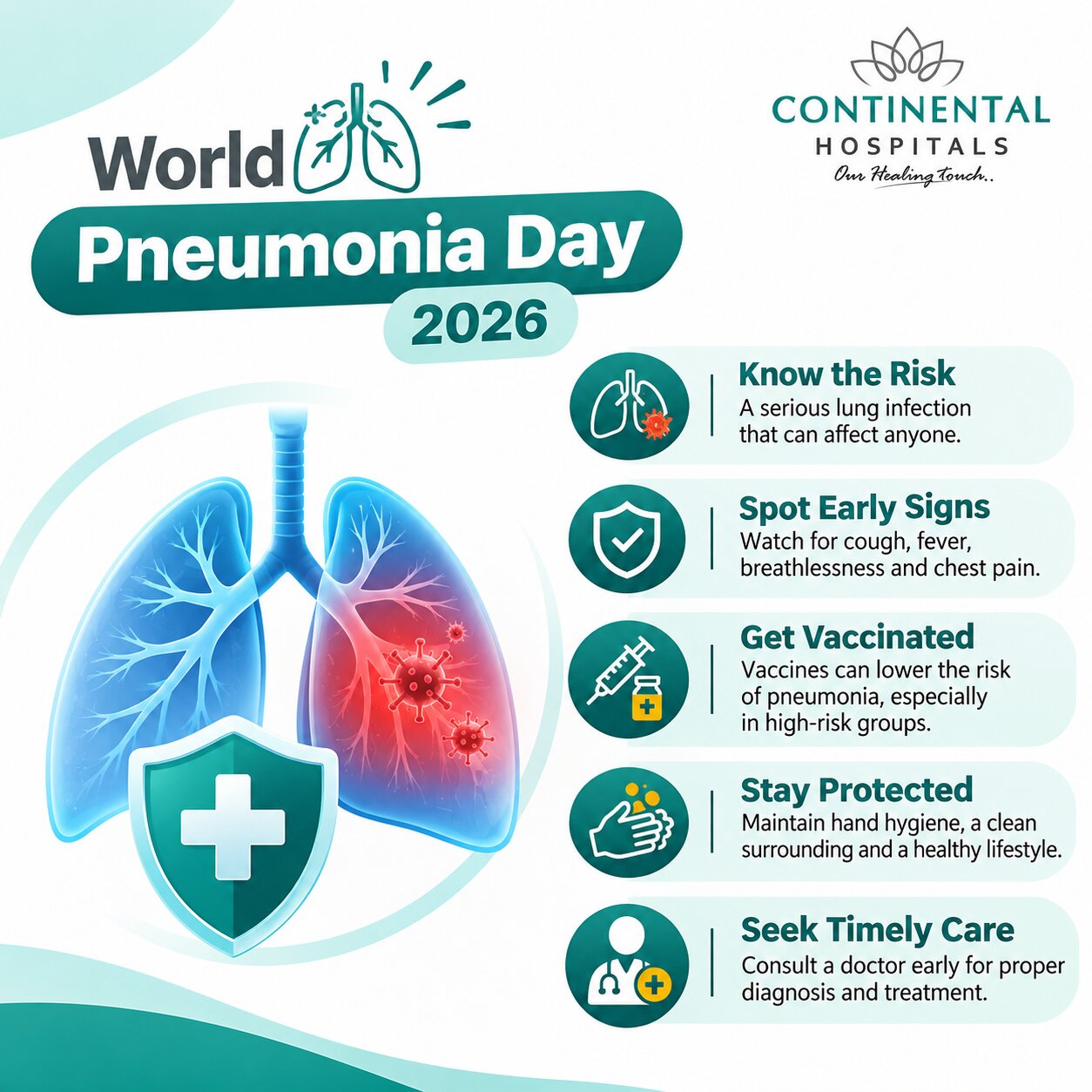
Every year, World Pneumonia Day is celebrated on 12 November to increase awareness about the pneumonia disease, its causes, symptoms, prevention measures, and treatment. This day draws attention to the issue of protecting people from such a lung infection as pneumonia, especially the youngest, elderly, and people with weak immune systems. This year's World Pneumonia Day 2026 will be dedicated to the topic "A New Era of Pneumonia Control".

Pneumonia is an infection of lungs resulting in inflammation of either one or both lungs' air sacs which may be filled with liquid or pus, making breathing hard and decreasing the amount of oxygen that goes into the bloodstream. Pneumonia may affect people of different ages, and without timely treatment, it may cause serious health issues. On this pneumonia day, it is important to learn how to prevent such an illness.

What is pneumonia, and how does it affect the lungs?

How does pneumonia affect normal breathing? Our lungs normally have small air pockets called alveoli, which function to exchange oxygen in the bloodstream. In pneumonia, the air pockets swell and become filled with fluid or pus.

This results in:

  • Breathing problems.
  • Lower oxygen content in the body.
  • Coughing.
  • Chest pains.
  • Fever and shivers.
  • Weakness and fatigue.

Pneumonia can be serious or not based on how severe it is and the person affected.

Visit the Pulmonology Department at Continental Hospitals, Hyderabad, for expert diagnosis and comprehensive respiratory care.

What Are the Common Causes of Pneumonia?

What are the causes that lead to pneumonia development? It occurs when microorganisms invade the lungs, which results in an infection.

The common causes of pneumonia include:

1. Bacterial infections: Streptococcus pneumoniae is one of the bacteria that cause pneumonia.
2. Viral infections: There are different viruses like influenza and RSV that can cause pneumonia.
3. Fungal infections: Some types of fungal infections may infect the lungs, especially if people have a compromised immunity.
4. Aspiration: It is possible to inhale food, fluids, saliva, or vomit into the lungs.

Second Opinion

Pneumonia can be transmitted through respiratory droplets and close contact due to the microorganism causing the disease.
What are the early signs of pneumonia?

How can you tell whether you have pneumonia when you don’t know yet that you have one? Symptoms can either appear suddenly or over time depending on each person.

Some symptoms of pneumonia include:

  • A constant cough, which sometimes produces mucus.
  • Fever and shivers.
  • Pain when breathing and coughing.
  • Difficulty breathing.
  • Fast breathing.
  • Feelings of tiredness and weakness.
  • Lack of appetite.
  • Confusion, especially to older people.

For children, pneumonia can cause rapid breathing, indrawing of the chest, problems with feeding, fever, and excessive sleeping.
Any difficulty in breathing in children needs medical help.

Who Are at a Greater Risk of Suffering from Pneumonia?

Is everybody exposed to the same risk of developing pneumonia? Not really. Some people face a greater risk of contracting pneumonia than others. The high-risk group includes:

  • Infants younger than five years of age.
  • Seniors over the age of 65 years.
  • People with diabetes and heart problems.
  • People with chronic lung diseases.
  • People with weak immune systems.
  • Smokers.
  • Excessive alcohol drinkers.
  • Patients admitted in hospitals, especially those on ventilators.

How to Prevent Pneumonia?

What can be done to prevent pneumonia? There are certain actions that must be taken into account to prevent the development of pneumonia.

Need an Appointment?

Among these, we should distinguish:

1. Vaccination against pneumococcal, influenza, coronavirus disease, and other diseases recommended by the doctor for the prevention of certain respiratory infections.
2. Hand hygiene through frequent washing with soap and water.
3. Stop smoking, since it is harmful to your lungs.
4. Eat healthy food.
5. Respiratory hygiene, which consists of covering your mouth and nose when you are coughing or sneezing.
6. Management of diabetes, asthma, or any other diseases.
7. Consulting a doctor when you feel persistent cough or breath problems.

How Is Pneumonia Diagnosed and Treated?

How is pneumonia diagnosed? A medical examination, involving analysis of respiration, body temperature, and oxygen level, often starts with diagnosis.

The following tests could be prescribed according to the patient's symptoms:

  • chest X-ray to determine lungs' inflammation.
  • blood tests to determine an infection.
  • sputum test when needed.
  • pulse oximetry to measure oxygen level.
  • additional tests when the case is complicated.

Pneumonia treatment is dependent upon the type of pneumonia and its severity. Pneumonia caused by bacteria needs antibiotic therapy, whereas the one caused by a virus could need supportive therapy along with special antiviral drugs in some cases. Severe cases need oxygen and hospital treatments.

Antibiotics must be taken strictly under a doctor's prescription.

Why Should You Choose Continental Hospitals for Treatment of Pneumonia?

What makes choosing the right hospital essential when one suffers from pneumonia? Timely diagnosis, treatment, and monitoring can help prevent the complication.

Continental Hospitals in Hyderabad offers full-scale respiratory and critical care along with the presence of specialists, state-of-the-art diagnostics, and multidisciplinary medicine.

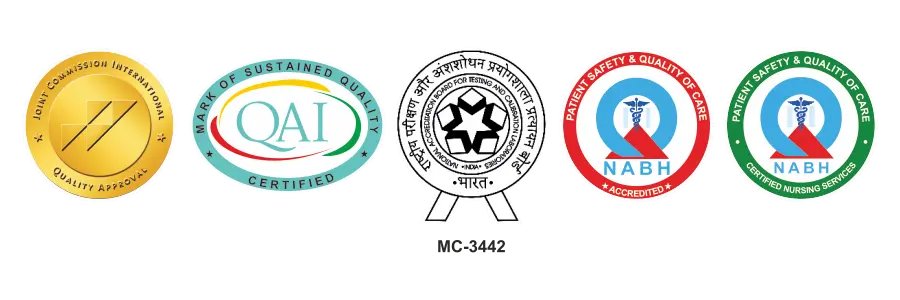
The hospital enjoys reputable accreditations within the healthcare sector, which include Joint Commission International (JCI), NABH (National Accreditation Board for Hospitals and Healthcare Providers), and QAI (Quality and Accreditation Institute).

Thanks to the modern medical infrastructure and coordination among specialists, the Continental Hospitals concentrate on timely diagnosis, proper pneumonia treatment and personalized approach towards the patient.

Conclusion

Theme World Pneumonia Day 2026 focuses on the fact that pneumonia is a treatable and preventable disease, provided that it is diagnosed at an early stage. The theme of "A New Era of Pneumonia Control" emphasizes the importance of vaccinations, education, early detection, and good medical facilities.

Please remember:

  • Diagnosis of pneumonia should be made on time.
  • Vaccinations according to schedule.
  • Hygiene and healthy lifestyle.
  • Protection of children and older people from respiratory diseases.
  • Consult a doctor on the occurrence of cough, fever, or difficulty breathing.

If you have a constant cough, fever, chest pain, or difficulty breathing, please consult our best pulmonologist in Hyderabad at Continental Hospitals, Hyderabad.

Frequently Asked Questions

Pneumonia is an infection that causes inflammation in one or both lungs. It mainly affects the tiny air sacs called alveoli. These air sacs may fill with fluid or pus during an infection. This makes breathing difficult and reduces oxygen supply to the body. Pneumonia can be caused by bacteria, viruses or fungi. Bacterial pneumonia is commonly associated with Streptococcus pneumoniae. Viral pneumonia can develop due to influenza or respiratory syncytial virus. The infection can affect people of all age groups. Young children, older adults and people with weak immune systems are at higher risk. Symptoms may range from mild to severe depending on the infection. Early diagnosis and appropriate treatment can help prevent complications. World Pneumonia Day raises awareness about prevention, early detection and access to treatment. Seeking medical attention when symptoms develop is important.
Pneumonia can cause several symptoms that affect breathing and overall health. A persistent cough is one of the most common signs. Some people may cough up yellow, green or blood-stained mucus. Fever and chills may also develop during the infection. Chest pain can occur, especially while breathing deeply or coughing. Breathlessness is another important symptom that should not be ignored. Some individuals may experience tiredness, weakness and body aches. Rapid breathing and an increased heartbeat can also occur. Older adults may experience confusion or unusual sleepiness. Children may show poor feeding, fast breathing or chest retractions. Symptoms can develop suddenly or gradually over several days. Severe breathlessness, bluish lips or confusion require immediate medical attention. Early evaluation helps doctors identify pneumonia and recommend suitable treatment.
Pneumonia develops when harmful microorganisms infect the lungs. Bacteria are one of the common causes of this infection. Streptococcus pneumoniae is a frequently identified bacterial cause. Viruses such as influenza and respiratory syncytial virus can also cause pneumonia. Certain fungi may cause pneumonia, particularly in people with weakened immunity. The infection can spread through respiratory droplets released during coughing or sneezing. It may also develop when germs from the nose or throat enter the lungs. Aspiration of food, liquids or stomach contents can cause aspiration pneumonia. Smoking can damage the lungs and increase the risk of infection. Chronic conditions such as diabetes, heart disease and lung disease may increase susceptibility. Older adults and young children are also more vulnerable. Identifying the underlying cause helps doctors choose appropriate treatment. Good hygiene and vaccination can reduce the risk of certain types of pneumonia.
Pneumonia can affect anyone, but certain groups have a higher risk. Babies and young children have developing immune systems. Adults above 65 years may be more vulnerable to lung infections. People with asthma, COPD or other chronic lung conditions face increased risk. Individuals with diabetes or heart disease may also be more susceptible. A weakened immune system can make it harder to fight infections. Cancer patients receiving chemotherapy may have an increased risk. People who smoke regularly may have reduced lung protection. Excessive alcohol consumption can also increase susceptibility. Patients recovering from major surgery or prolonged illness may face additional risks. Poor nutrition and certain swallowing difficulties can contribute to pneumonia risk. Recognising these risk factors helps people take preventive steps. High-risk individuals should discuss appropriate vaccinations and preventive care with their doctors.
Pneumonia itself is not always contagious, but some infections that cause it can spread between people. Bacteria and viruses responsible for pneumonia may spread through respiratory droplets. These droplets can be released when an infected person coughs, sneezes or talks. Close contact with an infected individual may increase the chance of transmission. However, not everyone exposed to these germs develops pneumonia. Some people may experience only mild respiratory symptoms. Others may develop more serious lung infections depending on their health. Fungal pneumonia is generally not spread from person to person. Good hand hygiene can help reduce the spread of infectious germs. Covering the mouth and nose while coughing or sneezing is also important. Avoiding close contact with sick individuals can lower infection risk. Vaccination can protect against certain common causes of pneumonia. People with respiratory symptoms should follow medical advice and appropriate infection-control precautions.
Pneumonia treatment depends on its underlying cause and severity. Doctors first assess the patient's symptoms, medical history and breathing condition. A chest X-ray and blood tests may be recommended. Sputum testing may help identify the organism causing the infection. Antibiotics are commonly prescribed for bacterial pneumonia. Antibiotics do not work against viral infections. Viral pneumonia may require supportive treatment and specific antiviral medicines in selected cases. Patients may need adequate rest and fluids during recovery. Medicines can help manage fever and discomfort when recommended by a doctor. Severe pneumonia may require hospital admission and oxygen support. Some patients may need intensive care if breathing becomes seriously affected. Completing prescribed medicines and attending follow-up appointments are important. Treatment should always be guided by a qualified medical professional.
Pneumonia can be prevented in many cases through simple health practices and vaccination. Pneumococcal vaccines help protect against certain bacteria that cause pneumonia. Influenza vaccination can reduce the risk of flu-related pneumonia. Other recommended vaccines may also help prevent respiratory infections. Washing hands regularly helps remove harmful germs. Covering the mouth and nose while coughing or sneezing reduces the spread of infections. Avoiding smoking helps maintain healthy lung function. Maintaining a balanced diet supports the immune system. Regular physical activity can contribute to better overall health. Keeping indoor spaces clean and well ventilated may reduce exposure to respiratory infections. People with chronic conditions should follow their prescribed treatment plans. High-risk individuals should discuss suitable vaccinations with their healthcare providers. Early medical attention for respiratory symptoms can also help prevent serious complications.
You should consult a doctor if you develop symptoms that may indicate pneumonia. A persistent cough accompanied by fever needs medical evaluation. Breathlessness or difficulty breathing should never be ignored. Chest pain while coughing or breathing deeply also requires attention. High fever, chills and severe weakness may indicate an infection. Rapid breathing can be a warning sign, especially in children. Older adults may develop confusion or unusual drowsiness. Babies with poor feeding or difficulty breathing need immediate assessment. People with diabetes, heart disease or chronic lung conditions should seek medical advice early. Bluish lips, severe breathlessness or reduced consciousness require emergency medical care. Doctors may recommend a chest X-ray or other tests to confirm the diagnosis. Early treatment can reduce the risk of complications. If you experience concerning respiratory symptoms, consult a pulmonologist or respiratory medicine specialist promptly.
World Pneumonia Day is observed every year on November 12. It aims to raise awareness about pneumonia and its impact on global health. Pneumonia remains an important cause of illness and death, particularly among young children and vulnerable populations. The day highlights the importance of early diagnosis and timely treatment. It encourages people to recognise common pneumonia symptoms. It also promotes vaccination as an important preventive measure. Public awareness can help families identify warning signs before the infection becomes severe. The observance highlights the need for accessible healthcare services. It encourages communities to adopt better hygiene and infection-prevention practices. Healthcare professionals play an important role in educating people about lung health. World Pneumonia Day also supports efforts to improve pneumonia prevention and treatment worldwide. Individuals can contribute by spreading accurate health information and encouraging vaccination. The day reminds everyone that early action can help protect lives and improve respiratory health.
Disclaimer: The information provided in this blog is intended for general knowledge and informational purposes only, and does not constitute medical advice. Always consult with a qualified healthcare professional for any medical concerns or before making any decisions about your health.

Get in Touch With Us

Whether you are from India or abroad, we are here to help you with your medical queries. Please fill out the form below and our team will connect with you shortly.

  • ✔ Quick response from our medical experts
  • ✔ Secure data handling & privacy
  • ✔ Easy upload for reports & documents
banner_image

Chat with our medical experts on WhatsApp for quick assistance and hassle-free appointment booking

Recent Posts