.webp)

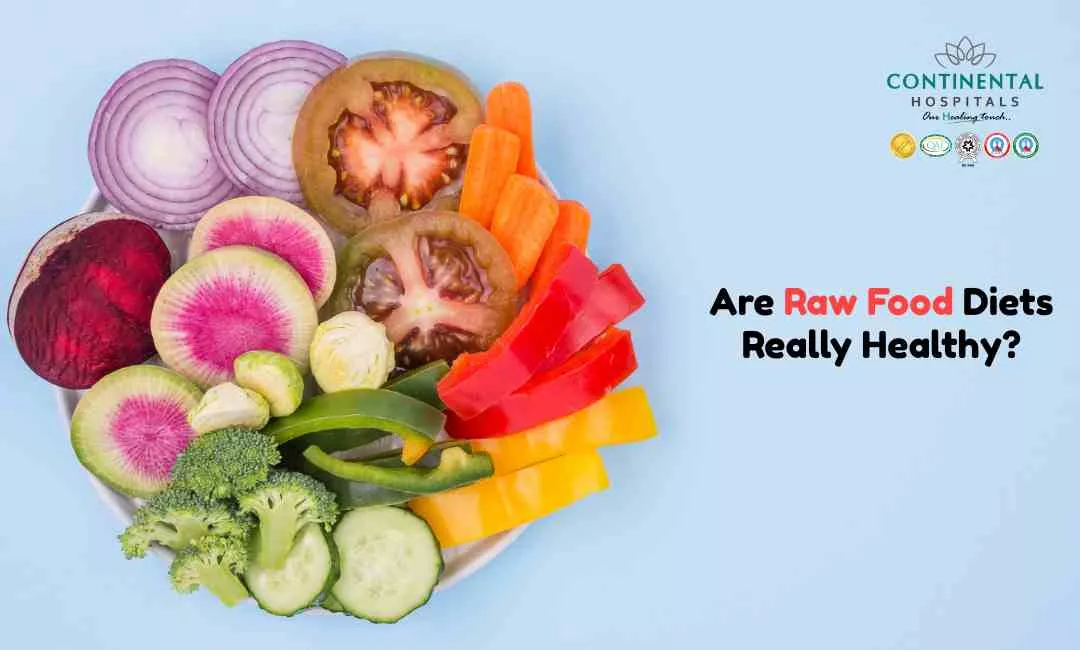
Raw food diets have become a popular nutrition trend among people looking for natural, clean, and plant focused eating. From social media influencers to wellness blogs, raw foods are often promoted as a way to improve digestion, boost energy, and support weight loss. But are raw food diets really healthy? Is a raw food diet healthy for everyone? And what happens when you eat raw food daily for a long time?
What Is a Raw Food Diet?
A raw food diet focuses on eating foods that are uncooked or minimally processed. Typically, foods are not heated above a low temperature to preserve natural enzymes and nutrients.
Raw foods commonly include
- Fresh fruits and vegetables
- Nuts and seeds
- Sprouted grains and legumes
- Cold pressed oils
- Raw food recipes like salads, smoothies, and soaked nuts
Some people follow a raw vegan diet, which excludes all animal products. Others may include raw milk or raw eggs, though this is less common and carries health risks.
Considering a raw food diet or facing side effects? Visit our Department of Nutrition & Dietetics at Continental Hospitals.
Why Do People Choose Raw Food Diets?
Many people believe raw foods offer higher nutrition and better digestion. The idea is that cooking destroys enzymes and reduces vitamins. As a result, raw foods nutrition is often promoted as superior.
Common reasons people choose a raw food diet include:
- Weight loss goals
- Digestive health improvement
- Detox beliefs
- Ethical or environmental reasons
- Desire for clean eating
But does the science fully support these claims?
Raw Food Diet Benefits
1. High Intake of Fruits and Vegetables
Raw vegetables health benefits include fiber, antioxidants, vitamins, and minerals. Eating raw foods often increases fruit and vegetable consumption, which supports heart health and gut health.

2. Weight Management
Raw food diet weight loss can occur because raw foods are usually low in calories and high in fiber. This can help people feel full while consuming fewer calories.
3. Reduced Processed Food Intake
A raw food diet naturally limits processed foods, added sugars, and unhealthy fats. This may improve blood sugar control and reduce inflammation.
4. Improved Awareness of Food Choices
People following raw diet recipes often become more mindful of what they eat. This awareness can encourage healthier long term habits.
Raw Foods Nutrition: What You May Miss
While raw foods contain many nutrients, some nutrients are better absorbed after cooking.
Cooking can increase the availability of
- Lycopene in tomatoes
- Beta carotene in carrots
- Iron and zinc in some vegetables
Raw food digestion issues may arise because certain plant fibers are harder to break down without cooking.
Raw Food Diet Risks and Side Effects
Despite its popularity, there are disadvantages of raw food diet that should not be ignored.
1. Nutrient Deficiencies
A strict raw vegan diet may lack
- Vitamin B12
- Iron
- Calcium
- Omega three fatty acids
- Protein
Over time, these deficiencies can affect energy levels, bone health, and immunity.
2. Digestive Problems
Eating raw food daily effects may include bloating, gas, stomach pain, or diarrhea. Raw food digestion issues are common, especially in people with sensitive guts or digestive disorders.
3. Food Safety Concerns
Raw foods can carry bacteria. Raw sprouts, unwashed vegetables, and unpasteurized products increase infection risk, especially for children, elderly people, and those with weak immunity.
4. Hormonal and Metabolic Issues
Long term raw food diet side effects may include irregular periods, low energy, and unintended weight loss. Extreme calorie restriction can affect hormones and metabolism.
Raw Vegan Diet Pros and Cons
Pros
- High intake of antioxidants
- No processed foods
- Ethical and eco friendly choice
- May support short term weight loss
Cons
- Protein and vitamin deficiencies
- Difficulty maintaining long term
- Social and lifestyle challenges
- Raw vegan safe only with expert guidance
So, is raw vegan safe? For most people, it requires careful planning and medical supervision.
Cooked vs Raw Food Health: Which Is Better?
The cooked vs raw food health debate does not have a one size fits all answer.
Raw foods provide
- Fiber
- Heat sensitive vitamins
- Natural enzymes
Cooked foods provide
- Better nutrient absorption
- Improved digestion
- Reduced infection risk
A balanced diet that includes both cooked and raw foods is often the healthiest approach.
Is Raw Food Diet Healthy for Everyone?
The answer is no. Raw food diets are not suitable for everyone.
People who should be cautious include
- Children and teenagers
- Pregnant or breastfeeding women
- Elderly individuals
- People with diabetes or thyroid disorders
- Those with digestive conditions
Before starting a raw food diet, professional medical advice is essential.
Practical Tips If You Want to Eat Raw Foods Safely
If you are interested in raw foods, consider a flexible approach rather than strict rules.
Helpful tips include:
- Combine raw and cooked meals
- Include protein rich foods
- Wash raw vegetables thoroughly
- Avoid extreme calorie restriction
- Monitor your energy and digestion
Balanced nutrition matters more than dietary labels.
Why Choose Continental Hospitals?
Continental Hospitals is known as one of the best hospital in Hyderabad, offering evidence based care with a strong focus on preventive health and nutrition. Our team of experienced General Physicians, Nutrition Specialists, and Gastroenterologists provide personalized diet guidance based on your medical history, lifestyle, and health goals.
With international quality standards, advanced diagnostics, and a patient first approach, Continental Hospitals ensures your dietary choices support long term health, not short term trends.
Conclusion
Are raw food diets really healthy? Raw foods can be part of a healthy lifestyle, but a strict raw food diet is not suitable for everyone. While raw food diet benefits include higher fruit and vegetable intake, the risks of nutrient deficiency and digestive issues cannot be ignored.
The healthiest approach is a balanced diet that includes both raw and cooked foods, tailored to your body’s needs.
If you are considering a raw food diet or experiencing side effects from dietary changes, consult our best Nutrition Specialist at Continental Hospitals. Expert guidance can help you choose a safe, sustainable diet that truly supports your health.