.webp)

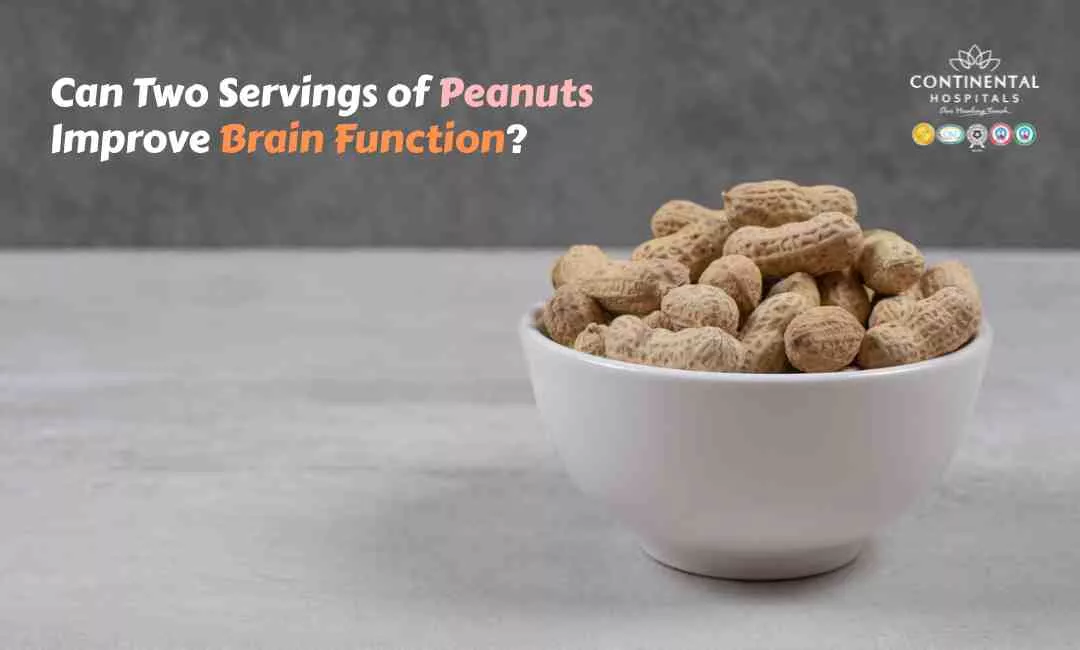
Brain health is closely linked to what we eat every day. Simple dietary choices can support memory, concentration, and long term cognitive wellbeing. One such everyday food is peanuts. Easily available, affordable, and commonly consumed in India, peanuts are now being studied for their role in brain function. But can two servings of peanuts really make a difference to your brain health? Let us explore this in a clear, science backed, and easy to understand way.
Why Brain Health Depends on Daily Nutrition?
The brain needs a steady supply of nutrients to function well. Poor diet choices may contribute to mental fatigue, poor concentration, mood changes, and long term neurological concerns. Nutrients such as healthy fats, antioxidants, vitamins, and minerals play a direct role in supporting nerve cells, blood flow to the brain, and chemical messengers responsible for thinking and memory.
Peanuts contain several of these nutrients, making them a food of interest for cognitive health.
Experiencing memory problems, mental fatigue, or neurological symptoms? Visit our best neuro doctor hyderabad for expert evaluation and personalized care.
Memory or neurological concerns? Visit our best Neurology Department at Continental Hospitals.
What Counts as Two Servings of Peanuts?
A single serving of peanuts is roughly a small handful, about twenty-eight grams. Two servings equal approximately two small handfuls spread across the day. This amount fits easily into a balanced diet without excess intake.
What nutrients in peanuts help improve brain function?
Peanuts offer a unique nutritional profile that benefits the brain in multiple ways.
Healthy fats
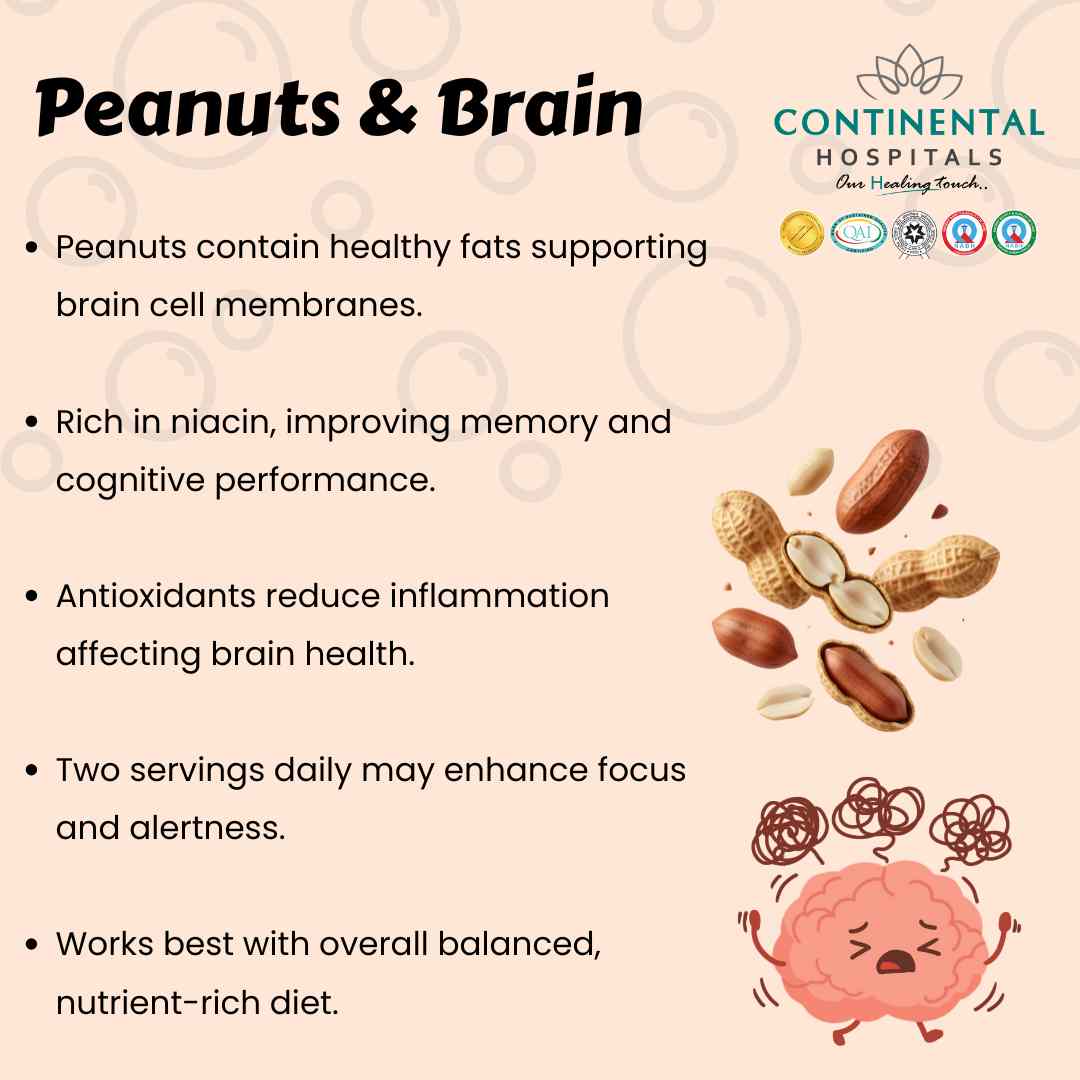
Peanuts are rich in unsaturated fats that support brain cell membranes and improve blood flow to the brain.

Vitamin E
This antioxidant helps protect brain cells from oxidative stress, which is linked to age-related cognitive decline.
Niacin
Also known as vitamin B three, niacin supports brain metabolism and may help improve blood circulation to the brain.
Magnesium
Magnesium plays a role in nerve signaling and muscle relaxation, supporting calmness and focus.
Plant-based protein
Protein is essential for neurotransmitters that influence mood, memory, and alertness.
How Two Servings of Peanuts May Improve Brain Function?
Research suggests that regular peanut consumption may offer several cognitive benefits when included as part of a balanced diet.
- Improved memory and learning ability
- Better concentration and mental alertness
- Reduced oxidative stress in brain cells
- Support for long-term cognitive health
- Stable energy levels due to healthy fats and protein
Peanuts also have a low glycemic index, which helps avoid sudden blood sugar spikes that can affect focus and mood.
How are peanuts connected to the gut-brain connection?
Digestive health and brain health are closely connected. Many people experience upper stomach pain after eating, indigestion after eating, or digestive problems after eating. Poor digestion can affect nutrient absorption, which indirectly impacts brain function.
Peanuts contain dietary fiber that supports gut health when consumed in moderation. A healthy gut improves nutrient absorption and supports the gut brain axis, which plays a role in mood and cognitive clarity.
However, people with conditions such as gastritis symptoms, stomach acidity, or stomach pain after meals should consume peanuts cautiously. Overeating or eating roasted peanuts with excess salt and oil may worsen epigastric pain causes or abdominal discomfort.
Can Peanuts Cause Digestive Problems?
While peanuts are nutritious, they may not suit everyone.
People who may experience discomfort include those with
- Upper stomach pain after eating
- Stomach pain when to see doctor concerns
- Gallbladder pain after food
- Severe indigestion after eating
- Known peanut allergy
If you notice acidity stomach pain or worsening digestive symptoms after eating peanuts, it is important to seek medical advice.
What are the best ways to eat peanuts for brain and digestive health?
To gain benefits without digestive discomfort, follow these simple tips.
- Choose plain roasted or boiled peanuts
- Avoid excess salt, masala, or deep frying
- Eat peanuts as a mid morning or evening snack
- Combine with fruits or curd for better digestion
- Limit to two servings per day
These practices help balance brain benefits while reducing the risk of digestive problems after eating.
Who Can Benefit the Most From Peanuts?
Peanuts may be especially useful for:
- Students and working professionals with mental fatigue
- Older adults concerned about memory and focus
- People with high mental stress
- Individuals seeking natural brain supporting foods
However, those with persistent stomach pain after meals or abdominal pain remedies concerns should consult a doctor before regular consumption.
When Are Peanuts Not Enough for Brain Health?
Diet alone cannot solve all brain health issues. If you or your loved ones experience symptoms such as
- Persistent mental fog
- Poor memory or concentration
- Sleep problems
- Headaches or neurological discomfort
These may indicate underlying neurological conditions that need medical evaluation.
When Should You See a Doctor for Memory or Brain Health Problems?
You should consult a specialist if you notice
- Ongoing digestive problems after eating
- Severe upper stomach pain after eating
- Unexplained memory decline
- Frequent headaches or confusion
- Abdominal pain that does not improve
Early evaluation helps prevent complications and ensures accurate diagnosis.
Why Choose Continental Hospitals?
Continental Hospitals is widely recognized as the best hospital in Hyderabad for comprehensive medical care. The hospital combines clinical expertise, advanced diagnostics, and patient-centered treatment.
Key reasons to choose Continental Hospitals include the following:
- Internationally accredited healthcare standards
- Advanced neurology and digestive care services
- Experienced neurologists and multidisciplinary teams
- Evidence-based treatment protocols
- Patient-focused approach with clear communication
The hospital follows strict quality and safety benchmarks, ensuring reliable care for both neurological and digestive concerns.
Conclusion
Two servings of peanuts can support brain function by providing healthy fats, antioxidants, and essential nutrients. When eaten in moderation and in the right form, peanuts may help improve focus, memory, and overall cognitive wellbeing. However, they are not a cure and should be part of a balanced lifestyle that includes proper sleep, physical activity, and medical care when needed.
If you are experiencing memory issues, mental fatigue, or neurological symptoms, consult our Best Neurologist in Hyderabad at Continental Hospitals. Early evaluation and expert care can help protect brain health and improve quality of life. Book your consultation today for trusted, comprehensive neurological care.
Related Blogs: