.webp)

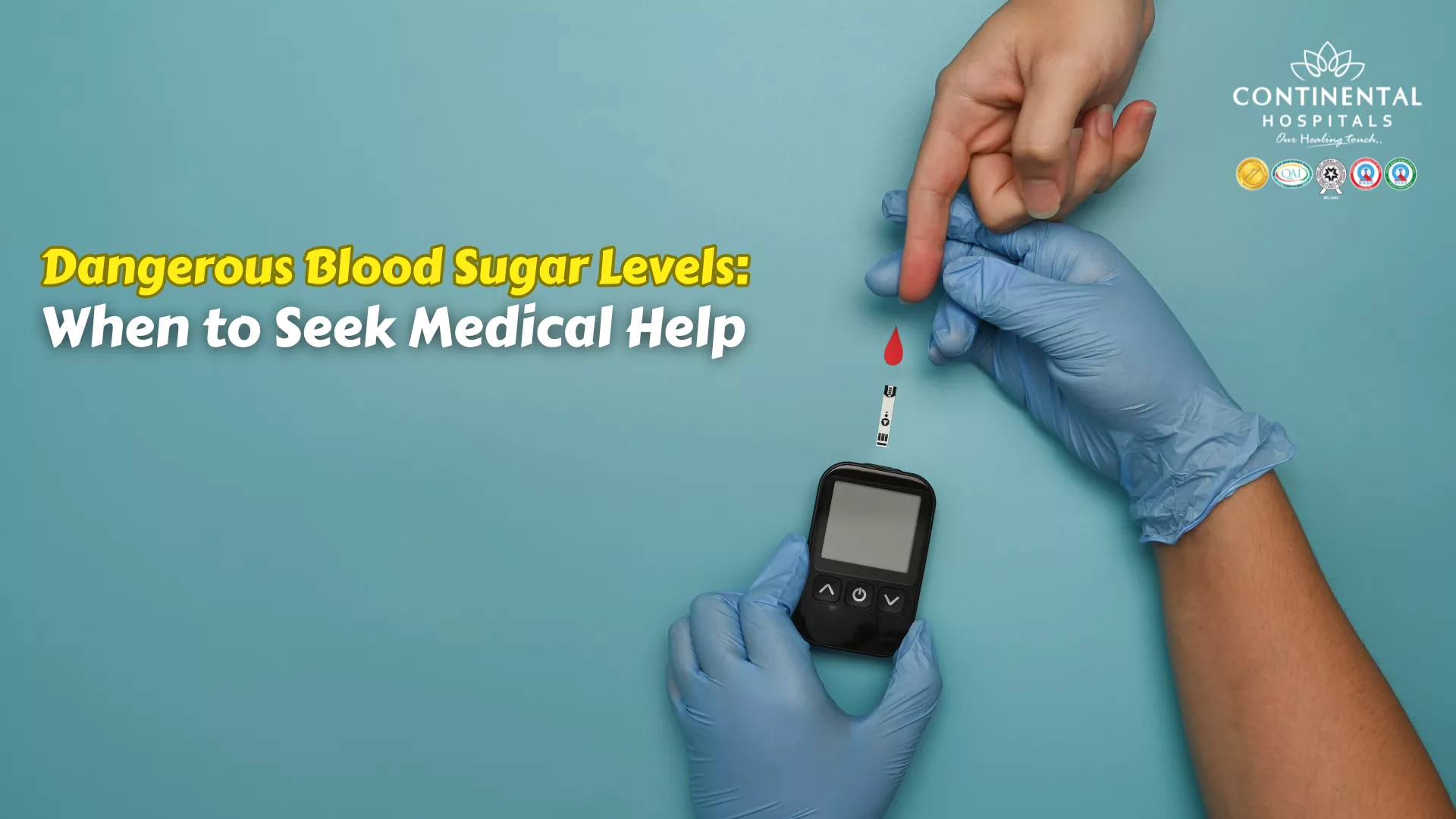
Blood sugar levels are a vital indicator of your overall health. Maintaining them within a normal range is essential for the proper functioning of your body. Blood sugar, also known as glucose, is the primary energy source for your cells, and when these levels go too high or too low, it can lead to serious health issues. Understanding dangerous blood sugar levels and knowing when to seek medical help is crucial for everyone, especially those at risk of diabetes.
What is Blood Sugar?
Blood sugar refers to the amount of glucose present in your bloodstream. Glucose comes from the food you eat, particularly carbohydrates, and is used by your body to produce energy. Insulin, a hormone produced by the pancreas, helps glucose enter your cells. If this process is disrupted, your blood sugar levels can become imbalanced.
Visit our Diabetologists Department at Continental Hospitals, Hyderabad for expert care, advanced facilities, and personalized treatment for better blood sugar control.
Blood Sugar Causes
Several factors can influence your blood sugar levels. These include:
- Diet: Consuming foods high in sugar or refined carbs can spike blood sugar.
- Lack of physical activity: Exercise helps your body use glucose efficiently.
- Stress: Physical or emotional stress can increase glucose production.
- Medical conditions: Type 2 diabetes, hormonal disorders, and infections can affect sugar levels.
- Medications: Certain medications may raise or lower blood sugar.
Understanding Dangerous Blood Sugar Levels
Knowing what constitutes dangerous glucose levels is essential. While the exact numbers may vary slightly depending on medical guidelines, the following ranges provide a clear reference:
- Fasting blood sugar: Above 126 mg/dL may indicate diabetes.
- Random blood sugar: Levels above 200 mg/dL with symptoms suggest high blood sugar.
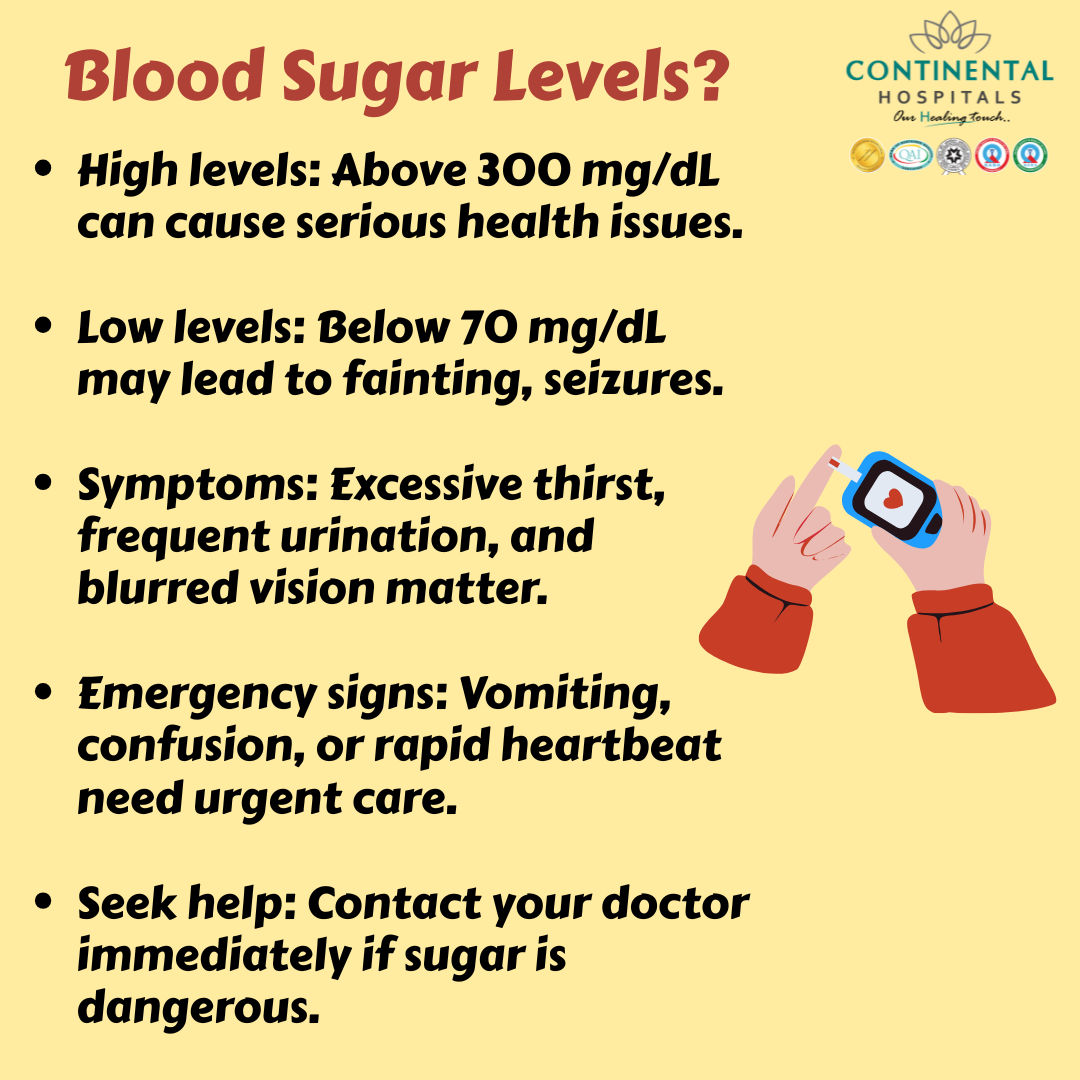
- Severe high blood sugar (hyperglycemia): Levels consistently above 300 mg/dL require urgent medical attention.
Dangerous blood sugar levels are not always obvious. Some people may experience mild symptoms while others may have severe complications.
Signs of High Blood Sugar
Recognizing the signs of high blood sugar is important for early intervention. Watch out for the following symptoms:
- Frequent urination and increased thirst
- Fatigue and weakness
- Blurred vision
- Headaches
- Unexplained weight loss
- Nausea or vomiting
If you notice these signs, it is important to check your blood sugar levels and consult a doctor.

Complications of Untreated High Blood Sugar
Ignoring dangerous glucose levels can lead to serious health issues. Long-term high blood sugar may cause:
- Nerve damage (neuropathy)
- Kidney problems (nephropathy)
- Vision issues including diabetic retinopathy
- Increased risk of heart disease and stroke
- Foot ulcers and infections
Monitoring blood sugar levels regularly can help prevent these complications.
Blood Sugar Control Tips
Managing blood sugar effectively requires a combination of lifestyle changes and medical care. Some tips include:
- Follow a balanced diet rich in vegetables, proteins, and whole grains
- Limit sugary foods and drinks
- Exercise regularly to improve insulin sensitivity
- Monitor blood sugar levels at home
- Stay hydrated and maintain a healthy weight
- Manage stress through meditation, yoga, or hobbies
- Follow your doctor’s advice and take medications as prescribed
When to Seek Medical Help?
It is important to know when to consult a healthcare professional for dangerous blood sugar levels. Seek medical help immediately if:
- Blood sugar levels are consistently above 300 mg/dL
- You experience severe symptoms like confusion, vomiting, or difficulty breathing
- You have persistent high blood sugar despite following your care plan
- You notice signs of complications like numbness, vision changes, or slow-healing wounds
Early intervention can prevent serious health consequences and improve your quality of life.
Why Choose Continental Hospitals for Blood Sugar Care?
Continental Hospitals in Hyderabad is recognized as one of the best hospitals for diabetes and blood sugar management. Here’s why patients trust us:
- Accredited by national healthcare authorities for high standards of care
- Experienced team of diabetologists and endocrinologists
- Advanced diagnostic facilities for accurate blood sugar monitoring
- Personalized treatment plans tailored to individual needs
- Comprehensive care including lifestyle management, medications, and follow-up support
- Supportive nursing staff ensuring comfort and guidance throughout treatment
Our hospital focuses on providing holistic care that not only treats blood sugar imbalances but also prevents long-term complications.
Managing Type 2 Diabetes Effectively
Type 2 diabetes is one of the most common conditions related to high blood sugar. With proper management, individuals can lead healthy lives. Key management strategies include:
- Monitoring blood sugar levels regularly
- Following a structured meal plan
- Engaging in physical activity daily
- Taking prescribed medications consistently
- Regular check-ups with a diabetes specialist
- Quick Visual Tips for Blood Sugar Control
- Eat fiber-rich foods to reduce sugar spikes
- Avoid sugary beverages and desserts
- Walk or exercise for at least 30 minutes daily
- Drink plenty of water throughout the day
- Sleep well and maintain a consistent routine
These small but consistent steps can make a significant difference in blood sugar control.
Conclusion
Blood sugar levels are more than just numbers; they are a reflection of your overall health. Recognizing dangerous glucose levels early and taking prompt action can prevent serious complications. Regular monitoring, a healthy lifestyle, and expert medical guidance are essential for maintaining optimal blood sugar.
consult our best diabetologists at Continental Hospitals, Hyderabad. With our advanced facilities, accredited care, and personalized treatment plans, we help patients achieve better blood sugar control and lead healthier lives.
Related Blog Topics: