.webp)

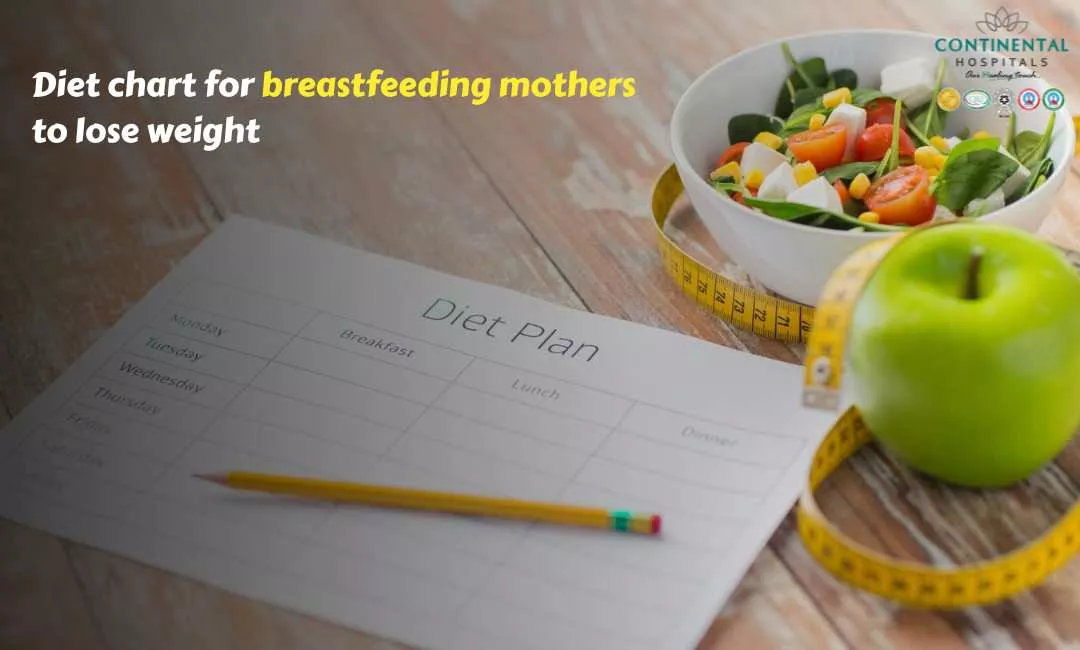
Losing weight after childbirth can be challenging, especially while breastfeeding. New mothers need a balanced diet to support milk production, recovery, and gradual weight loss without compromising nutrition for themselves or the baby. A proper diet chart for breastfeeding mothers focuses on healthy meals, nutrient-rich foods, and appropriate portion sizes to maintain energy levels, support postpartum recovery, and promote sustainable weight loss.
Importance of a Healthy Diet for Breastfeeding Mothers
During breastfeeding, a mother’s body requires extra calories, proteins, vitamins, and minerals. Following an appropriate diet chart helps:
- Support milk production naturally
- Promote postpartum healing and recovery
- Boost energy for daily activities and infant care
- Facilitate gradual and healthy weight loss
- Improve immunity for mother and baby
Eating nutrient-dense foods rather than skipping meals is key to safe weight loss while breastfeeding.
If struggling with postpartum weight, milk supply, or nutrition, Visit our Nutrition Speciality at Continental Hospitals for expert, personalized care.
Nutrients Essential for Breastfeeding and Weight Loss
Proteins – Helps repair tissues and support milk production. Include eggs, lean meat, paneer, lentils, and legumes.
Healthy Fats – Essential for brain development of the baby and mother’s energy. Sources include nuts, seeds, avocado, and olive oil.
Complex Carbohydrates – Provide sustained energy. Opt for whole grains like oats, brown rice, quinoa, and millets.
Vitamins and Minerals – Strengthen immunity and aid recovery. Include seasonal fruits, leafy greens, and vegetables.
Calcium – Important for bone health. Sources include milk, yogurt, paneer, and leafy vegetables.

Iron – Prevents postpartum anemia. Include lentils, spinach, beans, and lean meats.
Hydration – Drink plenty of water to support milk production and prevent dehydration.
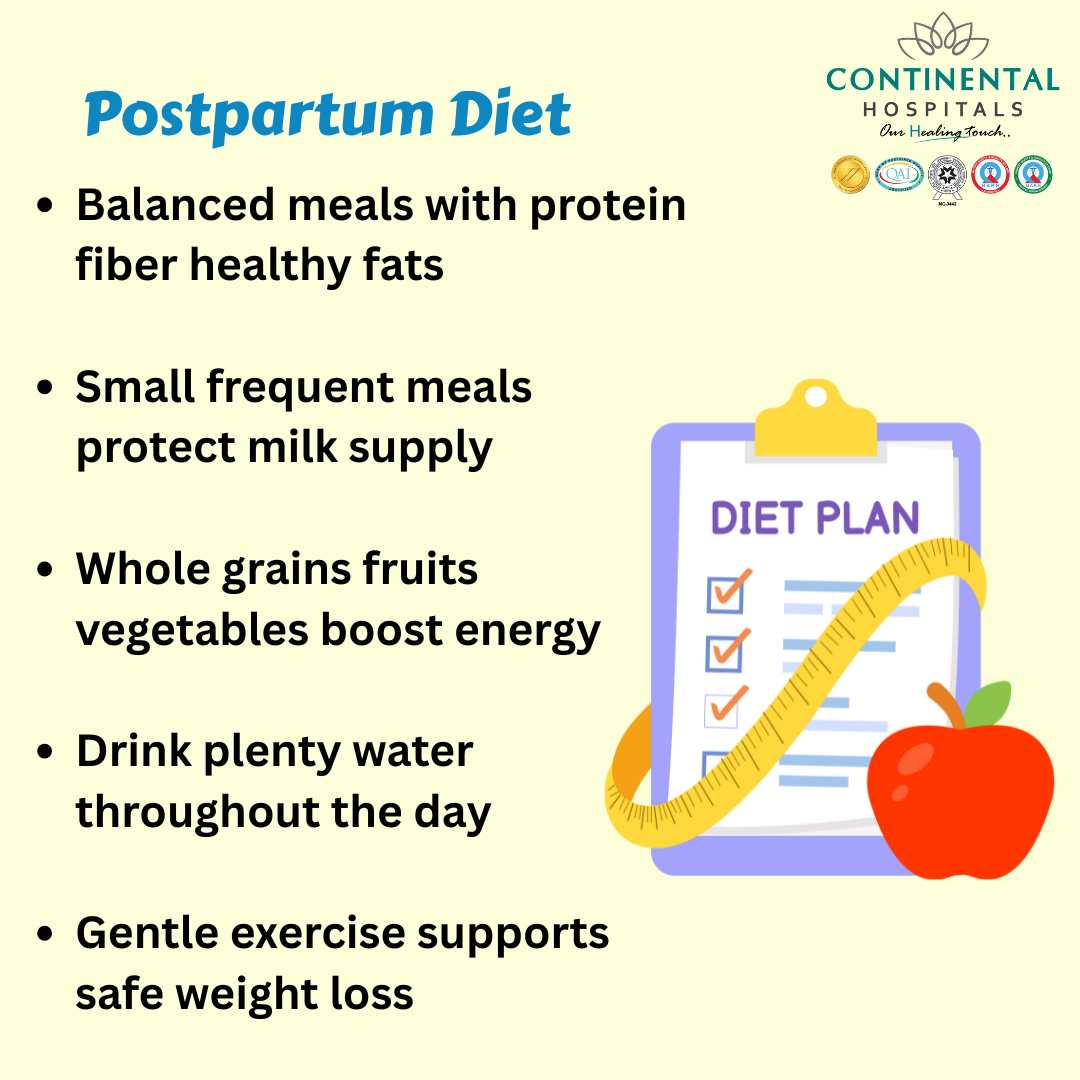
Sample Diet Chart for Breastfeeding Mothers
Early Morning
- A glass of warm water with lemon or soaked almonds
- Herbal tea or green tea (caffeine-free)
Breakfast
- Oatmeal with fruits and nuts
- Whole grain toast with avocado or boiled eggs
- A glass of milk or plant-based milk
Mid-Morning Snack
- Fresh fruit like papaya, apple, or banana
- Handful of mixed nuts and seeds
Lunch
- Brown rice or chapati with dal or lean protein
- Seasonal vegetables cooked lightly
- Curd or buttermilk
- Fresh salad for fiber
Evening Snack
- Roasted chana or sprouts
- Herbal tea or coconut water
Dinner
- Quinoa or chapati with vegetables and paneer or fish
- Light soup or dal
- Avoid heavy, oily foods in the evening
Before Bed
A glass of warm milk or herbal infusion
Diet Chart for Mothers After Cesarean Delivery
Mothers recovering from cesarean delivery require foods that aid wound healing:
- High protein foods – eggs, paneer, dal
- Iron-rich foods – green leafy vegetables, lentils
- Fiber-rich foods – oats, fruits, vegetables to prevent constipation
- Adequate hydration – water, soups, herbal teas
Avoid processed foods, excess sugar, and fried items as they slow recovery and may affect milk quality.
Postpartum Weight Loss Tips While Breastfeeding
- Eat smaller, frequent meals to boost metabolism
- Focus on whole, unprocessed foods
- Include protein in every meal to maintain muscle mass
- Avoid skipping meals; it reduces energy and milk supply
- Incorporate light exercises or postpartum yoga with doctor approval
- Ensure adequate sleep and rest to balance hormones
Foods to Include and Avoid
Include
- Whole grains and millets
- Fresh fruits and vegetables
- Lean protein like eggs, fish, chicken, and legumes
- Healthy fats like nuts, seeds, and olive oil
- Hydrating fluids like water, coconut water, and herbal teas
Avoid
- Sugary drinks and desserts
- Deep-fried and oily foods
- Processed snacks and fast food
- Excess caffeine and alcohol
Why Choose Continental Hospitals for Postpartum Nutrition Guidance?
Continental Hospitals is one of the best hospitals in Hyderabad offering comprehensive care for new mothers. Our postpartum nutrition program is guided by experienced gynecologists, nutritionists, and lactation consultants.
Key reasons to choose Continental Hospitals:
- Expert guidance for diet and postpartum weight loss
- NABH and JCI accreditations ensuring international quality standards
- Personalized diet plans based on mother’s health, delivery type, and milk production
- Multidisciplinary approach including lactation counseling, physiotherapy, and diet management
- Safe and effective strategies for both mother and baby
Expert Care for Breastfeeding Mothers
At Continental Hospitals, specialists provide individualized plans for post pregnancy weight loss. Mothers receive advice on:
- Balanced diet for breastfeeding and weight loss
- Remedies for common postpartum issues like fatigue, anemia, and milk production
- Exercise and lifestyle guidance suitable for recovery
- Monitoring health for both mother and baby
This ensures a holistic approach to postpartum care and long-term wellbeing.
Conclusion
A diet chart for breastfeeding mothers to lose weight should focus on nutrient-rich foods, balanced meals, and proper hydration while avoiding processed, sugary, and oily foods. With the right nutrition, mothers can support milk production, recover postpartum, and achieve gradual, safe weight loss.
If you are struggling with postpartum weight loss, milk supply issues, or nutritional guidance, consult our best Nurtitionist at Continental Hospitals. Early guidance, expert care, and personalized plans help you achieve postpartum wellness and maintain long-term health for you and your baby.
Related Blog Topics