.webp)
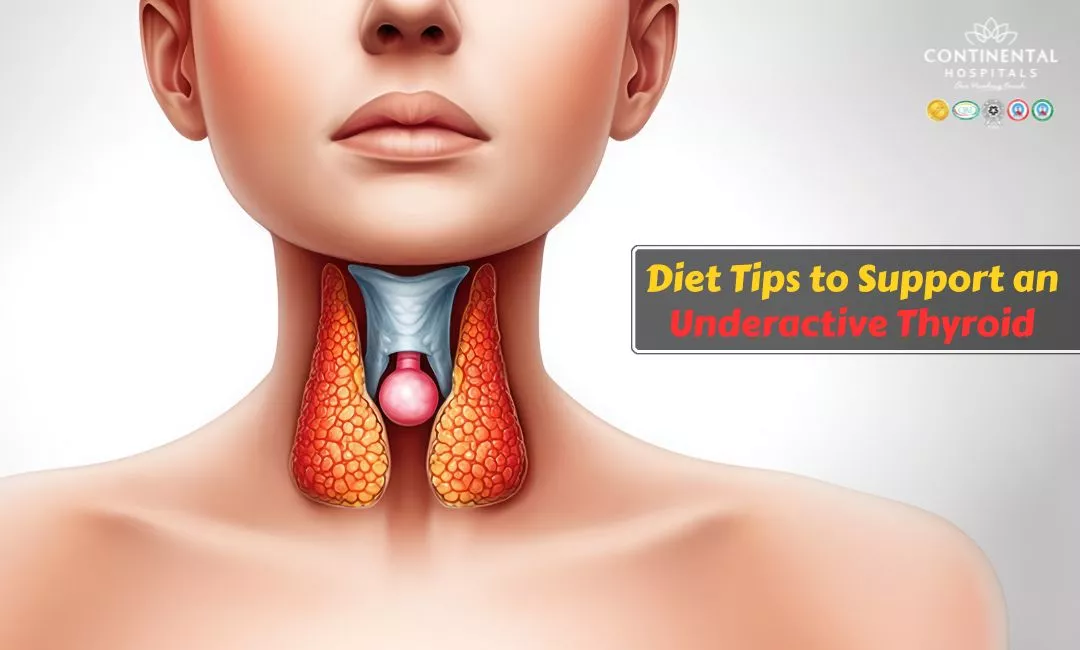
The thyroid is a small, butterfly-shaped gland in the neck, but it plays a powerful role in your body. It controls metabolism, energy levels, heart rate, body temperature, and even mood. When the thyroid does not produce enough hormones, the condition is called an underactive thyroid or hypothyroidism.
An underactive thyroid can lead to fatigue, weight gain, hair fall, dry skin, constipation, and irregular periods. While medical treatment is essential, the right thyroid diet can strongly support thyroid health and improve overall well-being.
Understanding an Underactive Thyroid
In hypothyroidism, the thyroid gland produces less thyroid hormone than the body needs. This slows down metabolism. As a result, people may feel tired even after resting. Weight gain may happen despite eating normally. Some may also experience swelling in the neck area.
Medical treatment usually includes thyroid hormone replacement. However, diet for hypothyroidism plays a supportive role in improving energy levels, digestion, and hormonal balance.
If you are diagnosed with low thyroid, focusing on proper nutrition can make a noticeable difference.
Visit our Endocrinology Department at Continental Hospitals for expert evaluation and personalized care to prevent complications and improve quality of life.
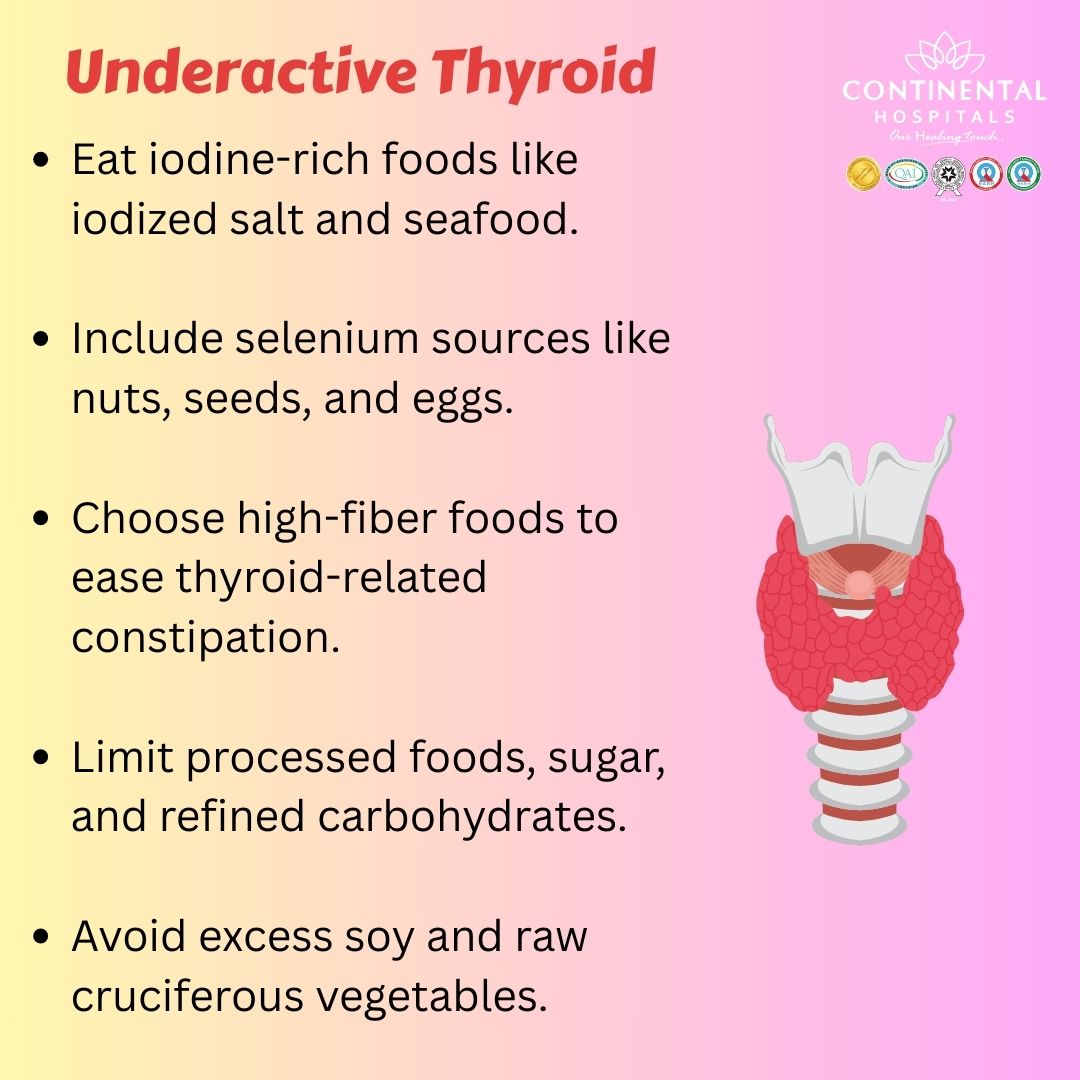
Why Diet Matters in Thyroid Health?
The thyroid needs specific nutrients to produce hormones properly. If the body lacks these nutrients, thyroid problems may worsen. At the same time, certain foods can interfere with hormone absorption.
A well-planned hypothyroidism diet helps in:

- Improving metabolism
- Reducing fatigue
- Supporting healthy weight management
- Enhancing digestion
- Improving overall thyroid health
Let us look at the best foods for thyroid support.
Best Foods for Thyroid Support
1. Iodine Rich Foods
Iodine is essential for thyroid hormone production. Without enough iodine, the thyroid cannot function properly.
Good sources include:
- Iodized salt
- Seafood such as fish and prawns
- Dairy products
- Eggs
However, too much iodine can also cause thyroid problems. Always follow your doctor’s advice before increasing iodine intake.
2. Selenium Rich Foods
Selenium helps convert thyroid hormone into its active form. It also protects the thyroid gland from damage.
Include:
- Brazil nuts
- Sunflower seeds
- Tuna
- Eggs
- Whole grains
Adding selenium rich foods to your thyroid diet can improve hormone balance.
3. Zinc Rich Foods
Zinc supports hormone production and immune function.
Good sources are:
- Pumpkin seeds
- Chickpeas
- Lentils
- Nuts
- Lean meat
People with low thyroid may benefit from adequate zinc intake.
4. Protein Rich Foods
Protein helps in maintaining muscle mass and improving metabolism. It also keeps you full for longer and prevents unwanted weight gain.
Add:
- Eggs
- Chicken
- Fish
- Paneer
- Greek yogurt
- Legumes
Protein is an important part of a balanced diet for hypothyroidism.
5. High Fiber Foods
Constipation is common in thyroid problems. Fiber improves digestion and gut health.
Choose:
- Vegetables like carrots, beans, spinach
- Fruits like apples, pears, berries
- Whole grains such as oats and brown rice
Drink enough water along with fiber to avoid bloating.
6. Healthy Fats
Healthy fats support hormone balance and reduce inflammation.
Include:
- Nuts and seeds
- Olive oil
- Avocado
- Fatty fish
These fats are helpful for overall thyroid health.
Foods to Limit in Hypothyroidism
While many foods support thyroid function, some may interfere with hormone absorption or slow down thyroid activity.
1. Soy Products
Soy can interfere with thyroid medication absorption. If you consume soy, keep a gap of a few hours after taking thyroid medicine.
2. Goitrogenic Foods in Excess
Cruciferous vegetables such as cabbage, broccoli, and cauliflower contain compounds that may interfere with thyroid function when eaten raw in large quantities. Cooking these vegetables reduces their effect.
You do not need to completely avoid them. Just consume them in moderation.
3. Highly Processed Foods
Processed snacks, sugary foods, and fried items can increase weight gain and inflammation. This can make managing an underactive thyroid more difficult.
4. Excess Sugar
An underactive thyroid slows metabolism, making weight management challenging. Limiting sugar helps maintain healthy weight and energy levels.
Practical Diet Tips for Hypothyroidism
Here are simple point wise tips to follow:
- Eat small and balanced meals throughout the day
- Include protein in every meal
- Choose whole foods instead of processed foods
- Stay hydrated with enough water
- Avoid skipping meals
- Take thyroid medication on an empty stomach as advised
- Wait at least thirty to sixty minutes before eating breakfast
- Limit caffeine immediately after medication
Consistency is key in managing thyroid problems.
Sample Daily Thyroid Diet Plan Idea
Morning
Warm water followed by thyroid medication as prescribed
After some time, have vegetable oats or boiled eggs with whole grain toast
Mid Morning
A fruit like apple or guava and a handful of nuts
Lunch
Brown rice or roti with dal, cooked vegetables, and curd
Evening
Green tea and roasted chana
Dinner
Grilled fish or paneer with sautéed vegetables
This is just an example. Your diet for hypothyroidism should be customized based on your health needs.
Lifestyle Habits That Support Thyroid Health
Diet alone is not enough. Lifestyle changes also help manage low thyroid effectively.
- Exercise regularly for at least thirty minutes a day
- Practice yoga and breathing exercises
- Sleep for seven to eight hours daily
- Manage stress through meditation
- Get regular thyroid checkups
Stress and lack of sleep can worsen thyroid problems. Taking care of mental health is equally important.
When Should You See a Doctor?
- Are you feeling constantly tired without a clear reason?
- Is your weight increasing despite healthy eating?
- Do you have hair thinning or dry skin?
- Are your periods irregular?
These symptoms may indicate an underactive thyroid. Early diagnosis and proper treatment can prevent complications.
Why Choose Continental Hospitals for Thyroid Care?
When it comes to managing thyroid problems, choosing the right hospital makes a difference. Continental Hospitals is known as one of the best hospitals in Hyderabad for comprehensive thyroid care.
The hospital is accredited by national and international bodies such as NABH and JCI. These accreditations reflect a commitment to high standards of patient safety and quality healthcare.
Continental Hospitals offers:
- Experienced endocrinologists and internal medicine specialists
- Advanced diagnostic facilities for accurate thyroid testing
- Personalized treatment plans for thyroid disorders
- Multidisciplinary care under one roof
- Modern infrastructure with patient focused services
The team focuses not only on medication but also on diet guidance, lifestyle counseling, and long term thyroid health management.
Conclusion
An underactive thyroid affects many aspects of daily life, from energy levels to weight and mood. While medication is the main treatment, a balanced diet for hypothyroidism plays an important supporting role.
Focus on iodine, selenium, zinc, protein, and fiber rich foods. Limit processed and sugary items. Maintain regular exercise and healthy sleep habits.
If you are experiencing symptoms of low thyroid or have already been diagnosed with hypothyroidism, do not ignore it. Proper medical care combined with the right thyroid diet can help you lead a healthy and active life.
Consult our best endocrinology at Continental Hospitals for expert evaluation and personalized treatment. Early care can prevent complications and improve quality of life.
Related Blog Topics: