• Share this:
post-title

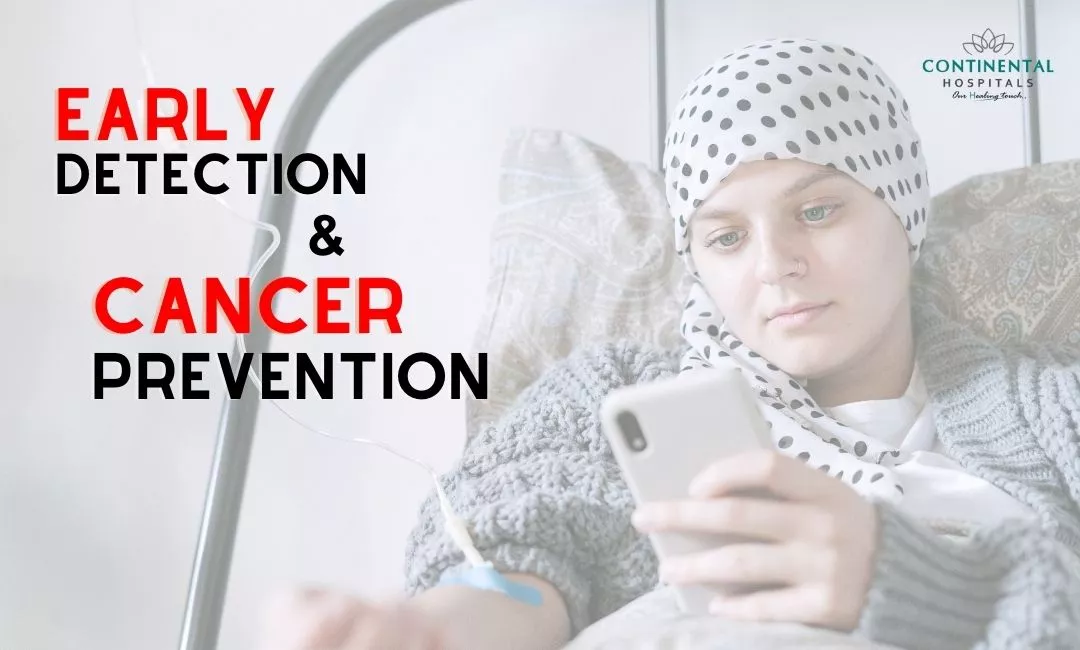
Early Detection and Cancer Prevention

Written by - Editorial Team
Medically Reviewed by - Dr Banda Ravi Teja

The Department of Cancer Prevention and Early Detection was established on 24-2-2024 to create cancer awareness and a sense of wellness responsibility to take charge of your health. Cancer is rising in India and globally. Deaths due to cancer in India were 9.3 lakhs, the second highest in Asia, reported by Lancet on 3-1-2024.

The best strategy is to prevent cancer, detect cancer early, and intervene at the precancerous stage. Our department has been established to serve this purpose, assist, and guide you to be cancer-free. Remember, 50% of cancers are preventable, and 50-70% are due to modifiable risks. Only 8-10% are due to genetic causes. Let us join in the common fight against “cancer”

Who Is at Higher Risk of Developing Cancer?

- Asymptomatic individuals should undergo screening despite the absence of noticeable symptoms.
- Those with a family history of cancer are at increased risk due to genetic predisposition.
- Cancer survivors, especially those previously treated for cancer, face elevated risks of developing cancer in other parts of the body.
- Smokers, including both traditional and vape smokers, as well as individuals with a history of heavy tobacco use (20 pack-years), are at significantly higher risk. Tobacco chewers carry the same risk.
- Excessive alcohol consumption is linked to various cancers.
- Chronic carriers of Hepatitis B and C viruses have an increased risk of liver cancer.
- Individuals with premalignant conditions, particularly in the oral cavity, require early identification and management to prevent progression to cancer.
- Those who have not been vaccinated for HPV carry high risks for cancer – Females – Cervix Cancer, Males – Mouth and Tonsils.

Consult with an Top Oncologists in Hyderabad who can help you understand the benefits of early detection of cancer or you can also contact us at Continental Cancer Centre

What Are the Early Signs of Cancer You Should Never Ignore?

Unexplained lumps or growths: Any abnormal growths or lumps that appear without a clear cause and persist should be promptly evaluated by a healthcare professional. These could be indicative of various types of cancer, such as breast cancer, skin cancer, or lymphoma.

Persistent pain or discomfort: Persistent pain that doesn't seem to have an obvious cause or doesn't go away with typical remedies should raise concerns. This can manifest in various parts of the body depending on the type and location of the cancer, e.g., pain in the abdomen.

Unusual bleeding: Unexpected bleeding or discharge from any part of the body, such as blood in the stool or urine, abnormal vaginal bleeding, or persistent bleeding from the gums, can be an early sign of cancer and warrants investigation.

Changes in bowel or urinary habits: Significant changes in bowel movements, such as prolonged diarrhea or constipation, or changes in urinary habits, like increased frequency or blood in the urine, or decrease in urinary flow may indicate underlying issues such as colorectal or bladder cancer.

Mouth ulcers that don't heal: Mouth ulcers that persist for an extended period without healing could be a sign of oral cancer. It's essential to have these evaluated, especially if they don't respond to conventional treatments or if there are other concerning symptoms such as with a lump in the neck.

Second Opinion

How Is Cancer Diagnosed Early?

Once individuals come forward, we employ a multi-pronged approach for thorough evaluation:

Detailed medical and family history: Understanding your background is crucial for risk assessment.

Multi-system physical examination: A comprehensive physical exam helps identify potential abnormalities.

Advanced laboratory testing: This includes tumor markers, urine analysis, and cytology for further investigation.

Multi-cancer early detection tests(Liquid Biopsy): We utilize cutting-edge technologies like liquid biopsies and gene analysis to detect potential cancers at their earliest stages.

What Cancer Screening Tests Should You Get?

Based on individual risk factors and age, we recommend various screening tests:

- Blood tests, tumor markers, urine tests, cytology, PAP smears, HPV detection, stool tests (FIT), PSA (for prostate cancer)

Need an Appointment?

- Imaging studies- ultrasound, CT, MRI, multi-parametric MRI, PET scan, screening/ diagnostic mammogram, vacuum-assisted biopsy of breast lumps

- Procedures to detect early cancers colonoscopy, Precancerous polyps, dental examination to detect precancerous lesions in the mouth, PAP smear for cervix cancer, HPV Testing.

- Skin moles mapping to detect early cancers.

- Vaccination against HPV and hepatitis to prevent cancers causes caused by these viruses. HPV vaccination is safe. Start age 9-14 and continue up to 45 years. Hepatitis B vaccination protects against liver cancer.

How Can You Prevent Cancer Before It Starts?

Beyond early detection, we emphasize the importance of preventive measures:

Vaccinations: HPV vaccination for both genders starting at age 9 and Hepatitis B vaccination are crucial for preventing liver cancer.

Personalized counseling: Addressing weight management, smoking cessation, and healthy lifestyle choices through personalized counseling plays a vital role in risk reduction.

Oral and head and neck cancer screening: Regular screening programs can help identify precancerous lesions in these regions.

Dietary and environmental awareness: Personalized counseling educates individuals on the link between diet, environmental factors, and cancer risk.

Cancer survivor support groups: These groups provide invaluable support and guidance for individuals navigating their cancer journey.

Sun protection education: We advocate sun protection measures like sunscreen use and regular skin examinations.

Sexual health education: Personalized counseling promotes safe sexual practices to reduce cancer risk.

Workplace cancer awareness programs: We conduct workshops in workplaces to highlight the link between exercise and cancer prevention.

Why Is Early Detection Important for Cancer Prevention?

Continental Hospitals stands as the first in India dedicated to bringing comprehensive cancer prevention and early detection services to the public. We are equipped with state-of-the-art technology and a team of highly qualified professionals to guide you through each step of the process.

Remember, "Come soon, NOT Late to save your life" is our guiding principle. We are here to empower you to take control of your health and embrace a proactive approach to cancer prevention and early detection.

Consult with an Best Cancer Specialist in Hyderabad who can help you understand the benefits of early detection of cancer

Related Blog Topics:

1. What Is Cancer? Symptoms, Signs, Types & Causes
2. Early Detection Tips for Common Cancers

Frequently Asked Questions

Early detection of cancer helps identify the disease before it spreads to other parts of the body. Many cancers have a much higher chance of successful treatment when diagnosed in the early stages. It often allows patients to receive less aggressive treatments and experience fewer side effects. Early diagnosis can improve survival rates and quality of life. Regular health checkups and screening tests help detect changes before symptoms appear. Some cancers develop silently, making routine screening essential. Detecting cancer early also reduces the risk of complications and advanced disease. It may shorten recovery time after treatment. Patients diagnosed early often have more treatment options available. Family members can also become more aware of their own cancer risks. Early detection encourages proactive healthcare and healthier lifestyle choices. Consulting a cancer specialist at the first sign of unusual symptoms is one of the best ways to protect your health.
Cancer screening tests vary depending on age, gender, family history, and individual risk factors. Mammograms help detect breast cancer at an early stage. Pap smears and HPV tests screen for cervical cancer. Colonoscopy is commonly used to detect colorectal cancer and remove precancerous polyps. Low dose CT scans may be recommended for people at high risk of lung cancer. PSA blood tests may help detect prostate cancer in selected individuals. Oral examinations help identify early signs of oral cancer. Skin examinations can detect suspicious moles or skin changes. Blood tests may support diagnosis in certain situations but are not replacements for recommended screenings. Your doctor will recommend the most appropriate screening schedule based on your health profile. Regular screening improves the chances of finding cancer before symptoms develop. Always discuss the benefits and limitations of screening with your healthcare provider.
Although not all cancers can be prevented, healthy lifestyle choices significantly reduce the risk of many types of cancer. Avoiding tobacco in all forms is one of the most effective preventive measures. Eating a balanced diet rich in fruits, vegetables, and whole grains supports overall health. Maintaining a healthy body weight reduces the risk of several cancers. Regular physical activity strengthens the immune system and improves overall wellbeing. Limiting alcohol consumption can lower cancer risk. Protecting your skin from excessive sunlight helps prevent skin cancer. Getting vaccinated against HPV and hepatitis B reduces the risk of related cancers. Avoiding exposure to harmful chemicals and environmental pollutants is also beneficial. Managing stress and getting adequate sleep support long term health. Routine medical checkups and recommended screenings further improve cancer prevention. Combining healthy habits with regular healthcare provides the best protection.
Cancer symptoms vary depending on the type and location of the disease. Persistent unexplained weight loss may be an early warning sign. A lump or swelling that does not go away should always be evaluated. Unusual bleeding or discharge requires prompt medical attention. A persistent cough or hoarseness lasting several weeks should not be ignored. Changes in bowel or bladder habits may indicate an underlying problem. Difficulty swallowing or persistent indigestion can sometimes be linked to cancer. A sore that does not heal should be examined by a doctor. Changes in skin moles or new skin growths should be assessed promptly. Constant fatigue without a clear cause may require further investigation. Ongoing pain that does not improve deserves medical evaluation. Seeking medical advice early helps identify the cause and allows timely treatment if necessary.
Cancer screening recommendations depend on age, sex, personal health, and family history. Adults should follow screening guidelines recommended by their healthcare provider. Women may require regular breast and cervical cancer screening. Men may benefit from prostate cancer discussions based on age and risk factors. Individuals with a family history of cancer may need earlier or more frequent screening. People who smoke or have smoked heavily may qualify for lung cancer screening. Those with inherited genetic conditions often require specialized monitoring. Individuals with chronic medical conditions may also need personalized screening schedules. Even healthy people without symptoms can benefit from preventive screening. Your doctor will assess your medical history and recommend appropriate tests. Regular follow up ensures screening remains effective as your health needs change. Personalized screening plans provide the greatest benefit for long term cancer prevention.
A family history of cancer can increase the likelihood of developing certain types of cancer, but it does not guarantee that cancer will occur. Some cancers are linked to inherited genetic mutations passed through families. Sharing your family's medical history with your doctor helps determine your personal risk. Genetic counseling may be recommended for individuals with strong family histories. Earlier or more frequent screening may be advised for high risk individuals. Lifestyle choices remain important even if there is a genetic predisposition. Healthy eating, regular exercise, and avoiding tobacco can still reduce overall risk. Not every family member will inherit the same level of risk. Modern genetic testing helps guide personalized prevention strategies when appropriate. Understanding your family history allows for informed healthcare decisions. Early monitoring improves the chances of detecting cancer before symptoms develop. Discuss your concerns with an oncologist for individualized recommendations.
Yes, many cancers can be detected before symptoms develop through regular screening and preventive health checkups. Screening tests are designed to identify cancer or precancerous changes at an early stage. Detecting cancer before symptoms appear often leads to better treatment outcomes. Breast, cervical, colorectal, and lung cancers are among those commonly detected through screening. Some screenings can also identify abnormal cells before they become cancerous. Following recommended screening schedules is essential for people at average and increased risk. Early diagnosis usually allows for more treatment options and improved recovery. Healthcare providers evaluate individual risk factors before recommending tests. Screening does not replace medical evaluation for new symptoms. If unusual symptoms develop, medical attention should be sought promptly even if previous screening results were normal. Combining routine screening with healthy lifestyle habits offers the best approach to early detection and prevention.
The frequency of medical visits depends on your age, health status, family history, and individual risk factors. Most adults should schedule regular preventive health checkups even when they feel healthy. Your doctor will review your medical history and recommend appropriate cancer screening tests. Individuals with higher risk factors may require more frequent evaluations. Routine visits help detect health changes before symptoms become serious. Preventive consultations also provide guidance on nutrition, exercise, and healthy lifestyle habits. Vaccinations and risk assessments may be discussed during these appointments. Keeping up with recommended screening schedules improves the likelihood of early diagnosis. Never ignore persistent symptoms between scheduled visits. Seeking timely medical advice can prevent delays in diagnosis and treatment. Regular communication with your healthcare provider supports long term health. A personalized prevention plan is the most effective way to reduce cancer risk.
Disclaimer: The information provided in this blog is intended for general knowledge and informational purposes only, and does not constitute medical advice. Always consult with a qualified healthcare professional for any medical concerns or before making any decisions about your health.

Get in Touch With Us

Whether you are from India or abroad, we are here to help you with your medical queries. Please fill out the form below and our team will connect with you shortly.

  • ✔ Quick response from our medical experts
  • ✔ Secure data handling & privacy
  • ✔ Easy upload for reports & documents
0 / 100
Checkboxes Section


Chat with our medical experts on WhatsApp for quick assistance and hassle-free appointment booking

Recent Posts
Language Based Image
0 / 100